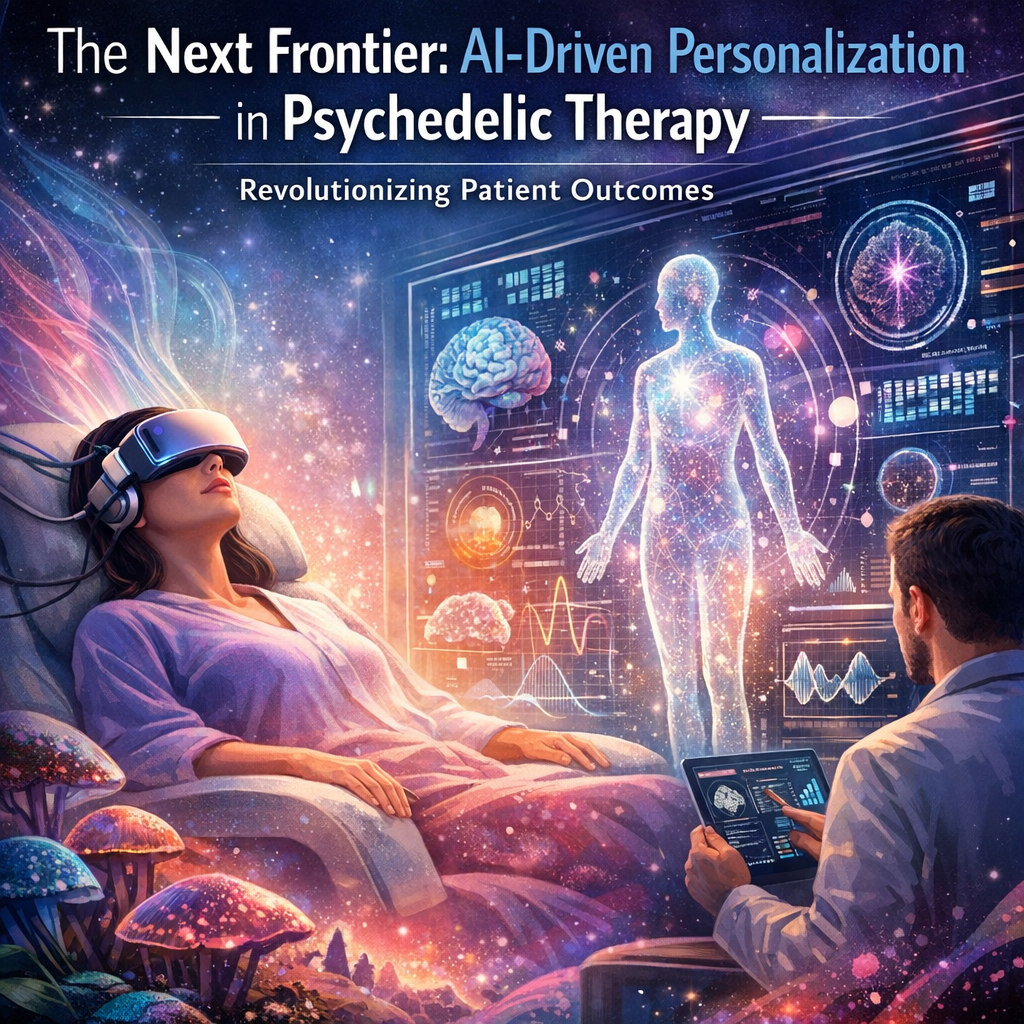
The Next Frontier: AI-Driven Personalization in Psychedelic Therapy — Revolutionizing Patient Outcomes
Introduction
The realm of **psychedelic therapy** is undergoing a renaissance, thanks largely to revived scientific interest and research into compounds like **psilocybin**. This naturally occurring psychedelic prodrug compound, found in over 200 species of mushrooms, shows promise in treating mental health disorders such as **depression**, **anxiety**, and **PTSD**. As these therapies enter more phases of clinical trials, integrating another groundbreaking technology—**artificial intelligence (AI)**—is set to revolutionize the scope and potential outcomes of psychedelic medicine.
AI is transforming healthcare by its ability to analyze vast quantities of data to detect patterns, predict outcomes, and offer personalized treatment plans. Its application in psychedelic therapy is particularly exciting, as personal response to psilocybin-based treatments can vary greatly from one individual to the next. **AI-driven personalization** promises a tailored approach to each patient’s unique psychological and physiological profile, potentially maximizing therapeutic efficacy and minimizing adverse effects.
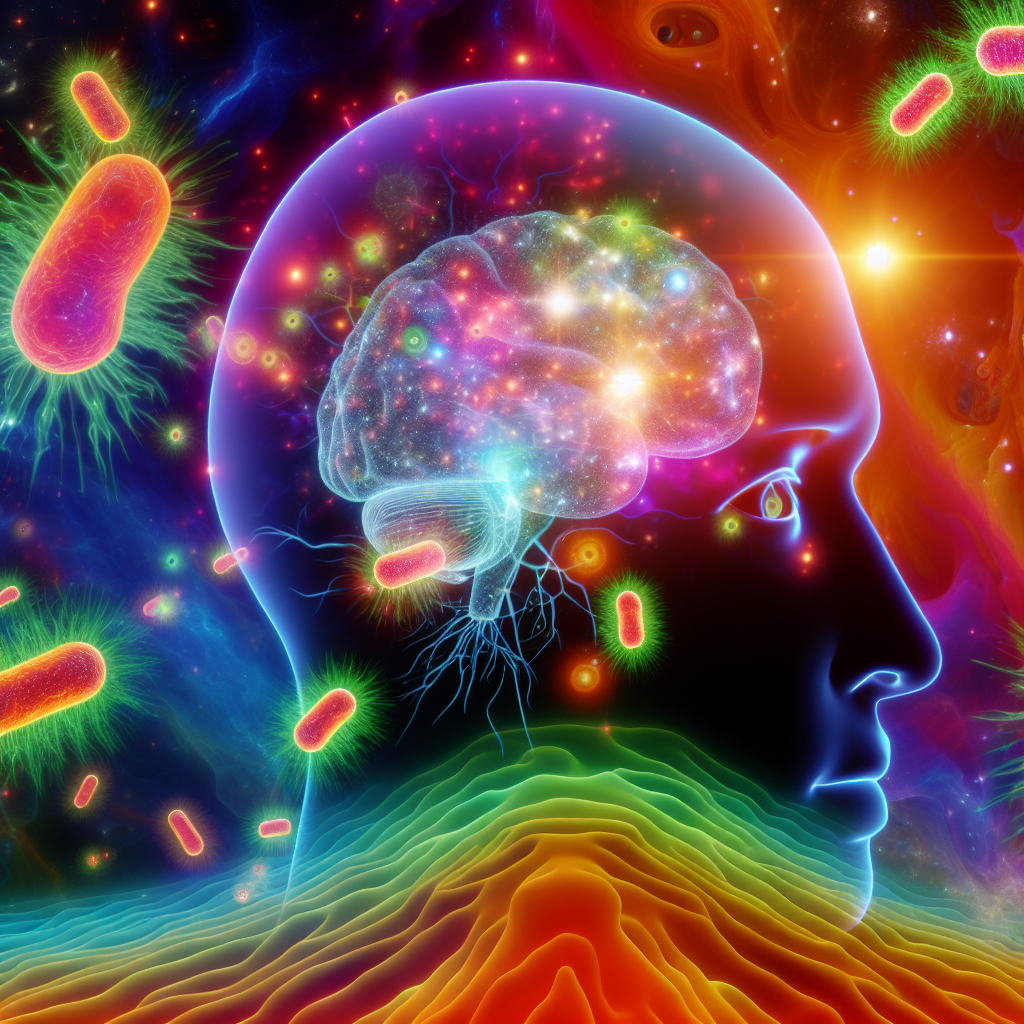
Understanding patient variability is pivotal. Factors such as **genetics**, environment, personal history, and even microbial composition in the gut can influence how a person might respond to psychedelic therapy. AI models can predict an individual’s unique response by analyzing these variable factors in conjunction with past medical records and outcomes from similar therapeutic scenarios. The combination of psychedelics and AI could lead to precision medicine, where treatment is uniquely tailored not just to the disorder, but to the individual.
This personalized approach in psychedelic therapy is set to redefine how mental health disorders are treated. With more precise dosing, tailored therapeutic protocols, and AI-led insights into treatment outcomes, therapists can deliver individualized patient care that optimizes results and ensures safety. Overall, the integration of AI in the psychedelic therapy landscape offers a blueprint for the future of mental health treatment that is both innovative and deeply compassionate.
Features
Several recent studies underscore the significant potential of AI in enhancing the therapeutic outcomes of psilocybin and other psychedelics. One landmark study conducted by **Imperial College London** demonstrated that psilocybin, in conjunction with AI algorithms, could offer predictive insights into patient recovery pathways and their responses to therapy. Utilizing machine learning tools, researchers were able to predict and personalize treatment regimes based on patients’ baseline **brain connectivity** and psychological profiling.
Furthermore, a study published in the journal [*Nature Medicine*](https://www.nature.com/articles/s41591-019-0640-1) explored the use of machine learning algorithms to analyze the brain scan data of individuals undergoing psychedelic therapy. The researchers developed AI models that revealed previously unseen biomarkers indicative of positive therapeutic outcomes, providing a metric by which therapists could fine-tune dosages and therapeutic approaches. Such discoveries illuminate AI’s role in predicting which patients are most likely to benefit from particular types of psychedelic interventions, ultimately increasing the success rates of such therapies.
Beyond predictive capabilities, AI holds the promise of real-time monitoring and adjustment of treatment protocols. By analyzing patient feedback and physiological responses immediately, AI systems can assist therapists in making instant modifications—such as altering the psilocybin dose or therapeutic techniques used—enhancing the therapy’s effectiveness and safeguarding patient safety.
Additionally, an article from [*Frontiers in Psychiatry*](https://www.frontiersin.org/articles/10.3389/fpsyt.2020.00007/full) illustrated how AI could facilitate the understanding of the experiential aspects of psychedelic treatments. Through natural language processing, AI can scrutinize and interpret patient narratives and therapy session recordings, capturing nuanced data about the subjective experiences of patients. These analyses can reveal how different psychological, environmental, and chemical factors influence patient experiences, offering unprecedented insights into the psychedelic experience.
Conclusion
The integration of AI into psychedelic therapy heralds a new era of personalized medicine. By harnessing the power of AI, therapies involving psilocybin and other psychedelics can be tailored to individual patient profiles, enhancing the precision and efficacy of treatments. As research progresses, the synergy between AI and psychedelics will likely continue to offer promising advances in the treatment of mental health disorders, steering healthcare towards a future marked by innovation and personalization.
References
1. [Psilocybin-Assisted Therapy: Psychedelics Could Transform Mental Health](https://www.imperial.ac.uk/news/192806/psilocybin-assisted-therapy-psychedelics-could-transform/)
2. [Machine learning models reveal biomarkers of psychedelic-assisted therapy](https://www.nature.com/articles/s41591-019-0640-1)
3. [AI in psychedelic therapy: real-time analysis and therapeutic planning](https://www.frontiersin.org/articles/10.3389/fpsyt.2020.00007/full)
### Concise Summary
The integration of **artificial intelligence (AI)** in **psychedelic therapy** promises to revolutionize personalized treatment approaches for mental health disorders. By analyzing variables such as genetics, personal history, and gut microbiota, AI can predict how patients respond to treatments like **psilocybin**, enhancing therapeutic efficacy and safety. Studies from **Imperial College London** and others demonstrate the potential of AI in optimizing treatments, revealing biomarkers, and even adjusting protocols in real time. This synergy between AI and psychedelics marks a transformative step towards innovative, personalized mental healthcare.

Dominic E. is a passionate filmmaker navigating the exciting intersection of art and science. By day, he delves into the complexities of the human body as a full-time medical writer, meticulously translating intricate medical concepts into accessible and engaging narratives. By night, he explores the boundless realm of cinematic storytelling, crafting narratives that evoke emotion and challenge perspectives. Film Student and Full-time Medical Writer for ContentVendor.com