Quantum Biology Meets Psychedelic Science: Unlocking New Frontiers in Consciousness Exploration
Introduction
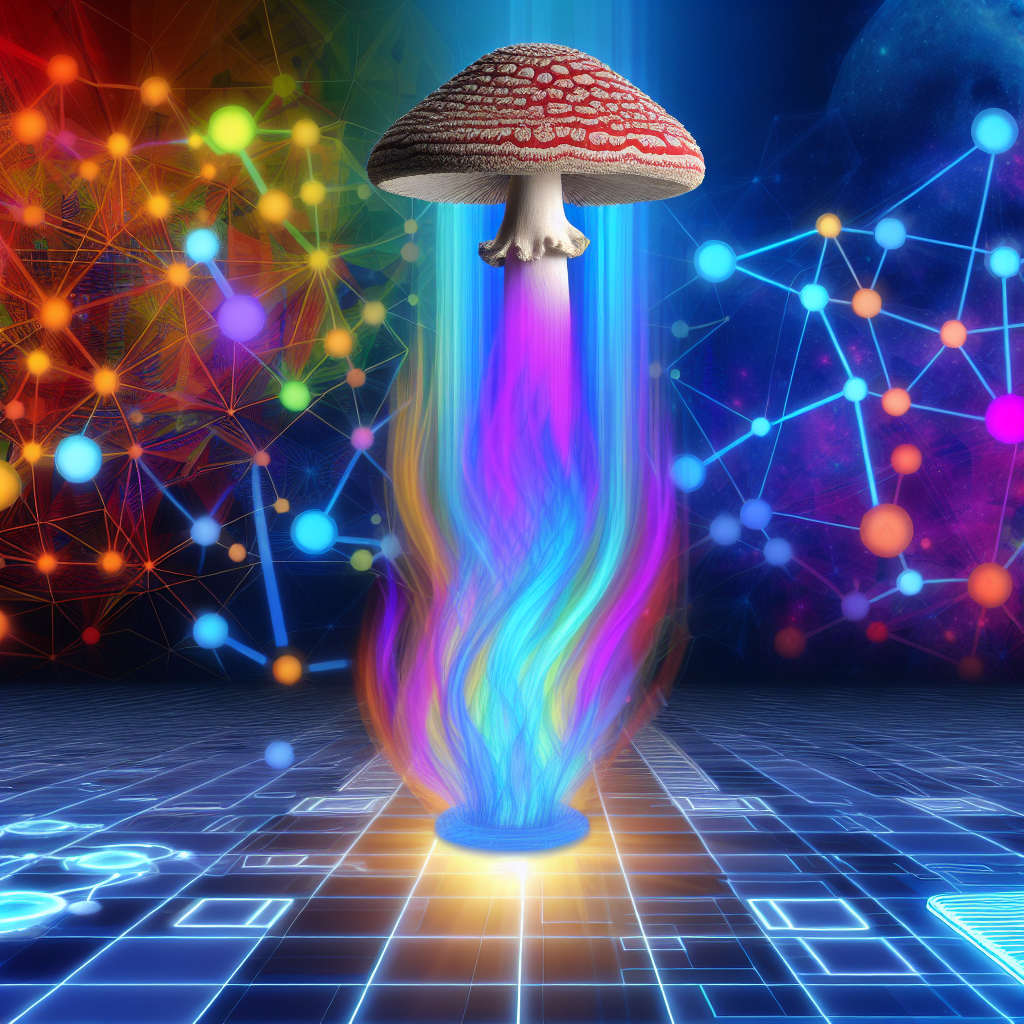
In recent years, an extraordinary fusion of the seemingly disparate fields of **quantum biology** and **psychedelic science** has begun to push the boundaries of our understanding of **consciousness** and the mysteries of the human mind. At the heart of this converging frontier lies the potent **psychedelic mushroom**, renowned for its psychoactive compound, **psilocybin**. Researchers investigating the complexities of **quantum mechanics** and the biological processes that govern living organisms are discovering intriguing links with the **consciousness-altering** abilities of psychedelic substances. This novel approach offers a new lens through which consciousness is viewed as a complex interplay of **biological** and **quantum processes**.
Quantum biology, an emerging scientific discipline, explores how quantum mechanics—principles that describe peculiar behaviors of particles at atomic and subatomic levels—operate within **biological systems**. Traditionally, biology has adhered to **classical physics**, but quantum biology provides a deeper understanding. Reigning prominently are **Psilocybin-containing mushrooms** like the **Psilocybe genus**, which may exert their effects through potential **quantum-level interactions**.
On the reverse side, **psychedelic science** has re-emerged from the shadows of skeptical 20th-century regulation. Today, it is a subject of rigorous scientific study. **Psychedelics** such as psilocybin show promise in treating mental health conditions like **depression**, **anxiety**, and **PTSD**, while also fostering profound experiences of **unity**, **insight**, and **spiritual connection**.
Features
Professional and **medical studies** are venturing into the intersections of quantum biology and psychedelics, yielding astonishing insights. A particularly interesting area is how **quantum mechanics** might play a role in the psychedelic experience. A study published in the journal [Nature](https://www.nature.com/) highlights how **electron tunneling**—a quantum phenomenon—could be occurring in brain receptors affected by psychedelics, altering neural communication pathways. This process occurs in serotonin receptors, primarily the **5-HT2A receptor**, activated by psilocybin.
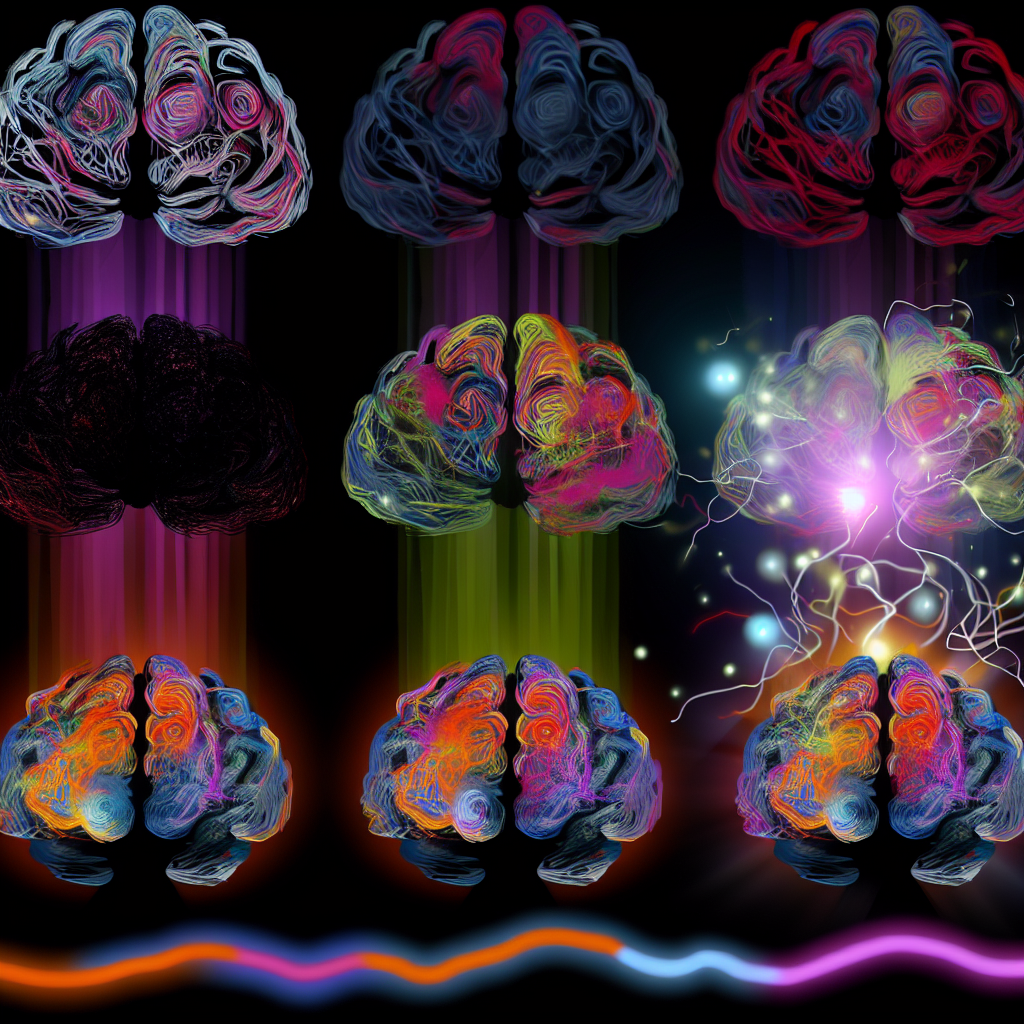
At institutions such as [Imperial College London](https://www.imperial.ac.uk/psychedelic-research-centre/), researchers utilize **neuroimaging techniques** to observe **brain activity** under the influence of psychedelics. These studies have revealed a “**hyperconnected**” state, characterized by increased global connectivity in the brain. This enhanced connectivity is analogous to **quantum coherence**, wherein particles act as coupled entities across distances—a concept explored in quantum biology.
Additionally, institutions such as [John Hopkins University](https://hopkinspsychedelic.org/) are studying the potential therapeutic effects of psilocybin. Controlled clinical trials demonstrate psilocybin’s efficacy in reducing symptoms in patients with treatment-resistant **depression** and **existential anxiety**. These studies suggest that psilocybin can recalibrate brain circuits associated with mood and perception, potentially influenced by emerging quantum theories.
Another captivating area of exploration is **entanglement**—a key principle in quantum mechanics where particles become interconnected, influencing each other’s states. Speculative theories propose that psychedelic substances might induce a form of mental or neural “entanglement,” leading to experiences of **oneness** or **unity** reported during psychedelic sessions.
Ultimately, these connections between **quantum biology** and **psychedelics** remain under investigation, but their implications are profound. A multidisciplinary approach could lead to breakthrough therapies and a deeper understanding of **conscious awareness**.
Conclusion
As we continue investigating the convergence of **quantum biology** and **psychedelic science**, we are poised to reveal the enigmatic nature of consciousness further. This interdisciplinary study not only illuminates the workings of the human mind but also promises novel therapeutic strategies, potentially revolutionizing **mental health treatment**. With expanding understanding comes the possibility of unlocking the full potential of human consciousness through the integration of **science**, **biology**, and **psychedelics**.
References
1. [Nature Journal](https://www.nature.com/)
2. [Imperial College Study – Psychedelic Research](https://www.imperial.ac.uk/psychedelic-research-centre/)
3. [John Hopkins University Psilocybin Study](https://hopkinspsychedelic.org/)
Concise Summary
The intersection of **quantum biology** and **psychedelic science** is reshaping our understanding of **consciousness**. By exploring the effects of **psilocybin** through a quantum lens, researchers are unveiling new insights into the mind’s mysteries. Notably, studies in **quantum mechanics** suggest potential **quantum-level interactions** with brain receptors, offering a glimpse into consciousness’s complexity. Institutions like [Imperial College London](https://www.imperial.ac.uk/psychedelic-research-centre/) and [John Hopkins University](https://hopkinspsychedelic.org/) have shown psilocybin’s promising effects on mental health. This interdisciplinary approach hints at innovative mental health therapies and paves the way for exploring human consciousness in unprecedented ways.

Dominic E. is a passionate filmmaker navigating the exciting intersection of art and science. By day, he delves into the complexities of the human body as a full-time medical writer, meticulously translating intricate medical concepts into accessible and engaging narratives. By night, he explores the boundless realm of cinematic storytelling, crafting narratives that evoke emotion and challenge perspectives. Film Student and Full-time Medical Writer for ContentVendor.com