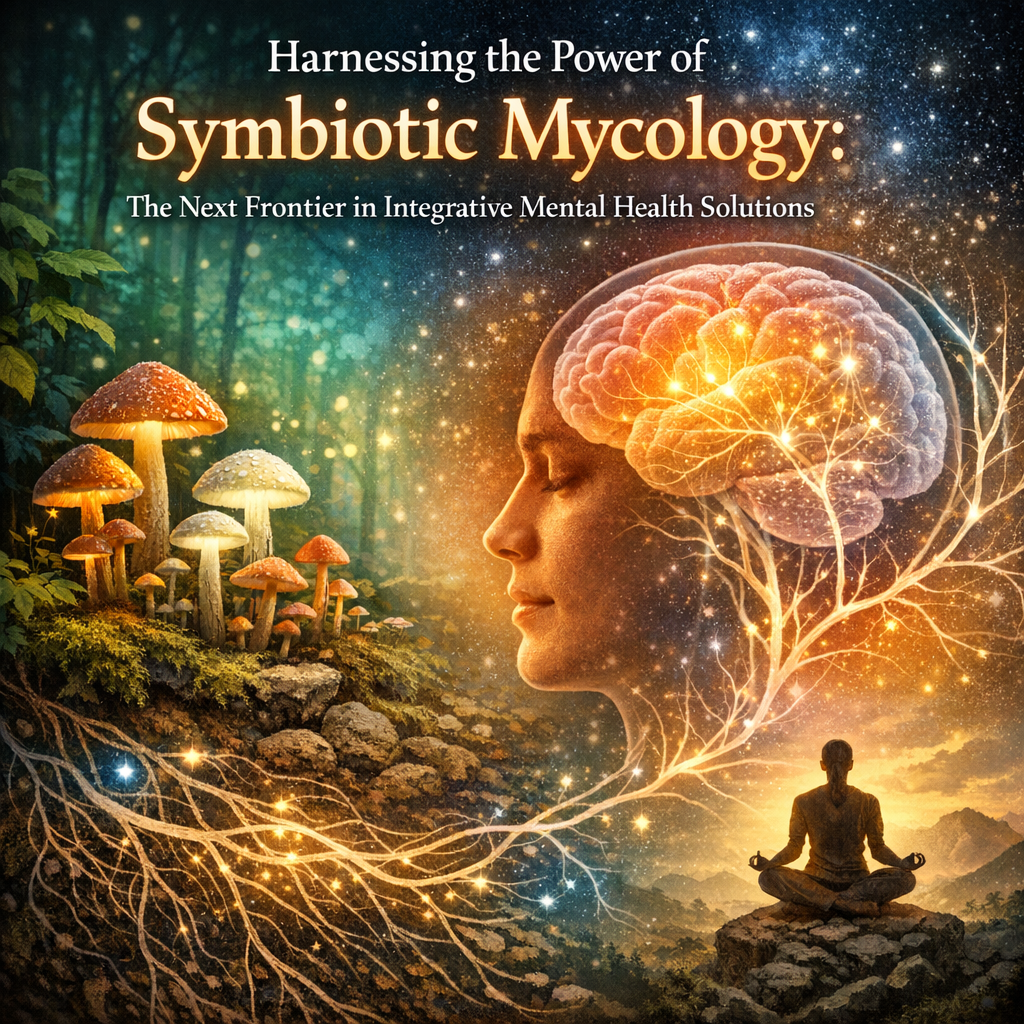
Harnessing the Power of Symbiotic Mycology: The Next Frontier in Integrative Mental Health Solutions
In recent years, the **mental health** community has witnessed a paradigm shift, gravitating towards innovative and integrative solutions that transcend conventional pharmacotherapy. As the search for more holistic and effective treatments intensifies, researchers have turned their attention to an unlikely but ancient source of healing: **mushrooms**. These fascinating organisms have a long history of use in traditional medicine, and their symbiotic relationship with humans is now emerging as a transformative force in integrative mental health solutions. Welcome to the frontier of **symbiotic mycology**.
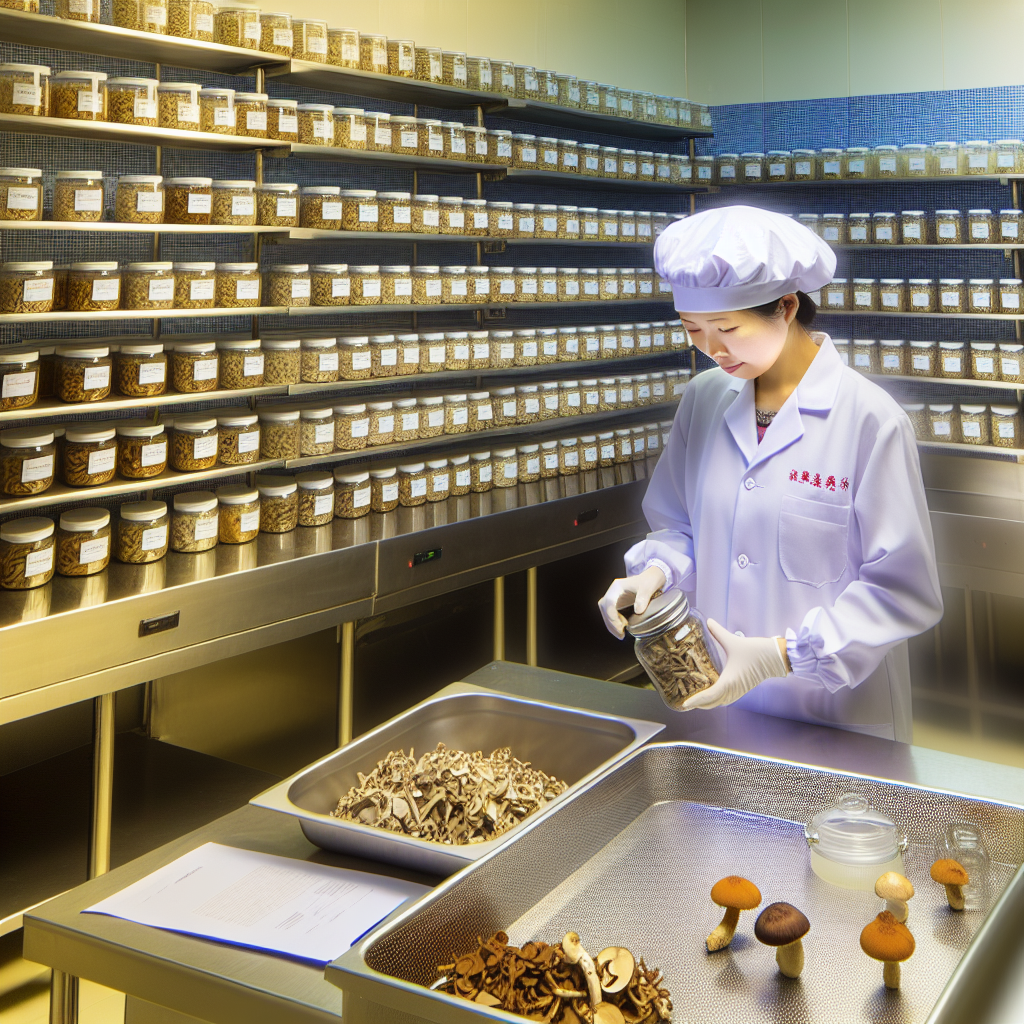
**Mushrooms** have been utilized for centuries across different cultures for their medicinal properties. **Fungi** are known for their adaptogenic qualities, supporting the body’s ability to cope with stress, skew mental states, and promote overall wellness. It’s this symbiotic relationship—where both human and fungus benefit—that holds promise for those seeking to manage mental health challenges more naturally and effectively.
Recent studies have identified specific compounds within **mushrooms** that interact with neurological pathways, offering potentially profound implications for mental health treatment. **Psilocybin**, the active compound in certain psychedelic mushrooms, has garnered significant attention for its powerful therapeutic effects, particularly in the treatment of **depression**, **anxiety**, and **PTSD**. Beyond psychedelic varieties, other medicinal mushrooms like **Lion’s Mane** and **Reishi** are being recognized for their ability to enhance cognitive functioning, reduce anxiety, and boost mood stability.
The exploration of **mycology** is not merely limited to its psychological benefits. With the rise of **antibiotic resistance** and the constant need for new immune-supportive therapies, mushrooms present a fascinating avenue for treatment. They possess bioactive compounds that have antimicrobial, antiviral, and anti-inflammatory properties. Such remarkable attributes position mushrooms as a complementary therapy that can dovetail with conventional treatments to optimize mental health outcomes.
As we stand on the brink of a mental health revolution, the symbiotic relationship between mushrooms and human physiology presents a goldmine of opportunities to explore. This article delves into the latest scientific studies supporting the therapeutic role of mushrooms, highlighting their role as a synergistic partner in the pursuit of greater mental, emotional, and physical well-being.
Recent Scientific Explorations
In recent scientific explorations, solid evidence has emerged illustrating the potential benefits of mushrooms in mental health therapy. Research into **psilocybin**, a compound found in psychedelic mushrooms, demonstrates its promising effects in alleviating symptoms of severe depression and anxiety disorders. A landmark study conducted by [Johns Hopkins University](https://www.hopkinsmedicine.org/) found that patients experiencing major depressive disorders reported significant symptom relief following psilocybin-assisted therapy, with effects lasting up to a month after treatment.
**Psilocybin** works by interacting with **serotonin receptors** in the brain, particularly the **5-HT2A receptor**. This interaction leads to altered states of consciousness and perception, allowing for the reconsolidation of negative memories and patterns. Such therapeutic potential suggests that psilocybin could be integrated into a broader mental health treatment regimen, offering a holistic alternative to traditional antidepressants.
Beyond psilocybin, non-psychedelic mushrooms like **Lion’s Mane** (*Hericium erinaceus*) are attracting attention for their neuroprotective properties. A 2016 study published in the [Journal of Agricultural and Food Chemistry](https://pubs.acs.org/) discovered that Lion’s Mane promotes the generation of nerve growth factors, proteins essential for nerve cell health and repair. Such capabilities are especially promising in the arena of neurodegenerative disorders, where cognitive function is often compromised.
Similarly, **Reishi mushrooms** (*Ganoderma lucidum*) have demonstrated adaptogenic and anxiolytic properties. A study published in [BioMed Research International](https://www.hindawi.com/) noted the potential anti-anxiety effects of Reishi extracts, making them valuable for stress management.
As the field of **mycology** continues to grow, so does our understanding of the vast array of bioactive compounds present in mushrooms and their potential health benefits. Current and future research is expected to unravel more about these fungi’s capabilities, positioning symbiotic mycology as a cornerstone of integrative mental health solutions.
Conclusion
The integration of **symbiotic mycology** into mental health treatments represents an exciting new frontier for holistic care. With their extensive history and scientifically-backed benefits, **mushrooms** have the potential to redefine how mental health issues are addressed, offering unprecedented opportunities for treatment. As scientific exploration advances, the therapeutic symbiosis between humans and fungi promises to yield a balanced and effective approach to mental well-being.
Concise Summary
The integrative use of **mushrooms** in mental health solutions presents promising alternative therapies that transcend conventional medicine. With a history of traditional use and emerging scientific validation, compounds like **psilocybin** show potential in treating disorders such as depression and **anxiety**. Non-psychedelic varieties like **Lion’s Mane** and **Reishi** are also recognized for their cognitive and stress-reducing benefits. As research into **symbiotic mycology** progresses, there lies a transformative opportunity for holistic mental well-being, leveraging the natural symbiosis between fungi and human physiology.
References
– [Johns Hopkins Medicine: Psilocybin Study](https://www.hopkinsmedicine.org/)
– [ACS Publications: Lion’s Mane Research](https://pubs.acs.org/)
– [Hindawi: Reishi Study](https://www.hindawi.com/)

Dominic E. is a passionate filmmaker navigating the exciting intersection of art and science. By day, he delves into the complexities of the human body as a full-time medical writer, meticulously translating intricate medical concepts into accessible and engaging narratives. By night, he explores the boundless realm of cinematic storytelling, crafting narratives that evoke emotion and challenge perspectives. Film Student and Full-time Medical Writer for ContentVendor.com