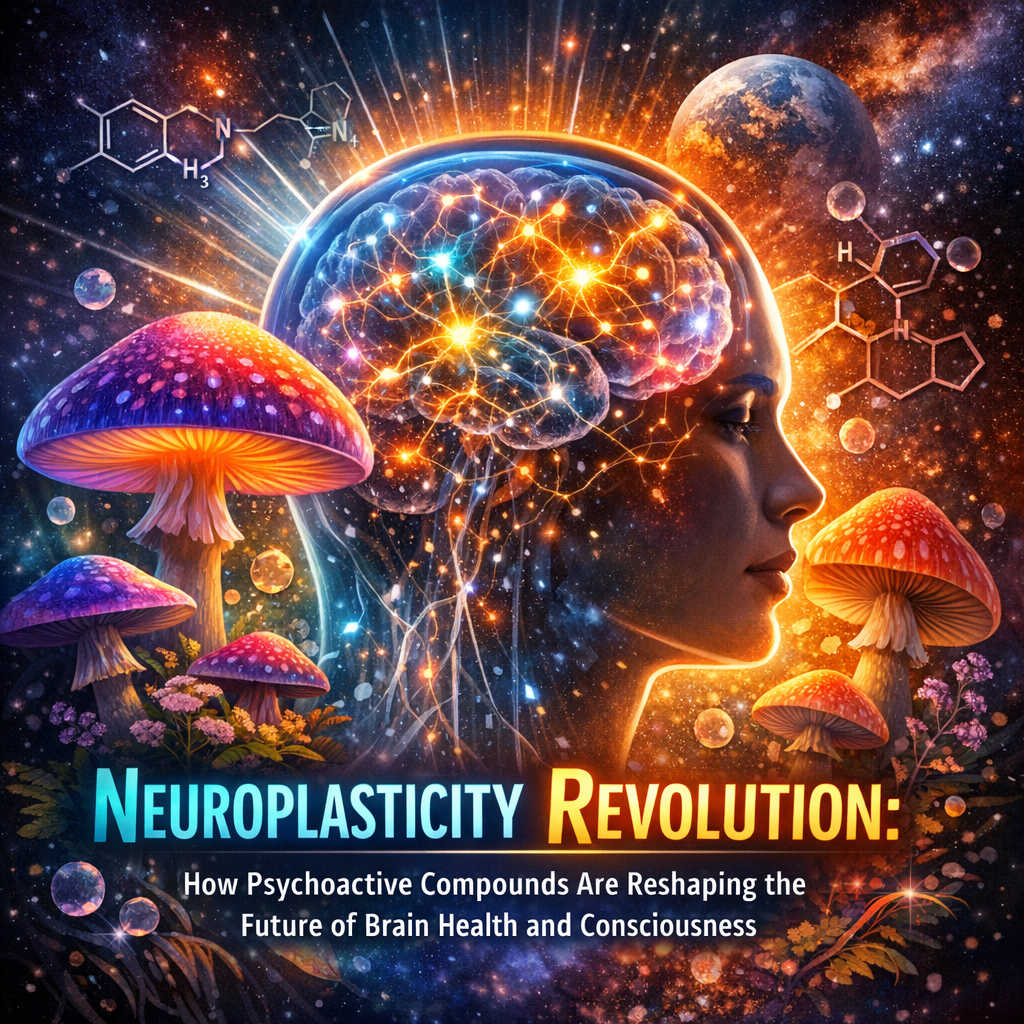
Neuroplasticity Revolution: How Psychoactive Compounds Are Reshaping the Future of Brain Health and Consciousness
Introduction
In recent years, the discourse surrounding **brain health** has been invigorated by groundbreaking research into **neuroplasticity**—the brain’s ability to reorganize itself by forming new neural connections. This remarkable adaptability not only supports cognitive function but also holds the potential for profound therapeutic applications. Among the most exciting contributors to this emerging field are **psychoactive compounds**, notably **psilocybin**, the psychoactive ingredient found in certain strains of mushrooms. As we increasingly acknowledge the limitations and adverse effects of traditional pharmaceuticals, natural compounds like psilocybin are gaining attention for their potential to treat a range of neurological and psychological conditions.
Historically relegated to the fringes of medical research, **psychoactive mushrooms** and their compounds are now entering the mainstream, forming the cornerstone of a **neuroplasticity revolution** that could transform brain health. Leading studies indicate that psilocybin can stimulate brain plasticity, which lies at the heart of its potential therapeutic effects. Psilocybin interacts with **serotonin receptors** in the brain, a process believed to precipitate a cascade of neurological changes. These changes can enhance mood, alleviate depression, and even reduce the symptoms of anxiety.
Moreover, the broader applications of psychoactive compounds for brain health extend beyond treating mental illness. They offer insights into the very nature of **consciousness**—a subject that has long eluded scientific understanding. The psychedelic experience itself can induce a state of enhanced connectivity and open the door to new ways of thinking, feeling, and existing. As research progresses, the implications of these compounds for enhancing mental resilience, creativity, and empathy continue to unfold. Public interest is burgeoning, and the scientific community is answering the call with rigorous studies, paving the way for a future where psychoactive compounds are not just seen as therapeutic, but as tools for cognitive enhancement and spiritual awakening.
Features
As the world stands on the precipice of a **neuroplasticity revolution**, several studies are leading the way in understanding how psychoactive compounds reshape brain health. One such landmark study, conducted by researchers at **Imperial College London**, explored psilocybin’s effects on **treatment-resistant depression**. The study found that psilocybin markedly improved depressive symptoms, a breakthrough that suggests the compound’s potential to shift long-standing negative cognitive patterns through neural reorganization [Imperial College London study](https://www.imperial.ac.uk/news/199026/psilocybin-treats-depression-by-resetting-brain/).
Further evidence from **Johns Hopkins Medicine** showcases psilocybin’s capacity to reduce existential distress and depression in patients with life-threatening cancer diagnoses. The study revealed that psilocybin could facilitate a significant shift in emotional processing, helping participants achieve a state of acceptance and peace amidst their circumstances [Johns Hopkins Medicine study](https://www.hopkinsmedicine.org/news/media/releases/single_dose_of_hallucinogenic_drug_psilocybin_relieves_anxiety_depression_in_patients_with_advanced_cancer).
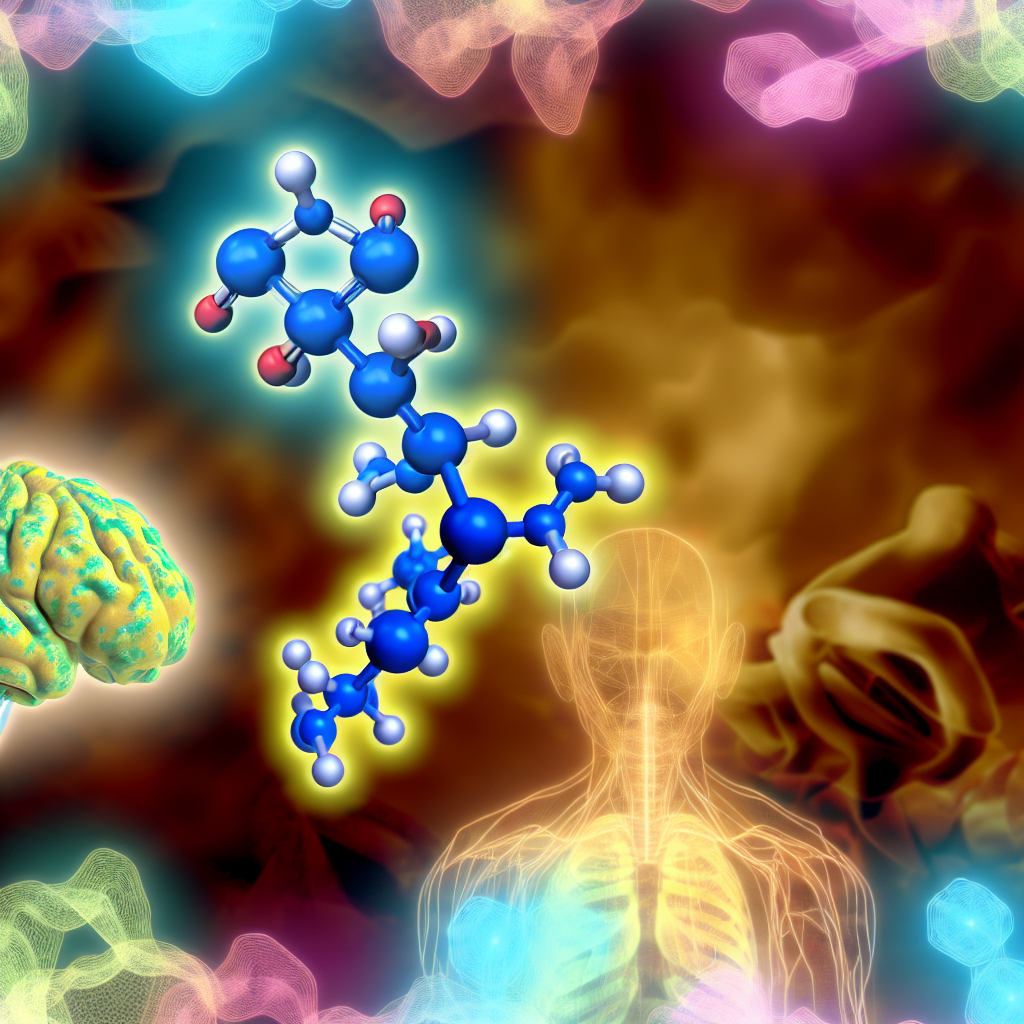
Additionally, the mechanism by which psilocybin enhances neuroplasticity is supported by neuroscience. A 2018 study published in “Cell Reports” demonstrated that psilocybin increases the number of **dendritic spines**, the tiny protrusions on neuronal branches that facilitate synaptic connections. This synaptogenic effect is indicative of increased neural plasticity, allowing the brain to rewire itself more efficiently in response to new information or experiences [Cell Reports study](https://www.cell.com/cell-reports/fulltext/S2211-1247(18)30183-5).
The promise of psilocybin also extends to neural conditions such as **PTSD** and **addiction**, where traditional treatments have often fallen short. The U.S. **Multidisciplinary Association for Psychedelic Studies** has spearheaded research into psychedelics like MDMA, yet psilocybin’s capabilities are similarly compelling. The compound’s ability to dissolve cognitive rigidity offers a new frontier for conditions characterized by deeply ingrained thought patterns and behaviors, potentially enabling patients to break free from their psychological constraints.
Conclusion
The exploration of psychoactive compounds, such as psilocybin, marks an exciting and transformative era in our understanding of **brain health** and **consciousness**. As scientific research continues to unearth the profound neuroplastic potential of these substances, they may well redefine therapeutic approaches to mental health and open new pathways for personal growth and transformation. While more research is needed, the horizon appears promising—offering hope for a future where the synergy between nature and neuroscience unlocks the full potential of the human mind.
**References**
– [Imperial College London study](https://www.imperial.ac.uk/news/199026/psilocybin-treats-depression-by-resetting-brain/)
– [Johns Hopkins Medicine study](https://www.hopkinsmedicine.org/news/media/releases/single_dose_of_hallucinogenic_drug_psilocybin_relieves_anxiety_depression_in_patients_with_advanced_cancer)
– [Cell Reports study](https://www.cell.com/cell-reports/fulltext/S2211-1247(18)30183-5)
**Concise Summary**
The exploration of psychoactive compounds like **psilocybin** is transforming our understanding of **brain health** and **consciousness** through its impact on **neuroplasticity**. Emerging research highlights its potential to improve mental health conditions such as depression, anxiety, **PTSD**, and addiction by enhancing **synaptic connections** and **neural plasticity**. Beyond therapeutic uses, psilocybin provides insights into the nature of consciousness, suggesting future applications in cognitive enhancement. Scientific studies at **Imperial College London** and **Johns Hopkins** underscore psilocybin’s promising capabilities, forecasting a synergistic future between nature and neuroscience for human cognitive advancement.

Dominic E. is a passionate filmmaker navigating the exciting intersection of art and science. By day, he delves into the complexities of the human body as a full-time medical writer, meticulously translating intricate medical concepts into accessible and engaging narratives. By night, he explores the boundless realm of cinematic storytelling, crafting narratives that evoke emotion and challenge perspectives. Film Student and Full-time Medical Writer for ContentVendor.com