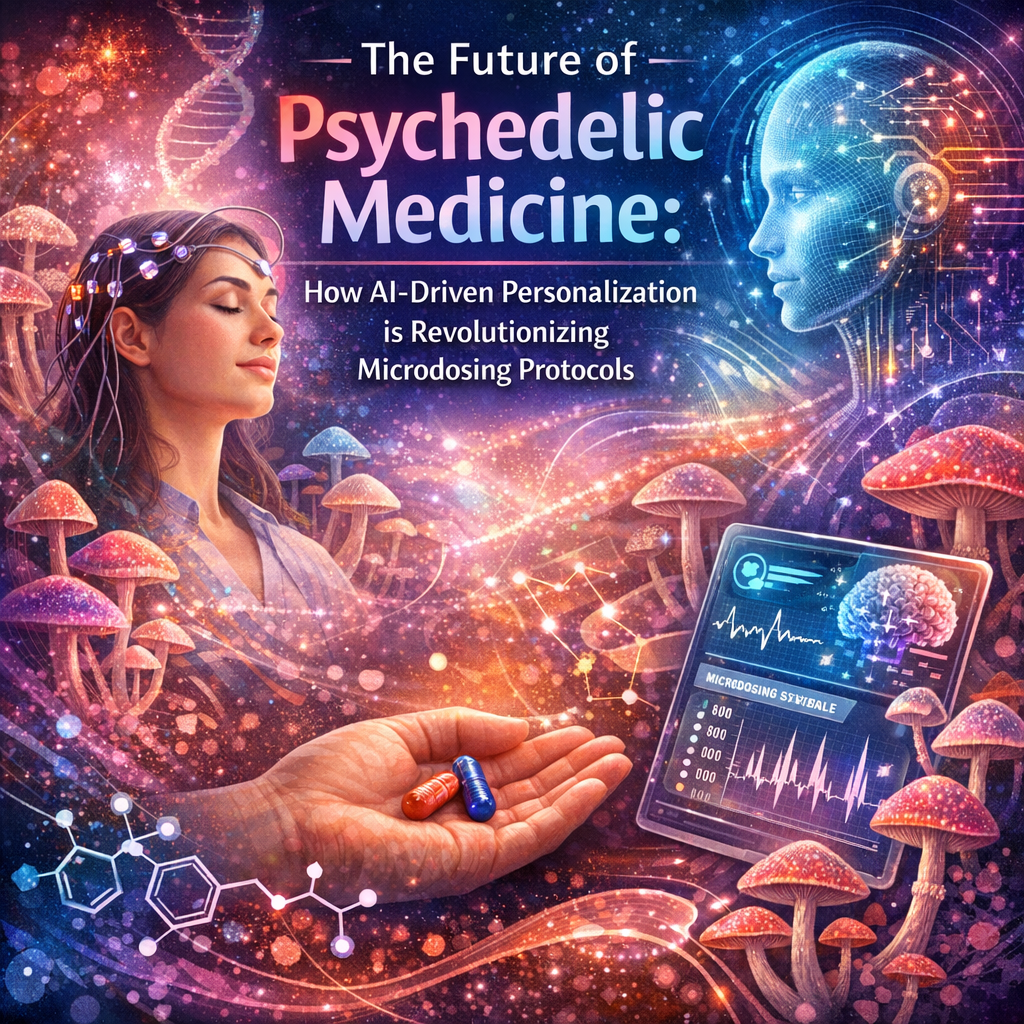
The Future of Psychedelic Medicine: How AI-Driven Personalization is Revolutionizing Microdosing Protocols
Introduction
As the world of psychiatric and psychological treatment continues to evolve, **psychedelic medicine** has emerged as a fascinating frontier. After decades of stigmatization, substances such as **psilocybin**—the active compound found in magic mushrooms—are gaining attention for their potential therapeutic benefits. Among the burgeoning interest in these substances, **microdosing** has become a particular focus. Microdosing involves consuming sub-hallucinogenic amounts of a psychedelic substance to improve **mental health**, enhance creativity, and boost overall well-being. This practice has caught the eyes of researchers, innovators, and **mental health professionals** alike.
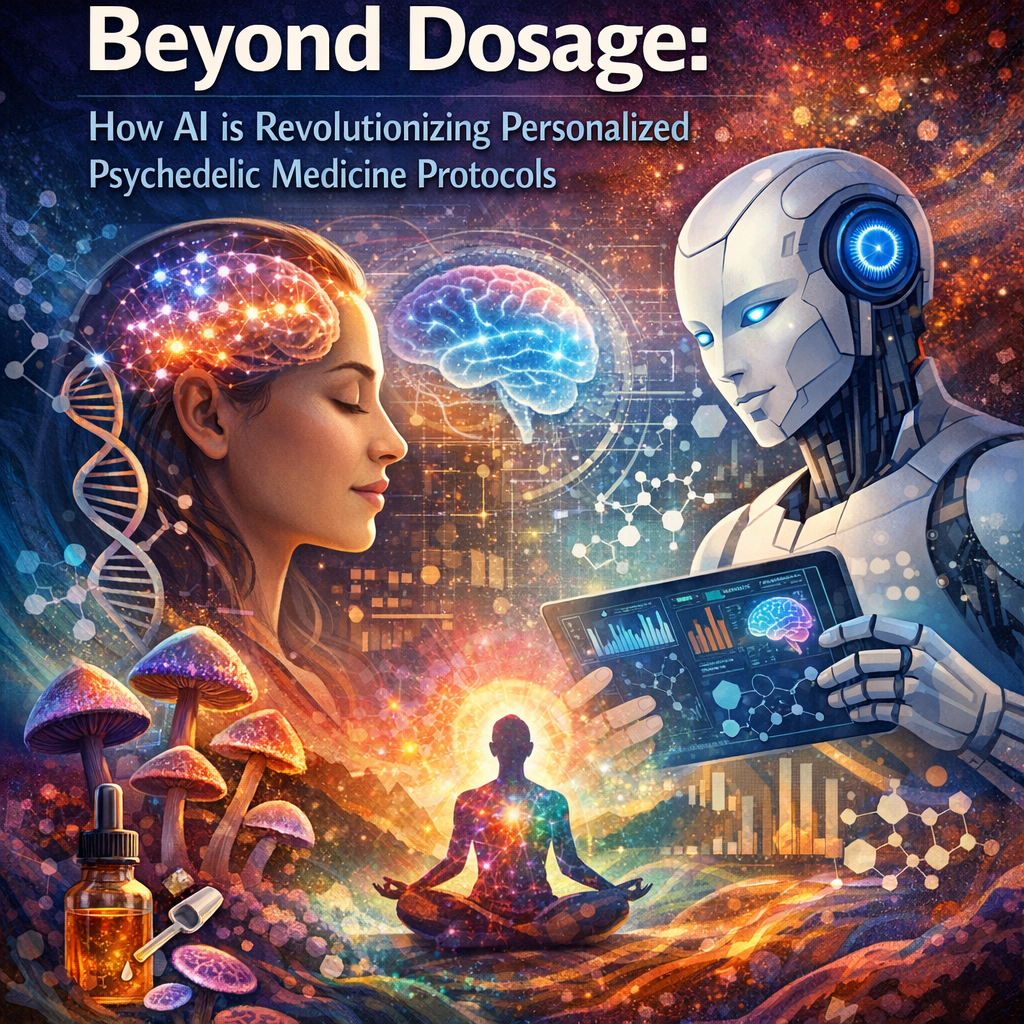
However, like any treatment, one size does not fit all. Enter the transformative power of **Artificial Intelligence (AI)** in psychedelics. AI is revolutionizing how we approach microdosing protocols by offering tailored experiences that account for individual differences. In the age of personalized medicine, AI-driven personalization aims to assess variables such as **genetic predisposition**, mental health history, lifestyle factors, and even metabolic rates to optimize dosing strategies. This degree of personalization holds the potential to significantly improve the effectiveness and safety of microdosing practices.
AI algorithms can sift through troves of data much quicker than humans, identifying patterns and generating insights that could otherwise take years to uncover. Machine learning models can predict how individuals might respond to different dosing schedules and compounds, creating bespoke plans that are continually refined as more data is collected. This integration of AI offers a new lens through which we can understand the impacts and benefits of microdosing, leading us closer to evidence-based practices that prioritize individual health outcomes.
As the psychedelic renaissance progresses, the role of AI-driven microdosing could very well become a cornerstone of personalized mental health care. This transformation is both promising and necessary, as millions around the globe seek more individualized solutions to mental health challenges. Through collaboration between data scientists, neuroscientists, and mental health practitioners, a new era of tailored psychedelics in medicine is not only possible but inevitable.
**Expansion**: Understanding how AI enables this personalization is crucial. By utilizing advanced machine learning algorithms, AI can parse data from **genomic sequences**, metabolic pathways, and environmental factors to craft unique dosing regimens. This personalization extends to predicting potential interactions with conventional medications, reducing the risk of adverse effects, and enhancing overall therapeutic outcomes.
Features
The scientific community has begun taking psychedelic drugs seriously as potential therapeutic agents, primarily due to recent studies showcasing their efficacy in treating mental health disorders. For instance, a study published in [*The New England Journal of Medicine*](https://www.nejm.org/doi/full/10.1056/NEJMoa2032994) found that psilocybin significantly reduced symptoms of **major depressive disorder** compared to conventional treatments.
Though promising, these studies often face limitations: most are conducted within tightly controlled environments, and results can vary widely based on individual factors. This is where AI-driven personalization enters the equation to fine-tune therapeutic interventions in real-time. Traditional methodologies can benefit enormously from AI’s ability to make sense of diverse data types—from genetic to environmental—while helping refine microdosing guidelines.
A recent study at [Johns Hopkins University](https://hopkinspsychedelic.org/study) explored the potential of AI in improving psychedelic-assisted therapy. The research team utilized machine learning models to predict the effectiveness of varying microdose levels on participants based on their genomic data, biochemical markers, and even psychological questionnaires. The study suggested that AI could reduce adverse effects while enhancing therapeutic outcomes, marking a pivotal step toward safer psychedelic practices.
Furthermore, a groundbreaking endeavor known as the “Psilocybin Predictive Framework,” launched in collaboration with multiple research institutions, has focused on developing an AI system that considers personalized elements when suggesting microdosing regimens. This initiative offers hope for creating more predictive and adaptable treatment plans tailored to each user’s unique profile.
**Expansion**: By involving AI, the framework proactively addresses issues such as dosage optimization and adverse reaction mitigation. Researchers are continuously refining these models based on real-world applications, increasing both the effectiveness and reliability of psychedelic treatments.
Conclusion
The integration of AI into **psychedelic medicine** represents a revolutionary step in mental health care, offering personalized microdosing protocols that account for individual differences. As research continues to validate the therapeutic benefits of psychedelics, AI-driven personalization can enhance safety, efficacy, and accessibility. As a result, we stand at the cusp of a new era in mental health treatment—one where science, technology, and well-being converge to create tailored healing pathways for the mind and soul.
**Concise Summary**: Psychedelic medicine is gaining momentum as a treatment for mental health disorders, with particular focus on microdosing. AI innovations promise to revolutionize this field by personalizing treatments, analyzing data faster, and optimizing protocols based on individual differences. As this technology matures, it could become a cornerstone of mental health care, aligning with the modern shift towards precision healthcare that factors in genetic, lifestyle, and environmental variables for each patient.

Dominic E. is a passionate filmmaker navigating the exciting intersection of art and science. By day, he delves into the complexities of the human body as a full-time medical writer, meticulously translating intricate medical concepts into accessible and engaging narratives. By night, he explores the boundless realm of cinematic storytelling, crafting narratives that evoke emotion and challenge perspectives. Film Student and Full-time Medical Writer for ContentVendor.com