Exploring the Future of Psychedelic Medicine: AI’s Role in Revolutionizing Psilocybin Research and Integration
Introduction
In recent years, the medicinal use of **psilocybin**, a naturally occurring psychedelic compound found in certain **mushrooms**, has emerged as a promising frontier in **mental health treatment**. Historically, **psilocybin mushrooms** have been revered in **indigenous traditions** for their psychological and spiritual benefits. Nowadays, with the escalating mental health crisis exacerbated by modern-day societal pressures, scientists and medical professionals are giving psilocybin the attention it deserves as an alternative therapeutic option.
**Psilocybin therapy** has been shown to have transformative potential in treating various mental health issues, including **depression**, **anxiety**, **PTSD**, and **substance addiction**. The compound interacts with **serotonin receptors** in the brain, inducing states of altered consciousness that can facilitate profound therapeutic insights and emotional releases. Despite these promising benefits, the journey from traditional shamanic ceremony to a regulated medical treatment pathway faces numerous challenges, particularly concerning the legality and standardization of mushroom-based therapies.
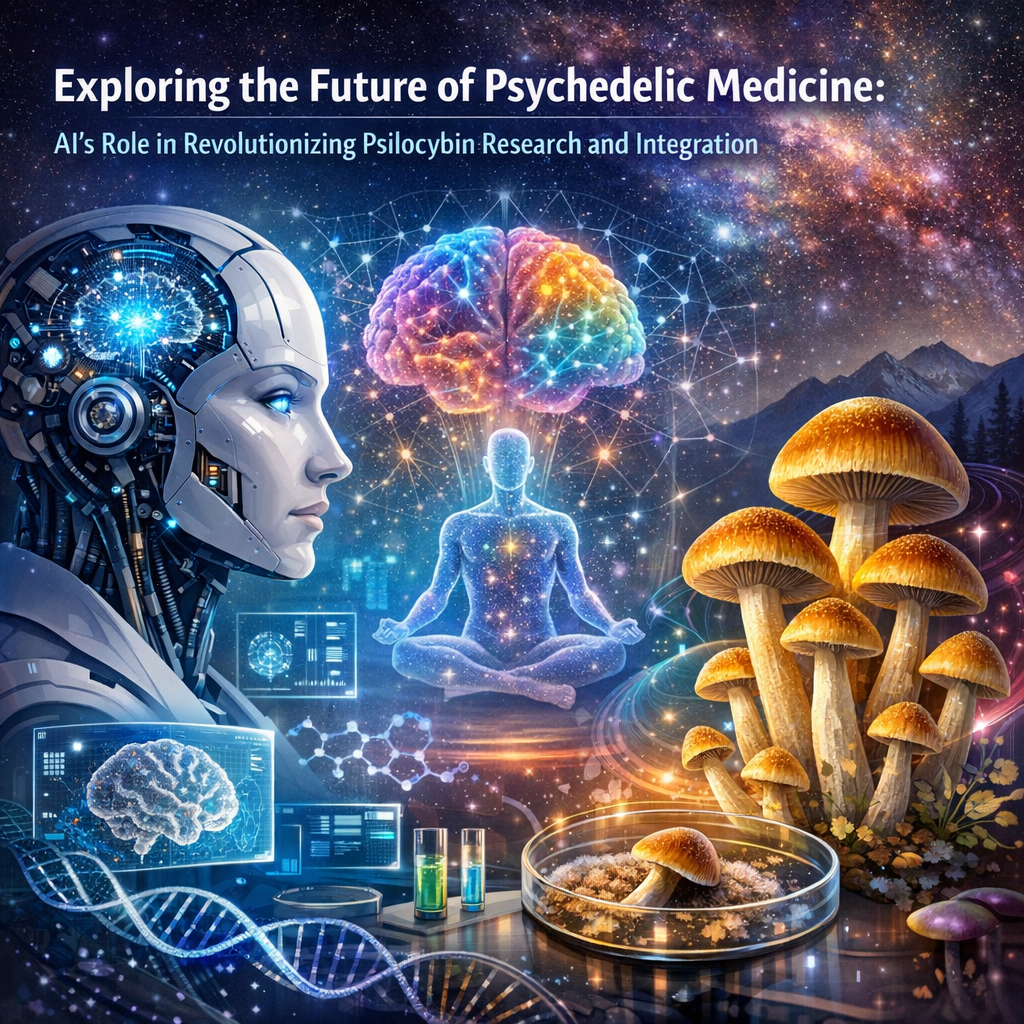
Enter **artificial intelligence (AI)**, a groundbreaking tool poised to revolutionize the research and integration of psilocybin in modern medicine. From enhancing research methodologies to personalizing treatment protocols, AI stands to automate and optimize the development and application of psychedelic therapies. AI’s advanced data analysis capabilities are crucial for navigating the complexity and variability inherent in psychedelic experiences, aiding researchers in understanding how and why psilocybin works for some and not others.
As global perspectives on psychedelics shift, understanding the synergy between AI and psilocybin research is paramount. The collaboration promises to expedite the development of psychedelics as mainstream medical treatments, potentially unlocking new therapeutic avenues for mental health care. This article aims to delve into how AI is being harnessed to propel psilocybin research forward, examining professional studies that underscore the immense potential of this partnership.
Features
The integration of AI into the realm of **psychedelic research** has been nothing short of transformative. Several pioneering studies illuminate the potential of AI in advancing psilocybin research and its integration into therapeutic settings.
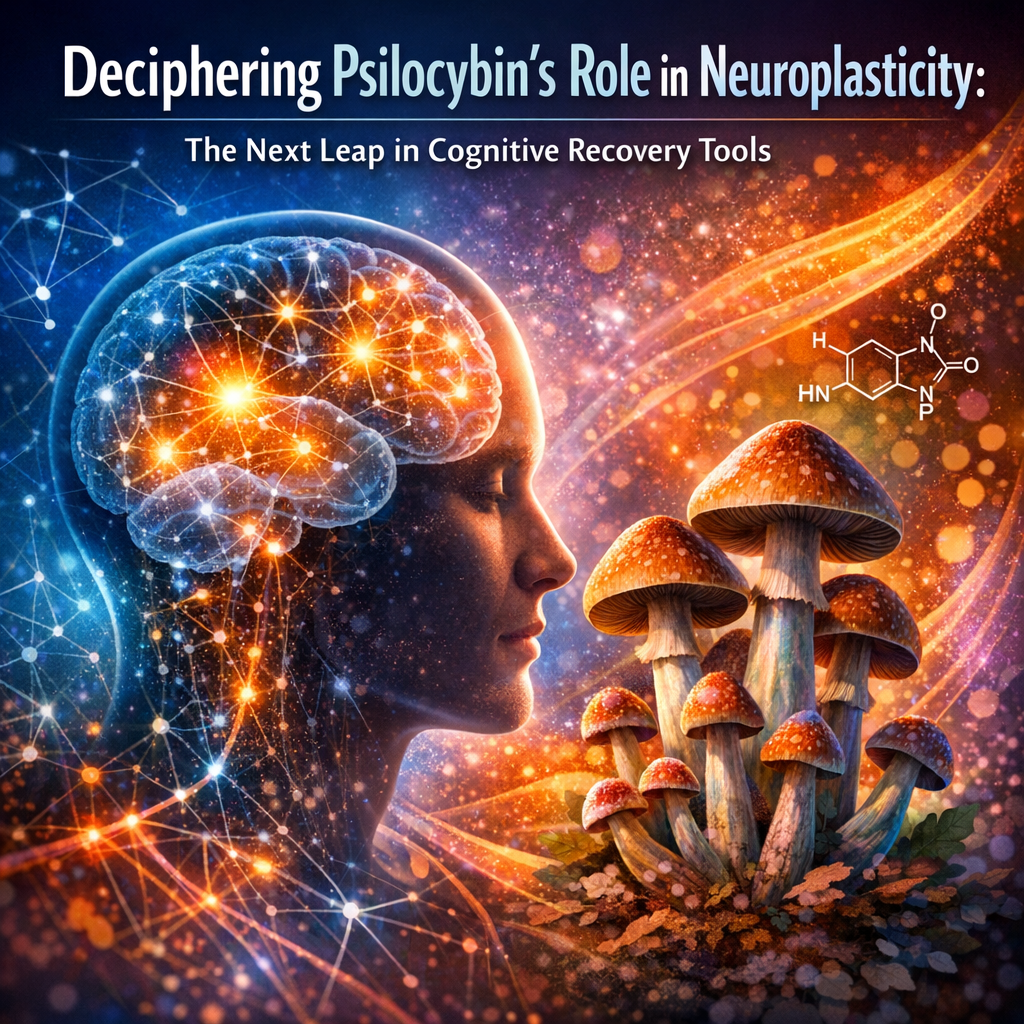
One notable study published in [Nature Medicine](https://www.nature.com/articles/s41591-019-0436-9) utilized AI algorithms to map psilocybin’s effects on the brain. Researchers deployed **machine-learning models** to analyze **fMRI scans** of the brain in altered states induced by psilocybin. The AI was instrumental in identifying patterns associated with brain activity more accurately and quickly than traditional methods. This comprehensive analysis contributes vital knowledge about how psychedelics alter neural connectivity and pave pathways for **neuroplasticity**, an essential element in mental health treatment.
Moreover, AI’s capability to process vast datasets enables researchers to streamline and enhance **clinical trials**, reducing both time and cost. With AI assistance, trials can discern which individuals are most likely to benefit from psilocybin therapy and under what conditions it is most effective. A recent clinical trial led by [Johns Hopkins University](https://hopkinspsychedelic.org) showcased AI’s role in identifying candidate profiles for psilocybin therapy, offering a blueprint for personalized treatment strategies that enhance therapeutic outcomes.
Furthermore, AI-driven platforms are being developed to deliver real-time mental health support through **virtual reality (VR)** interfaces, guiding patients through psilocybin-assisted therapy sessions. These platforms can simulate therapeutic environments, offering tools for mindfulness and emotional processing, thus enhancing the therapeutic experience.
Renowned **tech companies** collaborate with psychedelic research institutions, developing integrative platforms that assist therapists in monitoring patient progress in real-time. By implementing AI’s **predictive analytics**, clinicians are better equipped to adapt therapeutic interventions, improving both safety and efficacy in psilocybin-assisted therapies.
As the intersection of AI and psychedelic research continues to evolve, it’s evident that AI holds the potential to address longstanding challenges in mental health treatments, from treatment accessibility to personalization. These advancements offer encouraging glimpses into a future where psilocybin therapy, supported by AI, becomes a cornerstone of comprehensive mental health care.
Conclusion
The convergence of **artificial intelligence** and **psilocybin research** heralds a promising era for **psychedelic medicine**. By enhancing our understanding of psilocybin’s effects and optimizing treatment strategies, AI is instrumental in bridging historical wisdom with modern technological prowess. As research progresses and regulatory landscapes adapt, the integration of AI could well cement psilocybin’s role as an innovative solution in the ongoing quest for effective mental health treatment. As we continue to explore this frontier, the benefits of AI-enhanced psychedelic therapies may unfold, offering transformative potential for millions worldwide.
**Concise Summary:**
This article explores how **artificial intelligence (AI)** is transforming **psilocybin research** and its application in mental health treatment. AI supports researchers in mapping psilocybin’s effects on the brain and optimizes clinical trials by identifying suitable candidates for therapy. Machine-learning models and VR interfaces aid in enhancing therapeutic strategies, ensuring safety and efficacy. As AI addresses challenges like treatment personalization and accessibility, it positions psilocybin therapy as a promising solution to the mental health crisis. The synergy of AI and psychedelic medicine paves the way for innovative, effective treatments, poised to revolutionize mental health care.

Dominic E. is a passionate filmmaker navigating the exciting intersection of art and science. By day, he delves into the complexities of the human body as a full-time medical writer, meticulously translating intricate medical concepts into accessible and engaging narratives. By night, he explores the boundless realm of cinematic storytelling, crafting narratives that evoke emotion and challenge perspectives. Film Student and Full-time Medical Writer for ContentVendor.com