Rethinking Psychedelics: The Role of Neurotech in Augmenting Therapeutic Outcomes
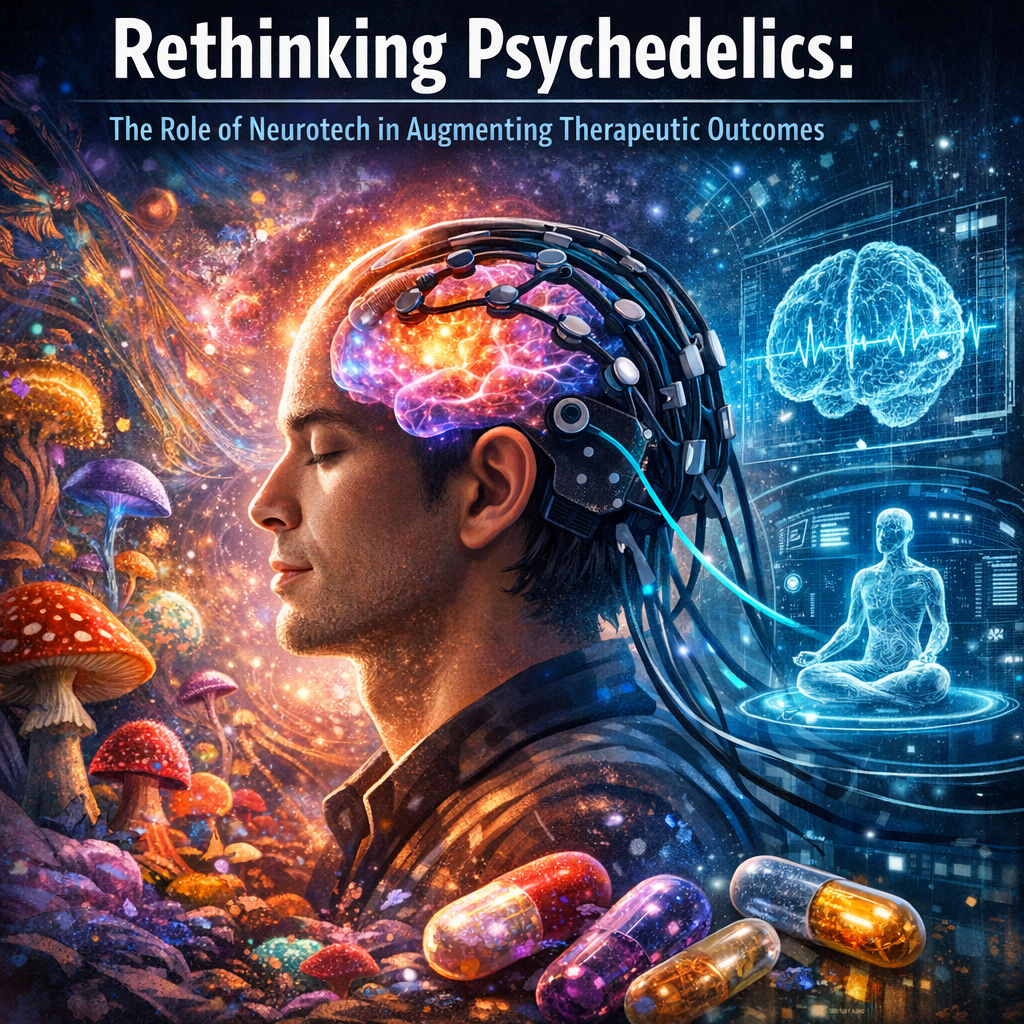
In recent years, the paradigm surrounding **psychedelics** has undergone a remarkable transformation, evolving from a stigmatized topic to a frontier for therapeutic exploration. Among these substances, **psilocybin**—found in certain species of mushrooms—has garnered significant attention for its potential to address a variety of mental health disorders. While traditional psychotherapeutic approaches have harnessed the power of psychedelics, a new ally has emerged in the quest to optimize therapeutic outcomes: **neurotechnology**.
**Neurotechnology**, or **neurotech**, encompasses a range of technologies that interface with the nervous system to monitor or modulate neuronal activity. These innovations, including **brain imaging techniques**, **brain-computer interfaces**, and **neuromodulation devices**, are revolutionizing the way we understand and utilize the effects of psychedelics. The convergence of neurotech and psychedelics offers a promising avenue for addressing the growing mental health crisis by enhancing the precision, safety, and efficacy of psychedelic-assisted therapies.
The integration of neurotech allows clinicians to gather real-time data on brain activity during psychedelic sessions, providing unprecedented insights into how these substances affect neural circuits. For example, **functional magnetic resonance imaging (fMRI)** has revealed patterns of increased connectivity and synchronized brain activity under the influence of psilocybin. These findings align with the subjective experiences of “ego dissolution” and enhanced emotional processing reported by many participants. By understanding these mechanisms, neurotech can help tailor psychedelic treatments to individual needs, potentially maximizing therapeutic benefits and minimizing adverse effects.
Moreover, neurotech can facilitate post-session integration—a critical component of psychedelic therapy. **Brain-computer interfaces**, which translate neurological activity into digital commands, offer the potential for creating customized feedback systems that reinforce positive psychological changes. This aspect is crucial in supporting long-term recovery and personal growth, as it helps patients consolidate new insights and coping strategies gained during the psychedelic experience.
As the landscape of mental health treatment continues to evolve, the synergy between psychedelics and neurotech represents a beacon of hope. By joining forces, these powerful tools could reshape not only how we treat mental health disorders but potentially also how we understand the human mind itself.
Features
Recent studies offer compelling evidence for the role of neurotech in enhancing psychedelic therapies. A landmark study published in the journal Nature explored the effects of psilocybin on patients with treatment-resistant depression. Researchers utilized fMRI to observe brain activity before, during, and after psilocybin sessions, revealing significant changes in brain network dynamics associated with marked reductions in depressive symptoms. This study underscored the potential of neurotech to demystify the neural substrates of psychedelics and guide more personalized therapeutic interventions.
Additionally, research conducted at the University of California, San Francisco, demonstrated promising results using **transcranial magnetic stimulation (TMS)**—a non-invasive neuromodulation technique—in conjunction with psychedelic therapy. TMS was applied post-psilocybin administration, leading to enhanced mood stabilization and cognitive flexibility in patients. The study’s findings suggest that neurotech can extend the benefits of psychedelics beyond the acute phase, offering sustained improvements in mental health.
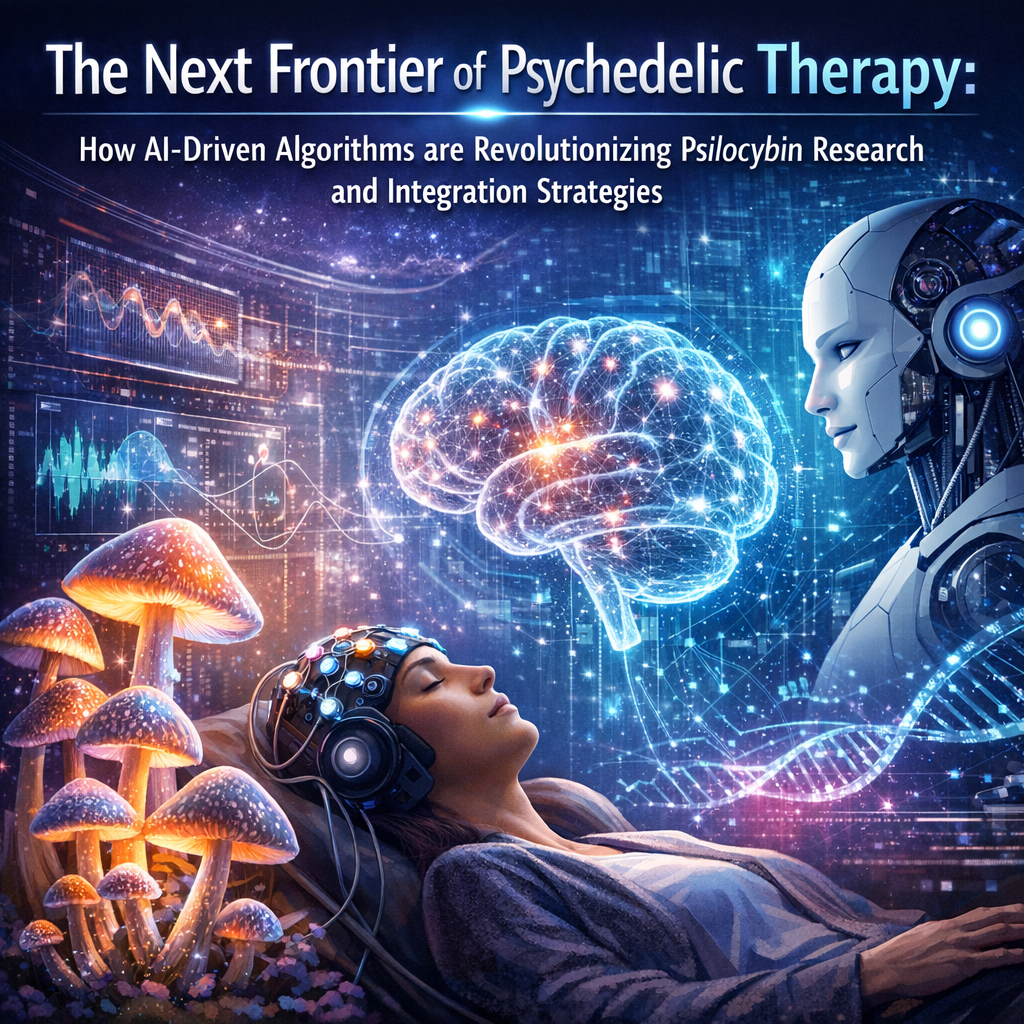
Another innovative approach involves the use of **electroencephalography (EEG)** to provide real-time feedback during psychedelic sessions. At Imperial College London, researchers are developing EEG-based systems that monitor neural oscillations and present visual or auditory cues to patients based on their brain activity. This personalized feedback loop aims to steer the psychedelic experience toward achieving therapeutic goals such as reducing anxiety or facilitating emotional breakthroughs.
These pioneering studies indicate that neurotech not only enhances the understanding of how psychedelics interact with the brain but also opens up new avenues for optimizing treatment protocols. By offering a more detailed and nuanced view of neural processes, neurotech acts as a catalyst for refining psychedelic therapies, promising more effective outcomes for individuals struggling with mental health disorders.
Conclusion
The intersection of psychedelics and neurotechnology heralds a new era in mental health treatment, combining ancient practices with cutting-edge innovations to unlock unprecedented therapeutic potential. As research continues to flourish, this synergy holds immense promise for transforming how we address mental health challenges, paving the way for personalized and effective interventions that restore hope to those in need.
**Concise Summary**
The integration of **neurotechnology** and **psychedelic therapies** represents a promising frontier in mental health treatment, offering enhanced precision, safety, and efficacy. Through technologies like **fMRI**, **TMS**, and **EEG**, researchers gain unprecedented insights into brain activity during psychedelic experiences, paving the way for personalized treatments. Studies highlight significant improvements in conditions like depression, boosted by neurotechnological innovations. As this synergy continues to evolve, it holds potential to redefine mental health treatments and our understanding of the human mind, ultimately offering hope and more effective interventions for those suffering from mental health disorders.

Dominic E. is a passionate filmmaker navigating the exciting intersection of art and science. By day, he delves into the complexities of the human body as a full-time medical writer, meticulously translating intricate medical concepts into accessible and engaging narratives. By night, he explores the boundless realm of cinematic storytelling, crafting narratives that evoke emotion and challenge perspectives. Film Student and Full-time Medical Writer for ContentVendor.com