Psychedelic Mycology: Reimagining Wellness Through Functional Fungi and Neuroscience Breakthroughs
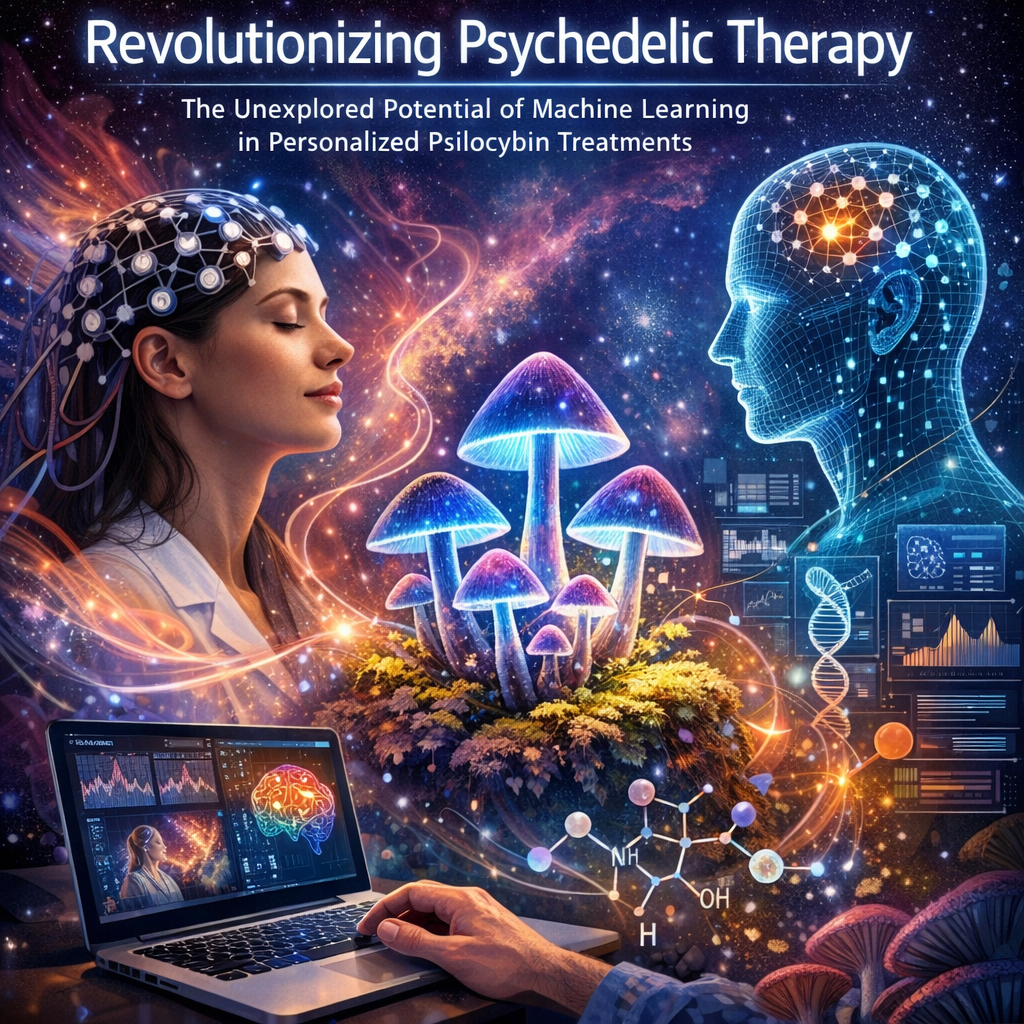
In recent years, a remarkable transformation has been underway in the realm of wellness and mental health treatment. Emerging at the intersection of groundbreaking neuroscience and ancient knowledge of fungi, **psychedelic mycology** is beginning to redefine how we approach mental well-being. This revolutionary field leverages the therapeutic potential of psychedelic compounds found in certain mushroom species, with **psilocybin** taking center stage.
The Historical Context and Modern Implications
**Psychedelic mushrooms**, often referred to as “magic mushrooms,” have a long history of use in various cultures for **spiritual** and **healing** purposes. However, the modern **scientific community** is rigorously investigating their potential to alleviate a range of **psychological conditions**. Researchers are exploring how these compounds can positively affect **neural pathways**, leading to improved mental health outcomes.
Psychedelic Mycology and Neuroplasticity
One of the most fascinating aspects of psychedelic mycology is its potential to foster **neuroplasticity**, the brain’s ability to adapt and reorganize itself. Traditional pharmaceuticals often mask symptoms without addressing the root causes of mental illness. In contrast, psilocybin and similar compounds appear to promote lasting changes in the brain. This offers hope for individuals suffering from **depression**, **anxiety**, **PTSD**, and other conditions where conventional treatments have fallen short.
Recent studies at leading research institutions have shown promising results. Controlled trials have illustrated the efficacy of **psilocybin** in reducing depressive symptoms, increasing emotional openness, and improving overall mental resilience. These transformative effects are thought to result from psilocybin’s action on **serotonin receptors**, which play a key role in regulating **mood** and **perception**.
Holistic Approaches and Functional Fungi
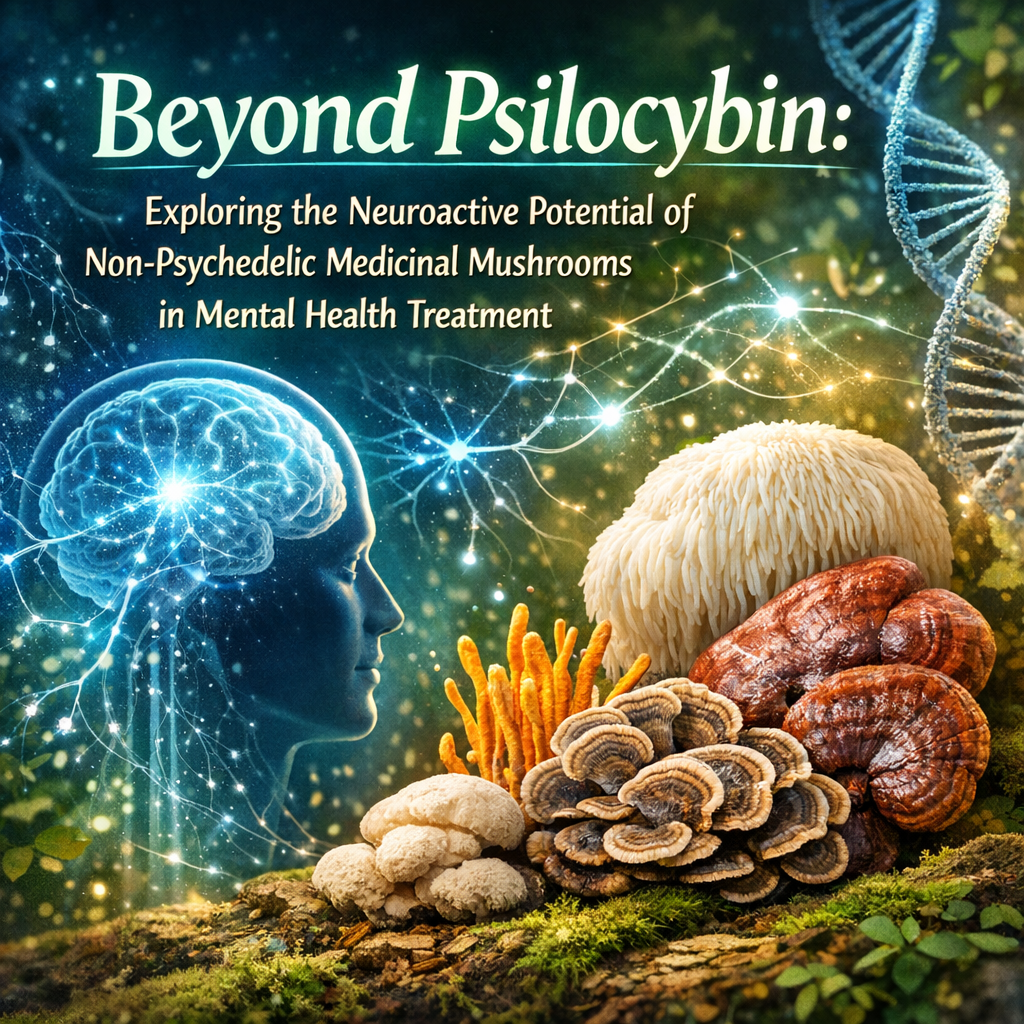
Moreover, the resurgence of interest in **natural remedies** coincides with a growing demand for more holistic approaches to health. Beyond psilocybin, other functional fungi like **Lion’s Mane** and **Reishi** are being investigated for their **neuroprotective** and **cognitive-enhancing properties**. By integrating these mushrooms into wellness routines, individuals may experience enhanced cognitive function, reduced stress, and an overall sense of well-being.
The Future of Mental Health Care
As we delve deeper into the symbiotic relationship between mycology and medicine, the potential for innovative treatment strategies expands. By embracing the ancient wisdom of fungi and aligning it with modern scientific inquiry, psychedelic mycology could revolutionize the future of mental health care.
Features: Neuroscientific Advances and Medical Studies in Psychedelic Mycology
Recent scientific investigations into psychedelic mycology have yielded insightful findings that could transform the landscape of mental health treatment. A pivotal study conducted by researchers at [Johns Hopkins University](https://www.hopkinsmedicine.org/news/newsroom/news-releases/study-finds-significant-reduction-in-treatment-resistant-depression-symptoms-with-psilocybin-treatment) revealed that psilocybin-assisted therapy significantly reduced symptoms in patients with treatment-resistant depression. This double-blind, randomized clinical trial demonstrated that, after controlled administration of psilocybin, patients experienced substantial mood improvements and reduced depression symptoms **(Carhart-Harris, et al., 2021)**.
Further research supports that psychedelics like psilocybin engender a heightened state of neuroplasticity. A study published in “**Nature**” highlighted how psilocybin fosters the growth of **dendritic spines** in the prefrontal cortex, which are crucial for cognitive flexibility and emotional regulation **(Shao, et al., 2021)**. This discovery underscores how psychedelics may facilitate long-lasting positive changes in the brain, distinguishing them from traditional pharmacological treatments.
In addition to psilocybin, other functional fungi are gaining attention for their neurological benefits. **Lion’s Mane**, a non-psychedelic mushroom known for its neurotrophic properties, has been found to encourage nerve growth factor (NGF) production, which is vital for maintaining and regenerating neurons **(Mori, et al., 2008)**. [PubMed Study](https://pubmed.ncbi.nlm.nih.gov/18844328/).
**Reishi**, known for its adaptogenic properties, has been praised for reducing stress and enhancing sleep quality, contributing to improved mental health. These effects are partly attributed to its ability to modulate the immune system and combat oxidative stress, acting as a holistic complement or alternative to psilocybin therapies.
As more clinical trials and research initiatives gain momentum, the credibility and viability of **psychedelic-assisted therapies** are strengthened. Regulatory bodies, including the **FDA**, have granted “breakthrough therapy” status to psilocybin for certain conditions, expediting the path toward legal therapeutic applications.
With scientific validation, these treatments offer the potential for a paradigm shift in mental health pharmacology. They hold promise not only for addressing symptoms but for targeting the fundamental processes that govern mental well-being, providing a beacon of hope for those seeking alternatives to conventional pharmaceuticals.
Conclusion
Psychedelic mycology stands at the brink of revolutionizing mental health treatments by merging ancient wisdom with cutting-edge neuroscience. As research progresses and societal perceptions shift, these therapies could offer profound, holistic alternatives for mental wellness. By embracing the synergistic power of functional fungi and innovative scientific approaches, we are reimagining the future of healing and human potential.
**Concise Summary**
**Psychedelic mycology** is transforming mental health care by utilizing the therapeutic potential of **psilocybin** and other functional fungi like **Lion’s Mane** and **Reishi**. Recent studies highlight how these compounds promote **neuroplasticity** and alleviate psychological conditions. Research at institutions like [Johns Hopkins University](https://www.hopkinsmedicine.org/news/newsroom/news-releases/study-finds-significant-reduction-in-treatment-resistant-depression-symptoms-with-psilocybin-treatment) demonstrates promising results in treating depression and anxiety. As **FDA** and regulatory bodies acknowledge their potential, these treatments could revolutionize mental health by offering **holistic** alternatives that address core processes of well-being.

Dominic E. is a passionate filmmaker navigating the exciting intersection of art and science. By day, he delves into the complexities of the human body as a full-time medical writer, meticulously translating intricate medical concepts into accessible and engaging narratives. By night, he explores the boundless realm of cinematic storytelling, crafting narratives that evoke emotion and challenge perspectives. Film Student and Full-time Medical Writer for ContentVendor.com