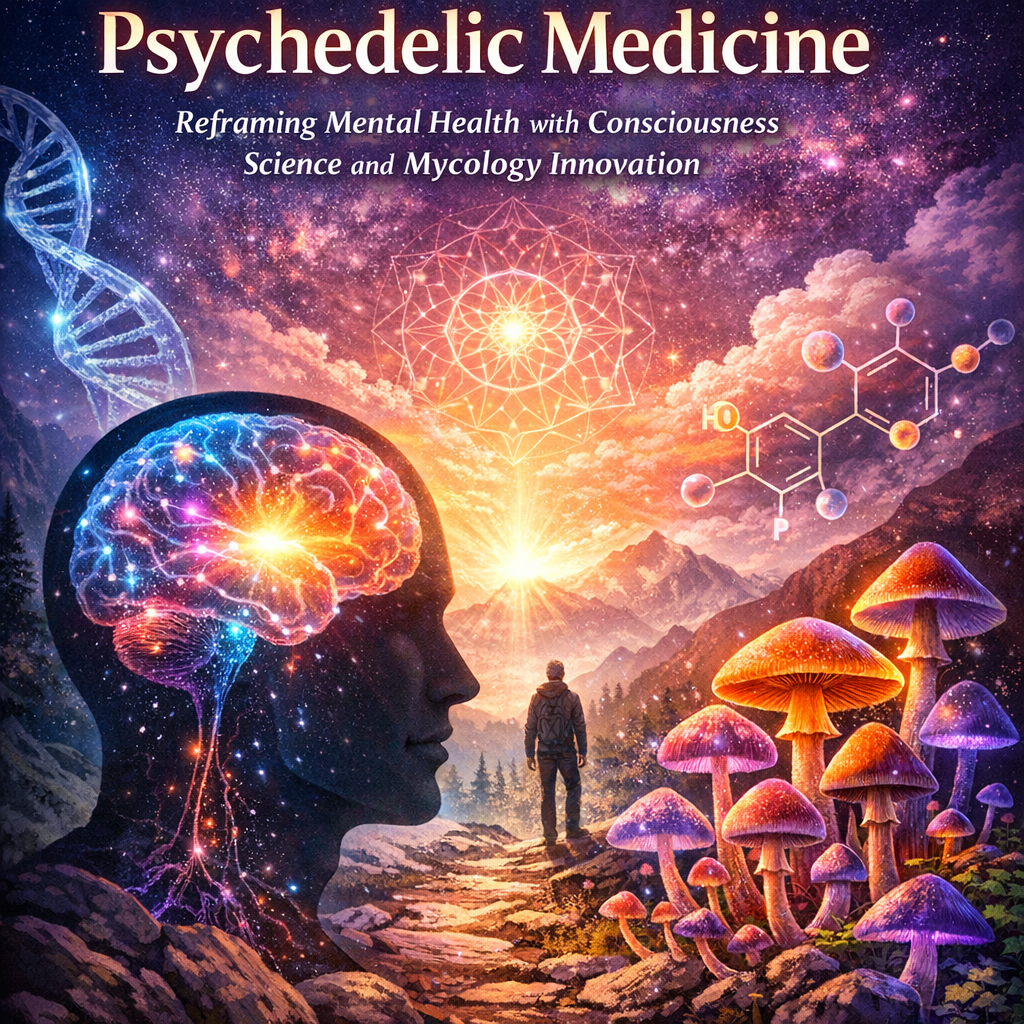
Exploring Psychedelic Medicine: Reframing Mental Health with Consciousness Science and Mycology Innovation
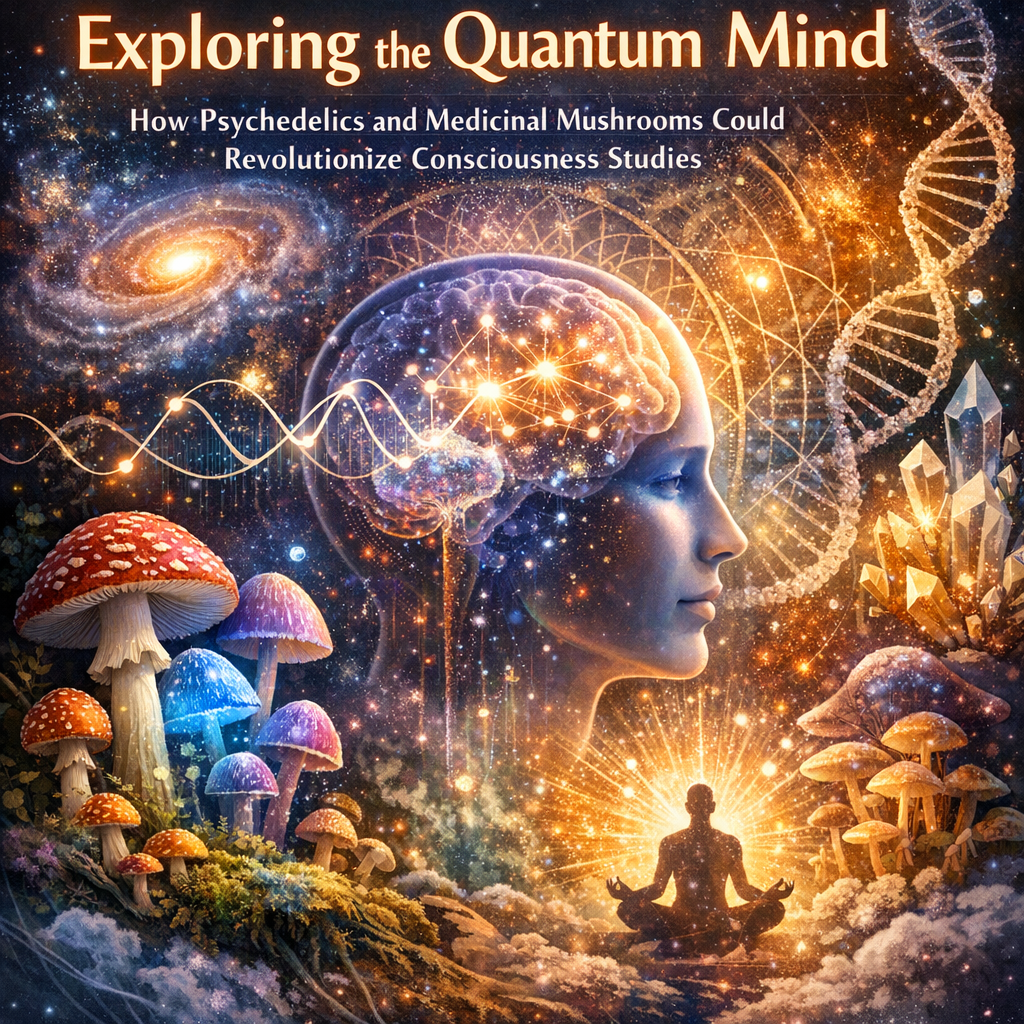
In recent years, the integration of **psychedelic medicine** and **consciousness science** has ushered in a new era of **mental health treatment**. This evolving field combines traditional **mycology** with modern scientific research to explore the profound healing properties of **psilocybin mushrooms** and other psychedelics. As the stigma surrounding these substances continues to fade, an increasing number of researchers, therapists, and advocates are recognizing their potential to provide long-lasting relief from mental health issues such as **depression**, **anxiety**, and **PTSD**.
Historically, mushrooms have been revered for their medicinal properties in various cultures around the world. **Indigenous tribes** have long used them as sacred tools for spiritual and healing purposes. However, it wasn’t until the mid-20th century that **Western science** began to seriously study the effects of psychedelic substances, particularly **psilocybin**, the active compound in “magic mushrooms.” Early research showed promise, but the subsequent cultural and political backlash led to decades of prohibition and halted further scientific exploration.
Today, the resurgence of interest in **psychedelic-assisted therapy** is largely driven by an urgent need for more effective mental health treatments. Traditional **pharmaceuticals** often fail to address the root cause of mental illness, providing only temporary relief with numerous side effects. **Psychedelic medicine**, on the other hand, seeks to offer a holistic approach by encouraging profound shifts in consciousness and perspective that can lead to lasting change. As a result, **psilocybin mushrooms** are being reexamined under the lens of modern science as innovative tools for mental health transformation.
Advancements in **neuroimaging** and consciousness research have illuminated how psychedelics affect the **brain**. **Psilocybin** has been shown to decrease activity in the **default mode network**, a brain region often overactive in individuals with depression. By doing so, it fosters new neural connections and enhances emotional processing, enabling users to confront and process deep-seated issues. This **neuroplasticity**, coupled with guided therapeutic sessions, may lead to significant and sustained improvements in mental health.
Features of Psychedelic Medicine in Mental Health Treatment
The exploration of psychedelic medicine as a viable mental health treatment is underscored by a growing body of scientific literature. A landmark study published by Johns Hopkins University in 2016 found that patients with treatment-resistant depression experienced significant improvements after **psilocybin-assisted therapy**. The study revealed that 67% of participants reported a more than 50% reduction in depression symptoms after one week, and 42% maintained these improvements at three months. [Johns Hopkins Study](https://www.hopkinsmedicine.org/news/newsroom/news-releases/magic-mushrooms-help-launch-a-movement-in-psychiatry).
Additionally, a 2021 study conducted by **Imperial College London** uncovered how psilocybin therapy provided a “reset” effect in depressed individuals. The study utilized advanced brain scanning techniques to observe neural activity changes, highlighting how psilocybin helped stabilize overactive connections in the brain linked to depression. [Imperial College London Study](https://www.imperial.ac.uk/news/207673/psilocybin-for-treatment-resistant-depression-effectiveness-trials/). These findings amplify the argument that psychedelics can significantly influence consciousness and provide a novel approach to addressing complex mental health disorders.
Moreover, the application of psychedelics extends beyond individual mental health gains. A study published in **Nature** explored the potential of psychedelic substances to enhance interpersonal communication and empathy, suggesting broader societal benefits. [Nature Study](https://www.nature.com/articles/d41586-020-00202-3). The implications of these findings stretch into therapeutic settings, where improved empathic understanding between patient and therapist can lead to more effective treatment outcomes.
Significant clinical trials are also underway to investigate the efficacy of psilocybin in treating PTSD, particularly in veterans and others who have suffered severe trauma. Early results suggest that psilocybin may aid in the emotional processing of traumatic memories, thus reducing the psychological burden carried by patients. [MAPS Study](https://maps.org/research/depression/). As legal frameworks around psychedelic use continue to evolve, these studies are crucial in informing policy, regulation, and the integration of psychedelic therapies into mainstream medicine.
Conclusion
The renaissance of **psychedelic medicine** represents a paradigm shift in mental health treatment, where consciousness science and mycology innovation converge to unlock new possibilities. With ongoing research and clinical trials, **psilocybin mushrooms** are proving to be powerful allies in the quest to alleviate mental suffering. As science increasingly illuminates their therapeutic potential, the future of mental health treatment looks poised for transformation, offering hope for those who have found traditional methods inadequate. As our understanding deepens, so too does the promise of a brighter, more holistic approach to healing and well-being.
**Concise Summary:**
Psychedelic medicine, particularly involving psilocybin mushrooms, is emerging as a potent alternative in mental health treatment. As stigma fades, research highlights significant potential in addressing depression, anxiety, and PTSD by fostering shifts in consciousness and promoting neuroplasticity. Historic skepticism due to political and cultural factors is giving way to renewed interest, driven by the limitations of traditional pharmaceuticals. Studies, including those from Johns Hopkins and Imperial College, demonstrate promising results. As legal landscapes evolve, these therapies may offer a transformative, holistic approach for mental well-being.

Dominic E. is a passionate filmmaker navigating the exciting intersection of art and science. By day, he delves into the complexities of the human body as a full-time medical writer, meticulously translating intricate medical concepts into accessible and engaging narratives. By night, he explores the boundless realm of cinematic storytelling, crafting narratives that evoke emotion and challenge perspectives. Film Student and Full-time Medical Writer for ContentVendor.com