Exploring the Unseen: How Medicinal Mushrooms Could Revolutionize Cognitive Enhancement Therapies in Psychedelic Medicine
Introduction
In recent years, the pursuit of **cognitive enhancement** has transcended traditional pharmaceuticals, moving towards natural, **plant-based treatments**. At the forefront are **medicinal mushrooms**, celebrated throughout history for their numerous health benefits. These fungi are gaining recognition within the realm of **psychedelic medicine** for their potential to enhance cognitive functions without the adverse effects commonly associated with synthetic drugs.
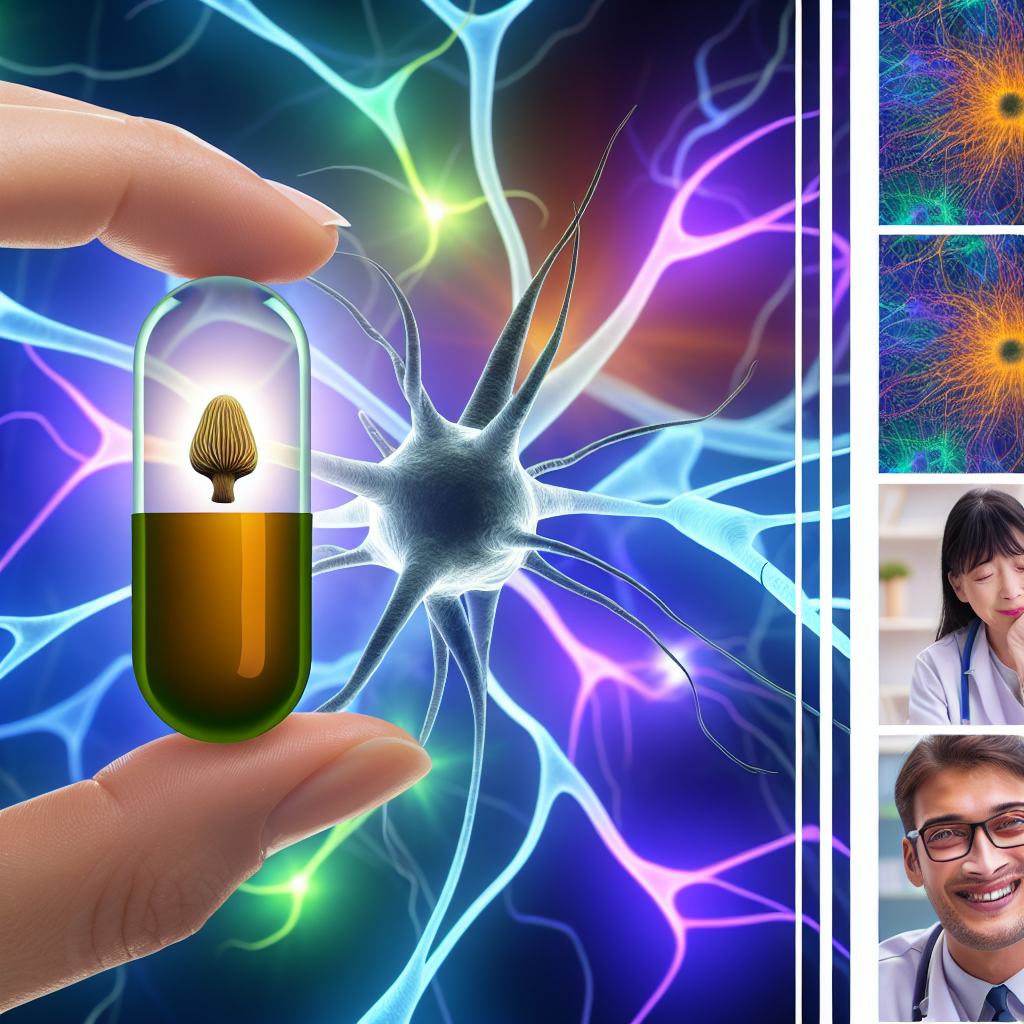
**Medicinal mushrooms** such as **Lion’s Mane**, **Reishi**, and **Cordyceps** have historical roots in traditional medicine, particularly in Asian cultures. **Lion’s Mane**, specifically, has captivated researchers due to its potential neuroprotective properties and its ability to stimulate the production of **nerve growth factor (NGF)**, a protein essential for neuron maintenance and regeneration. Enthusiasts of cognitive enhancement are especially interested in how these benefits align with the goals of cognitive enhancement therapies, aimed at improving memory, creativity, and overall brain function.
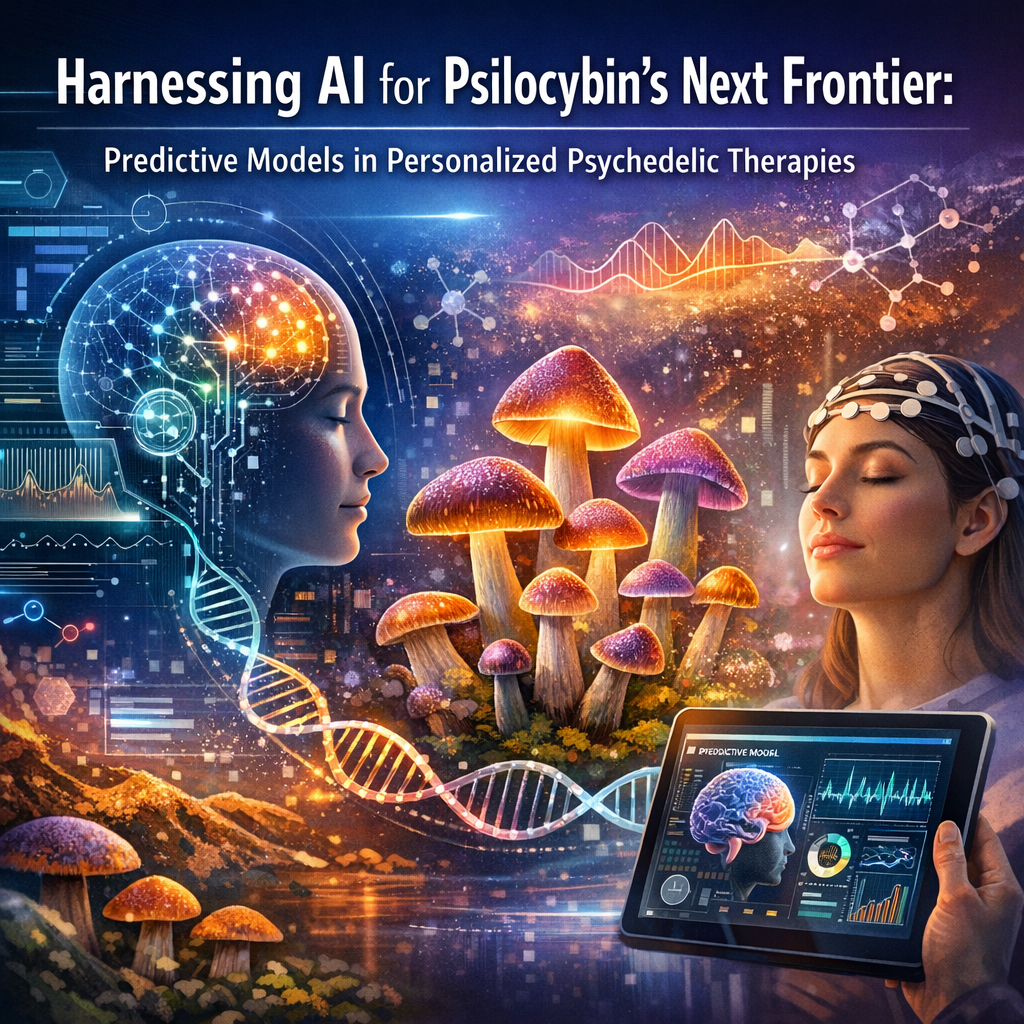
As the stigma surrounding **psychedelics** fades, there is renewed interest in integrating these natural remedies into modern cognitive therapeutic practices. **Psychedelic medicine**, often linked with compounds like **psilocybin**, is being explored for its profound effects on mental health and cognition. The combination of **psilocybin** and **medicinal mushrooms** could signal the dawn of a new era in cognitive enhancement therapies, merging ancient wisdom with contemporary science.
Clinical studies are increasingly examining the synergy between **psilocybin** and **medicinal mushrooms**, investigating how their combined properties can enhance cognitive abilities like memory retention, learning speed, and problem-solving skills. The potential to utilize these natural substances as non-invasive treatments presents an exciting frontier in medical research, potentially transforming how mental health and cognitive decline are addressed. As research progresses, understanding how these fungi interact with brain pathways evolves, revealing possibilities once relegated to the fringes of alternative medicine.
Features
A substantial body of research supports the role of **medicinal mushrooms** in cognitive enhancement, with various studies highlighting their promising applications. One compelling study involves **Lion’s Mane mushroom (Hericium erinaceus)**. A 2019 study published in the [“International Journal of Molecular Sciences”](https://www.mdpi.com/1422-0067/20/11/2585) demonstrated that Lion’s Mane can stimulate the synthesis of **NGF**, potentially aiding in the repair and growth of neural tissues and enhancing cognitive function.
Additionally, the **Reishi mushroom (Ganoderma lucidum)**, often referred to as the “mushroom of immortality,” has been studied for its neuroprotective effects. Research published in [“Cellular and Molecular Biology”](https://www.cellmolbiol.org/index.php/CMB/article/view/2156) in 2020 indicated that Reishi exerts an antioxidative effect, which may protect brain cells from damage caused by oxidative stress, a factor implicated in cognitive decline and neurodegenerative diseases.
**Cordyceps**, known for enhancing physical stamina, has also been associated with improved cognitive performance. A study in the [“Journal of Ethnopharmacology”](https://www.sciencedirect.com/science/article/abs/pii/S0378874121001586) explored Cordyceps’ potential in ameliorating cognitive impairments associated with aging, noting improvements in spatial memory and neuroplasticity.
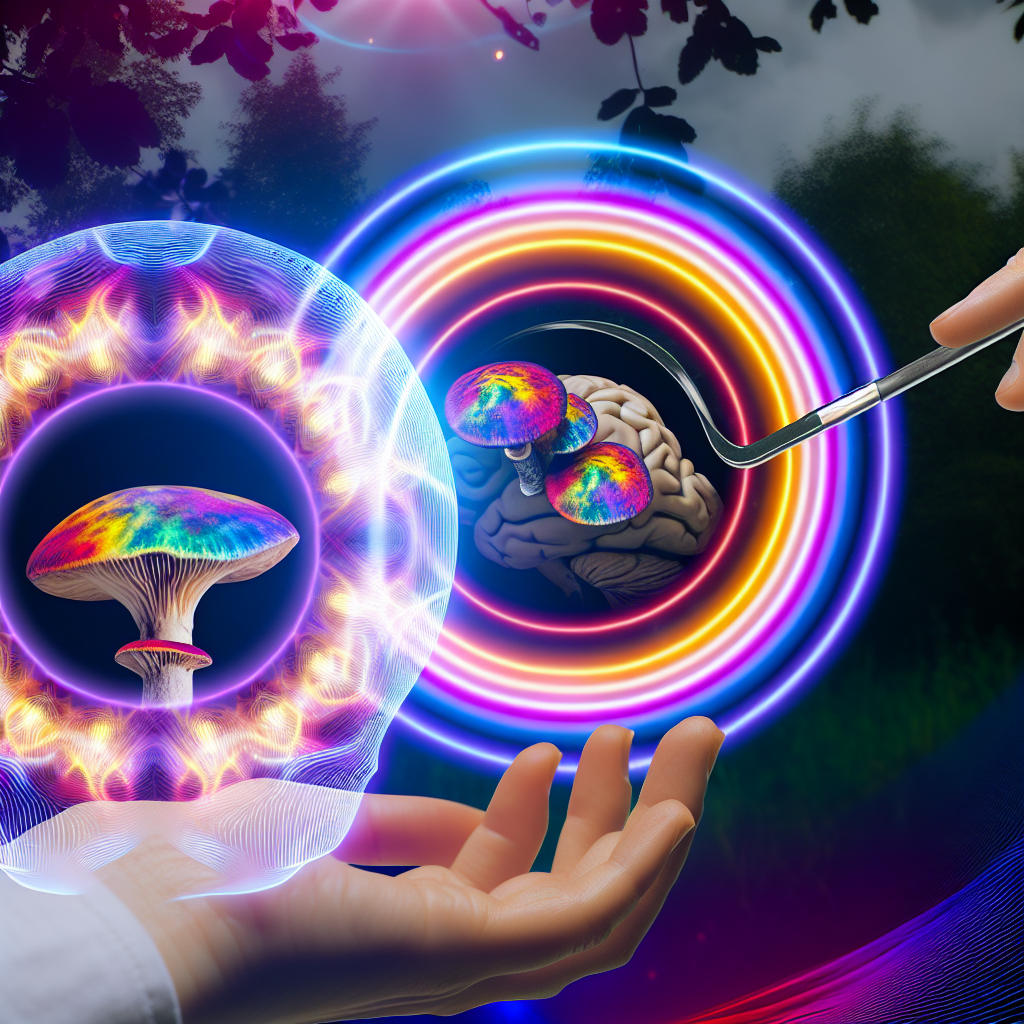
Moreover, the integration of **psilocybin** and **medicinal mushrooms** is being explored for its potential to synergistically augment cognitive processes. A groundbreaking study by the [“Johns Hopkins Center for Psychedelic and Consciousness Research”](https://hub.jhu.edu/2019/01/28/study-psilocybin-depression/) examined psilocybin’s effects on brain functions, suggesting it could reset brain circuits pivotal in areas related to mood and cognition, offering new treatment avenues for cognitive disorders.
The convergence of these natural substances suggests a novel approach to treating cognitive impairments, accentuating the importance of continued research in this area. Integrating these therapies into mainstream medical practice could lead to innovative, holistic treatments for patients suffering from cognitive decline, potentially revolutionizing mental health care.
Conclusion
Exploring **medicinal mushrooms** in cognitive enhancement therapies highlights a compelling intersection of ancient herbal wisdom and modern scientific inquiry. As ongoing research continues to illuminate their potential, these natural remedies offer a promising pathway for improving cognitive health and enriching **psychedelic medicine** practices. Their ability to enhance mental functioning and protect brain health not only opens new therapeutic possibilities but also bridges the gap between traditional and contemporary approaches to mental well-being.
**Concise Summary:**
The integration of medicinal mushrooms such as Lion’s Mane, Reishi, and Cordyceps, alongside psychedelic compounds like psilocybin, presents a novel frontier in cognitive enhancement therapies. These natural substances offer potential benefits in enhancing cognitive functions like memory and creativity, without the adverse effects common with synthetic drugs. Clinical studies are exploring their combined effects on brain health, potentially revolutionizing treatment for cognitive impairments. This innovative approach bridges traditional herbal wisdom with modern science, suggesting a promising future for advancing mental health care through these natural therapies.

Dominic E. is a passionate filmmaker navigating the exciting intersection of art and science. By day, he delves into the complexities of the human body as a full-time medical writer, meticulously translating intricate medical concepts into accessible and engaging narratives. By night, he explores the boundless realm of cinematic storytelling, crafting narratives that evoke emotion and challenge perspectives. Film Student and Full-time Medical Writer for ContentVendor.com