Psychedelic Mushrooms and the Future of Personalized Mental Health: Mapping Individual Neuroprofiles for Targeted Therapies
Introduction
The world of mental health treatment is on the cusp of a revolution, driven by a growing interest in the therapeutic potential of psychedelic mushrooms. Traditionally seen as a realm of mysticism and counterculture, these fungi are now being reevaluated through the lens of modern medicine and neuroscience. This shift is primarily due to the active compound in psychedelic mushrooms—psilocybin—and its profound effects on the human brain. Ongoing research into psilocybin’s interaction with neural pathways is offering unprecedented insights, opening doors to personalized mental health therapies that were previously unimaginable.
As contemporary science peels back the layers of our understanding, there’s a burgeoning realization that psilocybin does not merely provide a temporary escape from symptoms of mental illness but holds potential for long-term transformation. This is possible through the concept of neuroplasticity—the brain’s ability to reorganize itself by forming new neural connections throughout life. Psilocybin appears to facilitate this very process, potentially enabling individuals to rewire maladaptive thought patterns.
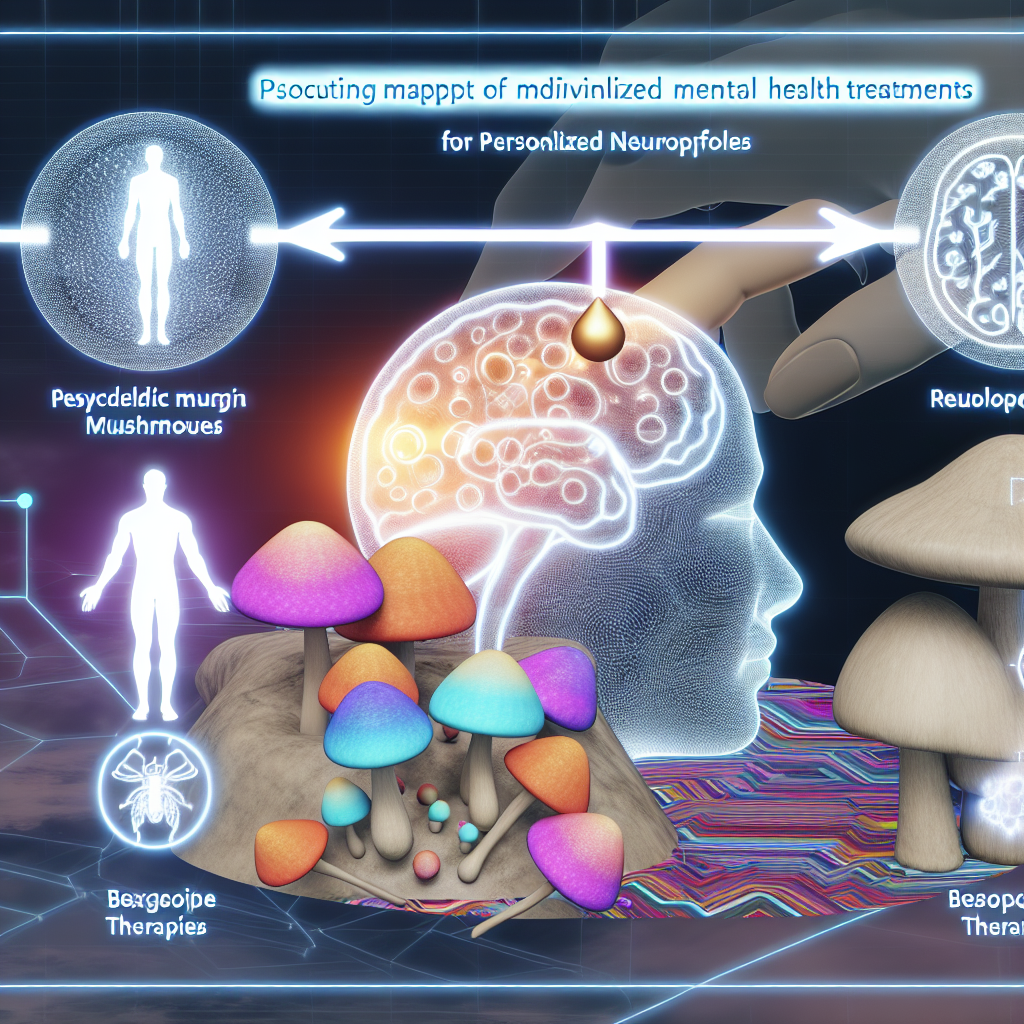
What makes psychedelic mushrooms particularly exciting is their potential to contribute to the emerging field of personalized medicine. Each person’s brain is a unique tapestry of neural pathways, shaped by genetics, experiences, and environmental factors. Traditional mental health treatments have struggled to accommodate this complexity, often adopting a one-size-fits-all approach. However, psychedelic-assisted therapy, armed with insights from neuroimaging and genetic research, promises to map individual neuroprofiles with precision. This could allow therapists and clinicians to tailor interventions that resonate directly with each patient’s unique brain chemistry and psychological landscape.
The possibilities don’t end there. As we explore the nexus of psychedelics and personalized medicine, a future looms where these therapies might not only alleviate symptoms but potentially address root causes, resulting in sustained mental wellness. However, while the promise is profound, it’s crucial to approach this field with an informed, critical eye, ensuring that enthusiasm is tempered with rigorous scientific validation and ethical considerations.
Features
The interest in psychedelic mushrooms and their potential role in advanced mental health treatment is backed by an expanding body of scientific studies. Among these, the groundbreaking research conducted by Johns Hopkins University has been instrumental. Their studies on the effects of psilocybin have demonstrated promising results in treating conditions such as depression, anxiety, and PTSD. In one pivotal study, patients with major depressive disorder who received psilocybin treatment reported significant reductions in symptom severity, and these effects were observed to persist for months after initial treatment.
Delving deeper, the Heffter Research Institute has focused on how psilocybin enhances communication among different brain regions. Their studies reveal an increase in brain network connectivity during psilocybin sessions, which may underlie the profound shifts in consciousness and emotional insight reported by users.
Further supporting this endeavor, a study published in the journal Nature highlighted the role of psychedelics in reopening critical periods of neuroplasticity. Researchers suggest that selective reopening of these critical periods can provide a unique opportunity for therapeutic intervention, harnessing the brain’s inherent ability to change and adapt as a pivotal part of psychological healing.
One of the most revolutionary concepts is the potential for creating individual neuroprofiles. A study by Imperial College London used advanced neuroimaging to observe how psilocybin affects the brain. The findings underscored the variability in neural responses to psychedelics, suggesting that personal brain mapping could be critical in optimizing therapeutic outcomes.
As we chart this new territory, it’s imperative to acknowledge the ongoing clinical trials exploring microdosing, where small, sub-perceptual doses of psilocybin are administered to enhance mood, focus, and creativity without inducing a full-blown psychedelic experience. These trials aim to establish safety profiles, dosage standards, and long-term effects, playing an integral role in the eventual integration of psilocybin into mainstream therapeutic practices.
Conclusion
The exploration of psilocybin’s potential in mental health treatment embodies a pivotal shift in how we understand and approach mental wellness. As research unfolds, the dream of personalized mental health therapies becomes increasingly tangible, potentially revolutionizing treatment paradigms. However, as we stride forward, balancing optimism with meticulous research and ethical accountability will be crucial in translating these psychedelic promises into real-world health benefits.
**Concise Summary:**
The exploration of psychedelic mushrooms and their active compound, psilocybin, is revolutionizing mental health treatment. By promoting neuroplasticity and facilitating the creation of individual neuroprofiles, psilocybin offers potential for personalized, targeted therapies. Studies from renowned institutions like Johns Hopkins and Imperial College London highlight psilocybin’s role in treating depression, anxiety, and PTSD. Ongoing research emphasizes personalized medicine approaches, with expert insights suggesting that psilocybin may address root causes of mental illness rather than just alleviating symptoms. Cautious optimism, scientific validation, and ethical considerations are essential in realizing psilocybin’s transformative potential.

Dominic E. is a passionate filmmaker navigating the exciting intersection of art and science. By day, he delves into the complexities of the human body as a full-time medical writer, meticulously translating intricate medical concepts into accessible and engaging narratives. By night, he explores the boundless realm of cinematic storytelling, crafting narratives that evoke emotion and challenge perspectives. Film Student and Full-time Medical Writer for ContentVendor.com