Exploring Psychedelic Safety Beyond the Ritual: New Technologies and Protocols for Risk Reduction and Integration
Introduction:
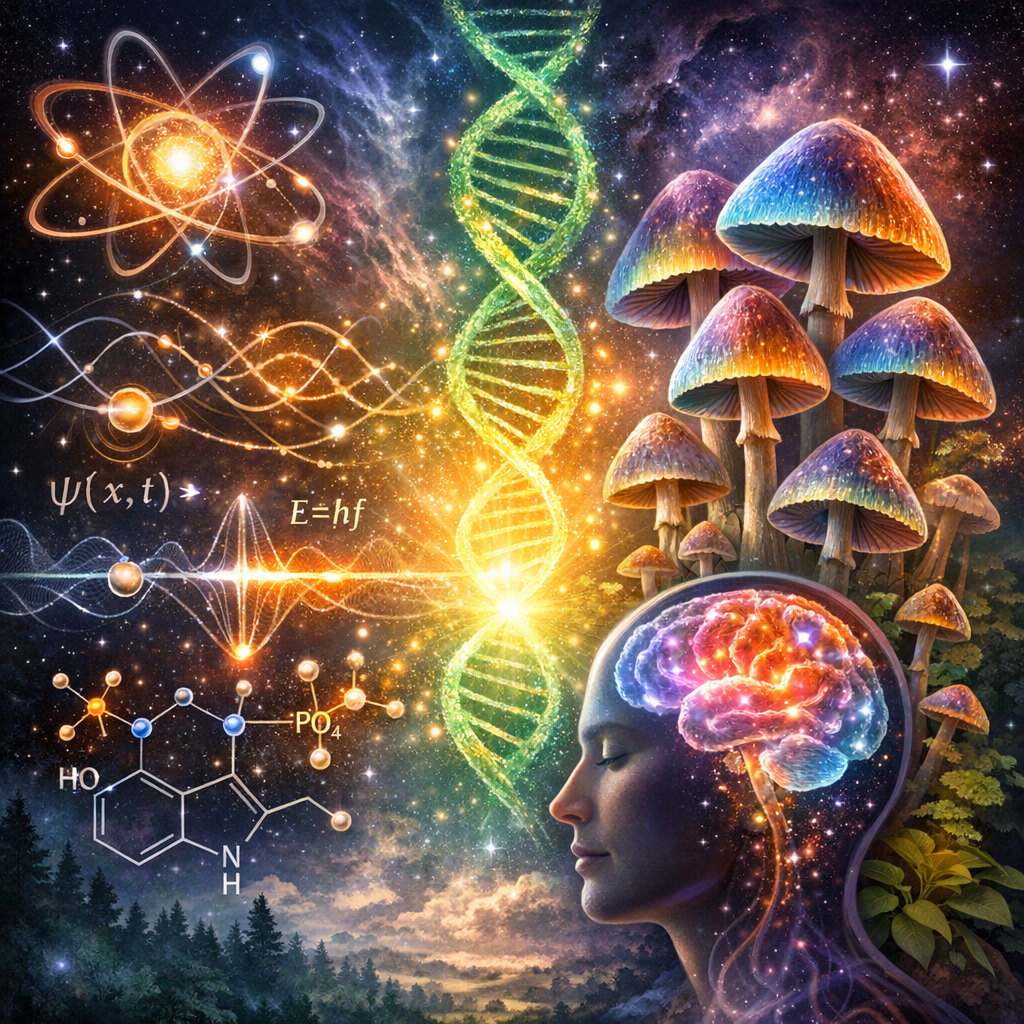
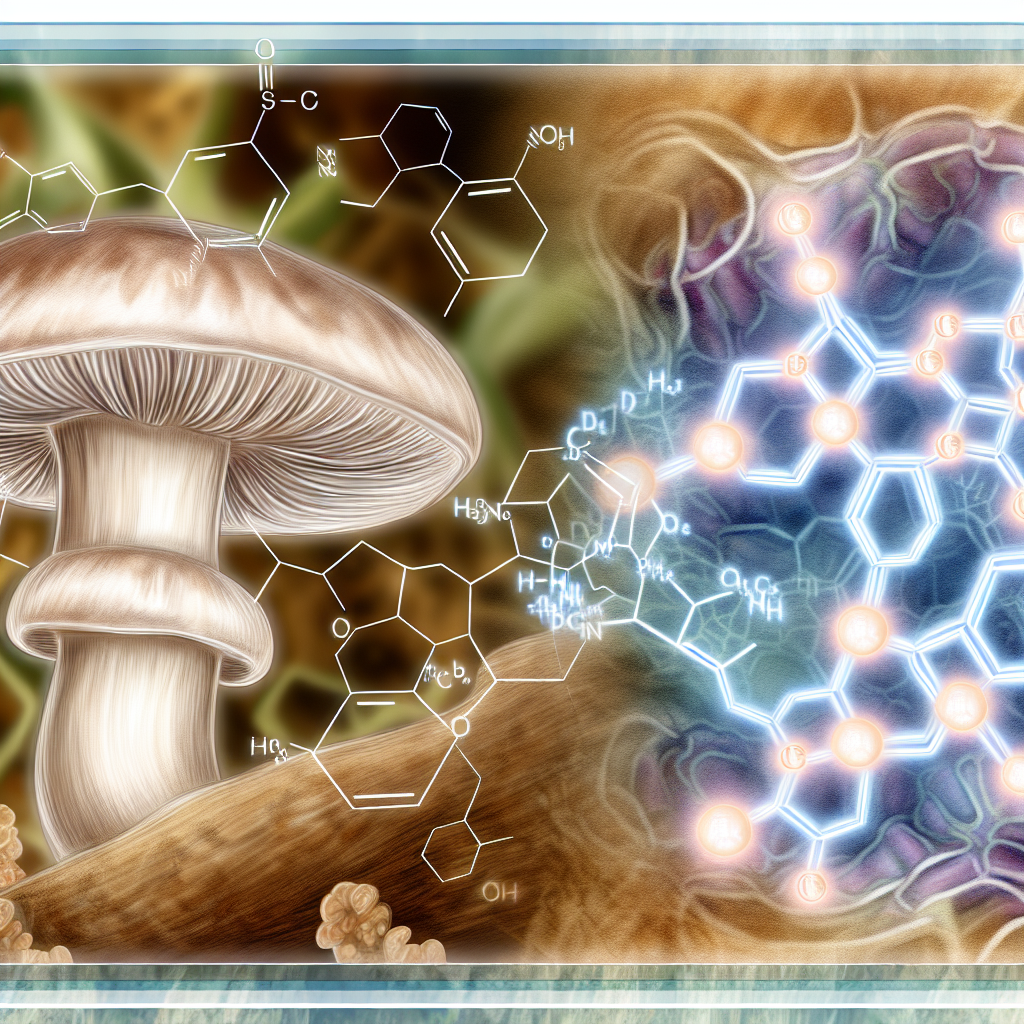
The exploration of **psychedelic substances**, particularly **psilocybin**, is experiencing an unprecedented renaissance, transitioning from ancient ceremonial use to contemporary clinical and therapeutic settings. While traditional rituals performed by indigenous cultures have long maintained the spiritual and healing essence of these substances, modern science is unraveling their profound potential as treatment modalities for various psychological ailments. The resurgence of interest in psychedelics is not merely about reviving archaic practices but is fueled by a scientific curiosity paired with innovative methodologies aiming to integrate these powerful tools into mainstream mental health care effectively.
Psychedelics, like **psilocybin**, **LSD**, and **mescaline**, hold promise for treating conditions such as **depression**, **PTSD**, **anxiety**, and **addiction**. Nevertheless, their potent psychotropic effects necessitate responsibly-manufactured protocols to ensure both safety and efficacy. This is where modern technology and thoughtful integration strategies step in. As the psychedelic renaissance progresses, **digital platforms**, **wearable technology**, and enhanced therapeutic frameworks lead the charge in mitigating risks and promoting safe psychedelic experiences.
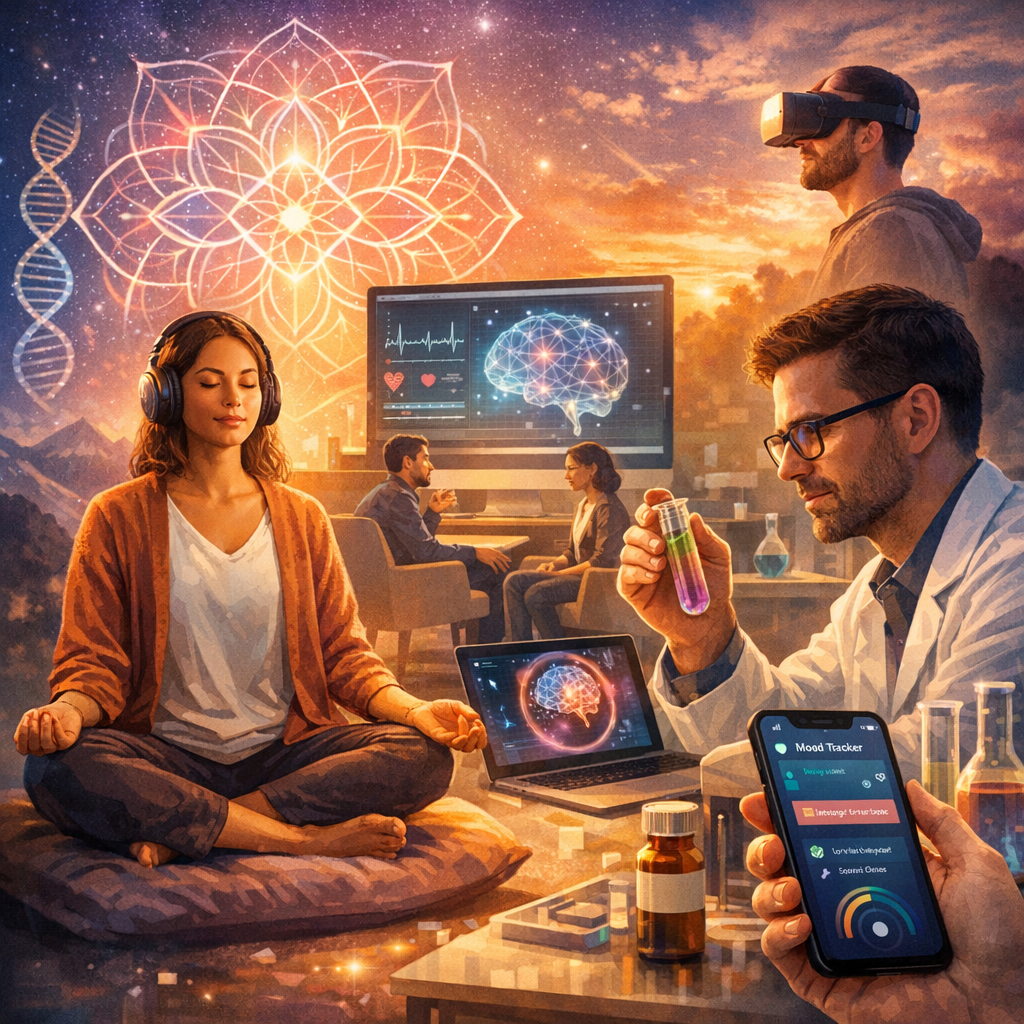
**Wearable devices** and **smartphone apps** are emerging as vital tools in monitoring physiological metrics during psychedelic experiences. These technologies provide real-time data that can predict adverse reactions and offer users and facilitators insights into the user’s emotional and physiological state. Moreover, **VR integration** during pre-journey and post-experience phases offers users guided visualizations that help in managing pre-flight anxiety and efficiently integrating insights post-experience.
Meanwhile, therapeutic protocols have been evolving alongside these technological advances. Modern practices deploy harm reduction approaches, emphasizing the importance of pre-experience education and post-experience integration processes. By applying psychotherapeutic elements such as **cognitive-behavioral therapy (CBT)**, **mindfulness**, and supportive group therapy, journeyers can better process their experiences, facilitating long-term positive outcomes.
This article delves into the intricate balance of safety and exploration in the world of psychedelics. It examines the cutting-edge technologies and protocol adaptations reshaping the psychedelic landscape, rendering this ancient remedy beneficial in treating the psychological ailments of our modern era.
Features:
Research in the burgeoning field of **psychedelic therapy** consistently underscores the potential of substances like psilocybin in therapeutic settings. Recent studies, such as those conducted by **Johns Hopkins University**, highlight psilocybin’s efficacy in reducing symptoms of major **depressive disorder** and **anxiety**. In a [2020 randomized clinical trial](https://jamanetwork.com/journals/jamapsychiatry/fullarticle/2772630) published in **JAMA Psychiatry**, findings indicated that psilocybin-assisted therapy produced substantial and enduring antidepressant effects in patients with major depression.
The effectiveness of psychedelic treatment is supported by advancements in technology, which are vital in reducing risks associated with intense psychedelic experiences. For instance, **wearable biosensors** can monitor heart rate variability and skin conductance, variables that signal possible distress, allowing timely intervention when necessary. These technologies, paired with **machine learning algorithms**, offer predictive capabilities, providing a personalized approach to individual psychedelic experiences.
Exemplifying the integration of technology, the **NeuroGen network** has begun utilizing **VR tools** to acclimate patients to the mystical experiences of psychedelics before their actual journey. Providing a virtual encounter with psychedelic visualizations, these VR experiences help reduce pre-flight anxiety and prepare participants mentally by familiarizing them with peak experiences within a controlled environment.
Harnessing therapeutic frameworks alongside technological innovations, the therapeutic community emphasizes integration strategies. Initiatives such as those by the **Multidisciplinary Association for Psychedelic Studies (MAPS)** have been pivotal, promoting standard protocols that combine psychedelics with established psychotherapy modalities. Their [research](https://maps.org/research/mdma/ptsd/) shows that supplementing psychedelic experiences with cognitive-behavioral therapy (CBT) and other therapeutic techniques significantly improves treatment efficacy and reduces relapse rates in conditions like PTSD.
Conclusion:
The interplay of ancient wisdom and modern technology is unlocking new frontiers in **psychedelic therapy**, ensuring safer, more effective treatment options. By marrying cutting-edge technology with traditional therapeutic strategies, the medical community is better equipped to tap into the full potential of psychedelics, transcending beyond the ritual into realms with profound, practical healing applications. As we embrace these innovations, we renew our commitment to safety, efficacy, and the unraveling of new possibilities for mental health treatment.
Concise Summary:
The current renaissance in **psychedelics**, like **psilocybin** and **LSD**, is transforming mental health treatment. Modern advances, including **wearable technology** and **VR tools**, are promoting safe and effective psychedelic experiences. These technologies enable real-time monitoring and integration with psychotherapy techniques such as **CBT**. Research from institutions like **Johns Hopkins University** demonstrates psilocybin’s potential in treating **depression** and **anxiety**, while organizations like **MAPS** develop robust therapeutic protocols. This blend of ancient practices and modern technology is expanding treatment horizons, ensuring safety, efficacy, and more therapeutic options.

Dominic E. is a passionate filmmaker navigating the exciting intersection of art and science. By day, he delves into the complexities of the human body as a full-time medical writer, meticulously translating intricate medical concepts into accessible and engaging narratives. By night, he explores the boundless realm of cinematic storytelling, crafting narratives that evoke emotion and challenge perspectives. Film Student and Full-time Medical Writer for ContentVendor.com