Should Psychedelic Therapies Adopt Open-Source Science Frameworks?
Introduction
In recent years, the conversation surrounding **psychedelic therapies** has seen a resurgence, as these treatments have begun to show promising results in addressing various **mental health disorders**. From **depression** to **PTSD**, psychedelics like **psilocybin** and **LSD** are being hailed for their potential to revolutionize how we approach **psychological healing**. However, as with any emerging field, the successful integration of psychedelic therapies into mainstream medicine requires careful consideration of many factors, such as safety, accessibility, and ethical frameworks.
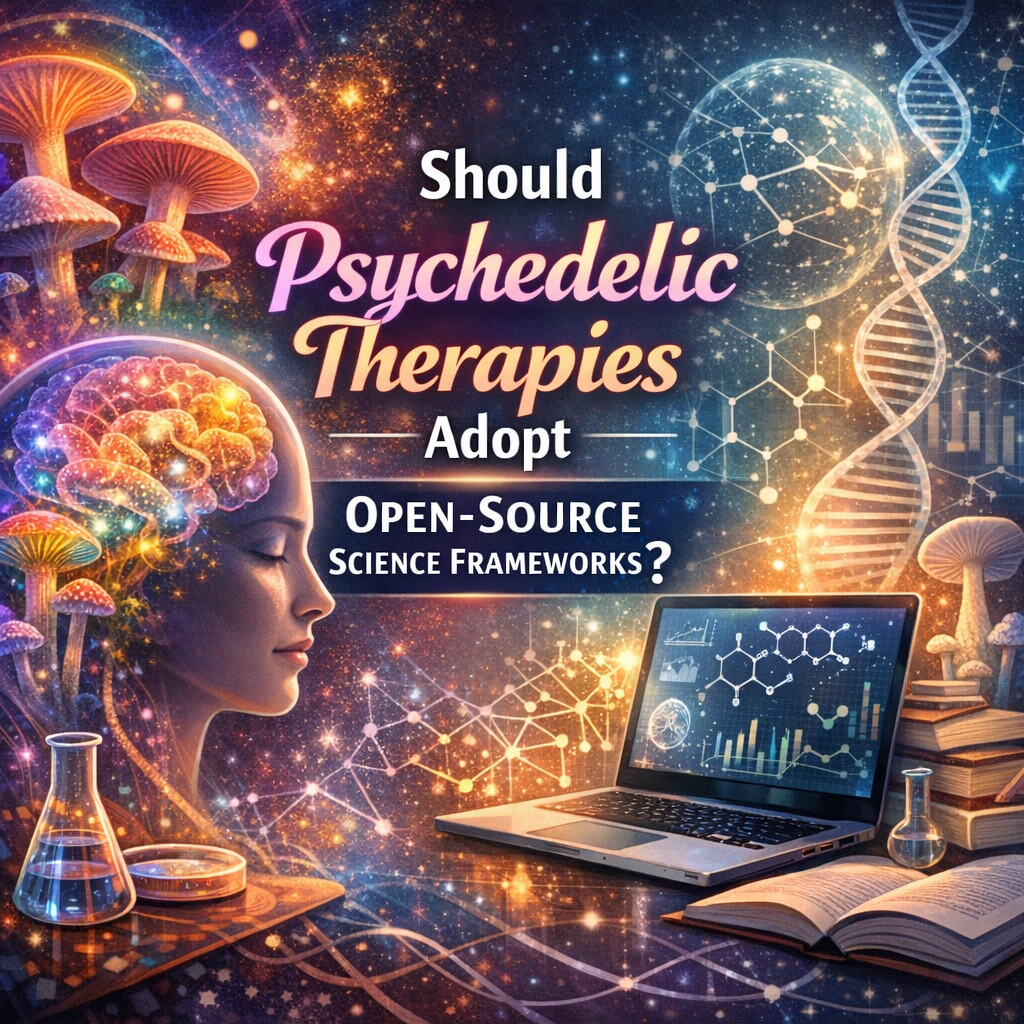
One compelling proposal is the adoption of **open-source science frameworks** in psychedelic research. **Open-source science** promotes transparency, collaboration, and accessibility, allowing research and findings to be freely accessible to anyone interested. This approach stands in stark contrast to the traditional proprietary model, where studies and results are often under the control of **pharmaceutical companies** or closed research groups.
The potential benefits of adopting an open-source framework are manifold. Firstly, it could democratize access to crucial information, enabling smaller institutions and independent researchers worldwide to contribute to and benefit from psychedelic research. Secondly, open-source platforms can accelerate innovation by pooling knowledge and resources, which is particularly valuable in a nascent field. Finally, this approach can address ethical concerns by promoting inclusivity and reducing the potential for monopolistic practices by big pharma.
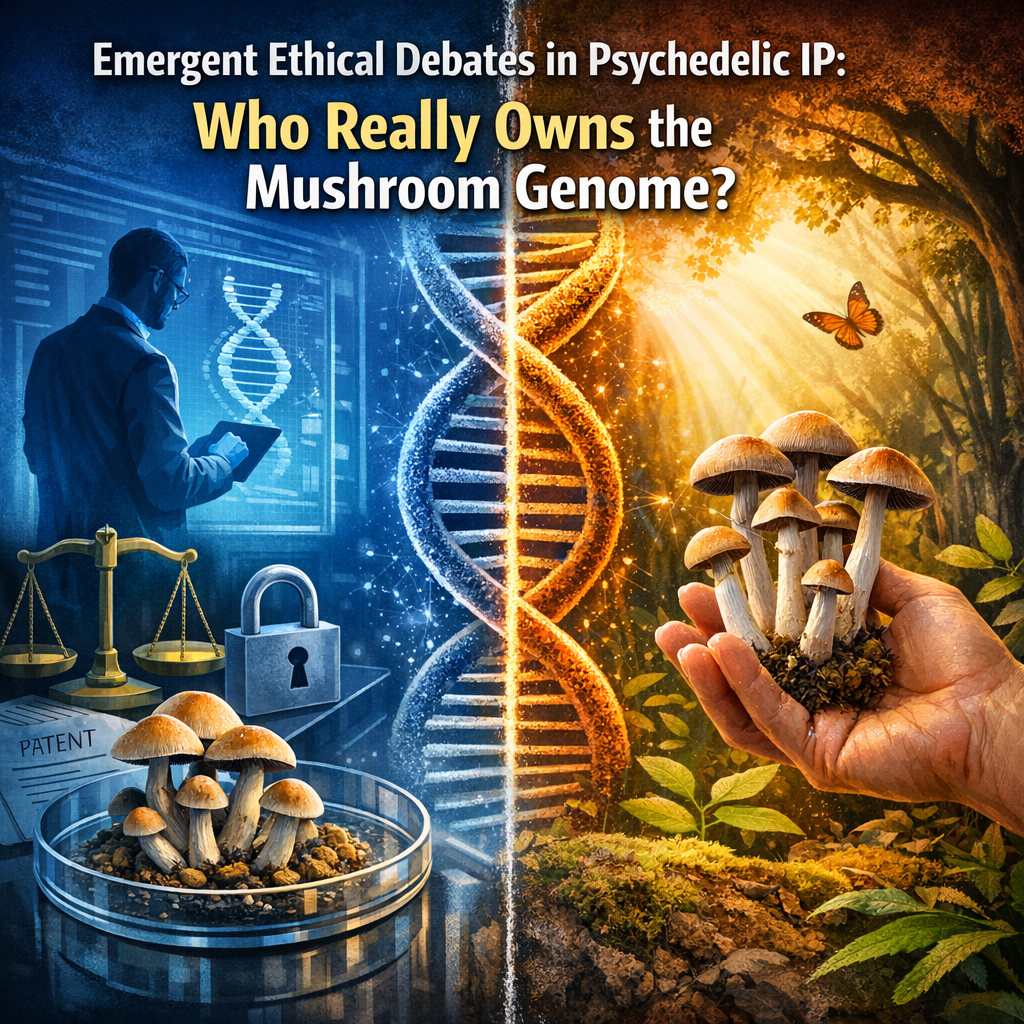
Currently, the **psychedelic therapy research landscape** is fragmented, with various entities conducting isolated studies. An open-source framework could unify these efforts, fostering a global, collaborative network dedicated to exploring the therapeutic potential of psychedelics. However, this transition is not without challenges. Concerns about intellectual property, data privacy, and the reliability of shared research need to be carefully navigated to ensure that open-source psychedelic science is both effective and ethical.
Features
One of the most significant advantages of open-source science frameworks is their potential to enhance research outcomes through collaboration. In the context of psychedelic therapies, this collaboration could lead to groundbreaking discoveries. A prime example can be found in the work of the **Multidisciplinary Association for Psychedelic Studies (MAPS)**, which has long advocated for transparency in the psychedelics field. MAPS has leveraged open access to its data to promote collective problem-solving, resulting in successful studies on **MDMA-assisted psychotherapy** for PTSD, currently in phase three of clinical trials [source](https://maps.org/).
Numerous studies underscore the transformative potential of **psychedelic therapies**, reinforcing the case for open-source frameworks. For instance, a study published in “JAMA Psychiatry” demonstrated that **psilocybin-assisted therapy** significantly reduced symptoms of **major depressive disorder** [source](https://jamanetwork.com/journals/jamapsychiatry/fullarticle/2772630). By employing open science practices, researchers could share data from such trials more widely, potentially encouraging additional studies that refine and replicate these findings.
Moreover, open-source frameworks could facilitate the sharing of best practices in the administration of psychedelic therapy, an area currently marked by variability and experimentation. The **Center for Psychedelic and Consciousness Research** at *Johns Hopkins University*, another leader in the field, has contributed substantially to the body of knowledge on substances like psilocybin [source](https://hopkinspsychedelic.org/). With more studies adopting an open-source approach, the global community can build a robust repository of protocols and findings that can be continually improved upon.
Additionally, adopting open-source frameworks can mitigate some of the ethical concerns associated with psychedelic research. Issues around participant diversity and access to treatment can be better addressed when studies are not confined by commercial interests or exclusive research networks. A more inclusive research environment ensures that the benefits of psychedelic therapies can be equitably distributed across different demographics, ultimately helping to destigmatize their use.
Conclusion
Incorporating open-source science frameworks into psychedelic therapy research could fundamentally reshape the field, making it more collaborative, transparent, and accessible. While challenges such as intellectual property and data privacy remain, the potential for accelerating innovation and addressing ethical concerns is compelling. As the field evolves, adopting an open-source approach could prove essential to realizing the full therapeutic potential of psychedelics. Embracing this framework may ultimately lead to more effective, ethical, and equitable treatments, benefiting millions worldwide.
Concise Summary
The integration of **open-source science frameworks** into **psychedelic therapy research** promises to revolutionize the field by enhancing transparency, collaboration, and accessibility. This approach allows independent researchers and smaller institutions to contribute to and benefit from shared findings, accelerating innovation while addressing ethical concerns such as participant diversity and equitable access. While challenges such as intellectual property and data privacy need to be navigated, the adoption of open-source methodologies could make psychedelic therapies more effective and ethical, fulfilling their potential to transform mental health treatment and benefit millions globally.

Dominic E. is a passionate filmmaker navigating the exciting intersection of art and science. By day, he delves into the complexities of the human body as a full-time medical writer, meticulously translating intricate medical concepts into accessible and engaging narratives. By night, he explores the boundless realm of cinematic storytelling, crafting narratives that evoke emotion and challenge perspectives. Film Student and Full-time Medical Writer for ContentVendor.com