Unlocking the Power of Psychedelic Mushrooms: A Deep Dive into Psilocybin’s Role in Neuroplasticity and Mental Resilience
Introduction
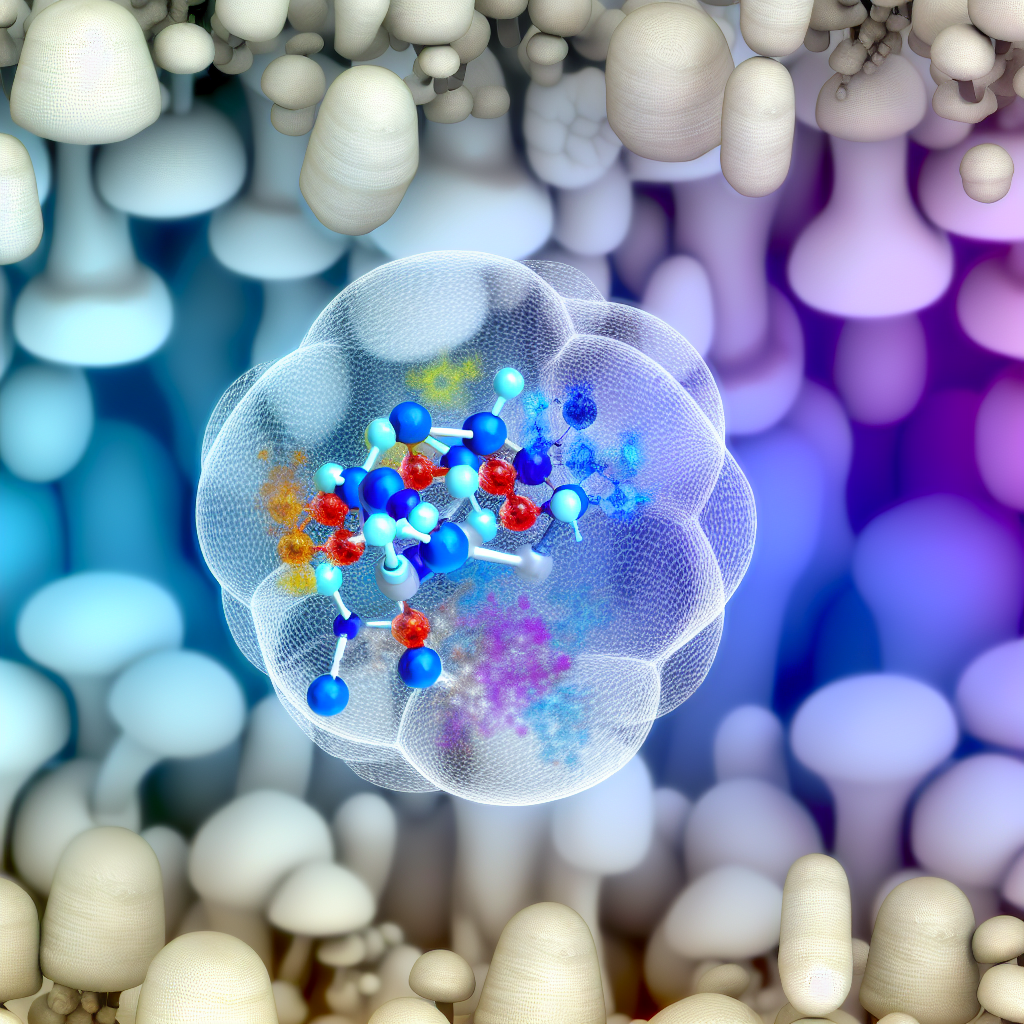
In recent years, the resurgence of interest in **psychedelic substances** highlights a significant shift in the **scientific community** and **public perception**. At the forefront of this revolution is **psilocybin**, the **psychoactive compound** found in certain species of mushrooms, commonly referred to as “magic mushrooms.” Long associated with **indigenous rituals** and **1960s counterculture**, psilocybin has re-entered the limelight as researchers explore its potential therapeutic benefits.
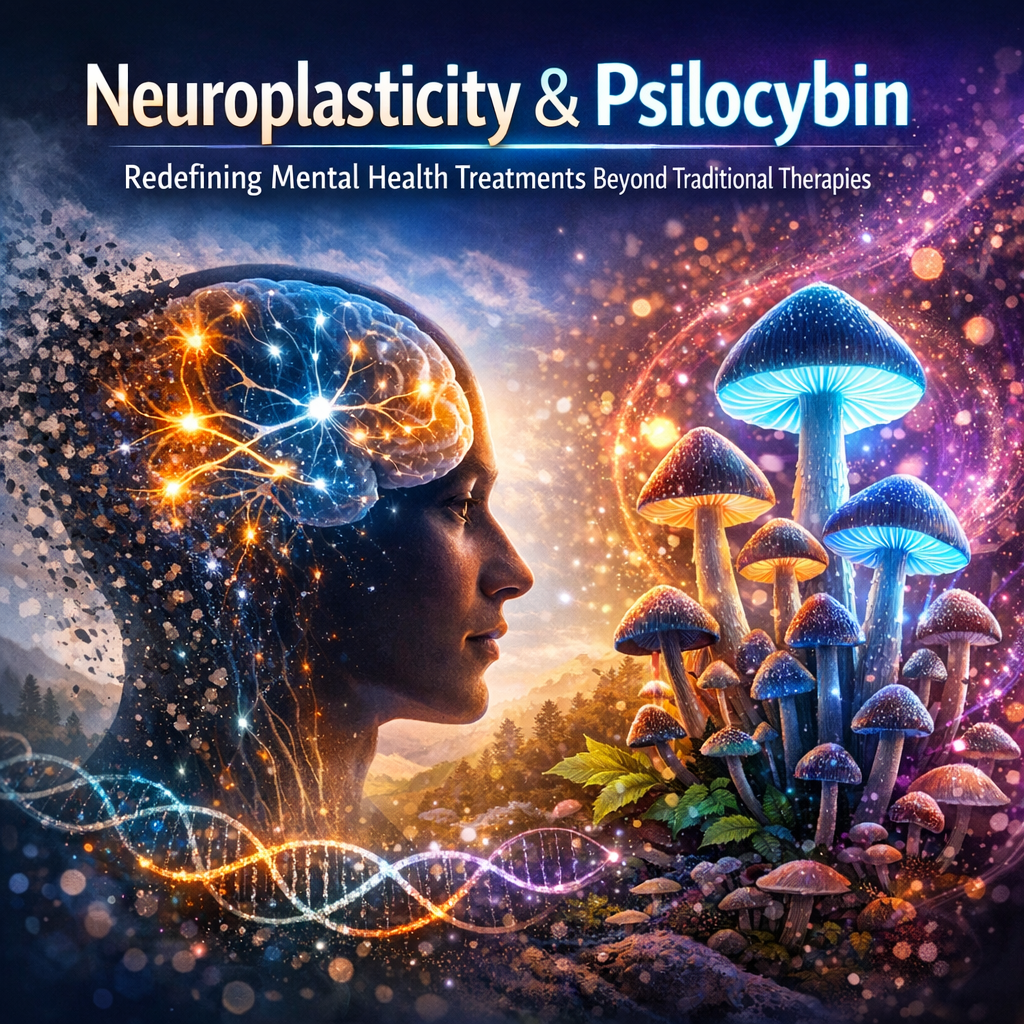
Psilocybin’s allure stems from its profound effect on the brain’s **chemistry** and **structure**, potentially serving as a catalyst for **neuroplasticity**—the brain’s ability to reorganize itself by forming new neural connections throughout life. This rewiring capability is crucial for adapting to new situations, learning processes, and recovering from injury. Neuroscientists have long been fascinated by this phenomenal flexibility, especially as it relates to tackling **mental health issues** such as **depression**, **anxiety**, and **post-traumatic stress disorder (PTSD)**.
As concerns over the effectiveness and side effects of traditional pharmaceuticals grow, psilocybin offers an alternative or complementary approach to mental health treatment. Unlike conventional medications, which often require prolonged usage to maintain efficacy, psilocybin’s impacts can persist and even evolve long after the substance has left the body. This unique profile comes as welcome news to individuals seeking sustainable and holistic solutions for mental well-being.
The narrative around psilocybin is also shaped by its ability to promote **mental resilience**, a trait that enables individuals to effectively manage stress and bounce back from adversity. In today’s fast-paced world, characterized by constant change and uncertainty, the need for resilience has never been more critical.
Before we delve into recent studies and findings demonstrating the therapeutic potential of psilocybin, it’s important to acknowledge the complexity surrounding its legal status. While some regions have **decriminalized** or even **legalized** psilocybin for medical and scientific purposes, it remains a controlled substance in many parts of the world. As such, ongoing research and advocacy are vital to unlocking its full potential within a safe and legal framework.
Features
Several studies have highlighted the promise of psilocybin in promoting neuroplasticity and enhancing mental resilience. A landmark study published in 2016 in the journal *Nature* examined the impact of psilocybin on patients with treatment-resistant depression. The researchers found that psilocybin administration led to significant reductions in depressive symptoms, with some patients experiencing beneficial effects lasting up to six months after a single session. The study attributed these outcomes to psilocybin’s ability to shift the activity of brain networks, leading to changes in perception, emotion, and cognition that might contribute to neuroplasticity ([Carhart-Harris et al., 2016](https://www.nature.com/articles/s41591-018-0055-2)).
Another study conducted at Johns Hopkins University found that psilocybin can cause enduring personality changes. Participants reported lasting increases in **openness**—an appreciation for new experiences and willingness to embrace novelty—following a controlled psilocybin session. Increased openness is associated with enhanced creativity, problem-solving skills, and resilience ([MacLean et al., 2011](https://www.ncbi.nlm.nih.gov/pmc/articles/PMC3537171/)). This suggests that psilocybin could potentially assist individuals in approaching life’s challenges with renewed curiosity and flexibility.
Psilocybin’s ability to facilitate these psychological shifts is believed to stem from its action on **serotonin receptors**, specifically the **5-HT2A receptor**, which plays a vital role in mood regulation and cognitive function. Activation of these receptors is understood to promote the growth of new synapses (the connections between neurons), thereby bolstering neuroplasticity and mental resilience ([Vollenweider & Kometer, 2010](https://journals.sagepub.com/doi/10.1177/0269881110382466)).
Moreover, research has shown that psilocybin can enhance emotional processing and empathy, facilitating increased emotional connectivity and reduction in fears. These effects are vital in the context of mental health, where individuals often disengage from emotional experiences due to past trauma or anxiety.
Conclusion
The potential of psilocybin to revolutionize mental health treatment lies in its ability to affect profound and lasting changes in the brain’s structure and function. By fostering neuroplasticity and enhancing mental resilience, psilocybin offers hope for those seeking transformational healing beyond conventional therapeutic options. As research continues to unfold, psilocybin may one day become a staple in the holistic toolbox for mental well-being, bridging ancient wisdom with contemporary science.
Concise Summary: Psilocybin, found in “magic mushrooms”, is gaining attention for its potential therapeutic benefits. It influences the brain’s chemistry and fosters neuroplasticity, which is key to adapting and overcoming mental health challenges like depression, anxiety, and PTSD. Unlike traditional medications, its effects can last long after use, making it appealing for sustainable mental health solutions. With ongoing research and changes in legal status, psilocybin might soon be integral to mental well-being practices, offering holistic and transformative healing options.

Dominic E. is a passionate filmmaker navigating the exciting intersection of art and science. By day, he delves into the complexities of the human body as a full-time medical writer, meticulously translating intricate medical concepts into accessible and engaging narratives. By night, he explores the boundless realm of cinematic storytelling, crafting narratives that evoke emotion and challenge perspectives. Film Student and Full-time Medical Writer for ContentVendor.com