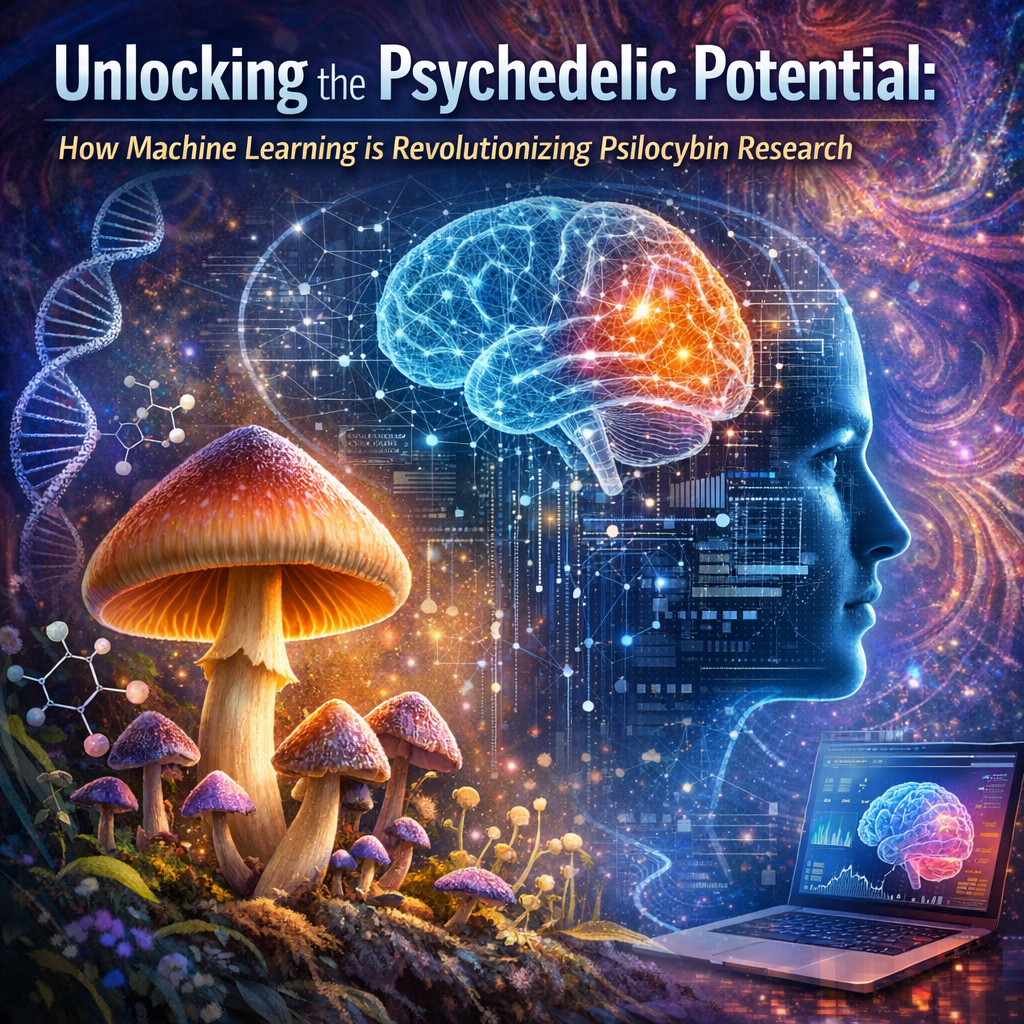
Unlocking the Psychedelic Potential: How Machine Learning is Revolutionizing Psilocybin Research
In recent years, the landscape of **psychedelic research** has experienced a renaissance, driven by a growing body of evidence supporting the therapeutic potential of **psilocybin**—the psychoactive compound found in magic mushrooms. Where traditional psychopharmacology has often struggled to address the complexities of the human mind, psilocybin offers a novel approach, showing promise in treating mental health disorders like **depression**, **anxiety**, and **PTSD**.
However, the journey from research to reliable treatment is fraught with complexity. The psychedelic effects of psilocybin are highly subjective, varying widely between individuals. Factors such as genetic makeup, psychological state, and environmental influences create a tapestry of unique experiences. In this intricate landscape, understanding and predicting psilocybin’s effects demand more than traditional research methodologies can offer.
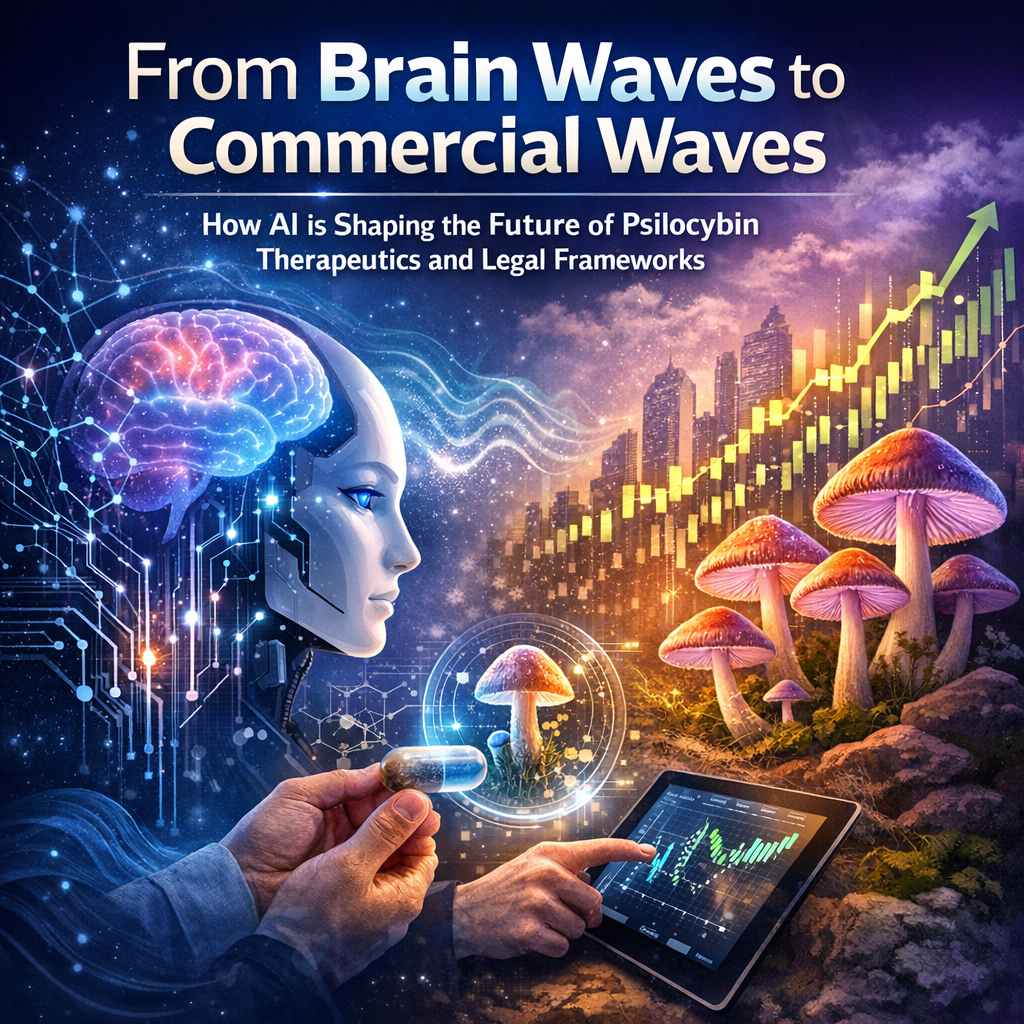
Enter **machine learning**—a revolutionary tool reshaping numerous scientific domains with its ability to interpret vast datasets and uncover patterns that might be invisible to the human eye. In psilocybin research, machine learning is deployed to analyze complex datasets arising from clinical trials, user experiences, and genetic studies. By leveraging algorithms to detect intricate relationships, researchers are moving closer to personalized psychedelic therapies.
The implications of combining machine learning with psilocybin research are profound. With the ability to tailor treatments to individual needs, the therapeutic use of psilocybin could become safer and more effective. Moreover, machine learning models can identify **biomarkers**—biological indicators suggesting an individual’s likely response to psilocybin—which are crucial for optimizing treatment protocols.
Moreover, this confluence of technology and psychedelics is streamlining the drug discovery process. Machine learning algorithms, by analyzing chemical databases and predicting biological activity, can accelerate the development of new psilocybin derivatives with enhanced therapeutic potential and minimized side effects.
As mental health issues increasingly impact our society, the fusion of psilocybin research and machine learning offers a promising frontier. By harnessing the capabilities of **artificial intelligence**, we stand on the brink of a new era in mental health care, where treatments are not only more innovative but tailored to the unique needs of each individual.
Features
The application of machine learning in psilocybin research is illustrated by several pioneering studies that showcase its transformative potential. One notable project is being conducted by the Psychedelic Research Group at [Imperial College London](https://www.imperial.ac.uk/psychedelic-research-centre), where advanced machine learning models are employed to analyze brain imaging data from individuals under the influence of psilocybin. This approach aims to delineate which neural pathways are engaged during the psychedelic experience, providing insights into the compound’s therapeutic mechanisms.
Furthering our understanding, a study conducted at [Johns Hopkins University](https://hopkinspsychedelic.org/) has utilized machine learning to predict the long-term effects of psilocybin-based therapy in patients with major depressive disorder. By evaluating data from clinical trials, researchers were able to identify patterns indicative of successful treatment outcomes, thereby refining patient selection criteria and optimizing therapeutic protocols.
Additionally, the rising field of **computational psychiatry** benefits from machine learning through the identification of potential biomarkers for treatment response. The [University of Toronto’s Centre for Psychedelic Studies](https://www.psychedelics.utoronto.ca/) is leveraging these techniques to develop models that incorporate genetic, psychological, and experiential data to forecast individual responses to psilocybin. Such advancements are critical for mitigating risks and enhancing the safety profile of psychedelic therapies.
Furthermore, collaborations between pharmaceutical companies and tech firms are accelerating the development of novel psilocybin analogs. These partnerships utilize machine learning algorithms to swiftly screen compounds, prioritizing those with optimal therapeutic profiles. This has not only shortened the drug discovery timeline but has also expanded the landscape of potential therapeutic agents derived from psilocybin.
Conclusion
The integration of machine learning into psilocybin research heralds a new chapter in mental health therapy. By unraveling the complexities of the psychedelic experience and tailoring treatments to individual needs, we are inching closer to a future where mental health disorders are addressed with precision and efficacy. As we continue to unlock the psychedelic potential, the marriage of technology and psychedelics promises a transformative impact on both research and patient care.
**Concise Summary:** The resurgence of psychedelic research underscores psilocybin’s promise in treating mental health disorders. Machine learning is pivotal in decoding its complex effects, paving the way for personalized therapies. By identifying biomarkers and optimizing treatment, AI enhances safety and efficacy. Notable studies at institutions like [Imperial College London](https://www.imperial.ac.uk/psychedelic-research-centre) and [Johns Hopkins University](https://hopkinspsychedelic.org/) underscore AI’s transformative role, also expediting novel psilocybin derivative development. Overall, this tech-driven approach heralds a new era in precise mental health care, addressing individual needs with innovative solutions.

Dominic E. is a passionate filmmaker navigating the exciting intersection of art and science. By day, he delves into the complexities of the human body as a full-time medical writer, meticulously translating intricate medical concepts into accessible and engaging narratives. By night, he explores the boundless realm of cinematic storytelling, crafting narratives that evoke emotion and challenge perspectives. Film Student and Full-time Medical Writer for ContentVendor.com