###
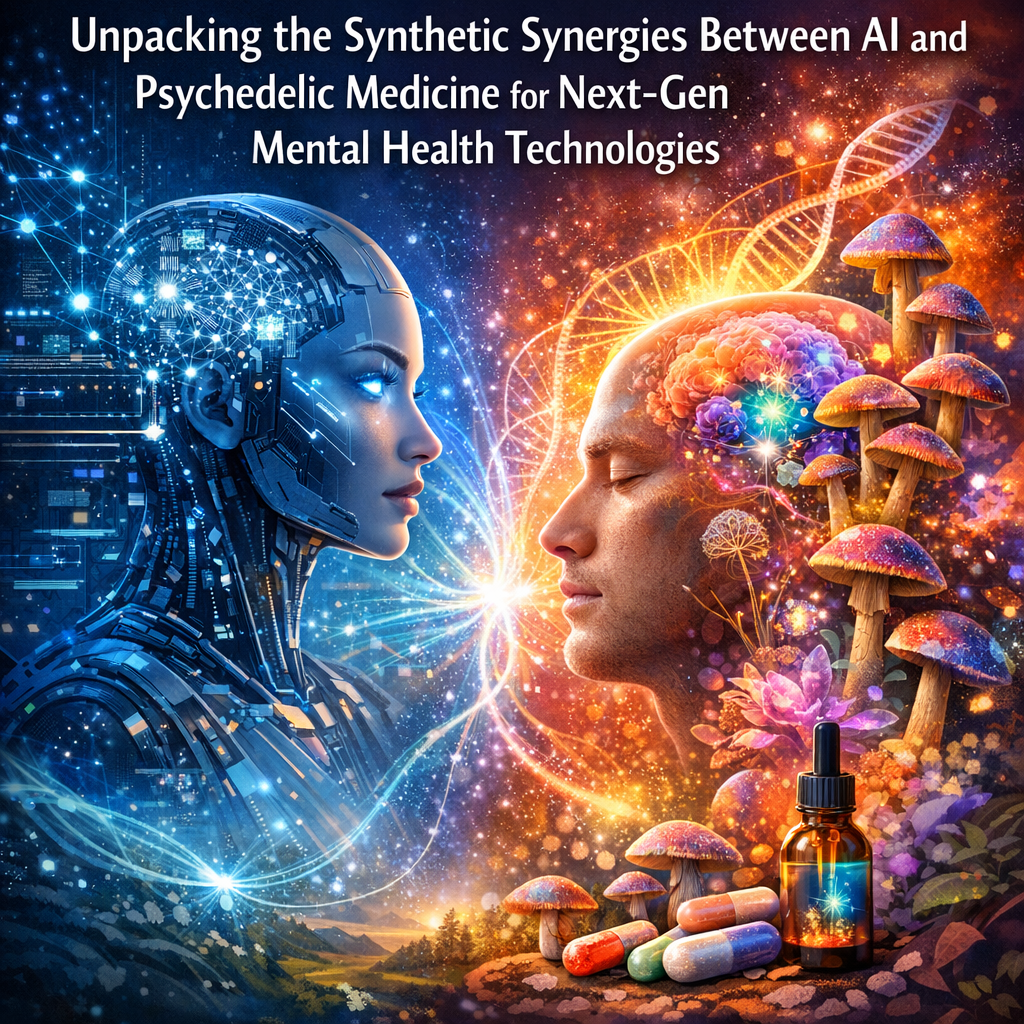
Unpacking the Synthetic Synergies Between AI and Psychedelic Medicine for Next-Gen Mental Health Technologies
The confluence of **artificial intelligence (AI)** and **psychedelic medicine** is forging a revolutionary path in mental health therapies. These cutting-edge technologies are addressing challenging conditions like **depression**, **anxiety disorders**, and **PTSD**. Evidence suggests that psychedelics, such as **psilocybin**, have therapeutic potential, but their effects can vary greatly. Here, AI offers tools to personalize treatments, maximizing efficacy and safety.
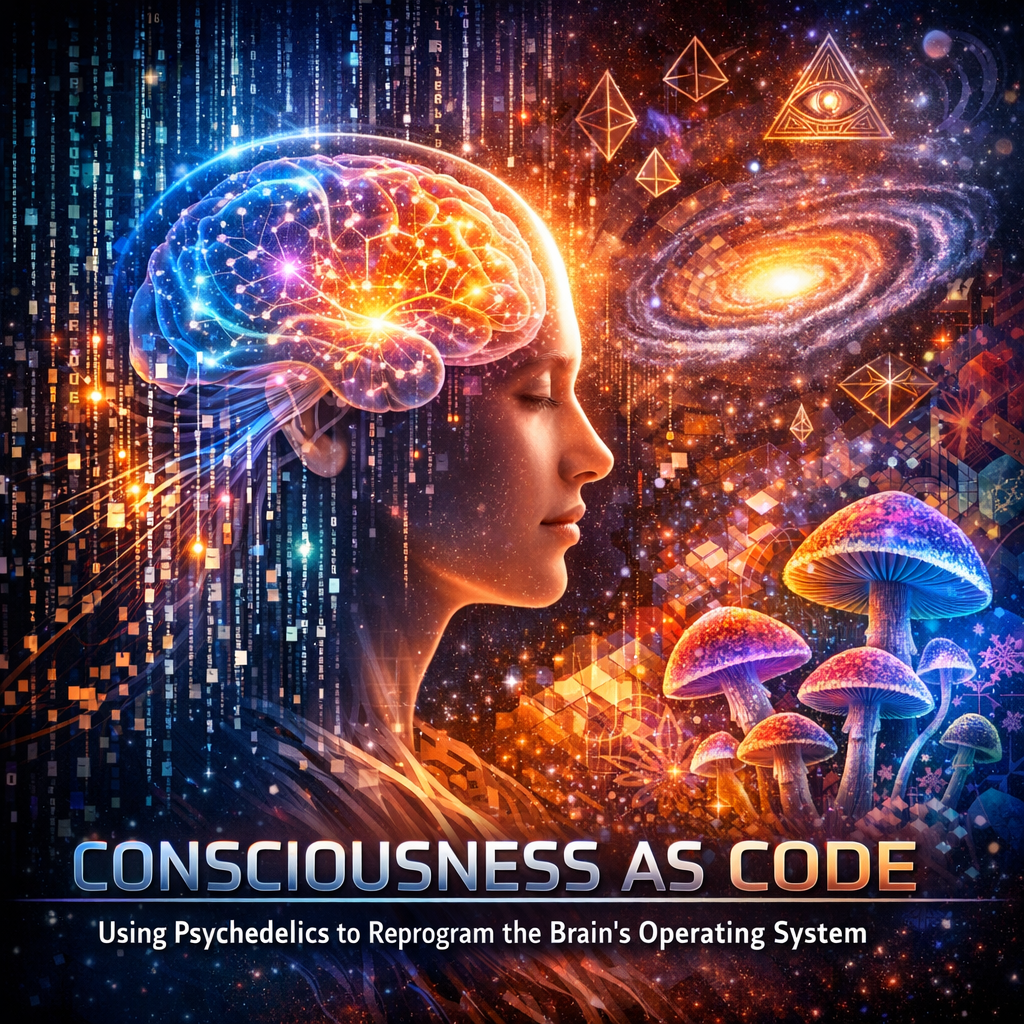
AI’s ability to process large data volumes with speed and accuracy is promising for identifying patterns in how psychedelics affect brain function. Through advanced algorithms and **machine learning models**, AI analyzes clinical trial data, neuroimaging studies, and genetic information, paving the way for individualized treatment regimens. In an often one-size-fits-all mental health world, this fusion promises personalized, effective therapies.
Researchers are exploring how AI supports the **drug discovery process** for psychedelics, identifying new compounds or optimizing existing ones. AI predicts how structural changes in psychedelic compounds may influence brain receptor interactions, potentially leading to better analogs. AI models also optimize dosage and delivery methods to minimize side effects.
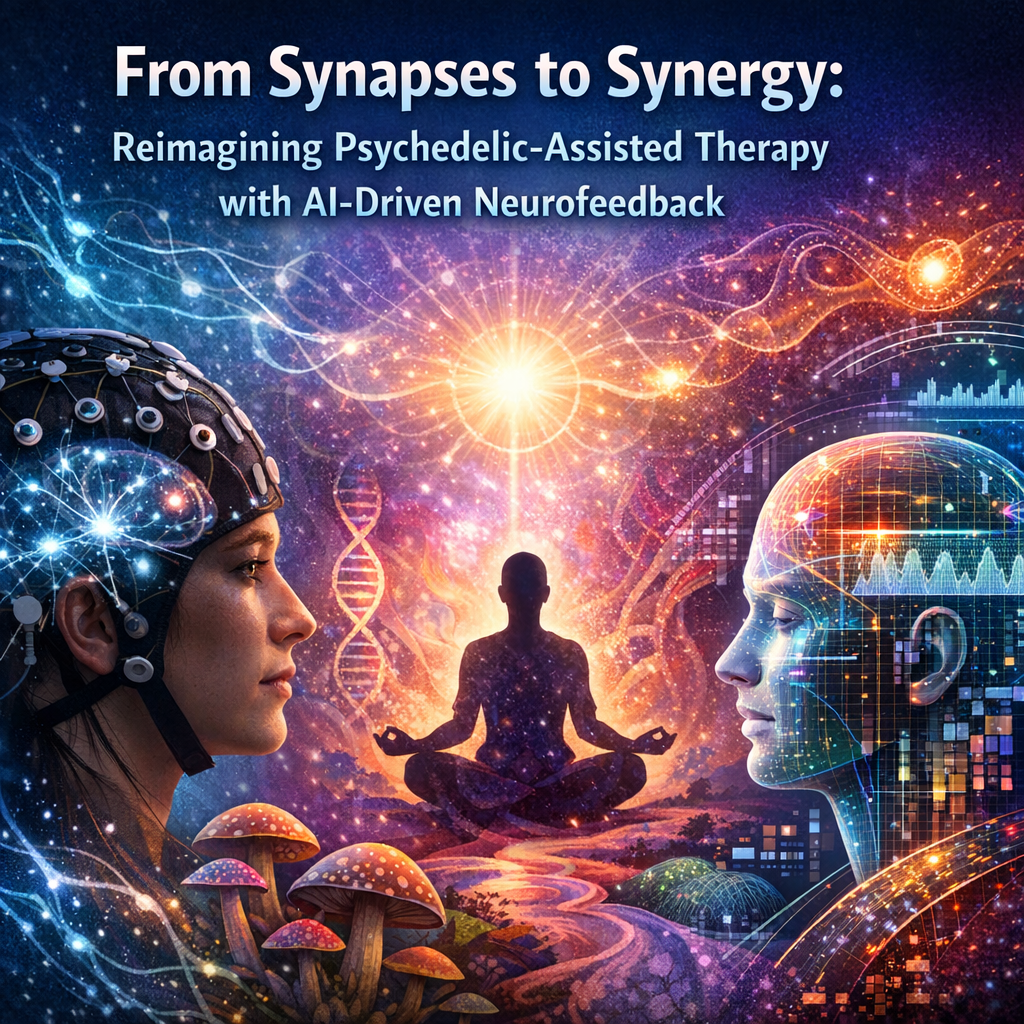
The integration of AI within psychedelic therapy extends into therapeutic settings. AI-driven platforms predict individual responses to treatment and monitor patient progress in real-time. These platforms offer a dynamic therapeutic framework, making treatment adaptable and responsive to evolving needs.
###
Features
Several professional and medical studies underline the potential synergies between AI and psychedelic medicine. For example, researchers at the Centre for Psychedelic Research at **Imperial College London** utilized **machine learning algorithms** to analyze brain scans under psychedelic influence. Findings suggested that AI could map neural correlates associated with these experiences, predicting therapeutic outcomes ([Imperial College London](https://www.imperial.ac.uk/news/197573/analysing-psychedelic-music-how-melodies-brain/)).
A study published in *Nature Machine Intelligence* demonstrated AI in drug discovery, showing that deep learning models could predict psychoactivity of new compounds based on datasets of known substances ([Nature Machine Intelligence](https://www.nature.com/articles/s42256-019-0098-3)).
At **Johns Hopkins University**, AI models personalized psychedelic treatments. Research showed that AI could predict optimal dosing by integrating patient-specific data, reducing adverse effects while maximizing benefits ([Johns Hopkins University](https://hopkinspsychedelic.org/)). This approach reduces the trial-and-error nature of traditional therapies, leading to enhanced outcomes.
These studies highlight that AI complements psychedelic medicine by augmenting research capabilities and ensuring precise, patient-centric treatments. As mental health issues become more prevalent, leveraging AI enhances therapies’ safety and efficacy. By harnessing AI’s predictive power, we better tailor treatments and uncover the full potential of psychedelics in mental health care.
###
Conclusion
The fusion of AI and psychedelic medicine is poised to redefine mental health treatments. Advancements promise personalized, effective, and safer options. Embracing this synergy marks a mental health revolution, where understanding and compassion pair with technological prowess. The future of mental health is grounded in science and supported by AI, marking a new interdisciplinary care chapter.
###
Concise Summary
The combination of artificial intelligence (AI) and psychedelic medicine is revolutionizing mental health therapies by offering personalized, effective treatments for conditions like depression, anxiety disorders, and PTSD. AI’s advanced algorithms analyze clinical data, optimizing drug discovery and individualizing therapy, ensuring safer, patient-centric approaches. Studies from institutions like Imperial College London highlight AI’s capability to map neural patterns and predict therapeutic outcomes, while research from Johns Hopkins University demonstrates AI’s role in tailoring optimal dosing. This integration heralds a transformative future in mental health care, emphasizing personalized, science-backed therapies powered by AI innovations.

Dominic E. is a passionate filmmaker navigating the exciting intersection of art and science. By day, he delves into the complexities of the human body as a full-time medical writer, meticulously translating intricate medical concepts into accessible and engaging narratives. By night, he explores the boundless realm of cinematic storytelling, crafting narratives that evoke emotion and challenge perspectives. Film Student and Full-time Medical Writer for ContentVendor.com