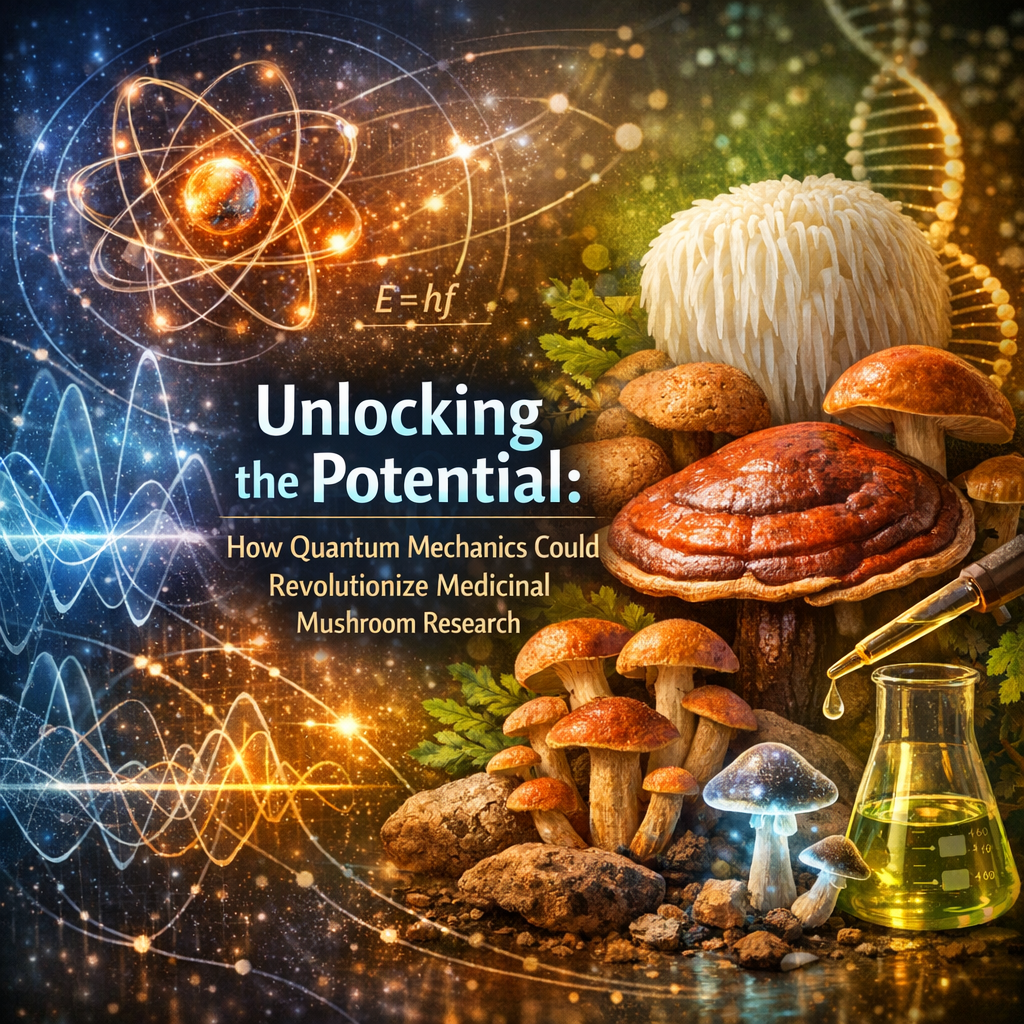
Unlocking the Potential: How Quantum Mechanics Could Revolutionize Medicinal Mushroom Research
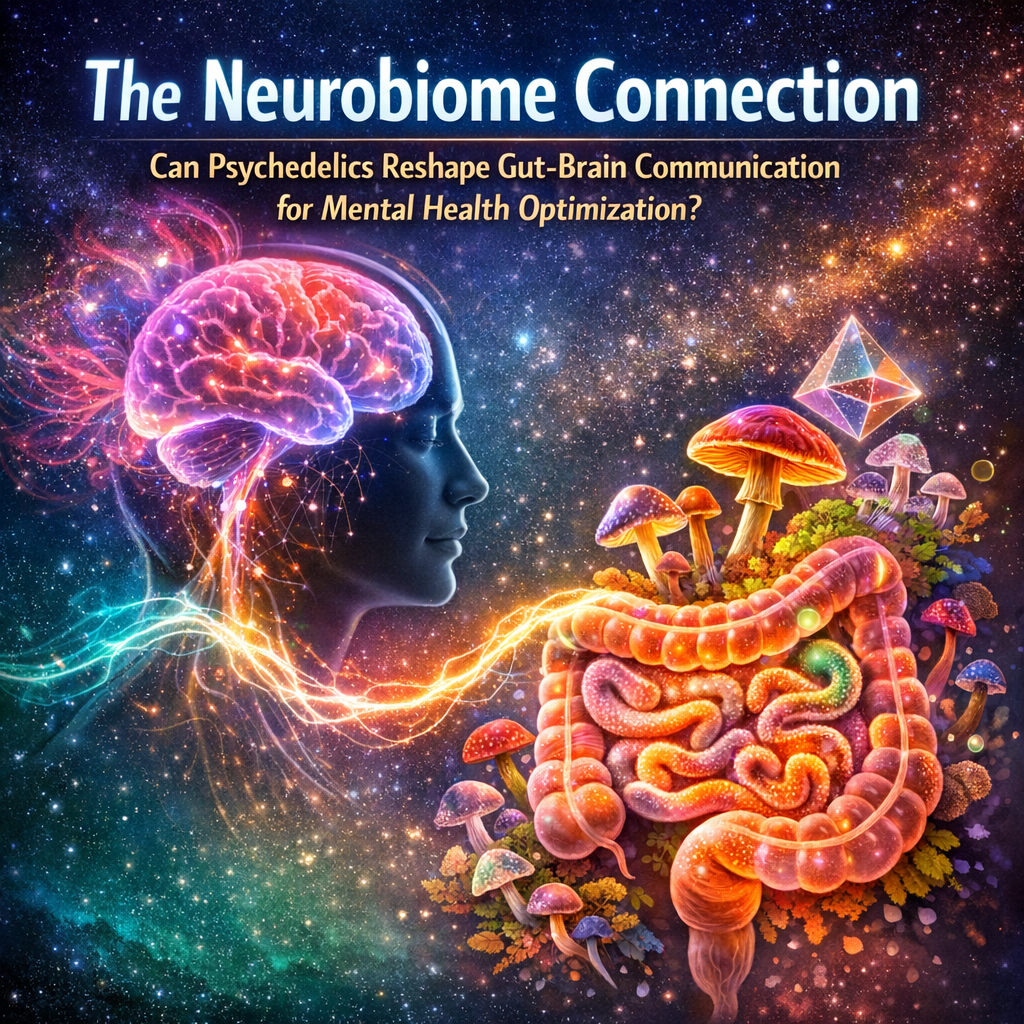
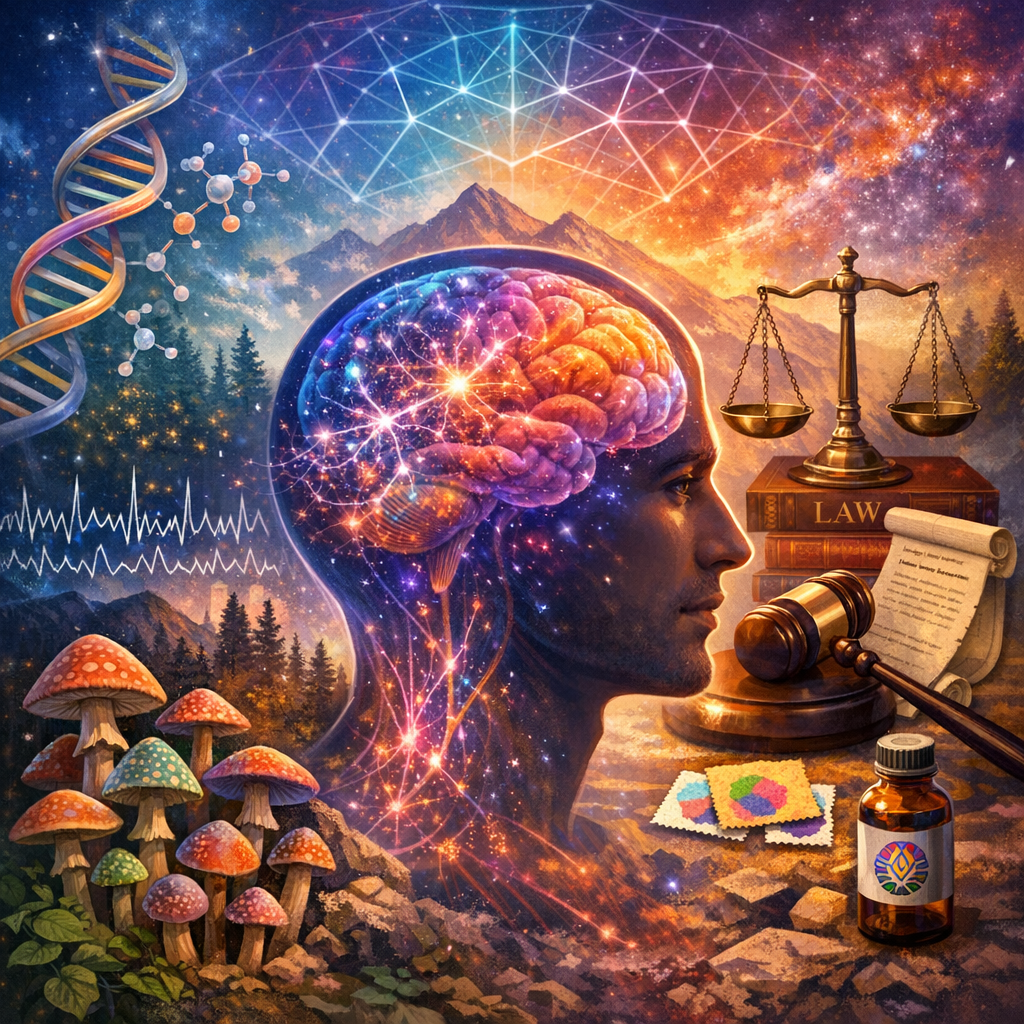
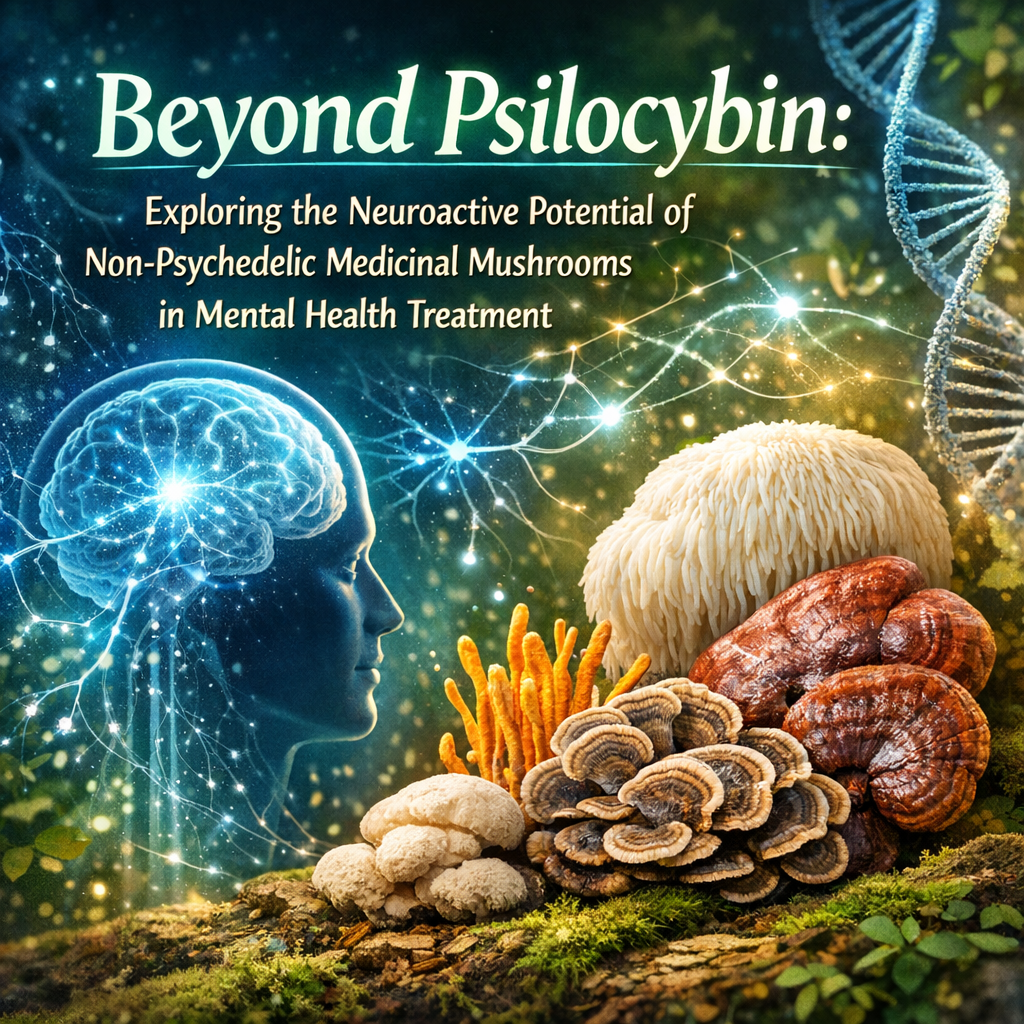
In recent years, the realm of **medicinal mushrooms** has garnered substantial interest due to their remarkable therapeutic properties. These **fungi**, which include species like **Reishi**, **Lion’s Mane**, and **Psilocybe cubensis**, have been studied for their potential in combating a range of ailments, from **immune disorders** to **mental health issues**. As the interest in medicinal mushrooms swells, researchers are on a relentless quest to unravel the mysteries behind their powerful effects. Could the key to understanding these effects lie in the complex world of **quantum mechanics**?
**Quantum mechanics**, a fundamental theory in physics, explores the nature of energy and matter at the quantum level – the scale of **atoms** and **subatomic particles**. Although it may seem far removed from the organic world of mushrooms, quantum mechanics has already demonstrated its utility in breaking new ground within biology and medicine. By applying the principles of quantum mechanics, researchers hope to unlock intricate **biological systems** and processes within medicinal mushrooms that have thus far remained elusive to traditional scientific approaches.
One of the intriguing aspects of mushrooms is their **bioactive compounds**, such as **beta-glucans**, **terpenoids**, and **psilocybin**, which possess unique pharmacological activities. At the molecular level, quantum mechanics could offer insights into the electron interactions that govern these compounds’ behavior, potentially leading to novel therapeutic applications. Moreover, since quantum mechanics highlights phenomena like **entanglement** and **superposition**, it could help explain the mushroom compounds’ synergy, where two or more components interact to produce an effect greater than the sum of their parts.
Furthermore, investigating the quantum properties of these compounds could lead to significant advances in drug formulation and delivery methods, allowing for optimized absorption and targeted effects in the human body. This approach not only opens doors for more effective treatments but also furthers our understanding of how these natural elements interact with human physiological systems.
Features:
In recent decades, scientific studies have begun to explore the intersection of quantum mechanics and biology with promising results. Researchers at the University of California, Berkeley, and MIT have conducted pioneering studies indicating that quantum effects play crucial roles in **photosynthesis**, **enzyme reactions**, and even in the process of **olfaction**. These findings suggest that the application of quantum mechanics to biology is not only viable but also transformative.
A prominent example relevant to medicinal mushrooms is the study of quantum **entanglement** and **coherence** in biochemical processes. For instance, a study published in the journal Nature on photosynthetic organisms highlighted how these organisms exploit quantum coherence to efficiently transfer energy at room temperature. Understanding similar mechanisms could elucidate how bioactive compounds in mushrooms interact at the cellular level to exert health benefits.
Moreover, the concept of quantum **tunneling**, where particles pass through barriers, might offer explanations for the efficient, selective absorption of mushroom-derived compounds by human tissues. This was explored in a study published in Chemical Reviews, which emphasized the role of tunneling in enzyme reactions that are critical to metabolism and drug interactions.
By applying these quantum principles, researchers could potentially reveal novel therapeutic pathways and assist in synthesizing more potent derivatives of the compounds found in medicinal mushrooms. For example, by leveraging the superposition principle, it’s conceivable to optimize mushroom compounds, tailoring them to specific molecular targets in human cells, thereby enhancing their efficacy.
In addition, the quantum study of psilocybin, the psychoactive compound in “magic mushrooms,” is particularly promising. Researchers from Imperial College London are investigating how quantum-level interactions might underlie psilocybin’s profound effects on the brain, offering new insights into its potential as a treatment for **depression** and **PTSD**.
Conclusion:
As the exploration of quantum mechanics in biological systems continues to flourish, its potential to revolutionize the study and application of medicinal mushrooms is immense. By tapping into this cutting-edge scientific frontier, we can deepen our understanding of these powerful natural remedies, paving the way for groundbreaking treatments that harness their full therapeutic potential. With continued research and collaboration across disciplines, the future of medicinal mushroom research stands on the brink of a quantum leap.
**Concise Summary:**
The exploration of **quantum mechanics** holds significant potential to revolutionize **medicinal mushroom research**. These mushrooms, rich in therapeutic compounds like **beta-glucans** and **psilocybin**, could yield significant breakthroughs when examined through a quantum lens. Quantum principles, such as **entanglement** and **superposition**, may unravel complex interactions at a molecular level, suggesting new drug delivery methods and therapeutic applications. Pioneering studies at institutions like UC Berkeley and MIT support this potential, emphasizing its transformative implications for health and medicine.
**References:**
– [Nature](https://www.nature.com)
– [Chemical Reviews](https://pubs.acs.org/journal/chreay)
– [Imperial College London](https://www.imperial.ac.uk)
– [University of California, Berkeley](https://www.berkeley.edu)
– [MIT](http://web.mit.edu)

Dominic E. is a passionate filmmaker navigating the exciting intersection of art and science. By day, he delves into the complexities of the human body as a full-time medical writer, meticulously translating intricate medical concepts into accessible and engaging narratives. By night, he explores the boundless realm of cinematic storytelling, crafting narratives that evoke emotion and challenge perspectives. Film Student and Full-time Medical Writer for ContentVendor.com