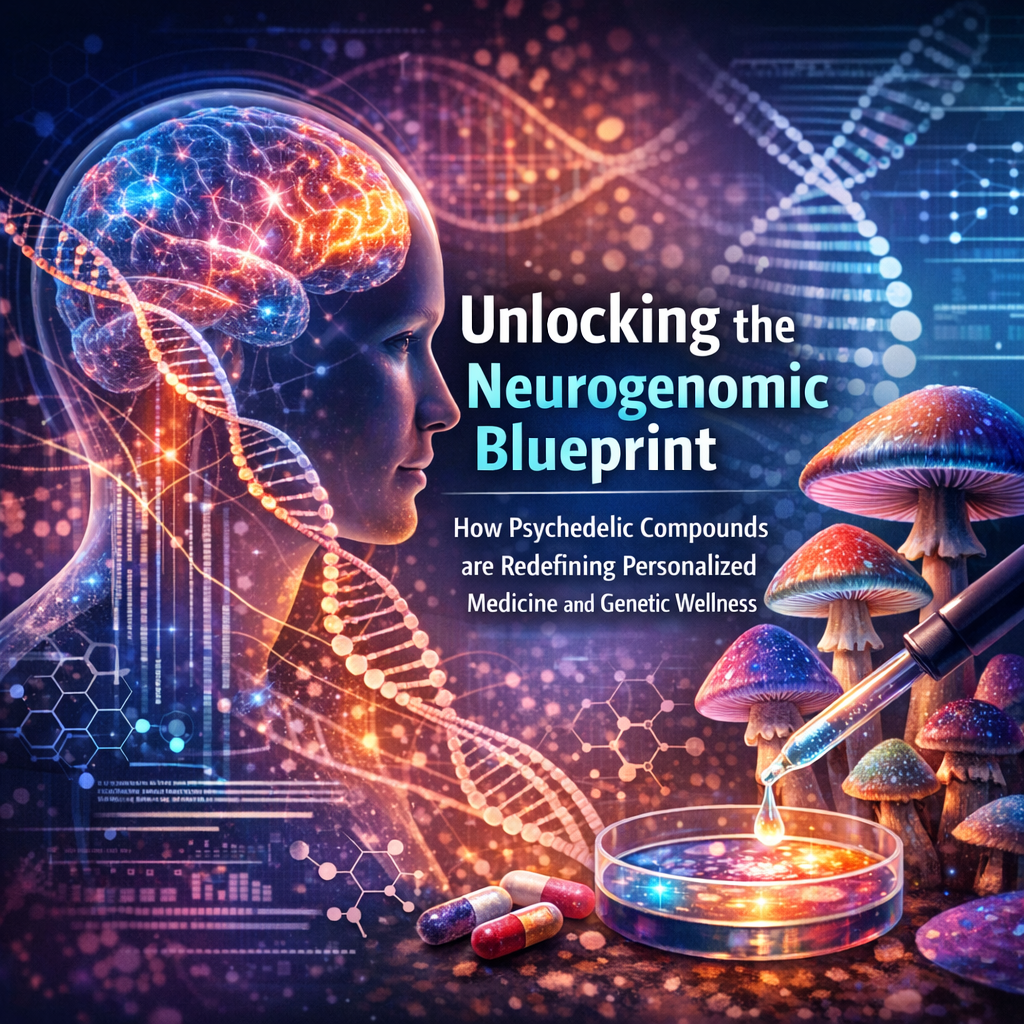
Unlocking the Neurogenomic Blueprint: How Psychedelic Compounds are Redefining Personalized Medicine and Genetic Wellness
In recent years, the fusion of **psychedelics** and **genomics** has emerged as a groundbreaking frontier in **personalized medicine**, with the potential to revolutionize the way we approach mental health and wellness. Central to this paradigm shift is the role of **psychedelic compounds**, such as **psilocybin**, in tapping into the human **neurogenomic blueprint**. This refers to the intricate relationship between the mind’s cognitive processes and the underlying genetic frameworks. The unlocking of this blueprint through psychedelics heralds a new era where treatment is customized at the genetic level, offering precision and efficacy previously unattainable by conventional medicine.
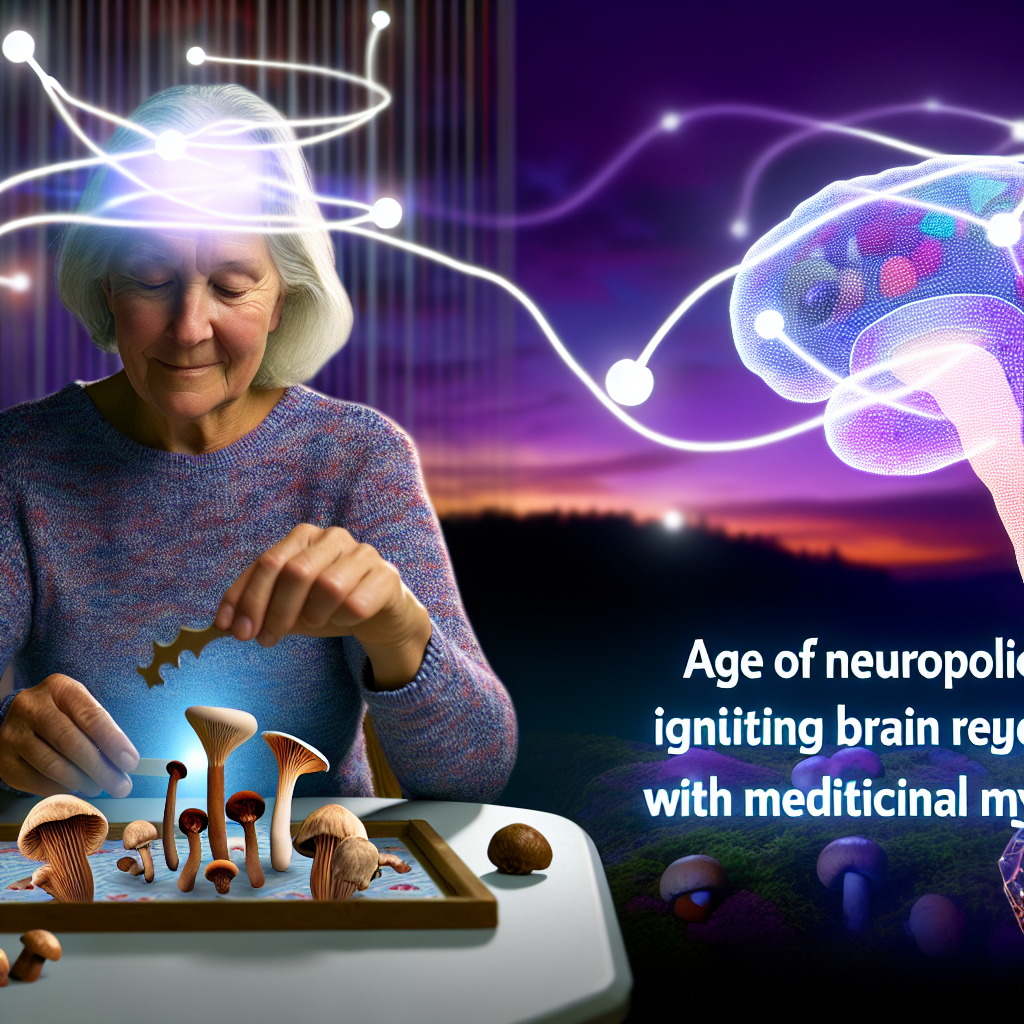
**Psilocybin**, the active compound found in certain mushrooms, has long been considered a mind-altering substance with profound implications for psychological states. However, recent scientific inquiry suggests its influence extends further, affecting the expression of specific genes associated with brain plasticity, mood regulation, and neural connectivity. What was once dismissed as a “hallucinogenic escapade” is now being rigorously examined for its capacity to foster neuron growth, repair brain injuries, and mitigate mental health disorders such as depression, PTSD, and anxiety.
This burgeoning interest in the **neurogenomic potential** of psychedelics is fueled by the convergence of technological advancements in genetic sequencing and a deeper understanding of brain chemistry. Researchers are beginning to map out how these compounds interact with distinct genetic markers, thereby personalizing treatment plans based on individual genetic makeup. The implications are profound, as it opens up the possibility for each person to receive tailored interventions that align more closely with their unique genetic disposition, offering a bespoke strategy in managing mental health.
Such a personalized approach is poised to replace the traditional one-size-fits-all model that often dominates medical practice. By targeting specific genes, psilocybin and other psychedelics may enable customized modulation of neural pathways, enhancing cognitive resilience and psychological well-being. This approach not only promises to optimize therapeutic outcomes but also minimizes the risk of adverse effects, a critical consideration in mental health treatment. The quest to unlock the neurogenomic blueprint through psychedelics is no longer a distant dream but an evolving reality that holds transformative potential for genetic wellness.
Features
Recent scientific studies lend credence to the notion that psychedelics like psilocybin could redefine personalized medicine. A pivotal study published in [Nature](https://www.nature.com/articles/s41591-018-0116-2) investigated the effects of psilocybin on the brain, revealing significant increases in neuron growth and synaptic connectivity. This heightened plasticity suggests potential applications for treating neurological disorders and optimizing cognitive function, particularly in patients who are resistant to conventional therapies.
In another groundbreaking study, researchers at [Johns Hopkins University](https://hopkinspsychedelic.org/) explored the genomic implications of psilocybin intake. By sequencing the genomes of participants before and after administration, the study revealed alterations in gene expression, particularly those genes involved in serotonin signaling and neuroplasticity. These findings underscore the potential of psychedelics to remodel the neurogenomic landscape, providing a tailored approach to mental health treatment.
Moreover, the Beckley Foundation advocates further exploration into how psilocybin impacts epigenetic markers—small molecular tags that modify the genome dynamically. Changes in these markers can lead to the modulation of stress response pathways and **inflammation** genes, presenting a possible mechanism by which psychedelics impact mental health at a genetic level. This finding is significant as it suggests the beneficial effects of psychedelics could be both profound and lasting, altering not just the mind but also the genetic codes that govern its functionality. [Link to study](https://www.beckleyfoundation.org/)
Overall, these studies illuminate the intricate ways in which psychedelic compounds can interface with our genetic architecture, opening up possibilities for novel treatment modalities and advancing the field of personalized medicine. By leveraging this emerging knowledge, healthcare professionals can formulate more effective, individualized treatment protocols, revolutionizing mental health care to accommodate the complex genetic and neurochemical diversity of patients.
Conclusion
In conclusion, as the realms of psychedelics and genomics increasingly intersect, the dawn of personalized medicine driven by our own neurogenomic blueprints becomes more attainable. Psilocybin and similar compounds are not just reshaping our understanding of mental health treatment; they are pioneering a route towards bespoke wellness solutions grounded in genetic insight. As research progresses, the integration of these findings into everyday healthcare practices offers a promising horizon for those seeking personalized and effective interventions.
For further reading and resources, please refer to the [Nature](https://www.nature.com/) and [Johns Hopkins University](https://hopkinspsychedelic.org/) websites.
Concise Summary
The fusion of **psychedelics** and **genomics** is transforming personalized medicine, with compounds like **psilocybin** unlocking the **neurogenomic blueprint** for tailored mental health treatments. Recent studies reveal psilocybin’s influence on gene expression, enhancing brain plasticity, and suggesting potential for treating resistant **mental health disorders**. By interacting with genetic markers, these substances promote personalized interventions, replacing traditional treatment methods and minimizing adverse effects. As research progresses, these advancements promise to revolutionize **mental health care** through genetic insights, providing bespoke wellness solutions.

Dominic E. is a passionate filmmaker navigating the exciting intersection of art and science. By day, he delves into the complexities of the human body as a full-time medical writer, meticulously translating intricate medical concepts into accessible and engaging narratives. By night, he explores the boundless realm of cinematic storytelling, crafting narratives that evoke emotion and challenge perspectives. Film Student and Full-time Medical Writer for ContentVendor.com