Uncovering the Neurogenesis Trigger: How Mushrooms May Rewire the Brain for Mental Health
In recent years, the conversation around **mental health** has evolved beyond traditional **pharmaceutical treatments** to include more **natural interventions**. Among these natural remedies, **mushrooms** have garnered significant attention—particularly those containing compounds like **psilocybin** and **lion’s mane**. Historically, mushrooms have been utilized in various cultures for their potential health benefits. Modern science is now uncovering how these fungi might play a direct role in promoting **neurogenesis**, the process by which new neurons are formed in the brain. This phenomenon is particularly relevant for mental health, as it offers a promising avenue for addressing conditions such as **depression**, **anxiety**, and **PTSD**.
Neurogenesis was once thought to be impossible in the adult brain. However, research in the last few decades has overturned this belief, revealing that the brain possesses a remarkable capacity for regeneration. This groundbreaking discovery has triggered an avalanche of research into how various substances and lifestyle changes can enhance this process. **Mushrooms**, with their unique biochemical profiles, are at the forefront of this exploration.
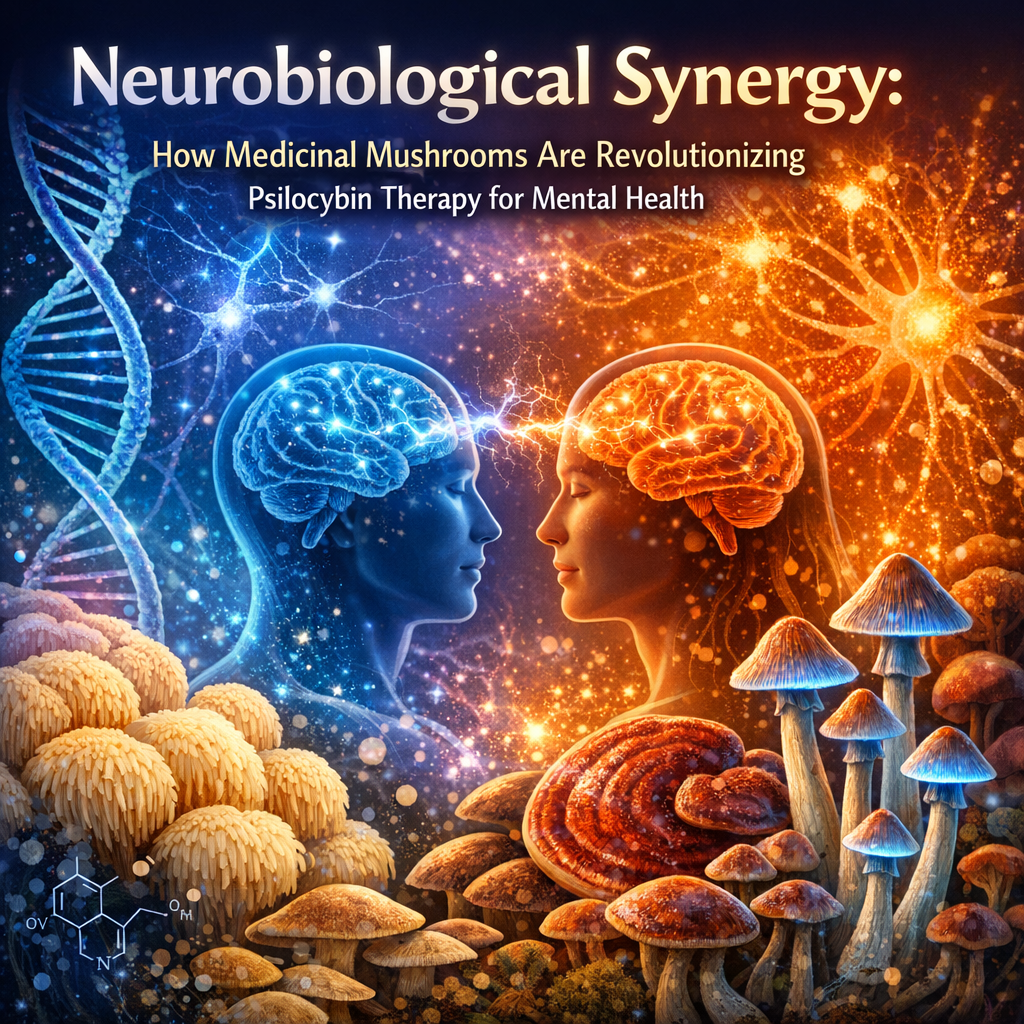
Compounds such as **psilocybin** and **hericenones** found in **psilocybin mushrooms** and **lion’s mane**, respectively, have been shown in preliminary studies to promote neurogenesis and enhance cognitive function. Psilocybin, a naturally occurring psychedelic compound, is being celebrated for its ability to create new neural connections, which can help alleviate symptoms of various mental health disorders. Meanwhile, lion’s mane is being examined for its non-psychedelic properties that support cognitive health by promoting nerve growth factor (NGF), a crucial molecule in developing and maintaining neurons.
As we continue to explore the potential of these natural compounds, the focus has been on understanding how precisely they affect brain chemistry and structure. Could mushrooms indeed be a turning point in treating mental health issues more effectively and with fewer side effects than traditional medications? This question is leading to not only an array of scientific inquiries but also a shift in how mental health is perceived and treated globally. The journey of uncovering the neurogenesis trigger in mushrooms invites both intrigue and hope, suggesting a future where natural substances complement or even substitute conventional therapies.
Features: Exploring the Science Behind Mushrooms and Neurogenesis
Understanding the scientific foundation of mushrooms’ effects on the brain is crucial for appreciating their potential as treatments. A notable study by [**Johns Hopkins University**](https://www.hopkinsmedicine.org/news/newsroom/news-releases/hopkins-researchers-use-psychedelic-treatment-to-relieve-formal-major-depression) demonstrated that psilocybin could reset the brain’s activity, akin to changing the brain’s network patterns in a way that heightened connectivity. This may explain why participants in psilocybin studies often report profound shifts in awareness and emotional well-being. The psychedelic experience, characterized by an altered state of consciousness, could be the key to facilitating brain plasticity—a cornerstone of neurogenesis.
Moreover, research at the [**University of South Florida**](https://www.sciencedirect.com/science/article/abs/pii/S0969996109002428) explores lion’s mane mushrooms’ role in the brain. The study highlighted how this mushroom’s bioactive compounds promoted NGF synthesis, which is critical for the growth, maintenance, and survival of neurons. These findings suggest that lion’s mane might counteract neurological diseases by promoting neurogenesis and neural health.
A clinical trial published in [**The New England Journal of Medicine**](https://www.nejm.org/doi/full/10.1056/NEJMoa2032994) compared psilocybin therapy to traditional antidepressants for moderate-to-severe depression. Participants who received psilocybin exhibited more significant improvements in their symptoms and had fewer side effects, emphasizing the potential advantages of mushrooms in mental health treatment.
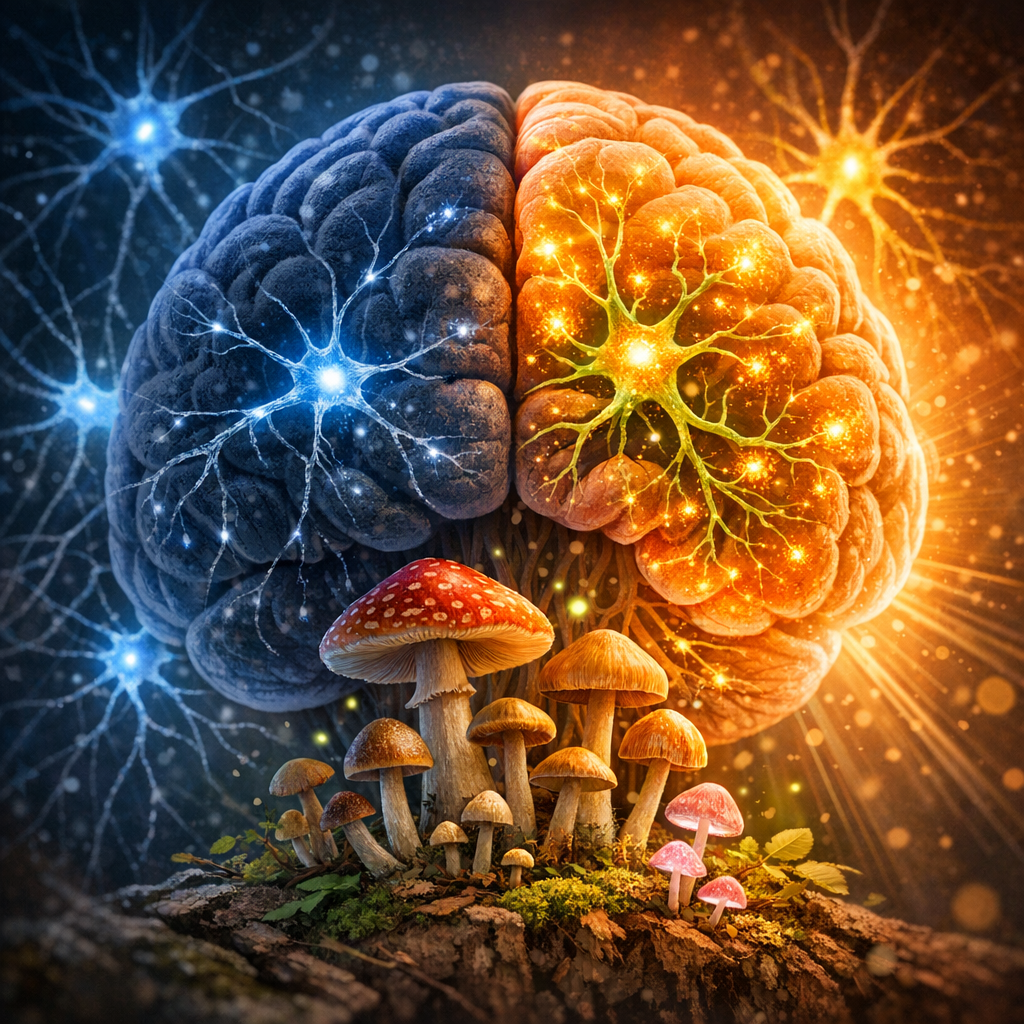
Furthermore, the [**Beckley Foundation**](https://www.beckleyfoundation.org/what-we-do/psilocybin-research/) research indicates that psilocybin promotes neuroplasticity and can potentially ‘rewire’ the brain, helping break free from learned patterns of thoughts and behaviors associated with mental health conditions. It proves to be a robust mechanism by which new neural pathways can be established.
These studies, among others, present a compelling case for the use of mushrooms in mental health treatment, providing an alternative narrative to traditional pharmaceuticals. The exact mechanisms might still be under exploration, but the promise shown by these studies has paved the way for regulatory bodies and healthcare providers to reconsider mushrooms as a viable component of mental health regimens.
Conclusion
Navigating the path toward wider clinical acceptance and application of mushrooms for mental health requires an intertwining of science, traditional practices, and innovative approaches to healthcare. As evidence mounts in uncovering the neurogenesis trigger in mushrooms, this natural remedy might soon transition from cultural ritual to medical mainstream. Continued research will solidify our understanding, potentially placing mushrooms at the heart of a mental health revolution that is natural, effective, and sustainable. Exploring these possibilities reinforces our commitment to not just healing ailments, but transforming lives by tapping into the brain’s innate ability to regenerate and grow.
**Concise Summary**
Mushrooms, particularly those containing **psilocybin** and **lion’s mane**, are being extensively researched for their potential to promote **neurogenesis** and enhance mental health. Historical cultural use is now backed by modern science, showing promising results in conditions like **depression**, **anxiety**, and **PTSD**. Studies reveal that these fungi may reset brain activity and improve cognitive function by encouraging the formation of new neural connections. As evidence accumulates, mushrooms are expected to play a significant role in future mental health therapies, offering natural and effective alternatives to traditional medications.

Dominic E. is a passionate filmmaker navigating the exciting intersection of art and science. By day, he delves into the complexities of the human body as a full-time medical writer, meticulously translating intricate medical concepts into accessible and engaging narratives. By night, he explores the boundless realm of cinematic storytelling, crafting narratives that evoke emotion and challenge perspectives. Film Student and Full-time Medical Writer for ContentVendor.com