The Future of Psychedelic Medicine: How AI and Machine Learning are Revolutionizing Integration Protocols
Introduction
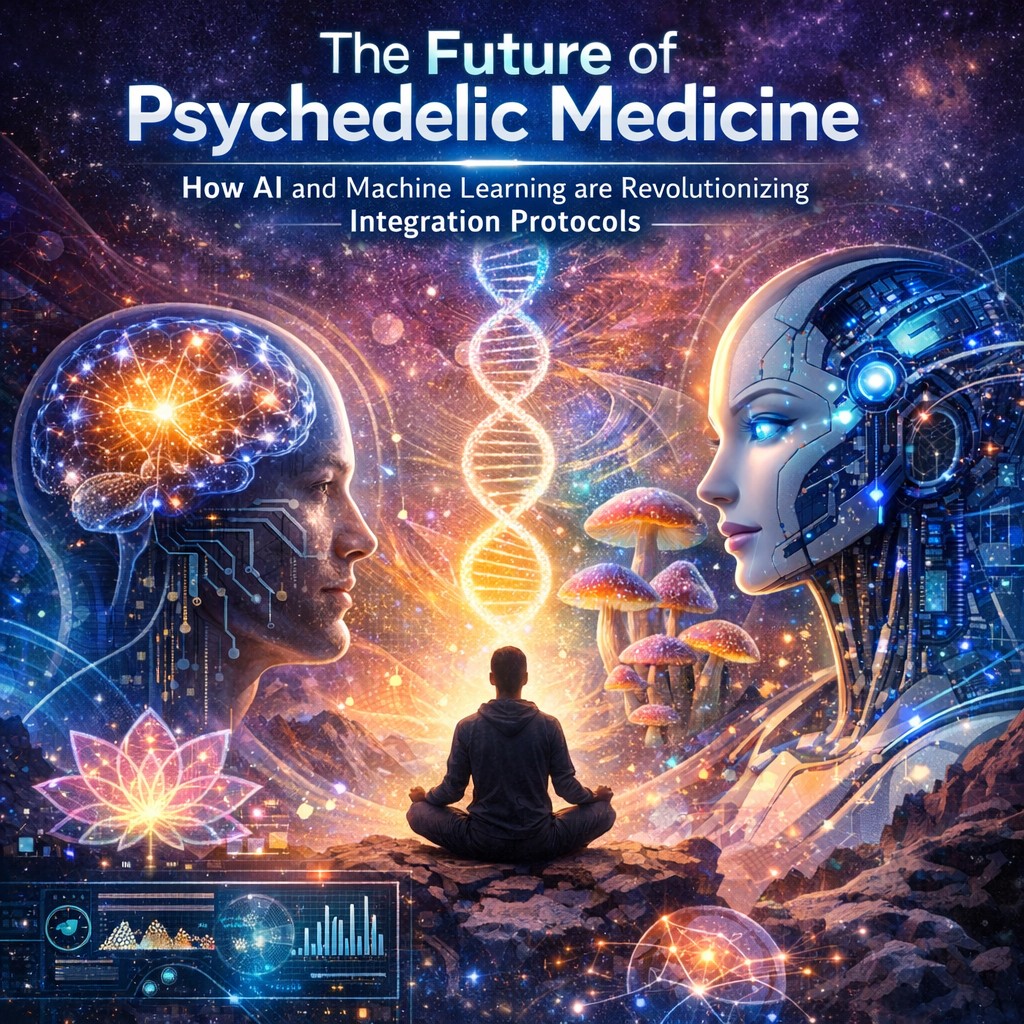
The landscape of **psychedelic medicine** is experiencing a renaissance, driven by an increasing body of **research** supporting the therapeutic potential of substances like **psilocybin**, **LSD**, and **MDMA**. These compounds show promise in treating mental health conditions such as **depression**, **anxiety**, **PTSD**, and **addiction**. However, integrating these powerful experiences into one’s life for lasting healing is a challenge. AI and **machine learning** (ML) are rapidly advancing technologies in healthcare and are emerging as powerful tools to tailor integration protocols, optimize efficacy, and enhance safety by analyzing vast datasets to identify patterns that human practitioners might miss. AI can personalize treatment plans, monitor progress, and suggest adjustments, while ML can offer insights into complex dynamics of psychedelic experiences, leading to predictive models for patient reactions, allowing precise tailoring of interventions. As this field matures, ethical considerations such as patient privacy, data security, and informed consent will require rigorous standards. The integration of AI with psychedelic therapy has the potential to revolutionize how these modalities are applied, offering hope for more personalized, effective, and accessible treatments.
Features
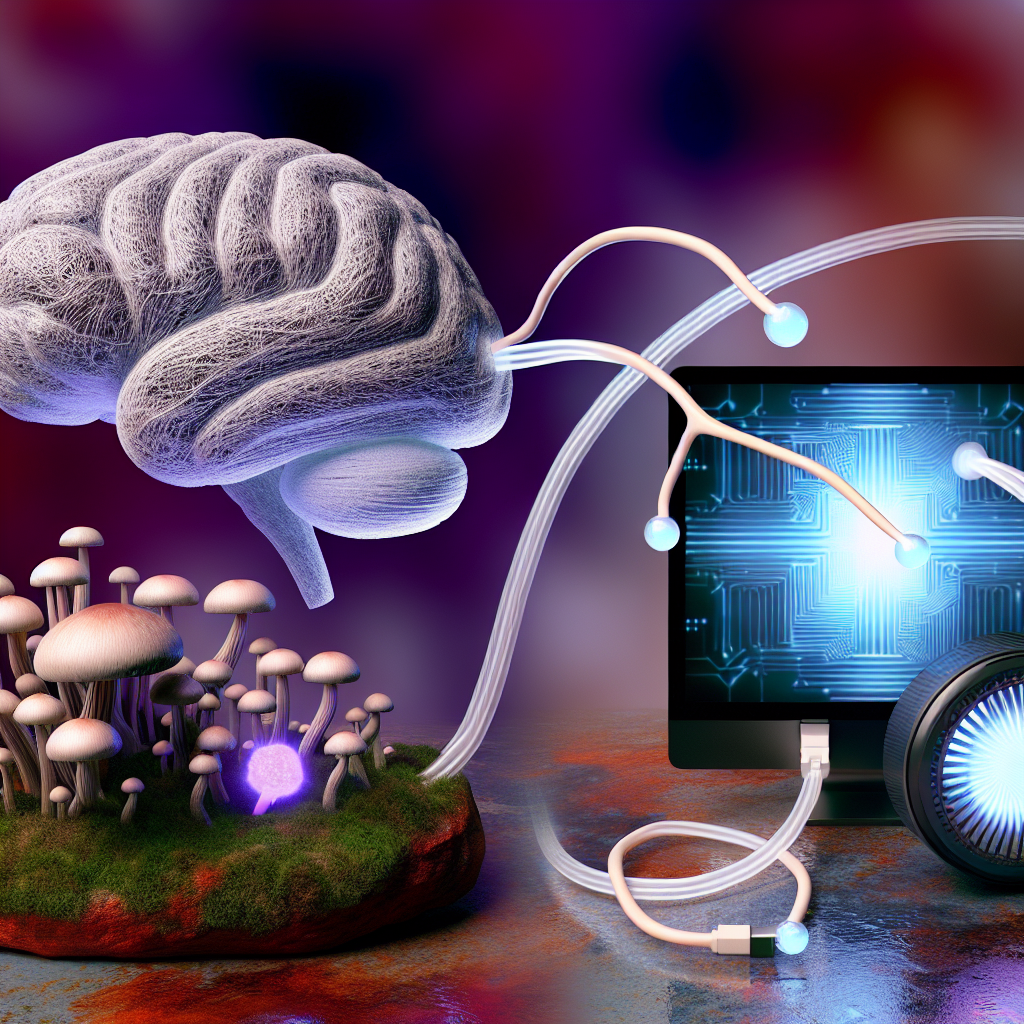
Several studies and programs have highlighted the potential of AI and ML in **psychedelic integration**. At [Imperial College London’s Centre for Psychedelic Research](https://www.imperial.ac.uk/psychedelic-research-centre), researchers use ML to analyze brain scans of participants under psilocybin, detecting and predicting brain connectivity changes associated with therapeutic outcomes.
AI’s major application is in patient monitoring through wearables and smartphones, gathering continuous data on physiological and psychological metrics. This real-time data allows for dynamic adaptation of interventions, ensuring the integration process responds to patient needs. AI tools can detect subtle mood or behavior changes not apparent in traditional therapy, prompting timely interventions to prevent crises or setbacks.
At the [University of Toronto’s Psychedelic Studies Research Program](https://www.utm.utoronto.ca/psychology/psychedelic-studies-research-program), ML algorithms predict patient responses to psychedelic therapy, analyzing past treatment data to identify which patients benefit most from certain drugs and protocols.
Moreover, some tech startups integrate AI-driven chatbots and virtual assistants into therapy sessions, offering support and resources continuously, even outside of regular therapy hours. This supplemental AI support contributes to a more comprehensive support system.
Conclusion
The intersection of AI, ML, and **psychedelic medicine** promises to advance the integration of these substances into therapeutic settings, enhancing their accessibility and efficacy. Collaboration between technology and psychedelic therapy heralds a new era in mental health treatment—marked by precision, personalization, and hope for those finding little relief in conventional approaches.
Concise Summary
Psychedelic medicine is at the forefront of a revolution as AI and machine learning integrate into therapeutic frameworks. These technologies personalize treatment plans, optimize efficacy, and enhance safety by analyzing patient data, predicting reactions, and providing real-time adaptations in therapy. Notable studies from institutions like Imperial College London and the University of Toronto highlight AI’s potential in detecting brain change patterns and predicting therapeutic outcomes. As ethical considerations evolve, the fusion of AI and psychedelics holds promise for more accessible and effective mental health treatments, offering new hope for patients resistant to conventional approaches.

Dominic E. is a passionate filmmaker navigating the exciting intersection of art and science. By day, he delves into the complexities of the human body as a full-time medical writer, meticulously translating intricate medical concepts into accessible and engaging narratives. By night, he explores the boundless realm of cinematic storytelling, crafting narratives that evoke emotion and challenge perspectives. Film Student and Full-time Medical Writer for ContentVendor.com