###
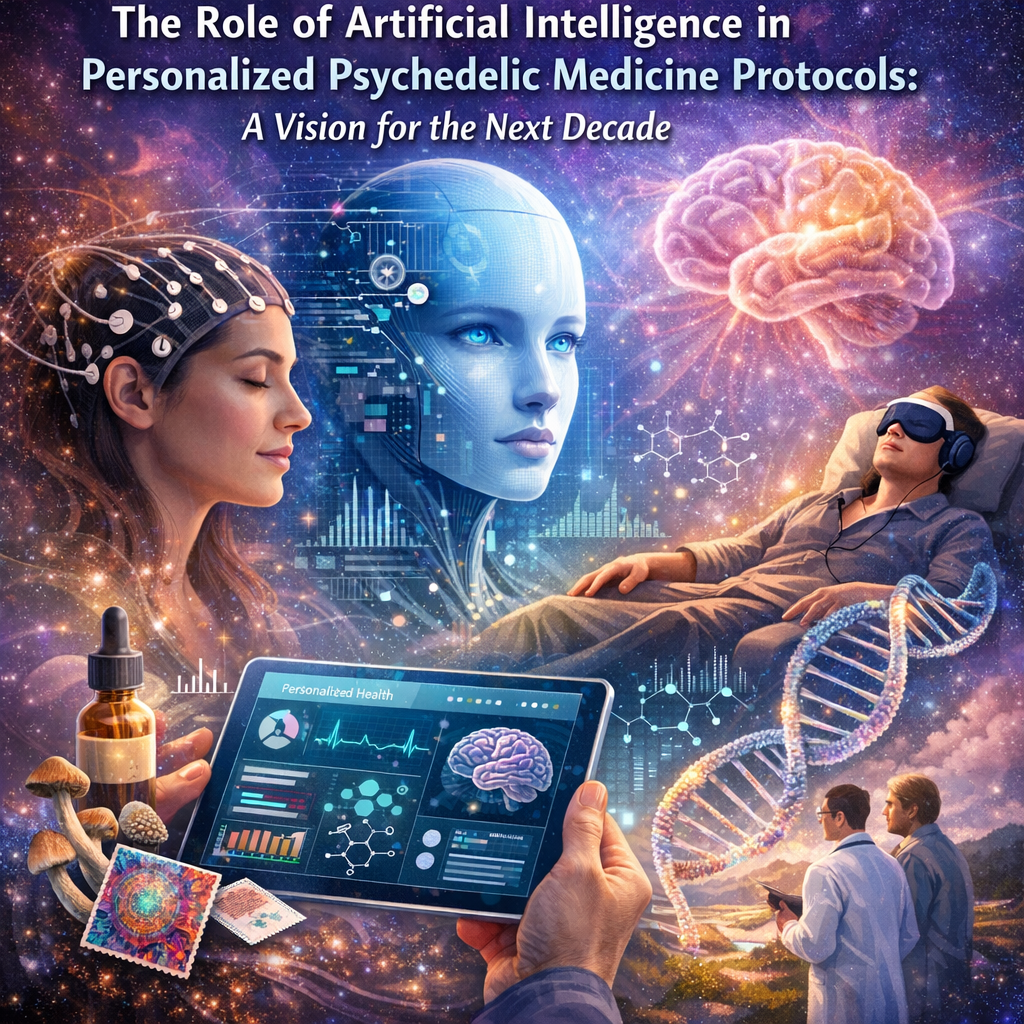
The Role of Artificial Intelligence in Personalized Psychedelic Medicine Protocols: A Vision for the Next Decade
###
Introduction
The intersection of **artificial intelligence (AI)** and **psychedelic medicine** is poised to revolutionize healthcare over the next decade, offering unprecedentedly personalized treatment protocols. As global interest in **psychedelic substances** like **psilocybin**, **LSD**, and **DMT** grows due to their potential therapeutic effects on mental health disorders such as **depression**, **PTSD**, and **anxiety**, the demand for more tailored treatment approaches is increasing. AI comes into this landscape as a promising tool, capable of optimizing and personalizing psychedelic therapies based on individual patient data.
**Psychedelics** have shown potential in various clinical studies; however, the response to these substances can vary dramatically between individuals. Factors such as **genetics**, pre-existing mental health conditions, and personal history all play significant roles in determining individual responses to psychedelic treatment. This is where AI can shine—by analyzing large datasets to identify patterns and predict outcomes, **AI technologies** can create highly personalized treatment protocols that enhance efficacy and safety.
**AI algorithms** can integrate diverse data sources such as genetic information, electronic health records, and real-time monitoring data to refine treatment regimens dynamically. For example, **machine learning models** can predict a patient’s likely response to a particular psychedelic compound and adjust the dosage or treatment combination accordingly. This mitigates risks and maximizes therapeutic outcomes, providing a safer and more efficient path to mental wellness.
The vision for the next decade includes using AI to develop comprehensive databases that continuously update and refine themselves with global psychedelic research findings and patient outcomes. This adaptive learning system would not only personalize treatments but also accelerate research by identifying new therapeutic pathways and potential compounds for exploration. Moreover, AI-powered digital therapeutic tools could assist both patients and clinicians in managing and optimizing psychedelic experiences, from preparation through integration.
###
Features
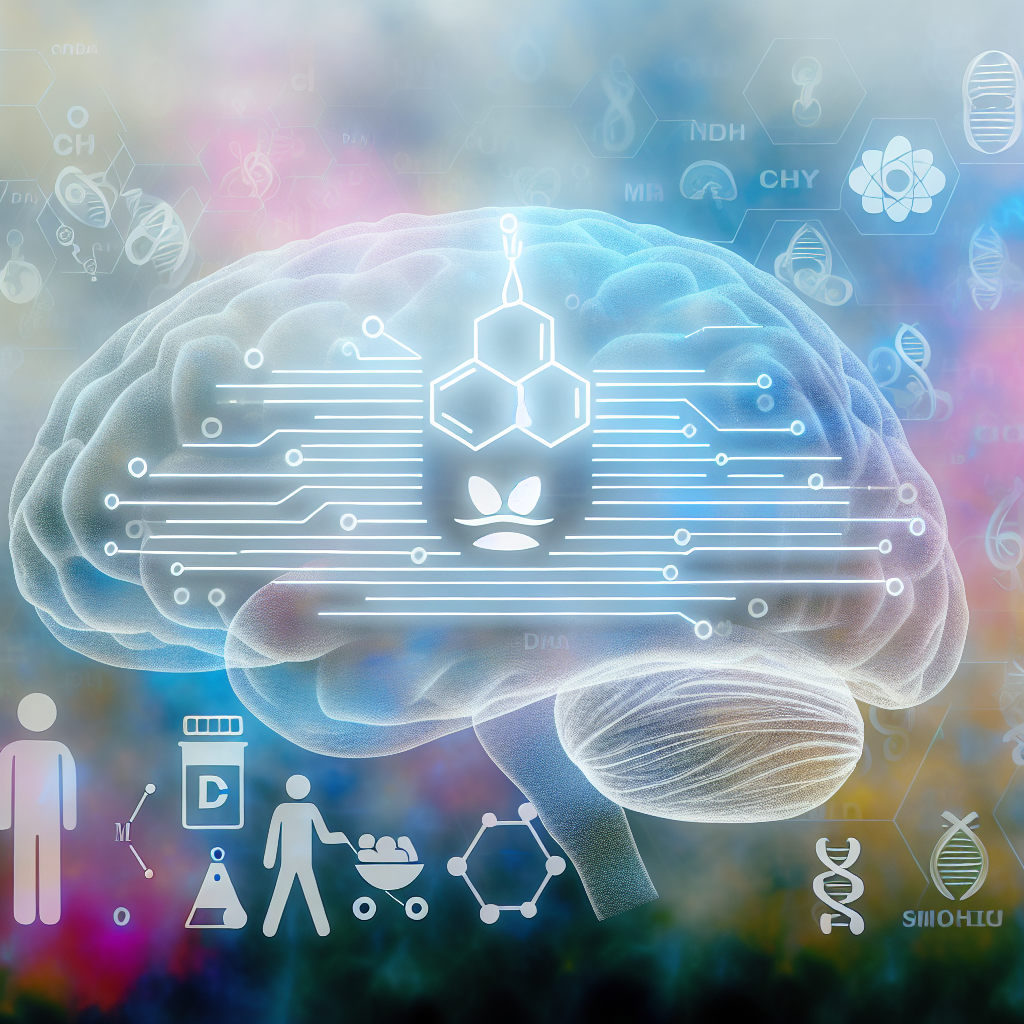
AI’s role in psychedelic treatment protocols is bolstered by recent studies and professional insights. One landmark study published in [Nature Reviews Neuroscience](https://www.nature.com/articles/nrn.2020.56) highlighted the potential of AI in identifying biomarkers predictive of individual responses to psychedelic compounds. Researchers utilized machine learning algorithms to process neuroimaging data, uncovering neural activity patterns associated with therapeutic outcomes. This approach could pave the way for more personalized treatment approaches in clinical settings.
Furthermore, AI has been employed in drug discovery to identify novel psychedelic compounds and optimize existing ones for therapeutic use. As reported in a study from [Cell Reports Medicine](https://www.cell.com/cell-reports-medicine/home), AI-driven simulations were used to explore thousands of compound variations, leading to the identification of new candidates that may have reduced side effects and increased efficacy. These advancements could prompt a new era of medical-grade psychedelics crafted for specific psychological conditions.
AI’s potential doesn’t stop at identifying compounds; it extends to enhancing outcome measures for trials involving psychedelics. According to a study from [Frontiers in Psychiatry](https://www.frontiersin.org/articles/10.3389/fpsyt.2020.00056/full), AI tools can process vast amounts of clinical trial data to recognize patterns and outcomes that might otherwise go unnoticed. This can lead to deeper insights into the mechanisms of action of psychedelic therapy and improved patient management strategies.
Additionally, wearable technology and AI analytics are being combined to monitor physiological and psychological responses to psychedelic treatments in real-time. This integration allows AI systems to adapt treatment protocols nearly instantaneously, providing real-time feedback to clinicians and patients alike. Such innovations could fundamentally change how mental health treatments are administered and monitored, propelling the field towards more responsive and individualized care.
Together, these studies demonstrate how AI is transforming psychedelic medicine from a one-size-fits-all approach to a personalized science. The potential of AI-infused psychedelic therapies promises enhanced **treatment efficacy**, patient safety, and a deeper understanding of human consciousness.
###
Conclusion
As we look forward to the next decade, the fusion of artificial intelligence and psychedelic medicine promises a new frontier in personalized healthcare. By leveraging AI’s predictive capabilities, treatment protocols can be tailored to the individual, thus optimizing outcomes and minimizing risks. Ongoing research and technological advancements in AI and psychedelics hold the potential to transform mental health treatments, offering hope and healing to millions worldwide.
###
Concise Summary
The merging of **artificial intelligence** and **psychedelic medicine** is set to revolutionize healthcare with personalized treatments over the next decade. AI can optimize these therapies using patient data to predict responses and adjust protocols, increasing efficacy and safety. Studies highlight AI’s role in identifying biomarkers and novel compounds, as well as enhancing clinical trials. Wearable technology melded with AI provides real-time monitoring to adapt treatments dynamically. This promising synergy aims to transform mental health care, offering personalized healing and deeper therapeutic insights.

Dominic E. is a passionate filmmaker navigating the exciting intersection of art and science. By day, he delves into the complexities of the human body as a full-time medical writer, meticulously translating intricate medical concepts into accessible and engaging narratives. By night, he explores the boundless realm of cinematic storytelling, crafting narratives that evoke emotion and challenge perspectives. Film Student and Full-time Medical Writer for ContentVendor.com