Harnessing AI and Quantum Neuroscience: The Next Frontier in Psychedelic Therapy
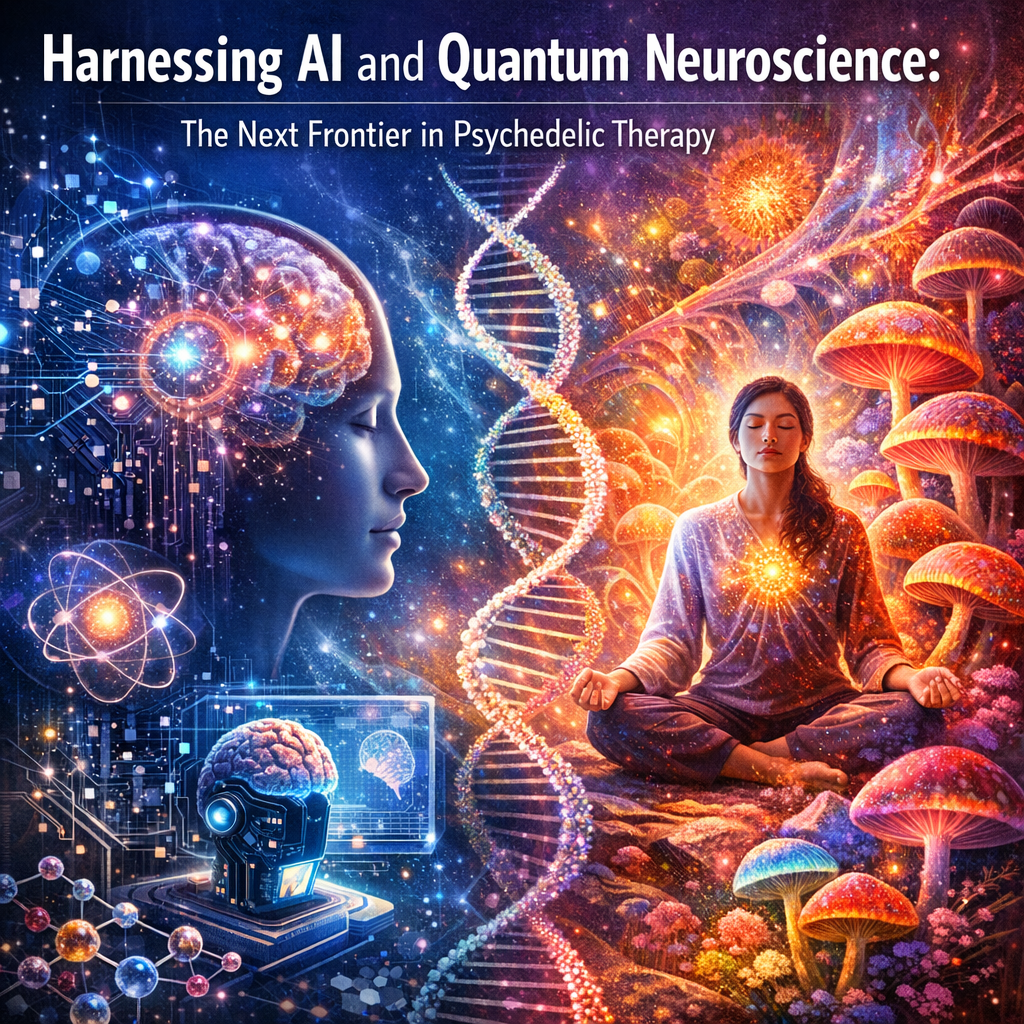
In recent years, the intersection of **technology** and **neuroscience** has opened novel avenues for understanding the human brain and its complexities. Among **these innovations**, the fusion of **artificial intelligence** (**AI**) and **quantum neuroscience** stands on the precipice of revolutionizing the realm of **psychedelic therapy**. As society slowly overcomes the stigma surrounding psychedelics, more scientific investigations have revealed mind-altering substances like **psilocybin** have vast potential in treating **mental health disorders**, such as **depression**, **anxiety**, and **PTSD**. The intricacies of the brain under the influence of psychedelics, however, present a plethora of challenges that conventional methods struggle to unravel. This is where AI and quantum neuroscience come into play.
AI possesses the capability to analyze and interpret mammoth datasets with precision that far surpasses human ability. When applied to **psychedelic therapy research**, AI can analyze patient responses, predict outcomes, and even cater personalized treatment plans. Imagine a system that learns from a vast amount of data to determine the most effective psychedelic dosage and regimen for treating an individual’s unique neurological makeup. These **machine learning algorithms** are becoming increasingly adept at deciphering the convolutions of **neural pathways** influenced by psychedelics, casting light on the physiological and psychological impacts these substances exert on the brain.
Meanwhile, **quantum neuroscience** emerges as a deeply promising field. It postulates that **quantum mechanics** may play a role in brain function and consciousness. Some scientists assert that **psychedelics** might influence brain activity on a quantum level, altering the very nature of perception and reality. While this domain is still in its infancy, it presents a transformative potential for understanding the psychedelic experience beyond the classical neurotransmitter interaction model. As researchers explore these uncharted territories, the development of quantum machine learning technologies tailored to map brain activity on a quantum scale presents an exciting frontier for psychedelic therapy.
Features
Several groundbreaking studies bring credence to the integration of AI and quantum principles in psychedelic research. A notable study conducted by the [Imperial College London](https://www.imperial.ac.uk/news/195631/new-imperial-centre-focus-latest-research/) utilized AI models to analyze brain scans of patients under the influence of psilocybin. The study revealed significant alterations in brain connectivity patterns, vital in the therapeutic effects of psychedelics. AI algorithms enabled researchers to efficiently parse through extensive brain imaging data, effectively mapping changes in neural networks that correlate with symptom improvement in patients with treatment-resistant depression.
In another pioneering effort, researchers at [Johns Hopkins University](https://www.hopkinsmedicine.org/psychiatry/specialty_areas/psychedelics-research/) endeavored to comprehend the quantum aspects of brain function under psychedelics. Leveraging quantum computing capabilities, they proposed models suggesting that psilocybin might alter neural wave functions, affecting cognition and emotional regulation. Their works suggest that the unique experiences induced by psychedelics could be partially attributed to modifications at the quantum level in the brain, challenging existing paradigms of conscious experience.
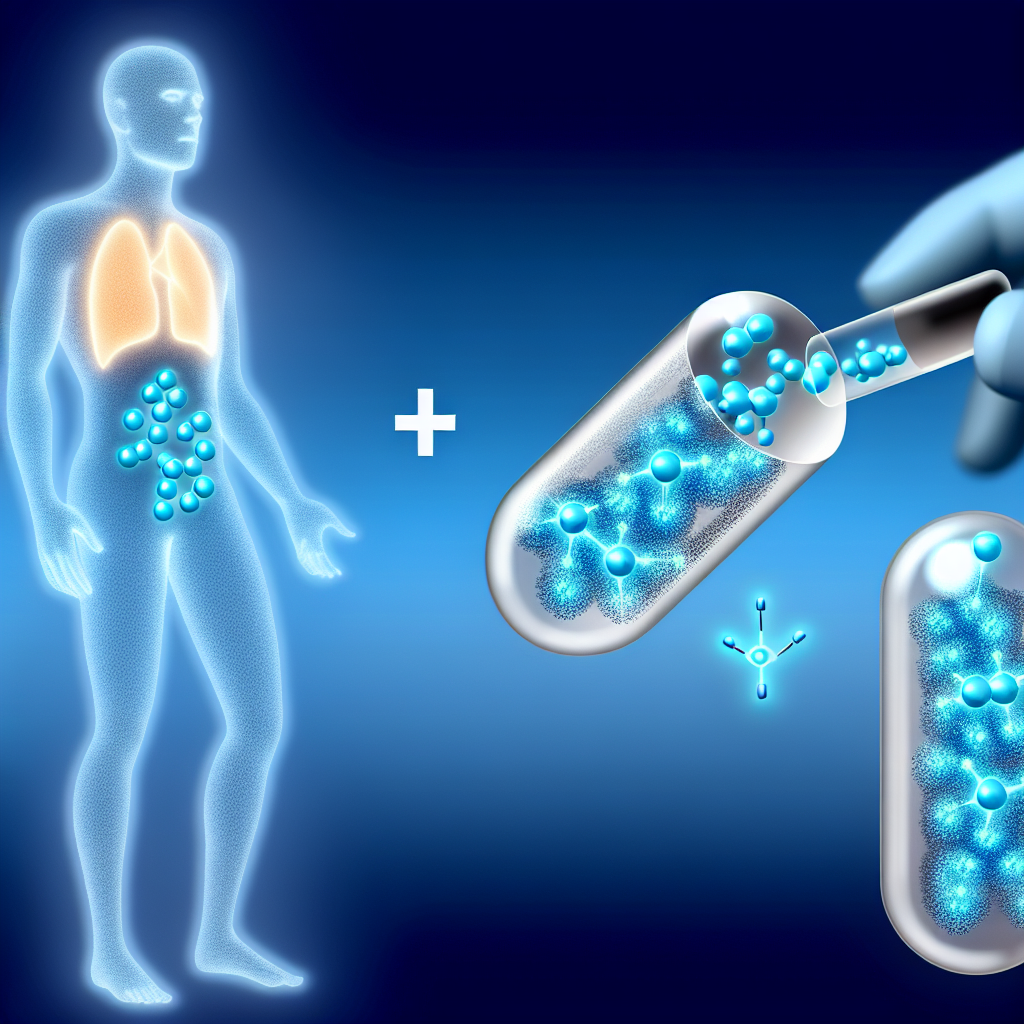
Moreover, AI stands at the forefront of discovering new psychedelic compounds and tailoring them for specific medical needs. [Google’s DeepMind](https://deepmind.com/), among other AI-focused teams, delved into molecular chemistry solutions, rapidly identifying potential new therapeutic psychoactive compounds and predicting their interactions within the human body.
The convergence of AI and quantum neuroscience represents a pioneering shift in how psychedelic therapy is developed, applied, and understood. By meticulously documenting the therapeutic journey of psychedelics on a neural and quantum level, researchers are empowered to harness these substances responsibly and effectively in clinical settings, ultimately offering hope for individuals battling enigmatic and stubborn mental health conditions.
Conclusion
The undeniable synergy between AI, quantum neuroscience, and psychedelic therapy is paving the way for unprecedented advancements in mental health treatment. As this triad continues to evolve, the potential for AI-driven, quantum-informed psychedelics to offer profound healing solutions looms large. Through continued exploration and research, the next frontier in psychedelic therapy will inevitably lead to more personalized, effective, and scientifically grounded treatments, offering new pathways for healing and understanding the human mind.
**Concise Summary**:
The integration of **AI**, **quantum neuroscience**, and **psychedelic therapy** is progressing towards transforming mental health treatment. AI’s ability to analyze extensive data and personalize treatment plans enhances psychedelic therapy’s effectiveness. Quantum neuroscience offers additional insight by potentially explaining psychedelics’ impact at a quantum level. Studies at institutions like [Imperial College London](https://www.imperial.ac.uk/news/195631/new-imperial-centre-focus-latest-research/) and [Johns Hopkins University](https://www.hopkinsmedicine.org/psychiatry/specialty_areas/psychedelics-research/) support these advancements, with [Google’s DeepMind](https://deepmind.com/) contributing to new compound discovery. This triad’s evolving synergy holds promise for more precise and effective mental health solutions.

Dominic E. is a passionate filmmaker navigating the exciting intersection of art and science. By day, he delves into the complexities of the human body as a full-time medical writer, meticulously translating intricate medical concepts into accessible and engaging narratives. By night, he explores the boundless realm of cinematic storytelling, crafting narratives that evoke emotion and challenge perspectives. Film Student and Full-time Medical Writer for ContentVendor.com