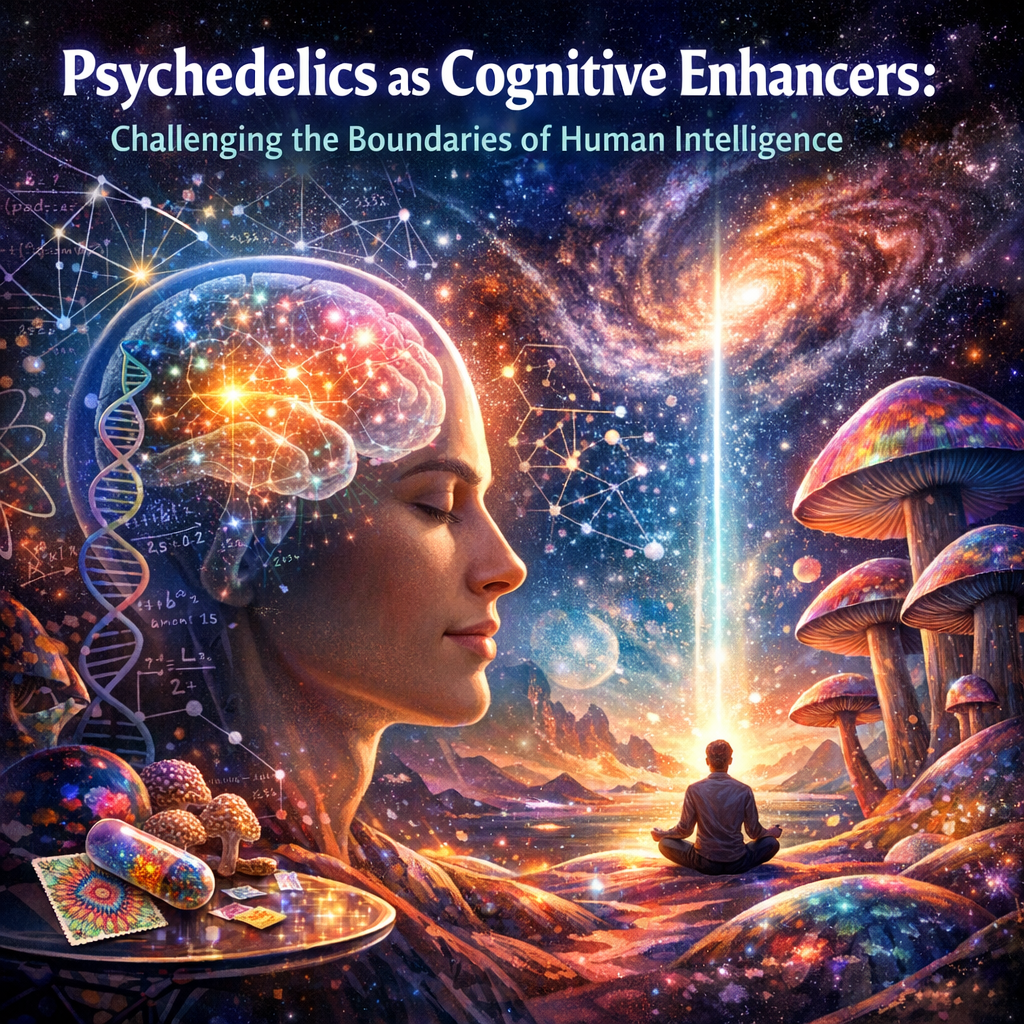
Psychedelics as Cognitive Enhancers: Challenging the Boundaries of Human Intelligence
In the intricate dance of neurons and synapses lies the enigma of **human intelligence**—a capacity for learning, understanding, and abstract reasoning that sets us apart from the rest of the animal kingdom. As science seeks to unravel the mysteries of the brain, a fascinating crossroads emerges at the intersection of **psychedelics** and **cognitive enhancement**. Long associated with spiritual and cultural practices, psychedelics such as **psilocybin**, **LSD**, and other compounds are now rigorously studied for their potential to amplify cognitive functions. The notion of using these substances as tools to boost intelligence is gaining traction in both the scientific community and popular media.
The resurgence of interest in psychedelics arises from a growing body of research suggesting that these substances can provide profound insights into **consciousness** and **human cognition**. Traditionally, psychedelics have been appreciated for their ability to alter perception, induce states of unity and transcendence, and facilitate emotional breakthroughs. However, recent studies venture into a new domain, exploring how they might enhance specific cognitive abilities such as **creativity**, **problem-solving**, and **learning**.
The promise of psychedelics as cognitive enhancers lies in their potential to promote **neuroplasticity**—the brain’s ability to reorganize itself by forming new neural connections. As individuals seek to navigate increasingly complex personal and professional landscapes, the demand for cognitive augmentation grows. Unlike traditional nootropics, which often focus on enhancing specific neurotransmitters or brain regions, psychedelics have a more holistic effect, influencing global brain connectivity.
This article explores how these ancient compounds are being reimagined in the quest to expand the horizons of **human intelligence**. As psychedelics move from the fringes of counterculture to the forefront of scientific inquiry, they challenge the conventional boundaries of cognition and intelligence. The synergy of modern neuroscience and time-honored psychedelic traditions provides a fresh perspective on how these substances might reshape the future of cognitive enhancement. Through an examination of current studies and clinical trials, we uncover the tangible possibilities that psychedelics offer as tools for unlocking human potential beyond our natural limits.
Features: Current Studies on Psychedelics and Cognitive Enhancement
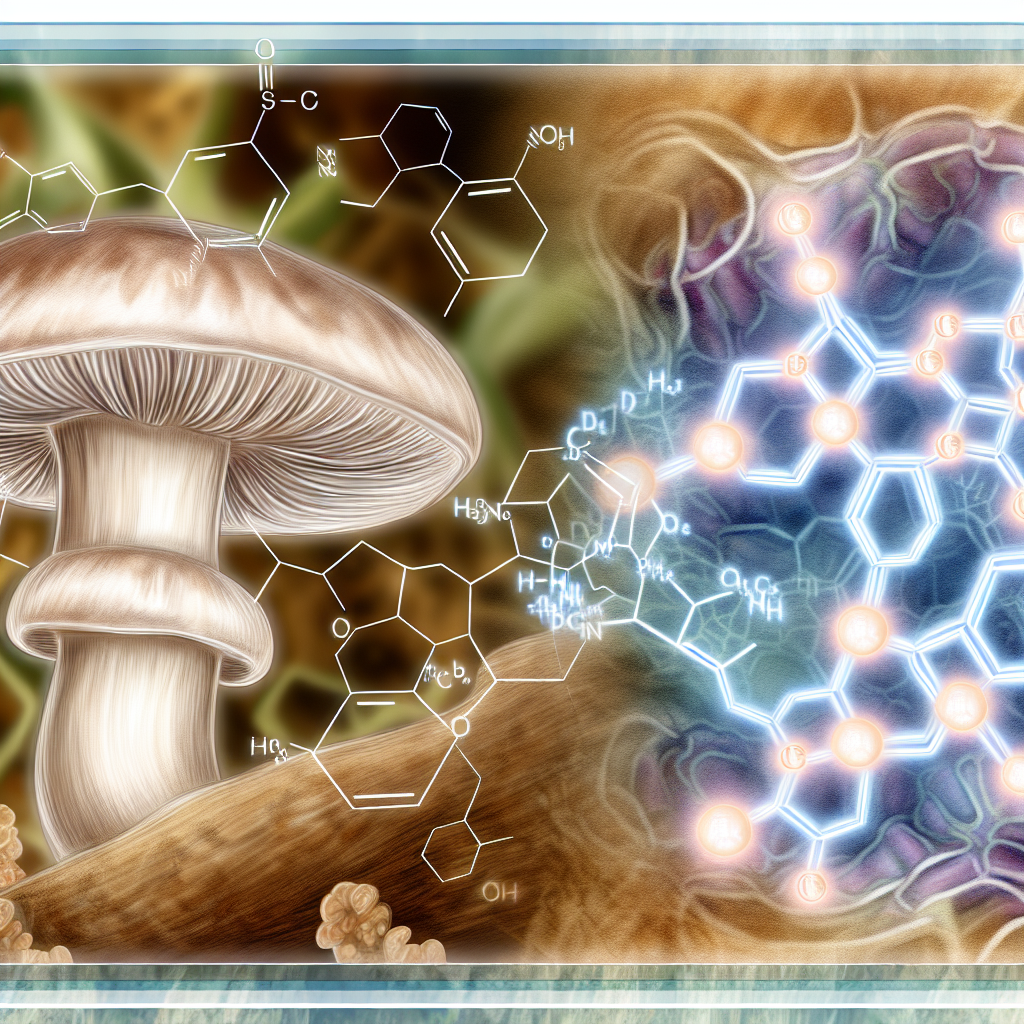
Recent scientific studies have delved into the neurobiological mechanisms of psychedelics, elucidating how these substances can potentially be harnessed for cognitive enhancement. One critical area of research is the impact of psychedelics on **neuroplasticity**. Studies have shown that compounds like **psilocybin** can stimulate the growth of new neurons and synapses—a process known as **synaptogenesis**. In a groundbreaking study published in Cell Reports, researchers demonstrated that psilocybin administration in animal models led to increased dendritic spine density, suggesting enhanced synaptic connectivity and greater cognitive flexibility [Yang et al., 2020].
Another focus of research has been on the **Default Mode Network (DMN)**, a brain network implicated in self-referential thoughts and the sense of self. Psychedelics are known to transiently reduce activity in the DMN, resulting in a dissolution of the ego and a heightened state of consciousness. This deactivation allows different brain regions to communicate more freely, a state described as increased **brain entropy** or connectivity. Such changes might facilitate novel connections and insights, boosting creative problem-solving and learning capabilities [Carhart-Harris et al., 2014].
Clinical trials have begun to explore psychedelics’ cognitive benefits in therapeutic settings. A pilot study examining the effects of **microdosing LSD** found improvements in mood and cognitive function, offering preliminary evidence that low doses of psychedelics might enhance well-being without traditional hallucinogenic effects [Fadiman, 2019]. Similarly, a small-scale trial involving psilocybin therapy reported enhanced emotional processing and mind clarity in participants suffering from **treatment-resistant depression**, highlighting the potential of psychedelics to improve clinical outcomes through cognitive enhancement [Griffiths et al., 2016].
While research is still in its nascent stages, the early results are promising, suggesting that psychedelics might offer novel approaches to **cognitive enhancement** that transcend the capabilities of traditional pharmacological agents.
Conclusion
As the scientific understanding of psychedelics expands, so too does the potential for these compounds to serve as cognitive enhancers that challenge and elevate **human intelligence**. By fostering new neural connections and enhancing brain plasticity, psychedelics offer promising avenues for cognitive augmentation. As research progresses and societal perceptions shift, psychedelics may soon be recognized as valuable tools in the quest for unlocking our highest mental faculties. As always, safety, legality, and ethical considerations must remain paramount in the continued exploration of psychedelics as cognitive enhancers.
Concise Summary: Psychedelics like psilocybin and LSD are being studied as potential cognitive enhancers, promising improved creativity, problem-solving, and learning through increased neuroplasticity and brain connectivity. Research suggests these substances can foster new neural connections and alter brain networks like the Default Mode Network, potentially enhancing mental faculties beyond natural limits. Clinical trials show promising results for cognitive improvement and therapeutic benefits. As scientific understanding grows, psychedelics may become valuable tools for enhancing human intelligence, provided ethical and safety considerations are addressed.

Dominic E. is a passionate filmmaker navigating the exciting intersection of art and science. By day, he delves into the complexities of the human body as a full-time medical writer, meticulously translating intricate medical concepts into accessible and engaging narratives. By night, he explores the boundless realm of cinematic storytelling, crafting narratives that evoke emotion and challenge perspectives. Film Student and Full-time Medical Writer for ContentVendor.com