Neuroadaptive Mycology: Innovating Mushroom-Based Therapies for Personalized Mental Health Care
In the ever-evolving landscape of **mental health care**, the intersection of **mycology** and **neuroscience** is emerging as a frontier with immense potential: **Neuroadaptive Mycology**. This nascent field focuses on leveraging the **therapeutic properties of mushrooms** to foster personalized mental health solutions. As the modern world continues to grapple with rising mental health issues, interest in alternative and **natural treatments** is surging, and mushrooms, particularly from the **Psilocybe genus**, are at the forefront of this exploration.
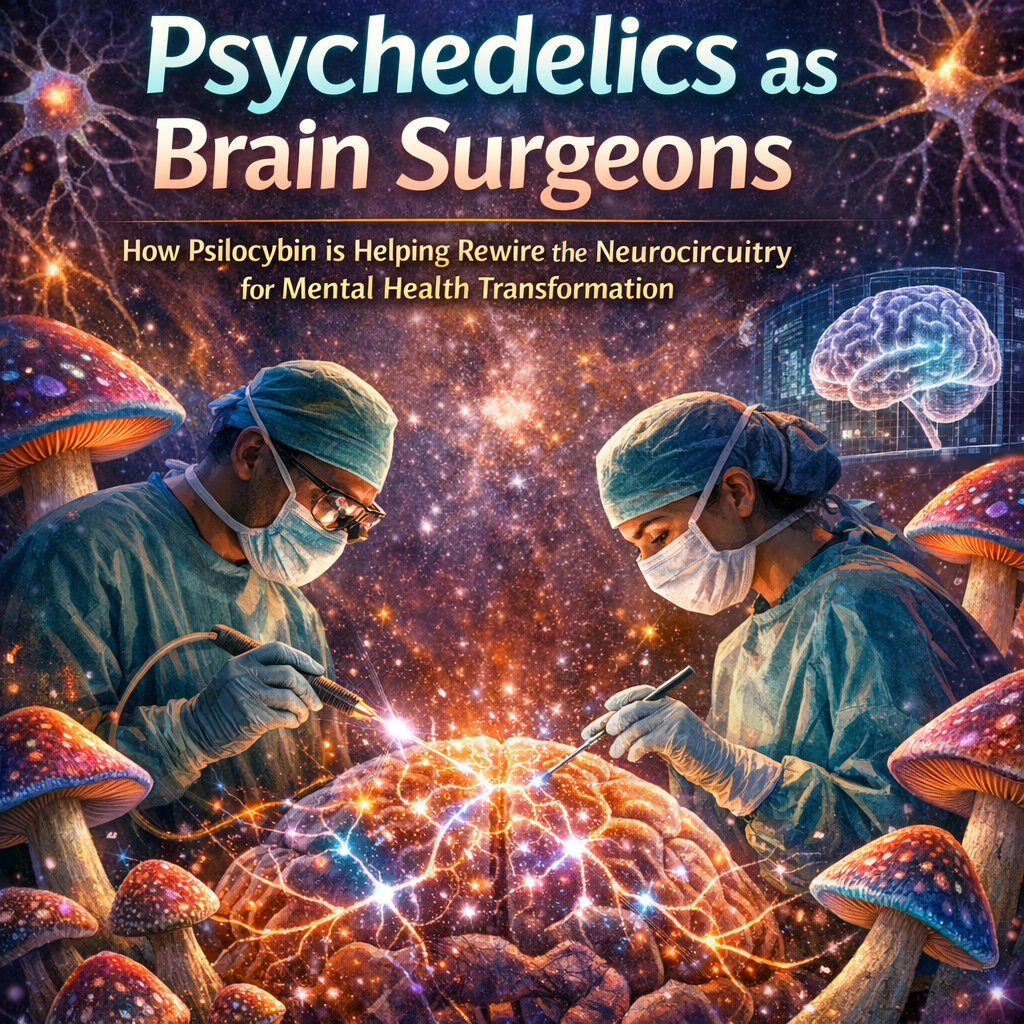
**Psilocybin**, the active compound found in these mushrooms, is being studied for its profound effects on the human psyche. Unlike conventional **psychotropic medications** which often aim to suppress symptoms, psilocybin works by promoting **neuroplasticity**—the brain’s ability to reorganize itself by forming new neural connections. This unique mechanism offers a promising avenue for addressing complex mental health disorders like **depression**, **anxiety**, **PTSD**, and **substance abuse**.
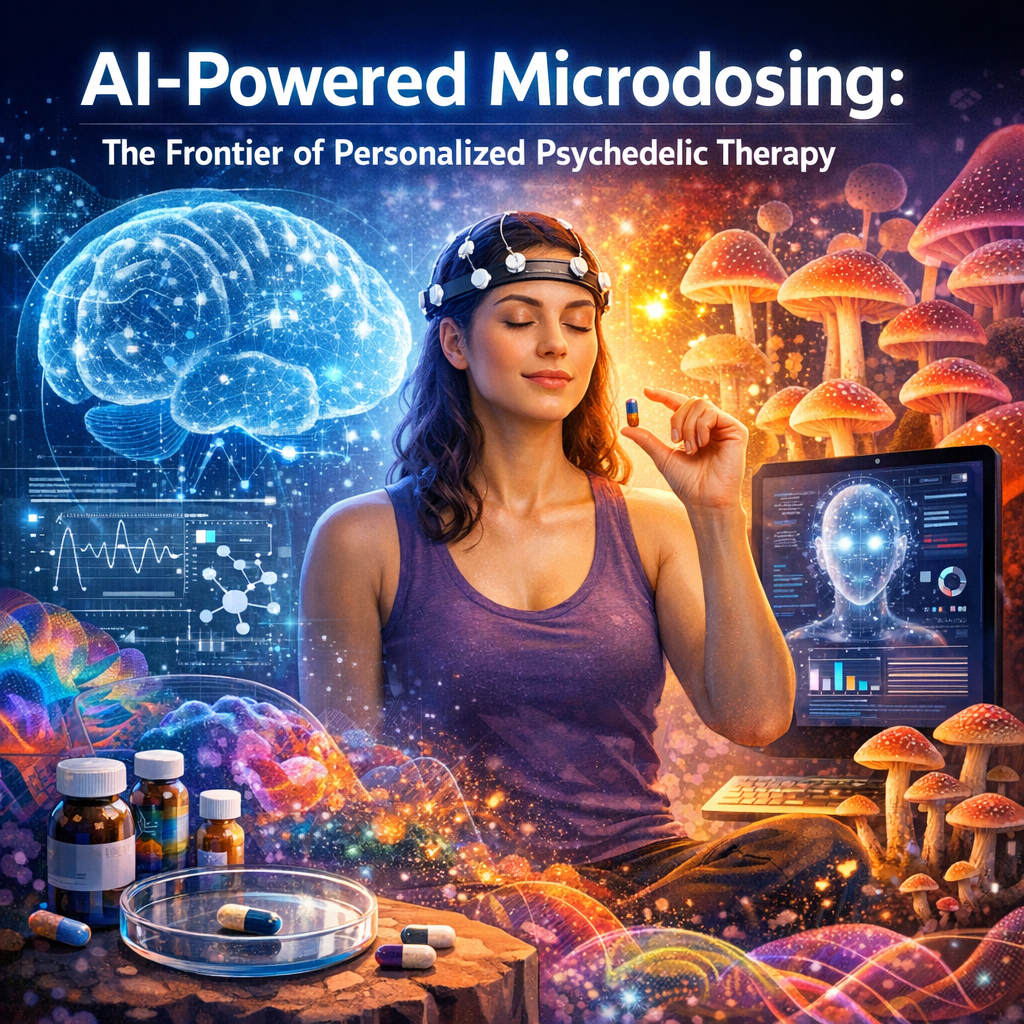
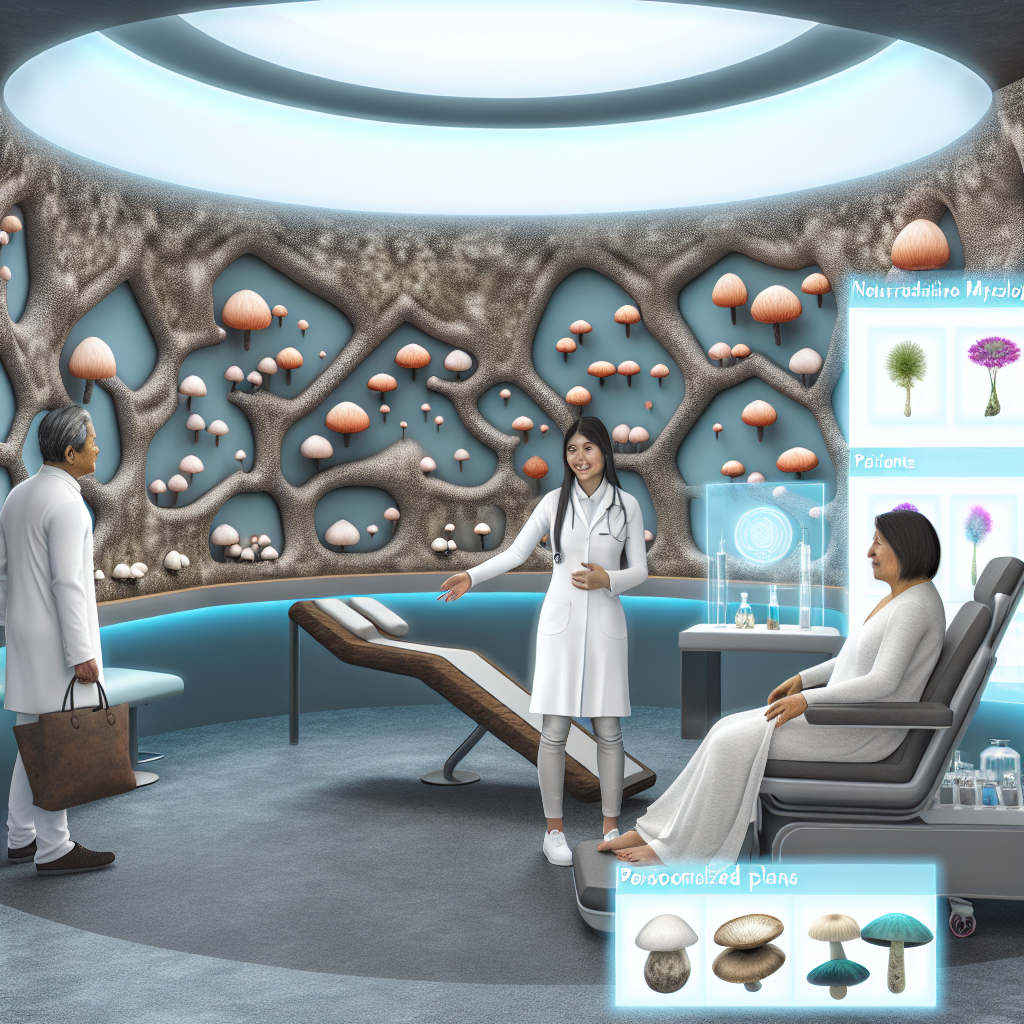
The personalized element of mushroom-based therapy lies in its adaptive nature. Each individual’s mental health journey is influenced by a myriad of factors including **genetics**, personal history, and environmental stressors. **Neuroadaptive Mycology** seeks to tailor psychedelic experiences to optimize therapeutic outcomes for each person. This approach challenges the one-size-fits-all paradigm of standard psychiatric medications, offering instead a dynamic interaction with the patient’s unique brain chemistry.
Interest from both the **scientific community** and general public is growing. Mainstream media, clinical researchers, and mental health advocates are turning their attention to the potential benefits of psilocybin. Significant contributions from esteemed institutions, such as [Johns Hopkins University](https://www.hopkinsmedicine.org/news/stories/psilocybin-study.html) and [Imperial College London](https://www.imperial.ac.uk/news/207531/psilocybin-reduces-symptoms-depression-studies-show/), have propelled the conversation, lending credibility to a field that previously resided on the fringes of scientific inquiry.
As research evolves, so does our understanding of how psilocybin can be used responsibly and effectively in **clinical settings**. The implications of this research stretch wide, holding promise not only for individualized treatment but also for shifting the broader paradigms of mental health care. Embarking on this innovative path, **Neuroadaptive Mycology** could very well redefine how we approach mental wellness—transforming archaic methods with insights gleaned from nature’s very own repository of wisdom.
Features: Studies and Advancements in Mushroom-Based Therapies
Clinical interest in psilocybin as a **therapeutic substance** has intensified, catalyzed by a surge in research dedicated to uncovering its potential benefits. A pivotal [study conducted by Johns Hopkins University](https://www.hopkinsmedicine.org/news/stories/psilocybin-study.html) demonstrated that psilocybin substantially reduced symptoms of depression and anxiety in cancer patients, effects that persisted for up to six months. Participants experienced significant improvements in mood and emotional well-being, showcasing the potential for psilocybin to be integrated into traditional mental health care.
Additionally, the [Imperial College London](https://www.imperial.ac.uk/news/207531/psilocybin-reduces-symptoms-depression-studies-show/) conducted brain imaging studies revealing how psilocybin dysregulates activity in the **default mode network (DMN)**, a brain network hyperactive in patients with depression. By curtailing the habitual patterns of **negative thinking** associated with DMN activity, psilocybin has been shown to facilitate transformative experiences that promote long-term mental health improvements.
Another significant advancement is the mechanistic understanding of psilocybin’s role in enhancing neuroplasticity. A [2018 study published in *Cell Reports*](https://www.cell.com/cell-reports/fulltext/S2211-1247(18)31464-3) illustrated how psilocybin enhances synaptic growth in key brain regions, further underpinning its potential efficacy in treating conditions linked to rigidity and cognitive stagnation. These findings position psilocybin as a catalyst for psychological change, especially in situations where traditional therapies have fallen short.
Furthermore, psilocybin’s therapeutic promise extends to **addiction treatment**. Research published in the [*Journal of Psychopharmacology*](https://journals.sagepub.com/doi/10.1177/0269881114747059) highlights noteworthy findings where psilocybin administration resulted in a marked reduction in alcoholism symptoms. The compound’s capacity to disrupt compulsive behaviors offers a fresh perspective on dependence, illuminating pathways for future therapeutic applications.
Despite these promising data points, the path to mainstream acceptance of psilocybin-based therapies is not without obstacles. Regulatory barriers, societal stigma, and the need for more extensive clinical trials present ongoing challenges. Yet, as evidence mounts, it becomes increasingly clear that **Neuroadaptive Mycology** holds transformative potential for mental health care, with mushroom-based therapies offering a complement—or even an alternative—to existing treatment paradigms.
Conclusion
**Neuroadaptive Mycology** signals a transformative shift in mental health treatment, coupling ancient wisdom with modern science to offer personalized therapeutic interventions. As research progresses, sustained dialogues among mental health professionals, legislative bodies, and cultural stakeholders will be crucial in integrating these mushroom-based therapies into the mainstream. Harnessing the full spectrum of fungi’s neuroadaptive properties could revolutionize our approach to mental health care, offering hope and healing tailored to the individual needs of each patient.
Concise Summary
Neuroadaptive Mycology leverages the therapeutic properties of mushrooms, particularly psilocybin, to offer personalized mental health care solutions. With the compound’s ability to promote neuroplasticity and address complex disorders, like depression and PTSD, this field promises transformative changes to mental wellness paradigms. Studies by Johns Hopkins University and Imperial College London reveal psilocybin’s potential in reducing symptoms like depression and anxiety, while enhancing long-term mental health improvements. Despite challenges such as regulatory barriers and societal stigma, the ongoing dialogue among stakeholders indicates a promising future for mushroom-based therapies in mainstream mental health care.

Dominic E. is a passionate filmmaker navigating the exciting intersection of art and science. By day, he delves into the complexities of the human body as a full-time medical writer, meticulously translating intricate medical concepts into accessible and engaging narratives. By night, he explores the boundless realm of cinematic storytelling, crafting narratives that evoke emotion and challenge perspectives. Film Student and Full-time Medical Writer for ContentVendor.com