Neuroplasticity Meets Psychedelic Medicine: How AI is Revolutionizing Patient-Specific Treatment Protocols
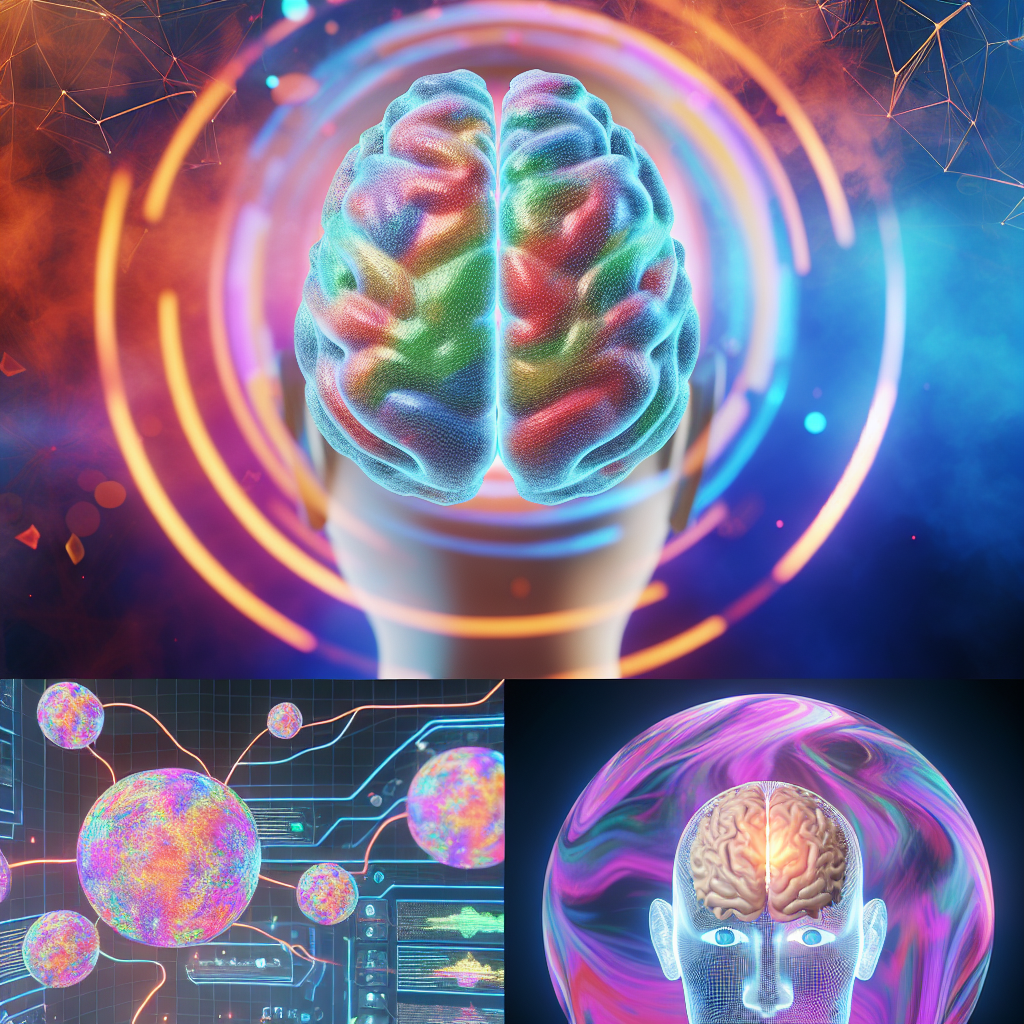
In recent years, the intersection of **neuroplasticity** and **psychedelic medicine** has sparked groundbreaking developments in mental health treatment. **Neuroplasticity** refers to the brain’s ability to reorganize itself by forming new neural connections throughout life, a quality that becomes especially crucial in recovery from disorders such as **depression**, **PTSD**, and **anxiety**. **Psychedelic substances**, particularly **psilocybin**, have shown promise in facilitating these neural transformations, offering new hope for patients who have not responded to traditional therapies.
Advances in **artificial intelligence (AI)** are further transforming this landscape by enabling personalized treatment protocols tailored to individual patient needs. **AI technologies** can analyze vast amounts of data, including genetic information, brain imaging, and patient medical histories, to identify which psychedelic compounds and dosages are likely to be most effective. This personalized approach can optimize therapeutic outcomes, minimizing side effects and enhancing the quality of life for patients.
The medical community’s renewed interest in **psychedelic compounds**, spearheaded by studies from institutions like [Johns Hopkins University](https://www.hopkinsmedicine.org/news/newsroom/news-releases/johns-hopkins-researchers-reawaken-psychedelic-research-with-openscience) and [Imperial College London](https://www.imperial.ac.uk/news/193015/psilocybin-therapy-for-depression-most-compelling/), has highlighted these substances’ ability to promote neurogenesis and synaptic plasticity. **Psilocybin**, the psychoactive compound in magic mushrooms, shows immense potential in rewiring the brain for mental health improvement. For instance, psilocybin-assisted therapy has been noted to induce a state of “hyper-connected” brain networks, enabling patients to break free from rigid thought patterns associated with mental health disorders.
With **AI**, researchers can now refine these therapies using machine learning algorithms that predict how individual patients might respond to specific treatments. For instance, AI can stratify patients based on biomarker data or psychological profiles, allowing clinicians to design bespoke treatment regimens. This marriage of technology and psychedelic medicine is poised to accelerate recovery times, reduce relapse rates, and ultimately make these therapies more accessible to a broader demographic.
Features: Professional and Medical Studies
Scientific studies are beginning to support this synergy between **neuroplasticity**, **psychedelics**, and **AI**. A pivotal research effort at [Johns Hopkins University](https://www.hopkinsmedicine.org/news/newsroom/news-releases/johns-hopkins-researchers-reawaken-psychedelic-research-with-openscience) demonstrated **psilocybin**’s long-term positive effects on mood and anxiety by fostering an openness and cognitive flexibility that contributes to **neuroplasticity**. Meanwhile, another study conducted at [Imperial College London](https://www.imperial.ac.uk/news/193015/psilocybin-therapy-for-depression-most-compelling/) used functional magnetic resonance imaging (fMRI) to reveal that **psilocybin** increases brain connectivity, which can facilitate the breakdown of pathological neural circuits linked to depression and other disorders.
**AI** comes into play by making it possible to analyze complex datasets collected from these studies to tailor treatment options. A notable example of AI’s application is the use of machine learning algorithms to interpret brain imaging data, as evidenced by research published in the journal [Nature: Scientific Reports](https://www.nature.com/articles/s41598-020-70335-0). These algorithms can pinpoint which brain regions are activated during psychedelic experiences, allowing for more precise targeting of treatment interventions.
Another exciting development is the use of **AI-driven chatbots** and digital platforms that help screen and monitor patient progress. These tools employ natural language processing to provide ongoing assessments and adapt treatment protocols in real-time. Research sponsored by major tech firms suggests that such AI systems can enhance patient compliance and engagement in therapy sessions—a crucial factor in the treatment’s success.
**AI**’s impact extends to pharmacology as well. As shown in a study from the [University of Toronto](https://www.utoronto.ca/news/building-better-drugs-how-ai-revolutionizing-drug-discovery), machine learning models can predict how new psychedelic compounds might interact with diverse human brain chemistries. This paves the way for developing safer, more effective therapeutic molecules that offer all the benefits of **psilocybin** without the associated psychoactive effects, which some patients may find uncomfortable.
Conclusion
The fusion of **neuroplasticity**, **psychedelic medicine**, and **artificial intelligence** heralds a revolution in mental health treatment. By leveraging AI to create personalized treatment protocols, clinicians can not only improve patient outcomes but also alleviate the burden on healthcare systems. As research in this field continues to grow, we’re on the brink of a paradigm shift that promises not just symptom management but genuine healing for individuals suffering from various mental health conditions. Such innovative approaches underscore the importance of continued interdisciplinary collaboration and research in making these promising therapies accessible and effective.
References
– [Johns Hopkins University Study on Psilocybin](https://www.hopkinsmedicine.org/news/newsroom/news-releases/johns-hopkins-researchers-reawaken-psychedelic-research-with-openscience)
– [Imperial College London Psilocybin Research](https://www.imperial.ac.uk/news/193015/psilocybin-therapy-for-depression-most-compelling/)
– [AI and Neuroscience Study in Nature](https://www.nature.com/articles/s41598-020-70335-0)
– [University of Toronto AI and Pharmacology Study](https://www.utoronto.ca/news/building-better-drugs-how-ai-revolutionizing-drug-discovery)
**Concise Summary:**
The union of neuroplasticity, psychedelic medicine, and AI is redefining mental health treatment by facilitating personalized protocols. AI enhances treatments with analysis of complex data for tailored psychedelic therapies like psilocybin, proven to boost brain connectivity and neural rewiring. Studies from Johns Hopkins and Imperial College London show the efficacy of psilocybin in mental health improvement. AI-driven tools enhance patient engagement, and new algorithms in pharmacology design safer psychedelics. Continued interdisciplinary research promises revolutionary improvements in mental health recovery, moving towards genuine healing rather than mere symptom management.

Dominic E. is a passionate filmmaker navigating the exciting intersection of art and science. By day, he delves into the complexities of the human body as a full-time medical writer, meticulously translating intricate medical concepts into accessible and engaging narratives. By night, he explores the boundless realm of cinematic storytelling, crafting narratives that evoke emotion and challenge perspectives. Film Student and Full-time Medical Writer for ContentVendor.com