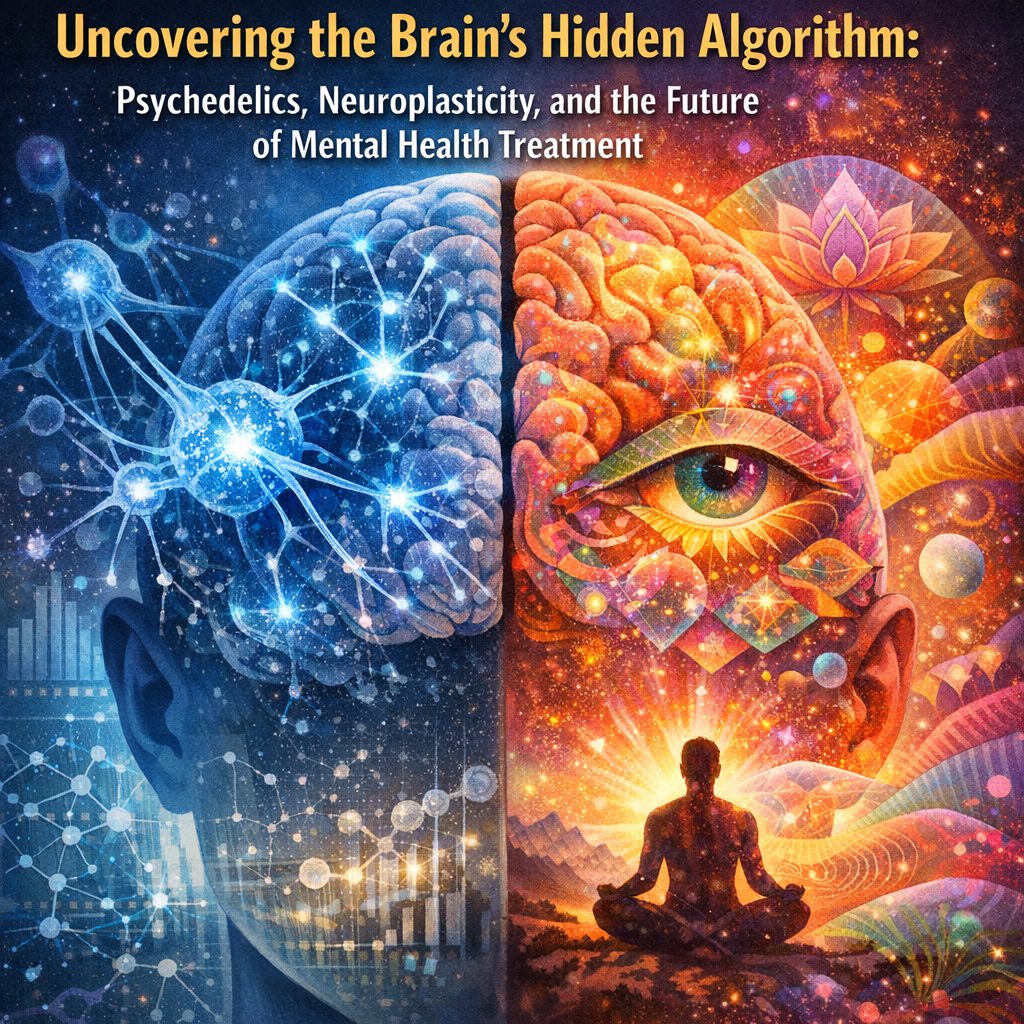
Uncovering the Brain’s Hidden Algorithm: Psychedelics, Neuroplasticity, and the Future of Mental Health Treatment
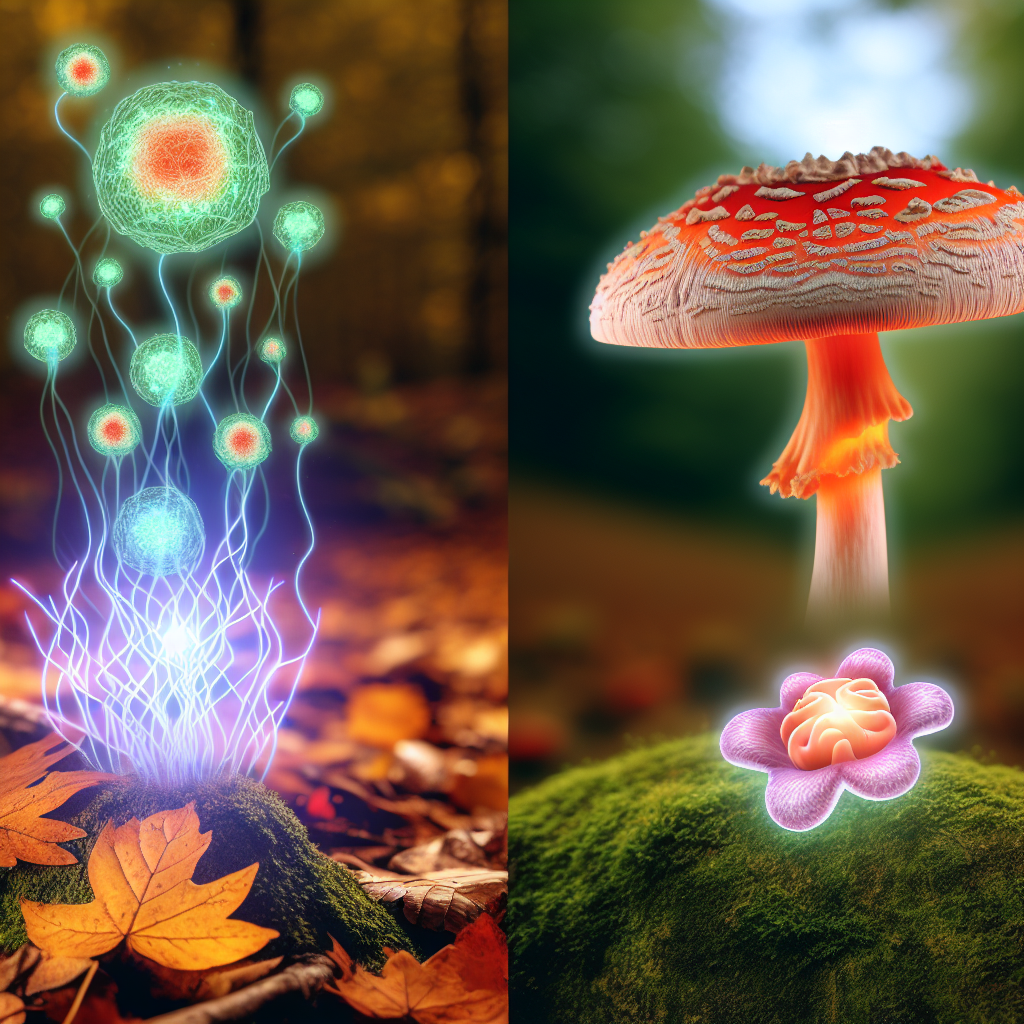
In recent years, there has been renewed interest in the potential of **psychedelics** to revolutionize **mental health treatment**. These naturally occurring compounds, including **psilocybin** (the active ingredient in magic mushrooms), have been used in various cultures for thousands of years. However, it is only in the past few decades that researchers have begun to unravel the neurological mechanisms that underpin their profound effects on human consciousness. A growing body of evidence suggests that psychedelics may alter the brain’s **default mode network** and enhance **neuroplasticity** – the brain’s ability to reorganize itself by forming new neural connections throughout life.
This surge in psychedelic research comes at a time when conventional mental health treatments often fall short. Conditions like **depression**, **PTSD**, and **anxiety** remain difficult to treat, with many patients experiencing suboptimal results from traditional therapies or pharmaceuticals. The need for innovative approaches has never been clearer. Enter psychedelics: these fascinating substances offer a paradigm shift, promising not to mask symptoms but to address the root causes by reshaping neural circuits and fostering emotional resilience.
**Psilocybin**, in particular, has shown promise in clinical trials, demonstrating substantial and enduring benefits for people with major depressive disorder and treatment-resistant depression. By promoting neuroplasticity, psilocybin encourages the brain to break free from maladaptive patterns of thought and behavior – essentially helping it to “rewire” itself. This potential has sparked widespread interest among researchers and clinicians, who are keen to explore how psychedelics might offer new avenues for healing.
Furthermore, psychedelics appear to quiet the **brain’s default mode network**, which is involved in self-referential thought and rumination. This deactivation allows for a state of heightened introspection and connectivity, creating a window of opportunity for profound therapeutic breakthroughs. As such, psychedelics hold promise not only for treating mental illness but also for enhancing well-being and creative problem-solving in otherwise healthy individuals.
Features: Exploring Relevant Studies
One seminal study hailed as a landmark in psychedelic research is the 2016 clinical trial conducted by researchers at [Johns Hopkins University](https://hub.jhu.edu). In this well-designed study, **cancer patients** with depression and anxiety were given psilocybin treatments. The findings were remarkable, with approximately 80% of participants showing significant reductions in depression and anxiety symptoms that persisted for up to six months after just a single session. Notably, the study indicated a correlation between **mystical-type experiences** and improvements in mental health outcomes, highlighting the potential of psychedelics in facilitating profound personal insights.
Another pivotal study, published in the journal [*Neuropharmacology*](https://www.journals.elsevier.com/neuropharmacology) in 2017, delved into the **molecular mechanisms** of psychedelics. Researchers discovered that psychedelics, including psilocybin, bind to the **5-HT2A receptor** in the brain, a receptor known for its role in **mood regulation** and **cognition**. Activation of this receptor leads to increased production of **Brain-Derived Neurotrophic Factor (BDNF)**, a protein that plays a vital role in neuronal growth and neuroplasticity. By enhancing BDNF, psilocybin encourages the brain to build new neural connections, offering hope for those whose neural circuits have been compromised by trauma or mental illness.
Yet another promising study from [Imperial College London](https://www.imperial.ac.uk) utilized functional magnetic resonance imaging (fMRI) to explore how psilocybin affects brain activity. The research demonstrated that psilocybin induces a state of **hyperconnectivity** in the brain, facilitating communication between regions that typically remain siloed. This dynamic rewiring is thought to underpin the profound shifts in perception and cognition experienced by individuals under the influence of psychedelics. Importantly, these changes are not ephemeral; they correspond with long-term psychological improvements, pointing to a sustainable model of mental health care.
Conclusion
**Psychedelics**, once relegated to the realm of counterculture, are now at the forefront of scientific exploration, heralding a new era in mental health treatment. By unlocking the brain’s hidden algorithm through enhanced neuroplasticity and connectivity, compounds like psilocybin offer transformative potential to those suffering from mental health disorders. As research continues to illuminate the mechanisms of these powerful substances, we move closer to a future where mental illness is approached not with blunt pharmacological instruments but with sophisticated, individualized treatments that address the root of one’s psychological pain. The scientific community stands poised on the brink of a paradigm shift, and the implications for mental health care are both profound and promising.
**Concise Summary**
Psychedelics like psilocybin are gaining attention for their potential to revolutionize mental health treatment by enhancing neuroplasticity and altering the brain’s default mode network. This comes as traditional therapies often fall short for conditions such as depression, PTSD, and anxiety. Recent studies from institutions like Johns Hopkins and Imperial College London highlight psilocybin’s promise in reducing symptoms and promoting sustained psychological well-being by fostering new neural connections and enhancing brain connectivity. As research progresses, psychedelics may offer transformative, individualized treatments for mental health disorders, marking a significant paradigm shift in the field.

Dominic E. is a passionate filmmaker navigating the exciting intersection of art and science. By day, he delves into the complexities of the human body as a full-time medical writer, meticulously translating intricate medical concepts into accessible and engaging narratives. By night, he explores the boundless realm of cinematic storytelling, crafting narratives that evoke emotion and challenge perspectives. Film Student and Full-time Medical Writer for ContentVendor.com