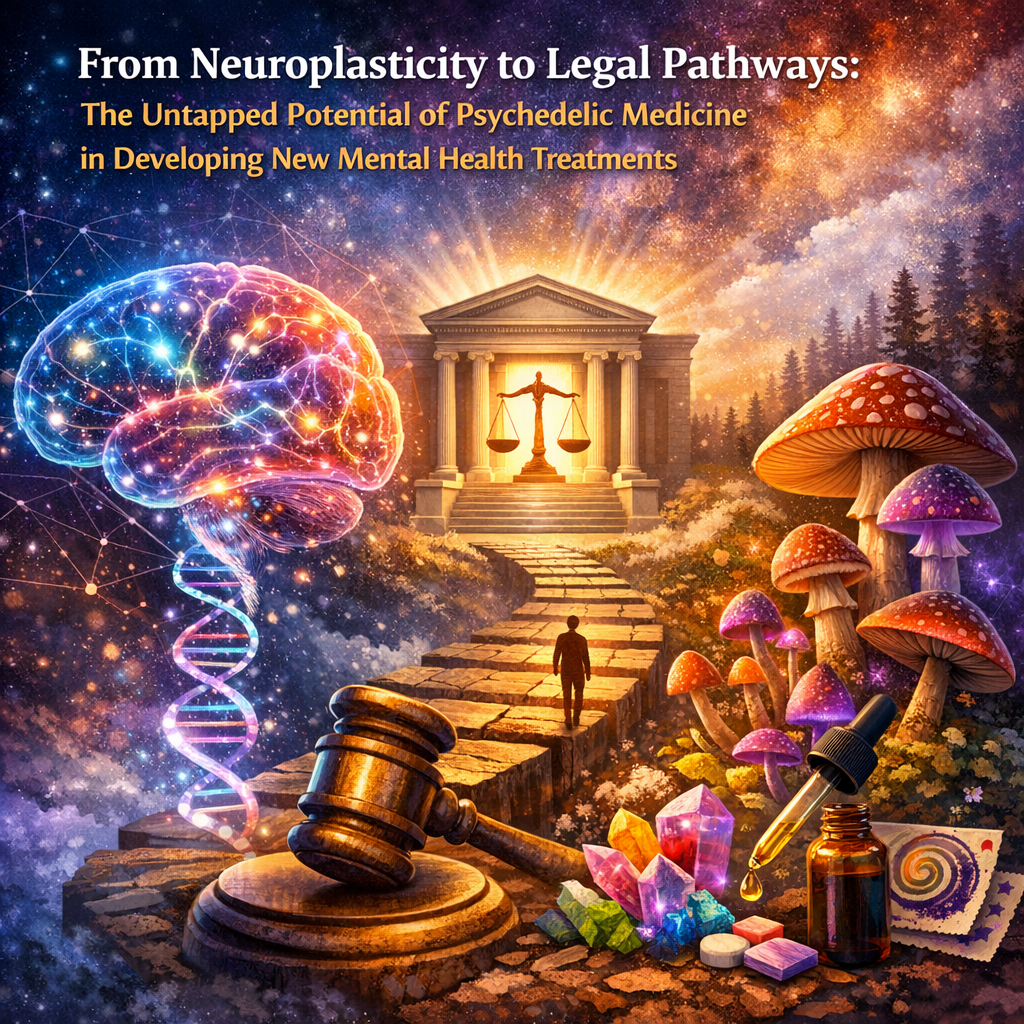
From Neuroplasticity to Legal Pathways: The Untapped Potential of Psychedelic Medicine in Developing New Mental Health Treatments
In recent years, the landscape of **mental health treatment** has experienced significant transformation, with **psychedelic medicine** emerging as a promising frontier. Substances like **psilocybin**, the active compound in “**magic mushrooms**,” were once dismissed due to their psychoactive properties. However, modern science has begun to uncover their profound potential in addressing a range of **mental health disorders** by tapping into the brain’s innate ability to heal and adapt—its **neuroplasticity**.
Neuroplasticity, the brain’s ability to form and reorganize synaptic connections, especially in response to learning or experience, is pivotal in developing treatments for **psychiatric conditions**. Traditional treatments, such as **antidepressants**, work primarily by adjusting neurotransmitter levels, which can be slow and, in many cases, inadequate. Conversely, **psilocybin** and other psychedelics offer a novel approach by fostering rapid and durable changes in brain connectivity. This can help reset patterns of thought associated with conditions like **depression**, **PTSD**, and **anxiety**.
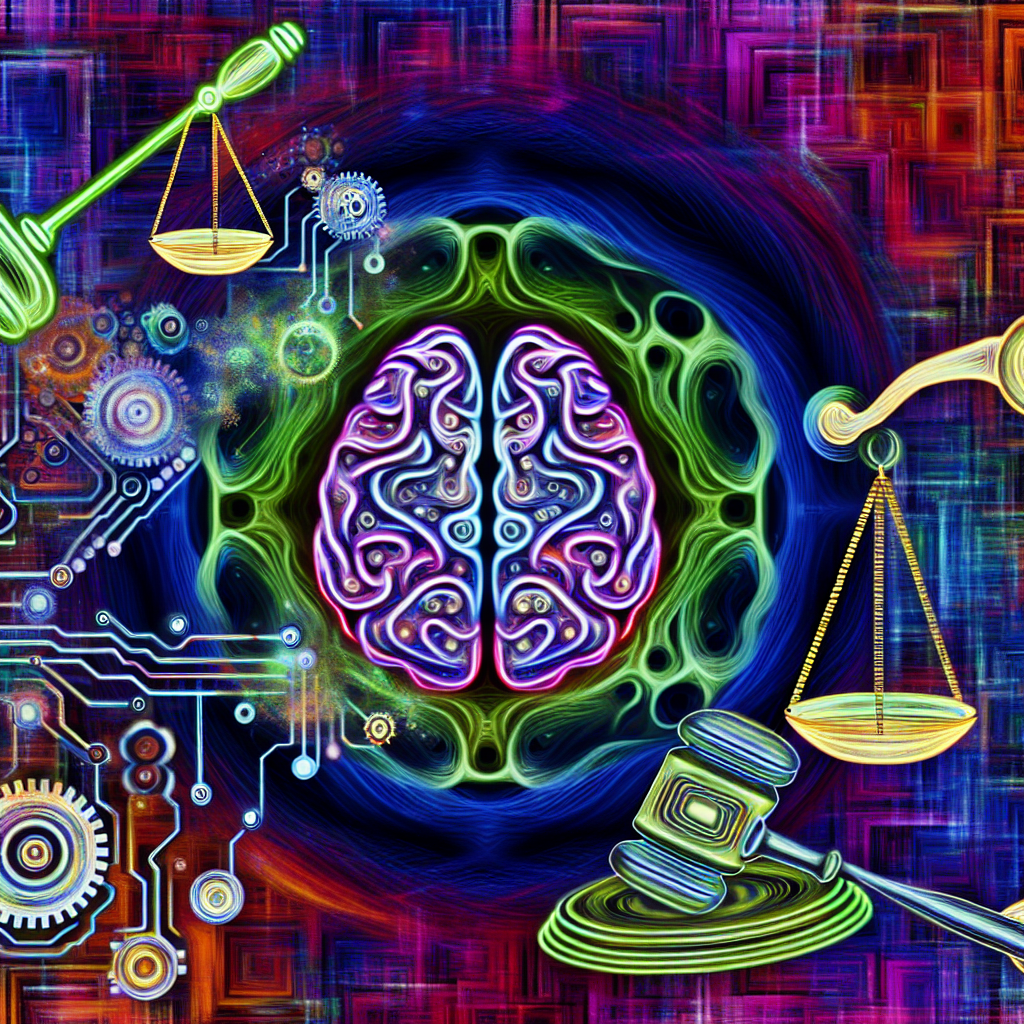
Equally intriguing is the evolving legal landscape surrounding these substances. In response to growing recognition from **scientific research** and patient advocacy, several jurisdictions are revisiting the legal status of psychedelics. This shift aims to destigmatize and facilitate clinical research, enabling more comprehensive studies to ascertain their safety and efficacy. Cities like Denver have decriminalized psilocybin mushrooms, while Oregon has legalized them for therapeutic use, illustrating the changing tides in **psychedelic legislation**.
Amid this evolving scene, the potential of **psychedelic medicine** extends beyond its biochemical effects. Psychedelics appear to offer emotional and spiritual insights, promoting profound personal growth and healing. These experiences can empower individuals to break free from entrenched negative patterns, offering unprecedented opportunities for recovery and wellness. As the dialogue around **mental health** becomes more inclusive of alternative therapies, psychedelics stand at the forefront, challenging traditional paradigms and promising a brighter, more inclusive future for mental health care.
Professional and Medical Studies on Psychedelic Treatments
Several renowned studies have significantly contributed to our understanding of **psychedelics** as viable mental health treatments. For instance, a pivotal study conducted by **Johns Hopkins University** demonstrated that psilocybin had profound effects on patients with **treatment-resistant depression**. Participants reported significant reductions in depressive symptoms after undergoing psilocybin-assisted therapy, with effects lasting up to six months or longer. The study supported other findings that psilocybin can enhance emotional and neurological resilience. [Johns Hopkins Medicine](https://www.hopkinsmedicine.org/news/newsroom/news-releases/psychedelic-treatment-with-psilocybin-relieves-major-depression-study-shows).
A study from **Imperial College London** further explored the effects of psilocybin on the brain’s **default mode network** (DMN), which is often hyperactive in individuals with depression. Using brain imaging techniques, researchers found that psilocybin effectively “resets” the DMN, similar to how a computer reboots, disrupting previously rigid patterns of thought and behavior. [Imperial College London](https://www.imperial.ac.uk/news/220265/study-reveals-how-psilocybin-therapy-mechanistically/).
In addition to psilocybin, **MDMA** has also shown promise in treating **PTSD**. A phase 3 clinical trial conducted by the **Multidisciplinary Association for Psychedelic Studies (MAPS)** revealed that patients treated with MDMA-assisted psychotherapy experienced significant relief from PTSD symptoms compared to those receiving traditional therapy. This study has been instrumental in moving MDMA towards **FDA approval** as a breakthrough treatment. [MAPS](https://maps.org/research/mdma).
Through these studies, it’s evident that **psychedelics** offer more than a temporary reprieve from symptoms. They promote an altered state of consciousness that facilitates profound personal insight and emotional release, paving the way for deep and lasting healing.
Conclusion
The resurgence of interest in **psychedelic medicine** offers an intriguing and hopeful avenue for mental health treatment. By leveraging the brain’s natural neuroplastic capabilities and challenging conventional legal frameworks, psychedelic-assisted therapies hold the promise of transforming our approach to mental health care. As more research unfolds, the potential of these once-misunderstood substances becomes increasingly undeniable, heralding a new era in understanding and treating mental disorders, one that embraces the complexity and resilience of the human mind.
**Summary:**
The article explores the potential of **psychedelic medicine** in transforming **mental health treatments** by leveraging the brain’s **neuroplasticity**. Substances like **psilocybin** and **MDMA** could revolutionize treatment for conditions such as **depression**, **PTSD**, and **anxiety**. The evolving legal landscape and advancing scientific research underscore the growing legitimacy of psychedelics in mental health care. Notable studies by **Johns Hopkins**, **Imperial College London**, and **MAPS** highlight their effectiveness, promoting significant changes in brain connectivity and offering profound personal insights. As societal and legal barriers recede, psychedelics promise a brighter future in mental health treatment.

Dominic E. is a passionate filmmaker navigating the exciting intersection of art and science. By day, he delves into the complexities of the human body as a full-time medical writer, meticulously translating intricate medical concepts into accessible and engaging narratives. By night, he explores the boundless realm of cinematic storytelling, crafting narratives that evoke emotion and challenge perspectives. Film Student and Full-time Medical Writer for ContentVendor.com