The Ethical Implications of AI-Driven Psychedelic Treatment Programs
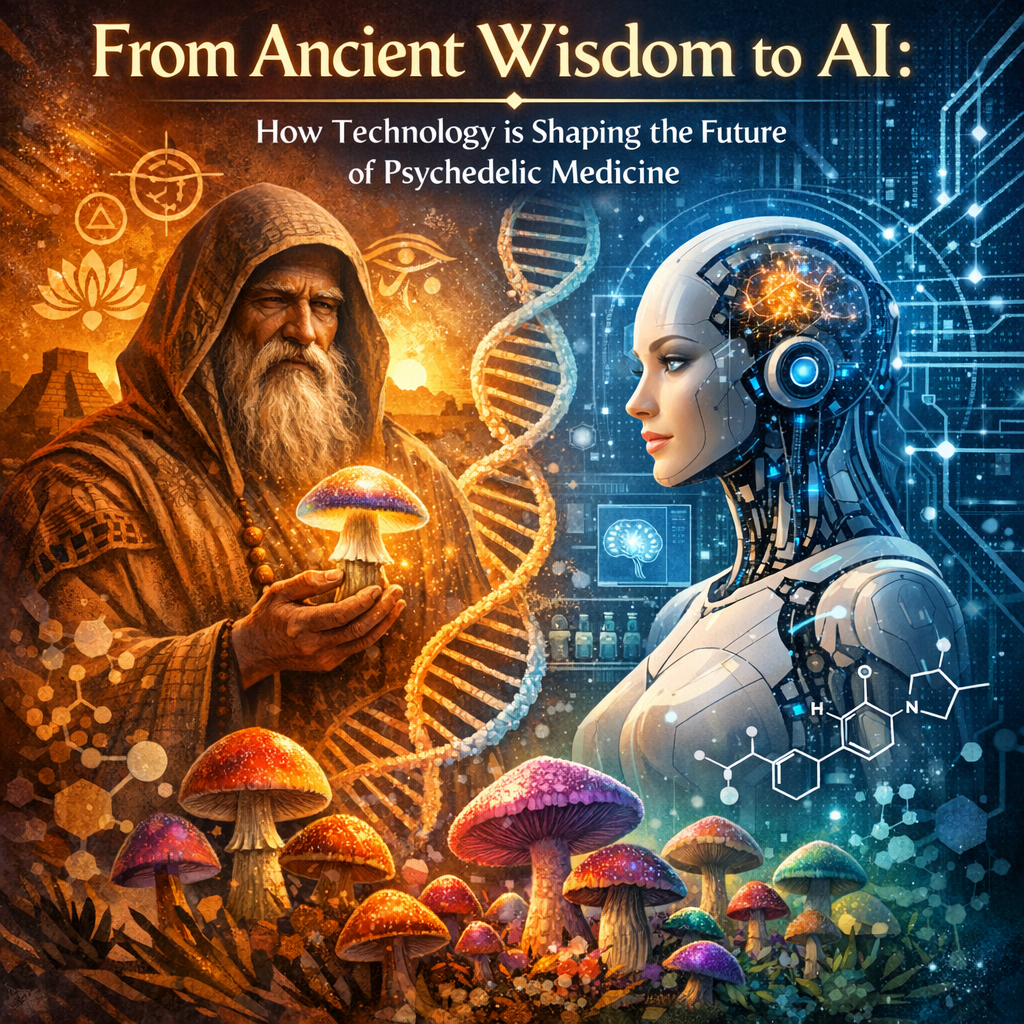
The intersection of **artificial intelligence (AI)** and **psychedelic substances** like **psilocybin** presents an intriguing frontier in the fields of mental health and therapeutic treatments. The potential of AI to enhance psychedelic therapies offers a promising avenue for advancements in treating mental health disorders. However, it also introduces complex ethical considerations.
Psychedelic substances, specifically psilocybin—the active component in **magic mushrooms**—have garnered increased attention for their promising therapeutic effects. Clinical trials and research have consistently demonstrated psilocybin’s efficacy in reducing symptoms of **depression**, **anxiety**, and **PTSD**. In parallel, AI’s capabilities in processing vast amounts of **data** make it an ideal partner for developing personalized treatment regimens. **AI-driven platforms** can analyze patient data to predict responses to psychedelic treatments, optimize dosage, and monitor patient progress with high precision.
Despite the potential benefits, the integration of AI into psychedelic treatments raises several ethical issues. First, there are concerns about the **privacy** and **security** of patient data. AI systems require large datasets to function effectively, which means collecting and storing sensitive medical information. Ensuring this data remains confidential and secure against breaches is paramount. Furthermore, the reliance on algorithms poses the risk of **bias**, potentially affecting the treatment outcomes for specific demographics. There’s a valid concern that AI systems, trained on skewed data, might reinforce existing disparities in mental health treatment.
Moreover, the question of **informed consent** becomes increasingly complex. Patients must understand not only the effects of the psychedelic substances but also the role AI plays in their treatment. The opacity of AI processes, often referred to as a ‘**black box**’, can make it challenging for patients to give fully informed consent, as they may not comprehend how treatment decisions are made. Additionally, the potential for AI-powered systems to lack empathetic understanding or reactivity in critical therapeutic moments presents an ethical quandary that demands careful consideration.
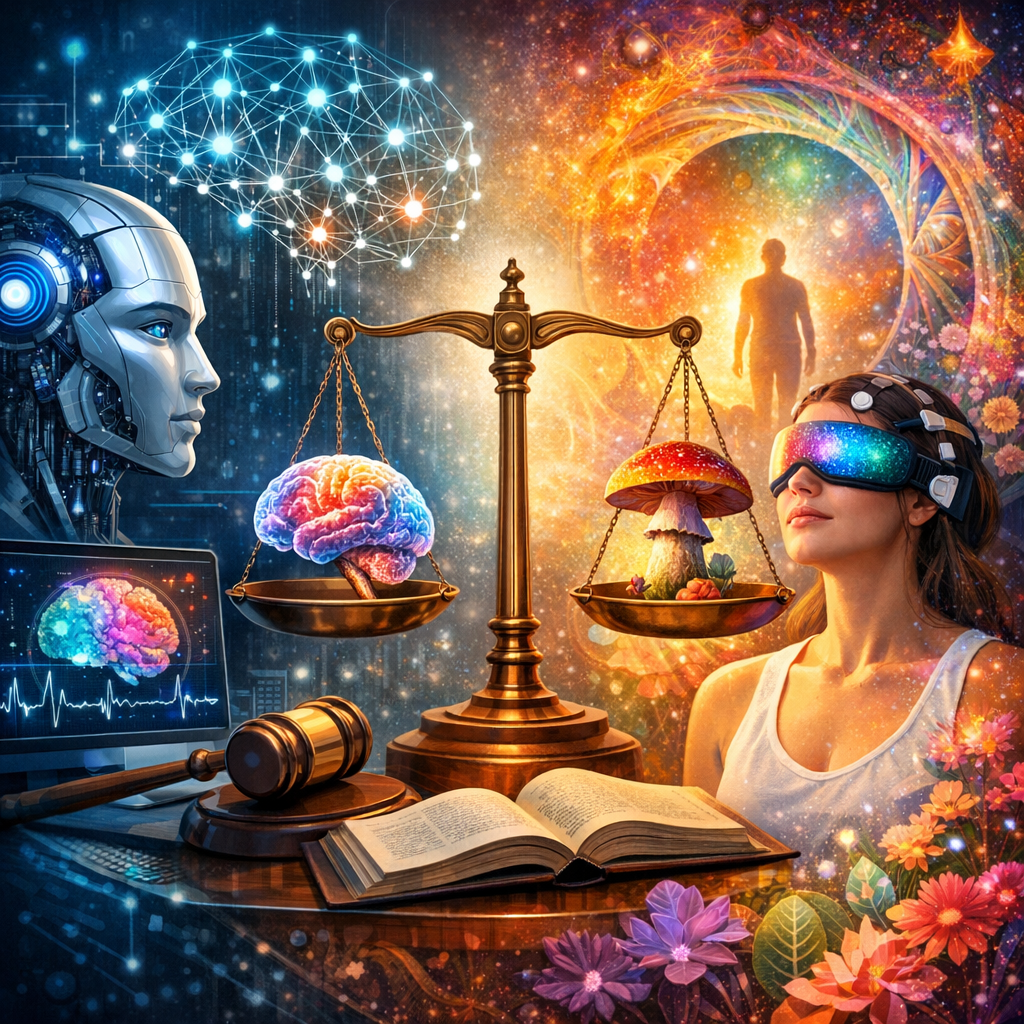
In this evolving landscape, it is crucial to strike a balance between leveraging AI’s capabilities and addressing these ethical concerns to ensure the responsible development and deployment of AI-driven psychedelic treatments.
Features:
Recent advancements in both AI technology and psychedelic research underscore the potential and challenges in integrating these two fields. A notable study published in the journal *Nature Medicine* demonstrated the efficacy of AI in predicting patient responses to antidepressants, suggesting similar applications could be tailored for psychedelic-assisted therapies. By analyzing patient data, AI can help identify who might benefit most from psychedelic treatments, potentially improving personalized medicine approaches.
In another study, AI’s capacity to support mental health treatment was explored, showing promising results in optimizing therapeutic outcomes by personalizing treatment pathways based on vast datasets of psychiatric information. This could extend to psychedelic treatments, where AI might offer precise recommendations for therapeutic interventions, timing, and dosage, increasing treatment efficacy and reducing the potential for adverse effects.
Clinical trials, such as those conducted by the Multidisciplinary Association for Psychedelic Studies (MAPS), highlight the safety and effectiveness of psychedelics when administered in controlled environments. With AI algorithms capable of real-time monitoring and adjusting treatment protocols during these sessions, the therapeutic process could become more dynamic and responsive, ensuring patient safety and enhancing therapeutic outcomes.
However, the ethical implications cannot be overstated. The opaque nature of AI decision-making processes, often described as ‘algorithmic opacity,’ means that patients might not fully understand how treatment decisions are reached, complicating informed consent. Furthermore, biases inherent in AI, due to historical data biases, could lead to unequal treatment outcomes across different population groups, making the case for careful validation and transparency in AI systems.
Conclusion:
The integration of AI into psychedelic treatment programs offers significant therapeutic promise but raises critical ethical questions that must be addressed. Balancing innovation with ethical responsibility is crucial to ensure these advanced treatments enhance mental health outcomes while respecting patient rights and autonomy. Ensuring transparency, safeguarding data, and addressing biases are vital steps in shaping a future where AI-driven psychedelic therapies are both effective and ethically sound.
**Concise Summary:**
The fusion of AI and psychedelic treatments like psilocybin holds promise in advancing mental health care by offering personalized treatment plans. AI’s analytical power could enhance treatment efficacy and safety, yet concerns about data privacy, biases, and informed consent challenge this integration. Ensuring data security, transparency in AI processes, and addressing potential biases are essential to ethically and effectively realize AI-driven psychedelic therapies.

Dominic E. is a passionate filmmaker navigating the exciting intersection of art and science. By day, he delves into the complexities of the human body as a full-time medical writer, meticulously translating intricate medical concepts into accessible and engaging narratives. By night, he explores the boundless realm of cinematic storytelling, crafting narratives that evoke emotion and challenge perspectives. Film Student and Full-time Medical Writer for ContentVendor.com