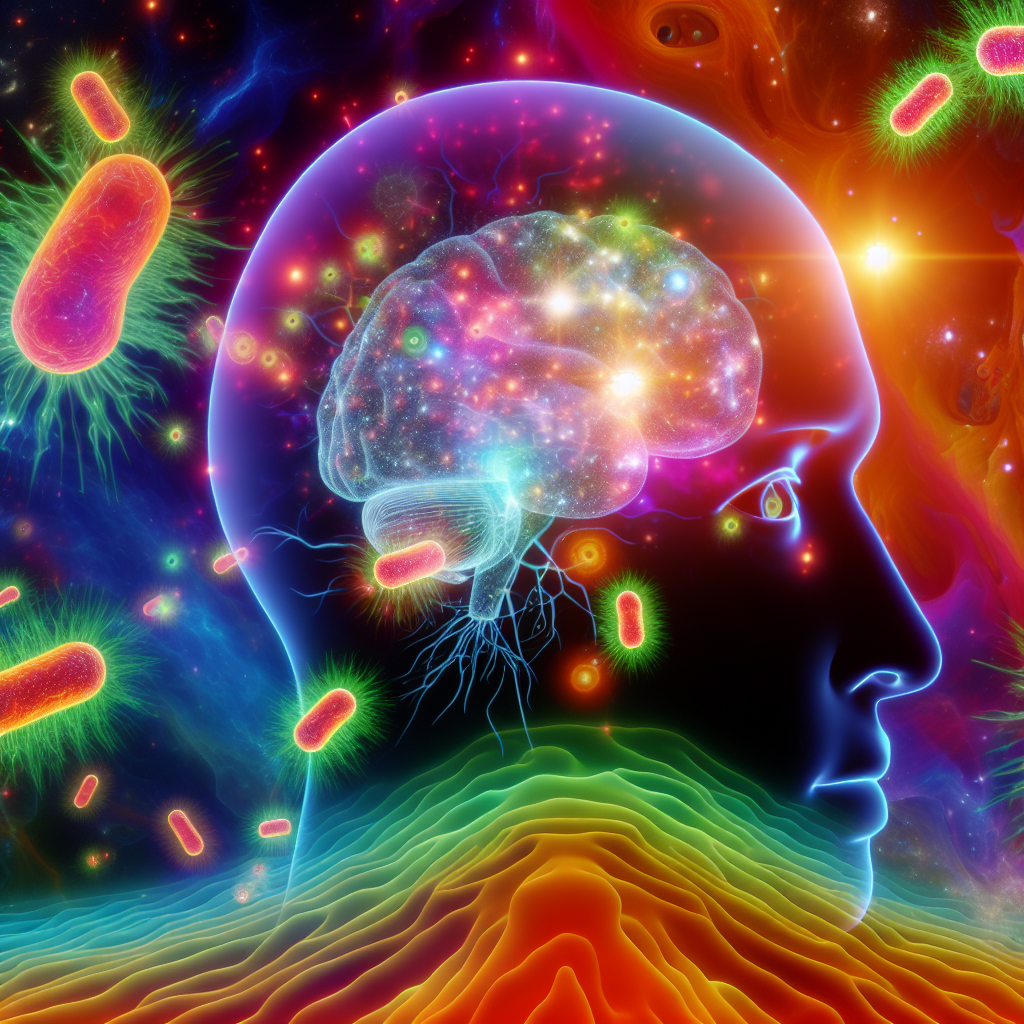
Revolutionizing Consciousness: The Next Frontier of Psychedelic Microbial Symbiosis
Introduction
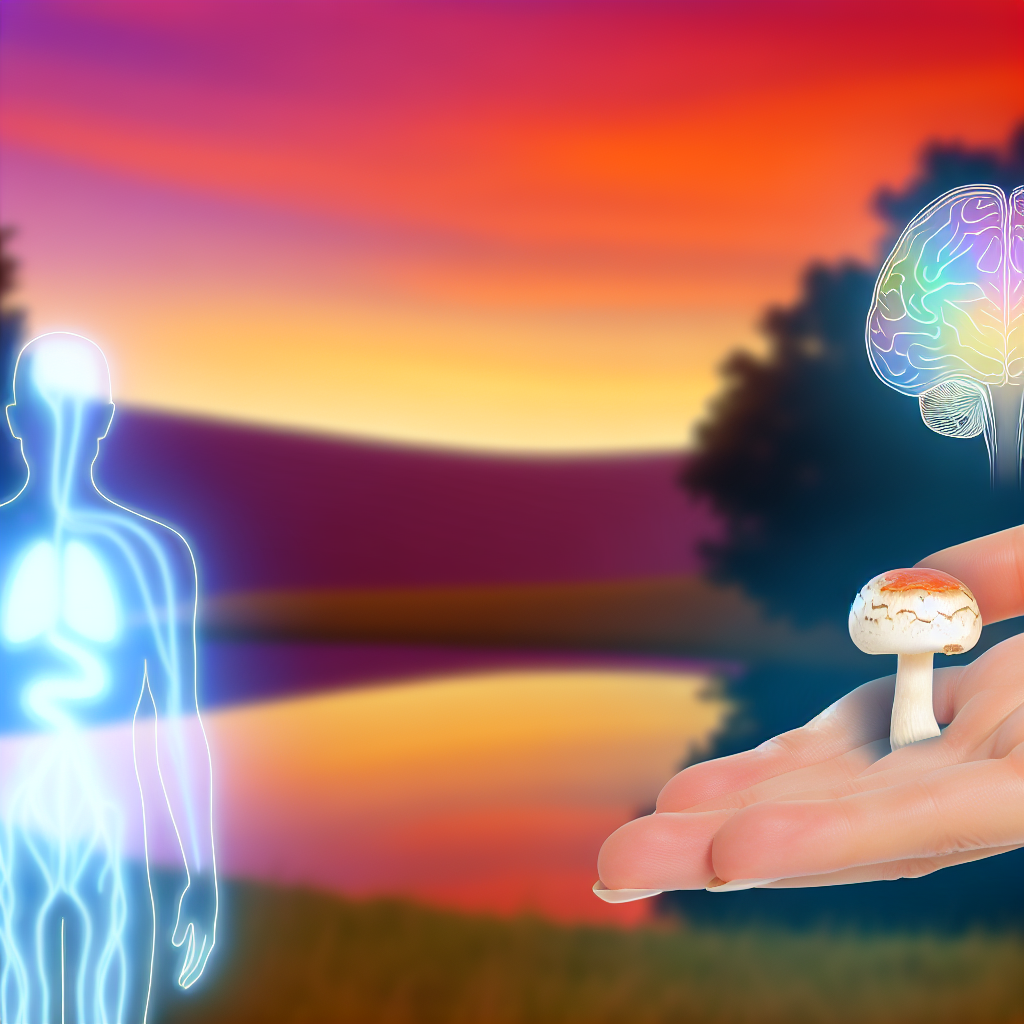
In recent years, the resurgence of **psychedelics**, primarily **psilocybin mushrooms**, has invited a broader conversation about the healing potential of these potent fungi. As our understanding expands, a new frontier emerges—**psychedelic microbial symbiosis**. This concept marries the ancient wisdom of natural healing with modern science, focusing on how **microorganisms**, in symbiotic relationships with psilocybin mushrooms, can revolutionize human consciousness and holistic health.
**Mushrooms** have long been revered for their medicinal properties across various cultures. Traditionally, societies have used **psilocybin** for spiritual enlightenment and **therapeutic** practices. Today, as science peels back the layers of these enigmatic organisms, we discover that the symbiosis between fungi and certain **bacteria** could unlock unprecedented therapeutic potentials.
**Microbial symbiosis** refers to a mutually beneficial relationship between two different biological entities—in this case, fungi and bacteria. For psilocybin mushrooms, this symbiosis can enhance growth, metabolite production, and resilience. Understanding and harnessing this relationship holds promise in realizing the full therapeutic potential of psilocybin. Recent **biotechnological advancements** enable scientists to manipulate these microbial interactions, aiming to boost the mushrooms’ medicinal properties.
**Psilocybin**, the active compound in these mushrooms, has shown significant promise in treating mental health disorders such as **depression**, **anxiety**, **PTSD**, and **addiction**. The compound interacts with **serotonin receptors** in the brain, often resulting in heightened states of perception and profound psychological experiences. These experiences can lead to new insights and behavioral changes, offering relief where traditional therapies may have failed.
The potential growth in **microbial symbiosis** could further enhance these benefits. Certain bacteria can increase psilocybin production and the expression of secondary metabolites, compounds that might have additional therapeutic effects. Research in this area is still nascent but exciting, promising a future where mental health treatments are more personalized and effective than ever before.
Features
Reflecting the rapidly growing body of research, several studies underscore the significance of microbial symbiosis in enhancing the therapeutic effects of psilocybin mushrooms. A notable [study from the University of British Columbia](https://www.ubc.ca) explores how specific bacteria, when co-cultivated with psilocybin-producing fungi, can amplify the biosynthesis of psilocybin and other **alkaloids**. The implications are profound, suggesting a method to increase the yield and potency of psilocybin, making therapies not only more effective but also commercially viable.
Furthermore, a study published in **Nature Microbiology** discusses the potential for genetically engineering bacteria-fungi interactions to tailor psilocybin production. By doing so, researchers can enhance the expression of enzymes involved in the precursor steps of psilocybin biosynthesis. This [Nature Microbiology Study](https://www.nature.com/articles/nmicrobiol) highlights the potential of using biosynthetically enriched mushrooms to develop therapeutic protocols tailored to individual needs, reducing side effects and increasing efficacy.
Another critical aspect of **microbial symbiosis** is its potential impact on mental health therapies. Psilocybin has been shown to induce **neuroplasticity**—the brain’s ability to form new neural connections. A study by [Imperial College London](https://www.imperial.ac.uk) reveals that enhanced psilocybin preparations can accelerate these neural changes, offering novel approaches for mood disorder treatments.
Moreover, the symbiotic relationship fosters an environment where beneficial compounds, such as **antioxidants** and **anti-inflammatories**, can be co-produced. This synergy could provide holistic health benefits alongside the psychoactive effects of psilocybin. The holistic approach addresses both physical and mental health dimensions, advocating for an integrative treatment model that shifts the focus from illness to overall wellness.
Conclusion
As research continues to evolve, the exploration of psychedelic microbial symbiosis promises to revolutionize not just treatment paradigms but the very essence of human consciousness. This intersection of ancient practices and modern science holds the keys to unlocking enhanced therapeutic potential. By embracing this frontier, we are not just witnessing an evolution in psychedelic therapy but an entire transformation in how we understand and harness the natural symbiosis between microorganisms and psilocybin mushrooms. As we stand at the cusp of this new dawn, the future holds promise for both personal and societal healing on an unprecedented scale.
**Concise Summary**
The resurgence of psilocybin mushrooms and the discovery of their microbial symbiosis open a new frontier in mental health therapy. This symbiosis between fungi and bacteria enhances psilocybin’s growth and potency and promises advanced treatment for disorders like depression and PTSD. Scientific advancements, such as those from the University of British Columbia, Nature Microbiology, and Imperial College London, underline the therapeutic potential of genetically engineered microbial interactions. This integrative approach, supported by enhanced neuroplasticity and ancillary health benefits, provides a holistic model for mental and physical wellness, signaling a transformative era in psychedelic therapy and human consciousness.

Dominic E. is a passionate filmmaker navigating the exciting intersection of art and science. By day, he delves into the complexities of the human body as a full-time medical writer, meticulously translating intricate medical concepts into accessible and engaging narratives. By night, he explores the boundless realm of cinematic storytelling, crafting narratives that evoke emotion and challenge perspectives. Film Student and Full-time Medical Writer for ContentVendor.com