The Next Frontier of Psychedelic Therapy: How AI-Driven Algorithms are Revolutionizing Psilocybin Research and Integration Strategies
Introduction
The intersection of **technology** and **healthcare** has often brought groundbreaking changes, yet few areas promise as much transformative potential as the synergy between **artificial intelligence (AI)** and **psychedelic therapy**. More specifically, the ancient wisdom of **psilocybin**, the psychoactive compound found in certain mushrooms, is gaining a new dimension through modern AI-driven algorithms. As society becomes increasingly cognizant of **mental health challenges**, there’s been an unparalleled resurgence in interest for effective, alternative treatments, with psilocybin gaining traction for its profound therapeutic benefits.
Historically, psilocybin has been intertwined with spiritual practices and consciousness exploration. However, recent shifts toward scientific validation are driven by burgeoning research attesting to its benefits in treating conditions like **depression**, **anxiety**, and **PTSD**. This pivot from the spiritual to medical realm is being accelerated by AI technology, which enhances research methodologies and integration strategies, offering a comprehensive understanding of psilocybin’s effects and optimal usage.
AI-driven algorithms are poised to revolutionize psilocybin research in several unprecedented ways. They facilitate massive **data analysis**, bringing insights from disparate studies into cohesive conclusions that would otherwise be impossible due to research constraints. **Machine learning** models can predict individualized responses to psilocybin, paving the way for personalized treatment plans that maximize efficacy while minimizing risks.
Moreover, these algorithms can refine integration strategies by analyzing patient feedback in real-time, allowing clinicians to adjust therapeutic approaches swiftly. Machine learning capabilities may soon facilitate advanced **simulations of psilocybin’s neurological impacts**, offering a virtual avenue to explore its complex interactions within the human brain. This not only accelerates understanding but also helps to craft legislation and guidelines that recognize both the therapeutic potential and the need for regulated usage of such compounds.
As the stigma surrounding psychedelic substances continues to dissolve, AI-driven advancements reaffirm the promise of psilocybin in **mental health therapy**, marking the beginning of a new era where cutting-edge technology meets natural remedies.
Features
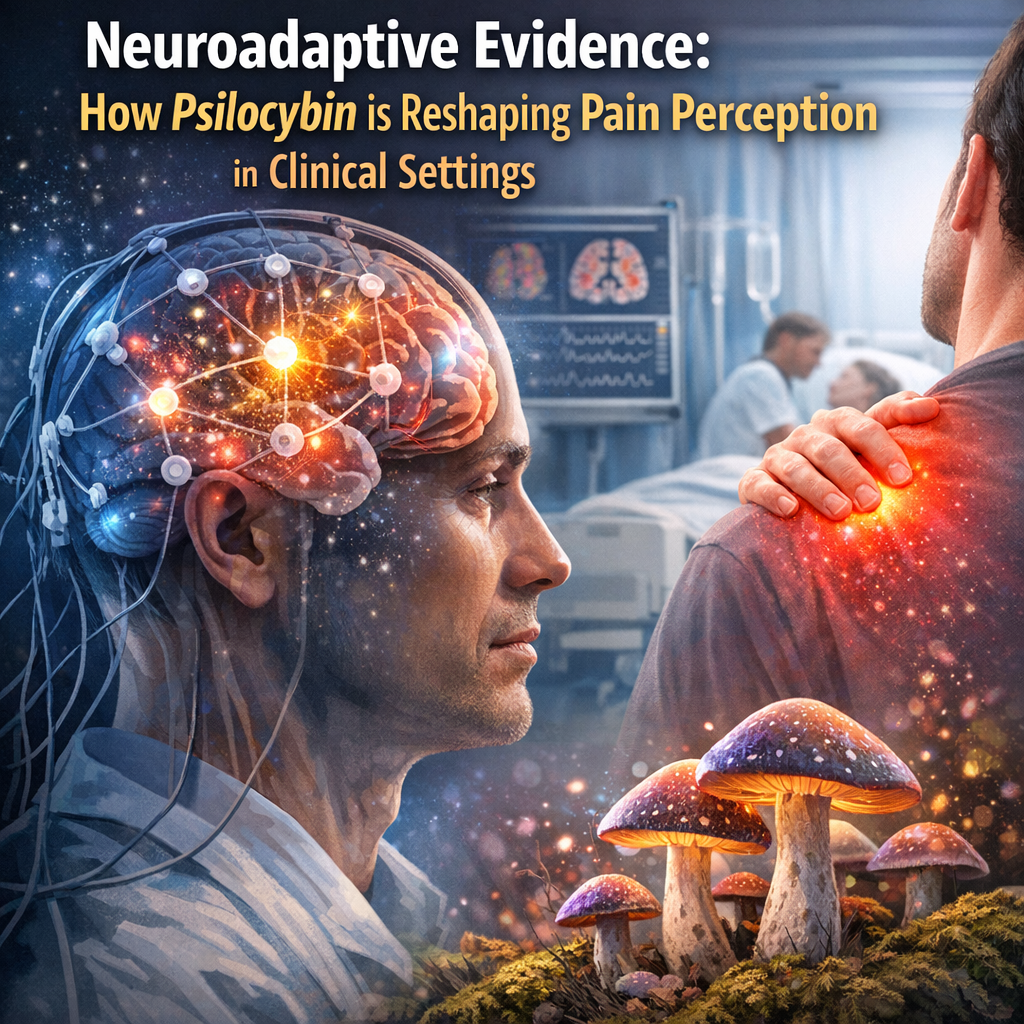
Recent professional and medical studies reveal the profound implications of integrating AI into the realm of psilocybin research. A study published in the journal [*Nature Medicine*](https://www.nature.com/articles/s41591-021-01255-1) demonstrated the potential of psilocybin-assisted therapy for treatment-resistant depression, with AI models playing a crucial role in validating and refining the results. The application of AI in these studies involved intricate algorithms that could analyze vast datasets more efficiently than traditional methods.
AI’s capacity to handle and interpret large-scale data can also lead to discovering intricate patterns and correlations within psilocybin studies, which were previously unattainable. For instance, AI models developed at [Johns Hopkins University](https://hopkinspsychedelic.org/) are being used to discern which neurological pathways are most engaged during psilocybin experiences, shedding light on its potential to recalibrate dysfunctional mental states. Such insights facilitate the development of precise clinical applications tailored to mental health conditions.
Additionally, clinical studies at [Imperial College London](https://www.imperial.ac.uk/psychedelic-research-centre/) are leveraging AI to enhance the design and implementation of therapeutic protocols involving psilocybin. These studies utilize machine learning to predict which patients are most likely to benefit from psilocybin therapy, thus ensuring personalized and effective treatment plans. AI’s ability to analyze longitudinal data also supports ongoing assessments of therapy efficacy over time, enhancing our understanding of psilocybin’s long-term impacts and potential therapeutic uses.
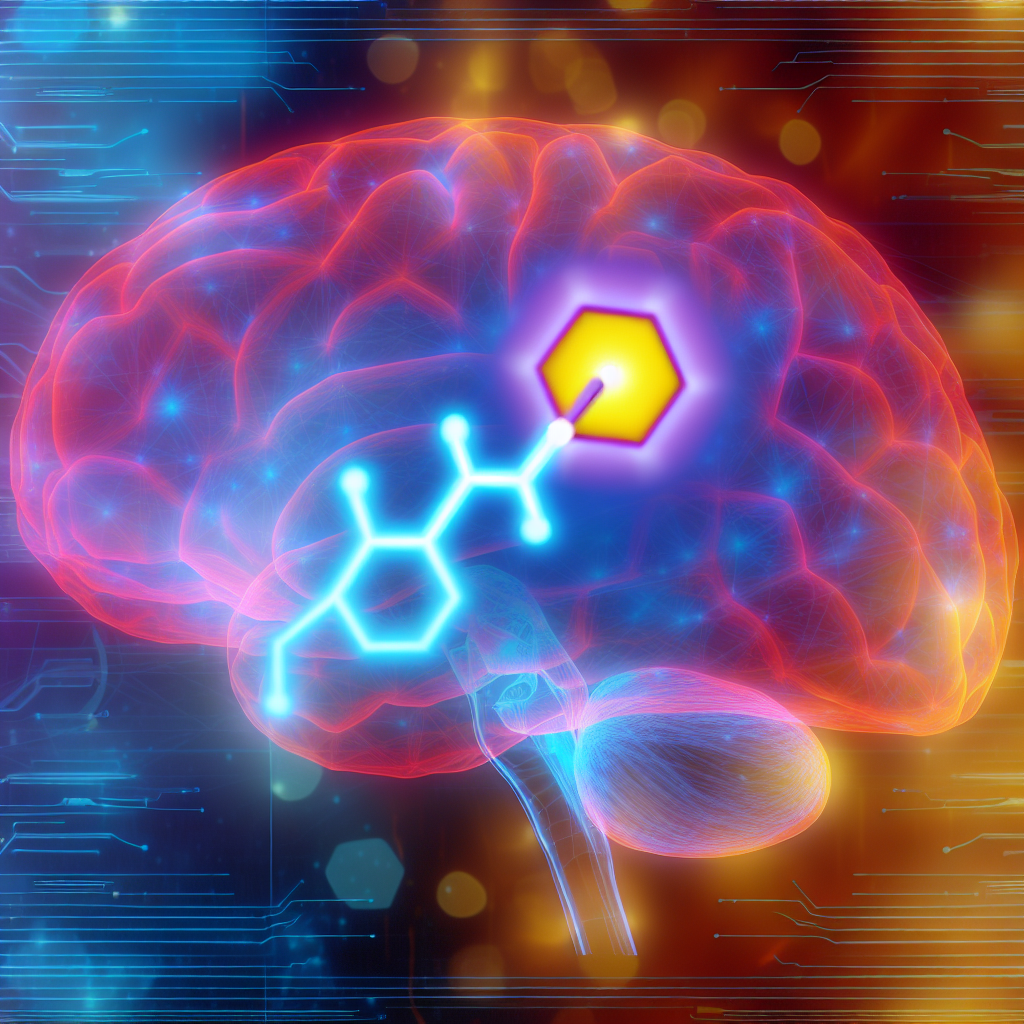
Furthermore, innovative AI algorithms are being developed to **simulate human brain responses to psilocybin** at a molecular level. This advancement allows researchers to experiment with variables in a controlled, digital environment, reducing the risk inherent in traditional human trials and accelerating the timeline of research cycles.
Conclusion
As we stand on the cusp of a new chapter in psychedelic research, AI-driven algorithms provide a sophisticated lens through which psilocybin’s therapeutic potentials can be explored with unprecedented accuracy and depth. By marrying ancient healing wisdom with modern technology, we are not only opening doors to more effective **mental health treatments** but also redefining the landscape of psychedelic therapies for the future. This alliance between AI and psilocybin research is not merely a novel approach; it is the cornerstone of the next healthcare revolution.
Concise Summary
AI-driven algorithms are revolutionizing psilocybin research by enhancing data analysis, predicting individualized responses, and refining therapeutic integration strategies. This technological synergy facilitates deeper insights into psilocybin’s effects and offers personalized treatment plans for mental health conditions such as depression, anxiety, and PTSD. By integrating AI, research methodologies become more efficient, uncovering patterns and correlations previously unattainable. Institutions like Johns Hopkins and Imperial College are advancing clinical applications, while simulations of psilocybin’s impacts promote safer and accelerated research. This synergy marks a new era of psychedelic therapy, bridging ancient wisdom with modern technological advancements.

Dominic E. is a passionate filmmaker navigating the exciting intersection of art and science. By day, he delves into the complexities of the human body as a full-time medical writer, meticulously translating intricate medical concepts into accessible and engaging narratives. By night, he explores the boundless realm of cinematic storytelling, crafting narratives that evoke emotion and challenge perspectives. Film Student and Full-time Medical Writer for ContentVendor.com