Navigating the Ethics of Microdosing: Balancing Innovation and Integrity in Psychedelic Medicine
In recent years, there has been a resurgence of interest in **psychedelics** as potential therapeutic tools. Among these substances, **psilocybin**, the compound found in certain species of mushrooms, has garnered particular attention for its potential in treating a range of **mental health conditions**. **Microdosing**, the practice of ingesting sub-perceptual amounts of psychedelics, is becoming a popular way to promote mental well-being, enhance creativity, and improve focus without the hallucinogenic effects associated with larger doses. Despite the increasing prevalence of microdosing, the ethical implications of this practice remain largely uncharted territory.
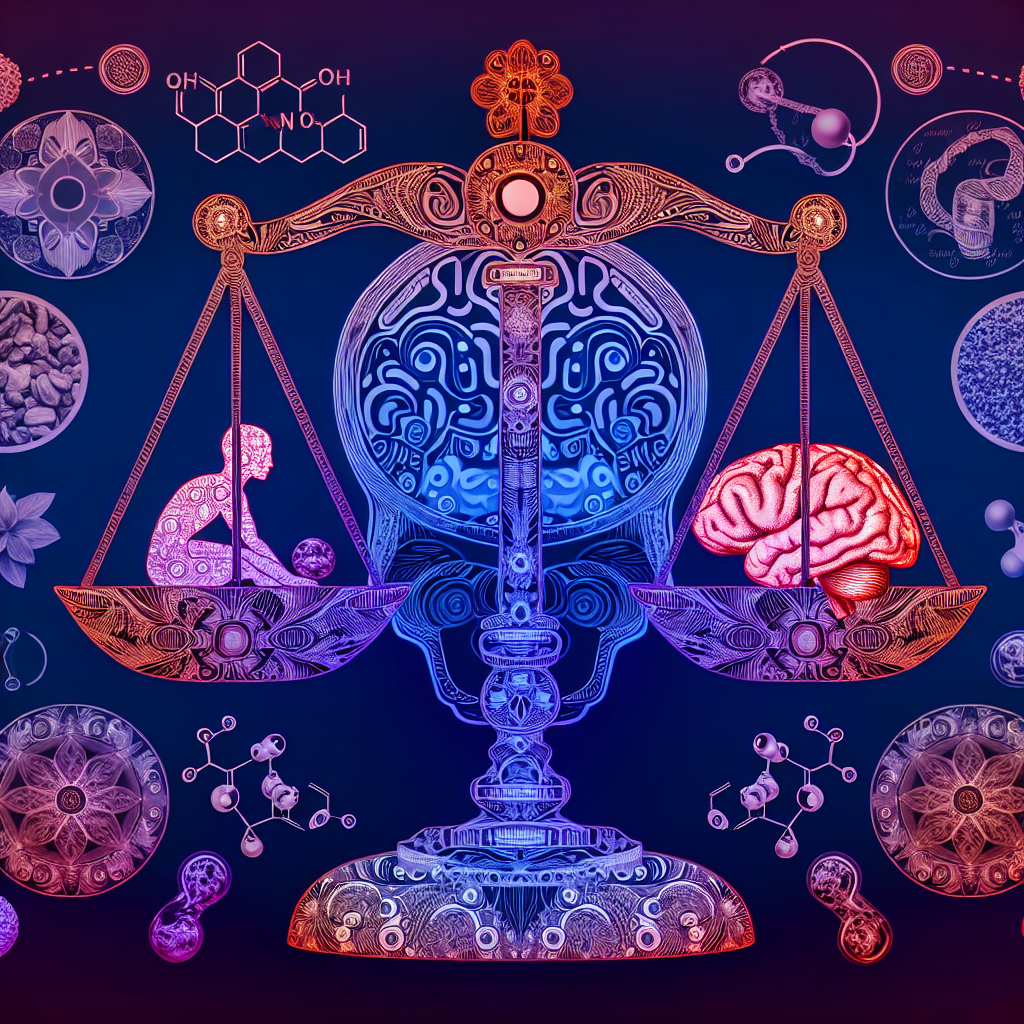
**Microdosing** poses unique ethical questions at the intersection of medicine, wellness, and recreational drug use. On one hand, there is the promise of innovative treatments for mental health conditions that resist conventional therapies. On the other, there is potential for misuse and the need for strict regulation, informed by empirical research. As we stand on the cusp of integrating psychedelics into mainstream medical practice, it is paramount to balance innovation with integrity.
Unregulated use of **psilocybin** for self-treatment raises concerns about safety and efficacy. Many users report improved mood, decreased anxiety, and overall enhanced quality of life. However, the subjective nature of these outcomes makes them difficult to study under traditional scientific frameworks. Therefore, while anecdotal evidence supports the potential benefits of **microdosing**, rigorous clinical studies are needed to confirm these effects and develop standardized protocols.
The social implications of **microdosing** also present ethical challenges. **Psychedelic substances** have historically been associated with countercultural movements, and their use can be stigmatized in more conservative circles. Legal status varies widely, with **psilocybin** still classified as a Schedule I substance under United States federal law, despite decriminalization in certain local jurisdictions. This legal ambiguity complicates efforts to integrate **psilocybin medicine** into regulated healthcare systems. Moreover, the intersection of pharmaceutical interests and indigenous knowledge, considering that many psychedelic substances have roots in traditional practices, adds layers to the ethical conversation. Ensuring that commercialization efforts fairly recognize and compensate the cultural origins of these substances is a crucial component of navigating the ethical landscape.
Features: Professional and Medical Studies
Emerging research provides a promising window into the potential of **microdosing** as a treatment modality. A study by Polito and Stevenson (2019) [investigated the psychological outcomes associated with microdosing psychedelics](https://www.sciencedirect.com/science/article/abs/pii/S0924977X19301960). The results suggested improvements in mood and decreased levels of depression and anxiety in participants, providing a scientific basis for anecdotal claims.
Moreover, a groundbreaking study published in the [*Journal of Psychopharmacology*](https://journals.sagepub.com/doi/abs/10.1177/0269881116675513) involved a placebo-controlled trial comparing the effects of microdosed psilocybin against placebo on patient-reported outcomes. Carhart-Harris et al. (2021) demonstrated that while **microdosing** showed potential benefits, the **placebo effect** was also notably strong, highlighting the need for further controlled studies.
The ethical issues surrounding **microdosing** can also be understood through the lens of neuroscientific research. **Psilocybin interacts** with serotonin receptors in the brain, which are integral to mood regulation. Griffiths et al. (2016) conducted research at Johns Hopkins University, showing that full doses of psilocybin had substantial therapeutic effects on patients with treatment-resistant depression, paving the way for smaller-scale interventions such as **microdosing**.
However, researchers call for caution. High-quality, long-term studies are still lacking, and many scientists urge that **microdosing** should not be seen as a catch-all treatment. Potential psychological risks, ethical concerns regarding self-medication, and the balance of placebo and real effects need further investigation.
Ensuring that experiments are conducted with rigorous ethical oversight is paramount. Researchers must educate participants, secure informed consent, and transparently report methodologies and outcomes. This ensures that **microdosing** as a practice can ethically transition from anecdotal evidence to established scientific protocol. Collaborative efforts between scientists, ethicists, and indigenous communities can help navigate the ethical complexities of bringing **microdosing** into mainstream therapeutic use.
Conclusion
**Microdosing** represents a fascinating frontier at the crossroads of innovation and ethics in **psychedelic medicine**. As science seeks to validate the potential benefits of psilocybin, a commitment to ethical integrity must guide development. With responsible research and respect for cultural origins, **microdosing** could transform mental health treatment. By collectively navigating this ethical terrain, we ensure that innovation in psychedelic medicine is both pioneering and principled.
References
– Polito, V., & Stevenson, R. J. (2019). A systematic study of microdosing psychedelics. [European Neuropsychopharmacology](https://www.sciencedirect.com/science/article/abs/pii/S0924977X19301960).
– Carhart-Harris, R. L., & Goodwin, G. M. (2021). The therapeutic potential of **psychedelic drugs**: Past, present, and future. [Neuropsychopharmacology](https://www.nature.com/articles/s41386-020-00948-x).
– Griffiths, R. R., et al. (2016). **Psilocybin** produces substantial and sustained decreases in depression and anxiety in patients with life-threatening cancer: A randomized double-blind trial. [Journal of Psychopharmacology](https://journals.sagepub.com/doi/abs/10.1177/0269881116675513).
Summary:
**Microdosing**, a practice involving sub-perceptual doses of psychedelics like **psilocybin**, poses ethical challenges amid emerging therapeutic potential. With reported benefits in mental well-being, its unregulated use raises safety concerns, demanding rigorous studies to confirm effects. The convergence of pharmaceutical interests and indigenous practices complicates the legal landscape. Studies suggest potential benefits, but placebo effects and ethical self-medication concerns persist. Collaborative research with robust oversight is vital to ethically transition microdosing from anecdotal claims to mainstream therapeutic use. Balancing innovation with cultural respect, microdosing may revolutionize mental health treatment.

Dominic E. is a passionate filmmaker navigating the exciting intersection of art and science. By day, he delves into the complexities of the human body as a full-time medical writer, meticulously translating intricate medical concepts into accessible and engaging narratives. By night, he explores the boundless realm of cinematic storytelling, crafting narratives that evoke emotion and challenge perspectives. Film Student and Full-time Medical Writer for ContentVendor.com