Psychedelics and the Revolution in Mental Health: Is Personalized Neuroplasticity the Future of Treatment?
**Introduction**
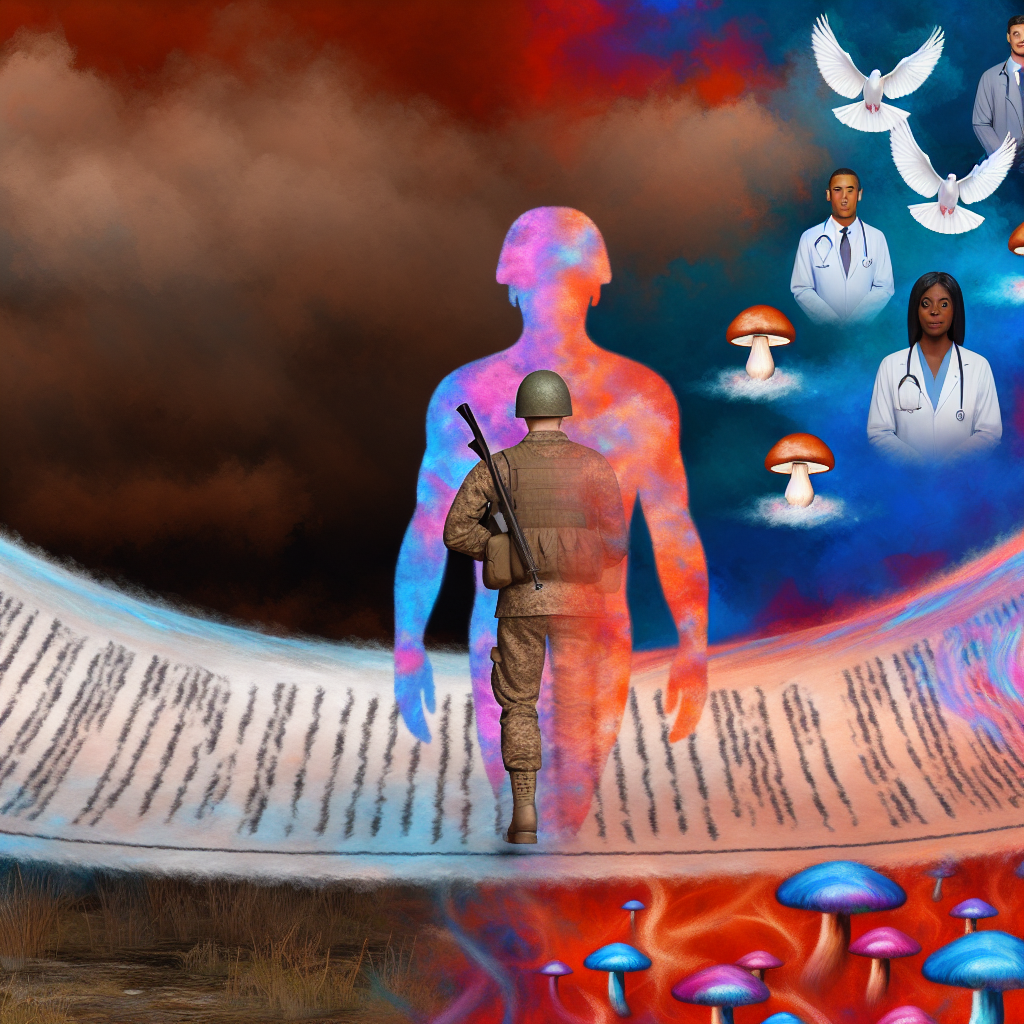
The landscape of **mental health treatment** is undergoing a seismic shift, fueled by the burgeoning interest in **psychedelics** as a therapeutic tool. **Psilocybin**, the active compound found in certain mushrooms, is at the forefront of this revolution, offering new hope for conditions that have long resisted traditional treatments. From **depression** to **PTSD**, the potential benefits of psychedelics are gaining recognition in both medical and popular circles.
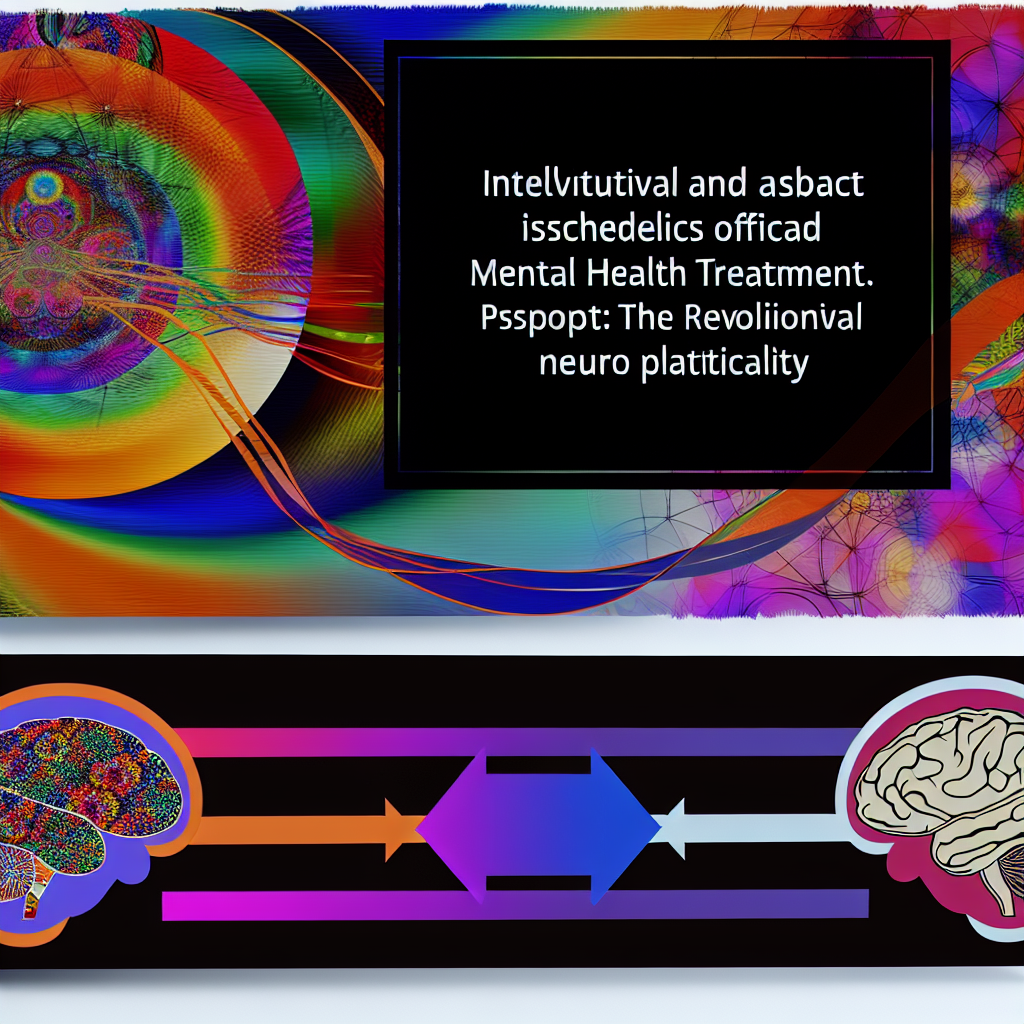
At the heart of this revolution is the concept of **neuroplasticity**—the brain’s ability to reorganize itself by forming new neural connections. Substances like psilocybin appear to enhance neuroplasticity, enabling the brain to rewire itself in beneficial ways. This neuroplastic potential promises a groundbreaking approach to personalized mental health care, allowing treatments to be tailored to the unique neural make-up of each individual. For instance, individuals with **treatment-resistant depression** might benefit from therapies that target specific brain regions that are not addressed through conventional medications.
While the idea of using psychedelics for mental health is not new—**indigenous cultures** have employed these substances for centuries—it’s the scientific validation of their efficacy and safety that’s sparking renewed interest and enthusiasm. Initial studies suggest that psychedelics can induce profound, long-lasting changes in mood and cognition, often with just a single dose. This has led to the formation of various research initiatives exploring psychedelics as a treatment for a range of psychological issues.
Moreover, the stigma surrounding psychedelics is diminishing, paving the way for more open discussions and expanded research. Structural and biochemical changes observed in the brain post-psychedelic use point towards a remarkable opportunity: the chance to tailor treatments by unlocking novel pathways for healing remains uncharted territory. As we advance, the synthesis of psychedelics and neuroplasticity could redefine how we approach mental health, centering treatment on an individual’s unique cerebral blueprint.
**Features**
Several professional and medical studies have demonstrated the therapeutic potential of psychedelics and their ability to enhance neuroplasticity. One notable study published in the journal [Nature](https://www.nature.com/articles) highlights how psilocybin can dramatically increase neurite outgrowth and synaptogenesis, leading to enhanced brain connectivity. This is particularly significant because improved neural connections can translate into better emotional regulation and resilience, which are often underdeveloped in individuals with mental health disorders.
Another comprehensive study by the [Johns Hopkins Center for Psychedelic and Consciousness Research](https://www.hopkinsmedicine.org/psychiatry/research/psychedelics-research.html) outlines how psilocybin-assisted therapy resulted in substantial reductions in depression symptoms, maintaining their efficacy for months post-treatment. These findings suggest that the appropriate use of psychedelics could lead to enduring therapeutic outcomes, shifting the focus from daily medication to occasional, carefully managed sessions.
Moreover, a clinical trial conducted at [Imperial College London](https://www.imperial.ac.uk/news/187621/psilocybin-reduces-symptoms-treatment-resistant-depression/) demonstrated that psilocybin facilitates a ‘reset’ mechanism in the brain, helping to break patterns of negative thought and behavior that underlie depressive syndromes. This pattern disruption aligns with neuroplasticity principles, suggesting that psychedelics could be particularly effective in treating resistant forms of mental illness.
Advances in neuroimaging technology have also enabled researchers to observe the real-time impact of psychedelics on the brain, offering a visual confirmation of their capacity to foster neuroplasticity ([Journal of Psychopharmacology](https://journals.sagepub.com/home/jop)). These insights are crucial, as they guide the development of personalized treatment strategies. By understanding how specific neural circuits are affected, clinicians can tailor psychedelic therapies to complement, rather than combat, an individual’s neural architecture.
**Conclusion**
The integration of psychedelics into mental health care, coupled with the science of neuroplasticity, presents an exciting frontier in personalized medicine. By leveraging cutting-edge research and emerging technologies, we have the opportunity to develop novel, effective treatment modalities that honor the unique wiring of the human brain. As stigmas diminish and research expands, psychedelics may well signify a paradigm shift in our approach to mental wellness, ensuring that personalized neuroplasticity becomes a cornerstone of future mental health treatments.
**Concise Summary**
The use of psychedelics like **psilocybin** is revolutionizing mental health treatment by enhancing **neuroplasticity**, allowing the brain to rewire itself beneficially. Supported by scientific studies, these substances promise personalized, effective treatments for disorders like **depression** and **PTSD**, moving beyond traditional daily medications. As societal stigma decreases, and research advances, psychedelics may integrate into mental healthcare, emphasizing personalized treatment based on an individual’s unique brain structure. Studies from institutions like [Johns Hopkins](https://www.hopkinsmedicine.org/psychiatry/research/psychedelics-research.html) and [Imperial College London](https://www.imperial.ac.uk/news/187621/psilocybin-reduces-symptoms-treatment-resistant-depression/) confirm their potential, marking a paradigm shift in mental wellness.

Dominic E. is a passionate filmmaker navigating the exciting intersection of art and science. By day, he delves into the complexities of the human body as a full-time medical writer, meticulously translating intricate medical concepts into accessible and engaging narratives. By night, he explores the boundless realm of cinematic storytelling, crafting narratives that evoke emotion and challenge perspectives. Film Student and Full-time Medical Writer for ContentVendor.com