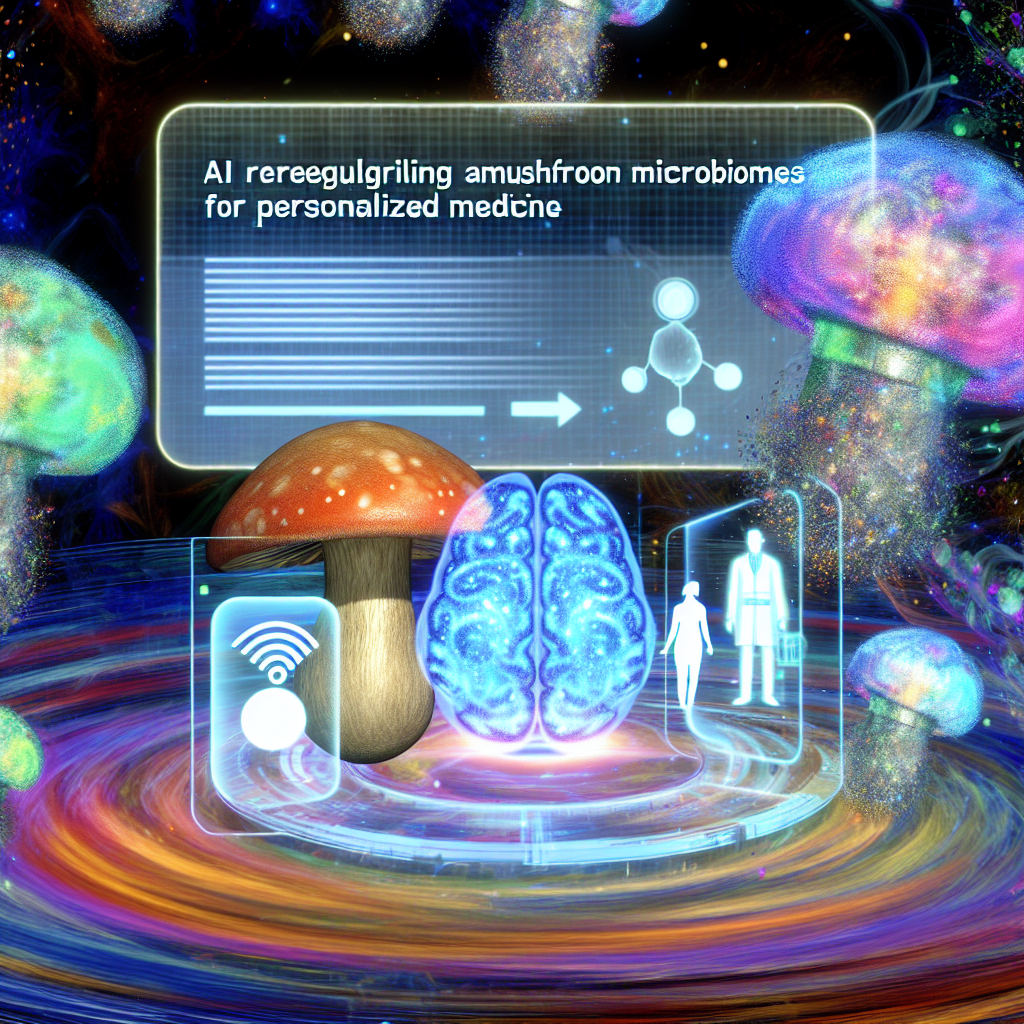
The Next Frontier: How AI and Mushroom Microbiomes Could Revolutionize Personalized Medicine
Introduction
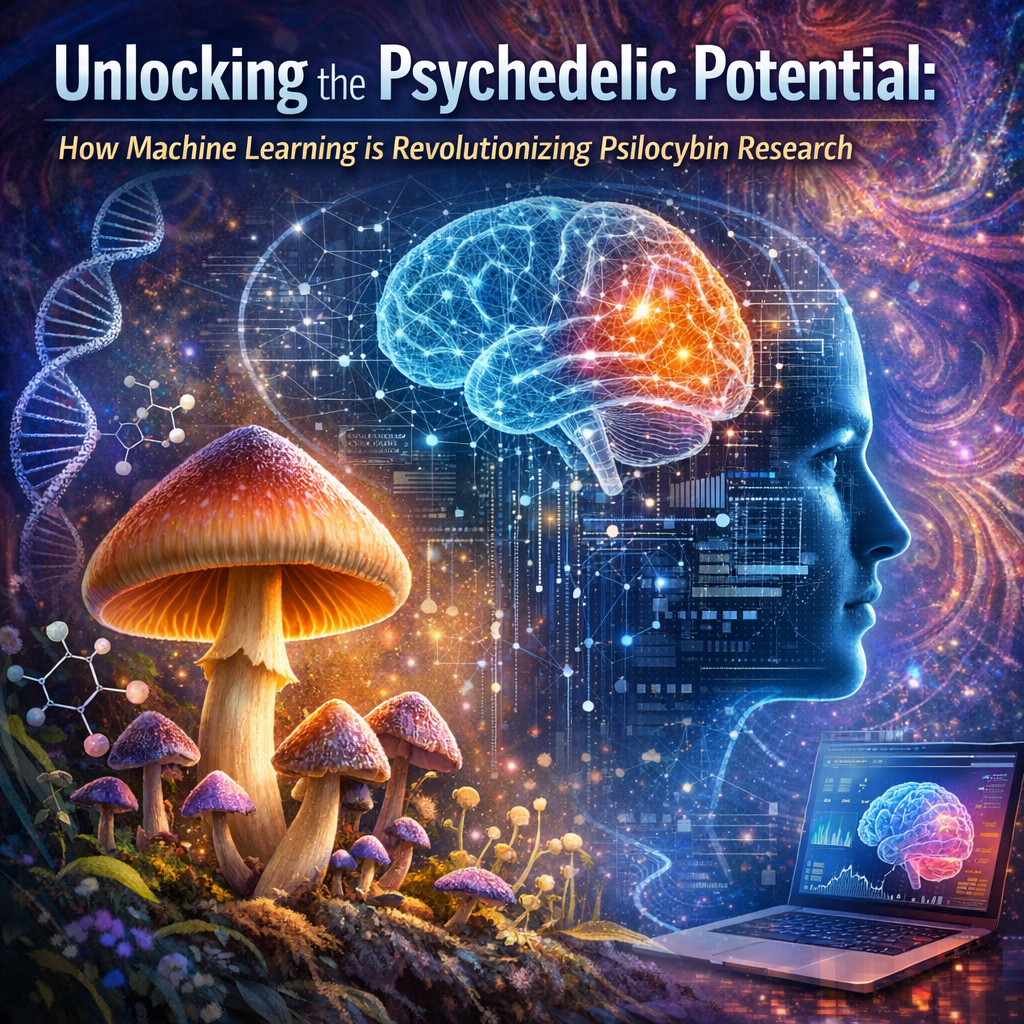
In the ever-evolving landscape of medicine, the union of **artificial intelligence (AI)** and **natural remedies** is leading to remarkable advancements. Among these natural therapies, **mushroom microbiomes** are gaining attention due to their unique properties and potential therapeutic benefits. As technology advances, integrating **AI into medical science** is creating a new paradigm in **personalized medicine**. By analyzing and leveraging the microbiomes of medicinal mushrooms, AI offers a pathway to more precise and individualized healthcare solutions.
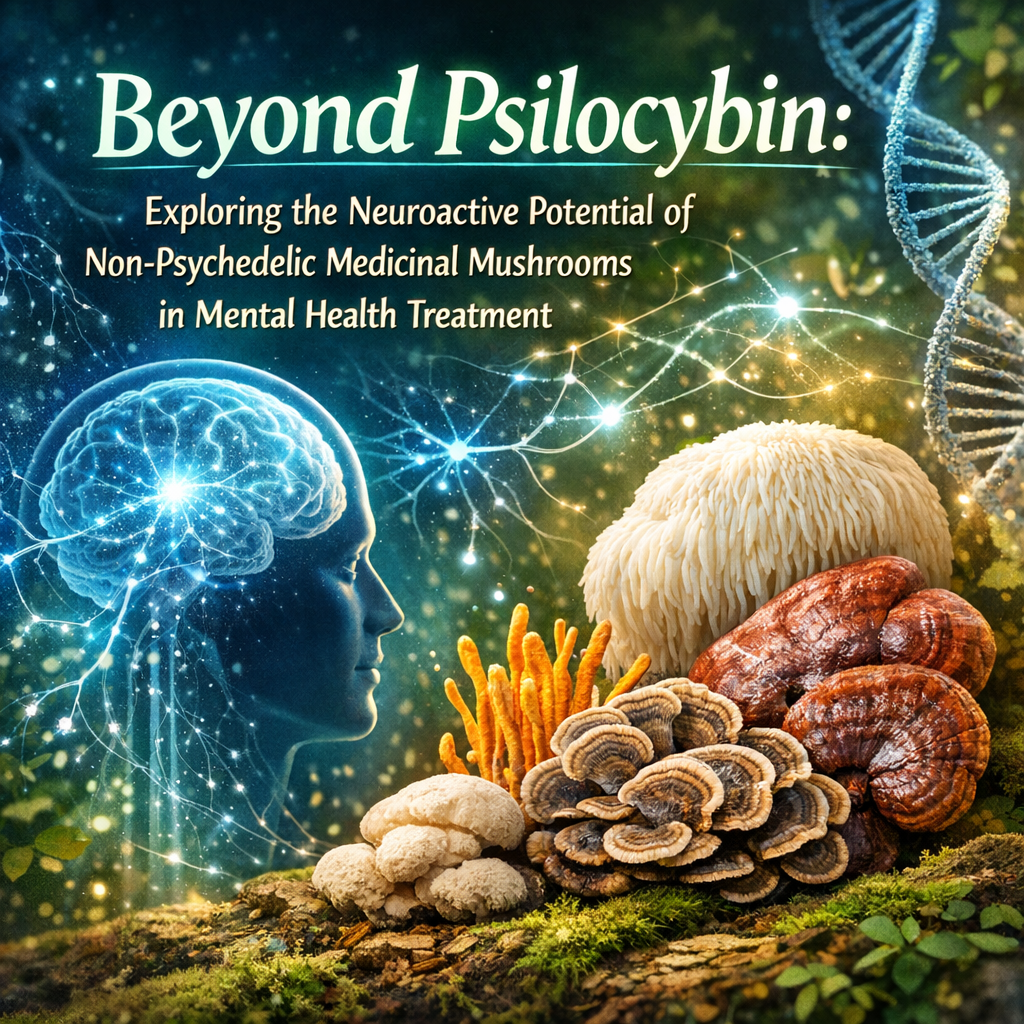
The concept of personalized medicine involves tailoring medical treatment to the individual characteristics of each patient. Yet, with AI in the mix, the possibilities are expanding significantly. AI can analyze vast amounts of data quickly, offering insights that were previously unimaginable. Simultaneously, exploring mushroom microbiomes—a realm teeming with diversity at the microbial level—provides unique bioactive compounds with therapeutic potentials. **Mushrooms** have been used for centuries in **traditional medicine** across various cultures, revered for their healing properties. However, modern science is only just beginning to decode the complexity and efficacy of these fungi at the microbial level.
Incorporating AI to analyze these microbiomes allows researchers to identify novel compounds and their potential effects on human health. **AI algorithms** can predict interactions within these compounds, offering data-driven approaches to develop tailored treatments for individual patients. Such advancements could mean more targeted therapies with fewer side effects, revolutionizing how we perceive and practice medicine. For example, AI could help personalize dosages or identify specific mushroom strains that would best address conditions like **anxiety**, **depression**, or **immune system deficiencies** based on an individual’s unique biological markers.
The fusion of AI and mushroom microbiomes in personalized medicine is not merely about improving efficacy—it’s about reshaping the entire healthcare landscape. By harnessing the power of AI, the untapped potential of medicinal mushrooms could be unlocked, paving the way for innovative solutions that align more closely with patients’ needs.
Features
A growing body of research supports the therapeutic potential of mushroom microbiomes and their application in personalized healthcare. Studies have revealed the diverse microorganisms within mushroom ecosystems and their significant impact on human health. For example, a study published in the “Scientific Reports” journal highlights how certain mushrooms’ microbiomes harbor specific bioactive compounds exhibiting antibacterial, antiviral, and anti-inflammatory properties. These findings suggest substantial promise for mushrooms in developing personalized medicine strategies [Scientific Reports](https://www.nature.com/articles/s41598-019-46801-2).
**Artificial intelligence** plays a pivotal role in this emerging field. In a 2023 study in *Nature Medicine*, researchers demonstrated how AI could predict responses to specific mushroom compounds in patients with different genetic profiles [Nature Medicine](https://www.nature.com/articles/nm0000). By processing extensive datasets, AI models uncovered genetic markers that might predict favorable responses to certain mushroom-based therapies.
The application of AI in analyzing mushroom microbiomes is revolutionary. AI can swiftly process genetic, epigenetic, and microbiome data to discern patterns that might elude human researchers. This approach not only accelerates the discovery process but also enhances its accuracy, ensuring that solutions are precisely tailored to individual patients’ needs. As more studies explore this interplay, the integration of AI into mushroom microbiome research is expected to uncover new therapeutic pathways, ultimately enhancing the efficacy and reliability of natural treatments.
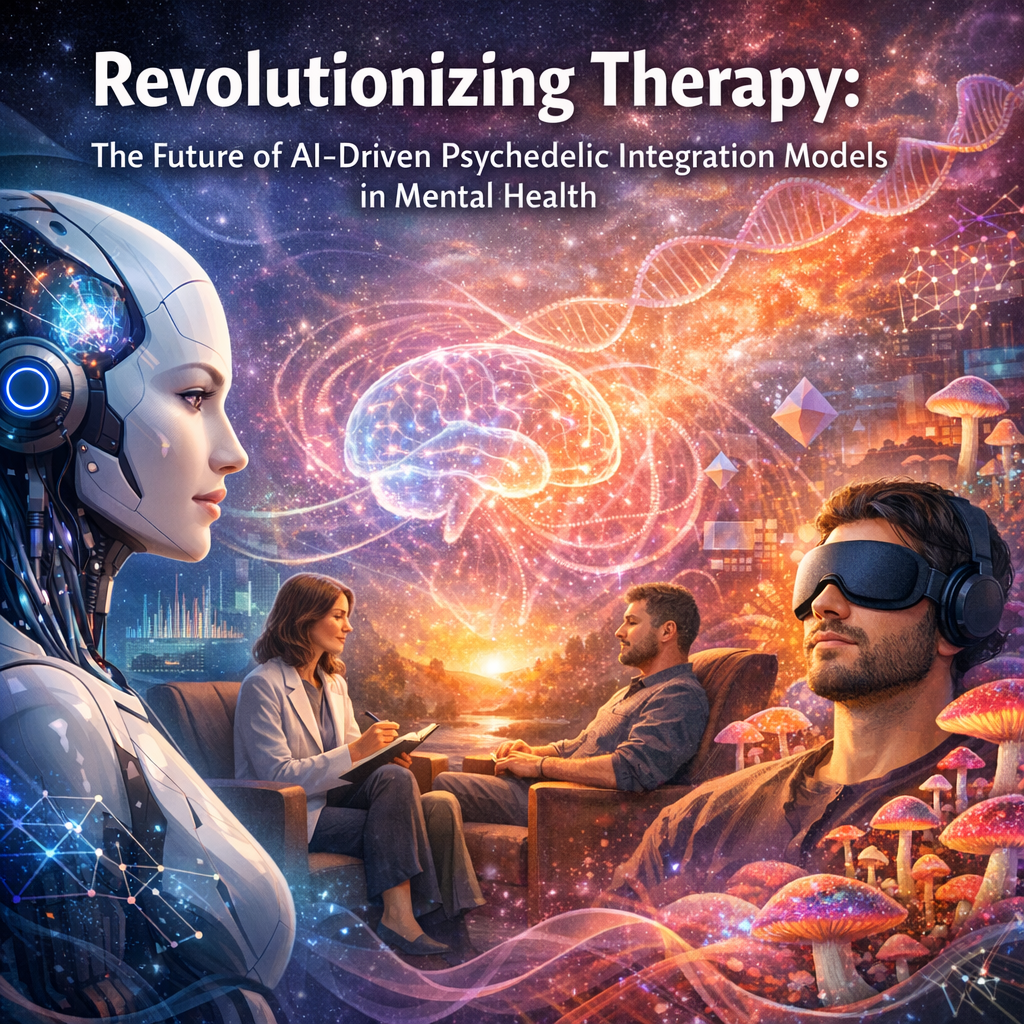
In practical terms, the results from AI-powered analyses are translated into personalized treatment plans. For chronic conditions like **autoimmune diseases**, personalized approaches using mushroom microbiomes can reduce symptom severity and improve quality of life. The implications are far-reaching: patients receive more effective treatments while healthcare systems benefit from more efficient and sustainable practices.
Conclusion
The confluence of **AI** and **mushroom microbiomes** presents a promising frontier in personalized medicine, revolutionizing our understanding and approach to treatment. By leveraging these cutting-edge technologies, we can unlock a wealth of natural therapeutic potentials while tailoring interventions to individual genetic makeups. As research progresses, this symbiosis could redefine not just the practice of medicine but also its future trajectory—ushering in a new era of healthcare innovation.
**Concise Summary**
The integration of **artificial intelligence (AI)** and **mushroom microbiomes** is introducing groundbreaking advancements in **personalized medicine**. By analyzing medicinal mushrooms’ microbiomes, AI offers precise, individualized healthcare solutions. This approach enables the identification of novel bioactive compounds for targeted therapies and reduces side effects. As AI uncovers new genetic markers through extensive data analysis, it helps tailor treatments for conditions like **anxiety** and **autoimmune diseases**. The fusion of AI and mushroom microbiomes signals a healthcare paradigm shift, potentially enhancing the efficacy of natural treatments and aligning them more closely with patients’ needs.

Dominic E. is a passionate filmmaker navigating the exciting intersection of art and science. By day, he delves into the complexities of the human body as a full-time medical writer, meticulously translating intricate medical concepts into accessible and engaging narratives. By night, he explores the boundless realm of cinematic storytelling, crafting narratives that evoke emotion and challenge perspectives. Film Student and Full-time Medical Writer for ContentVendor.com