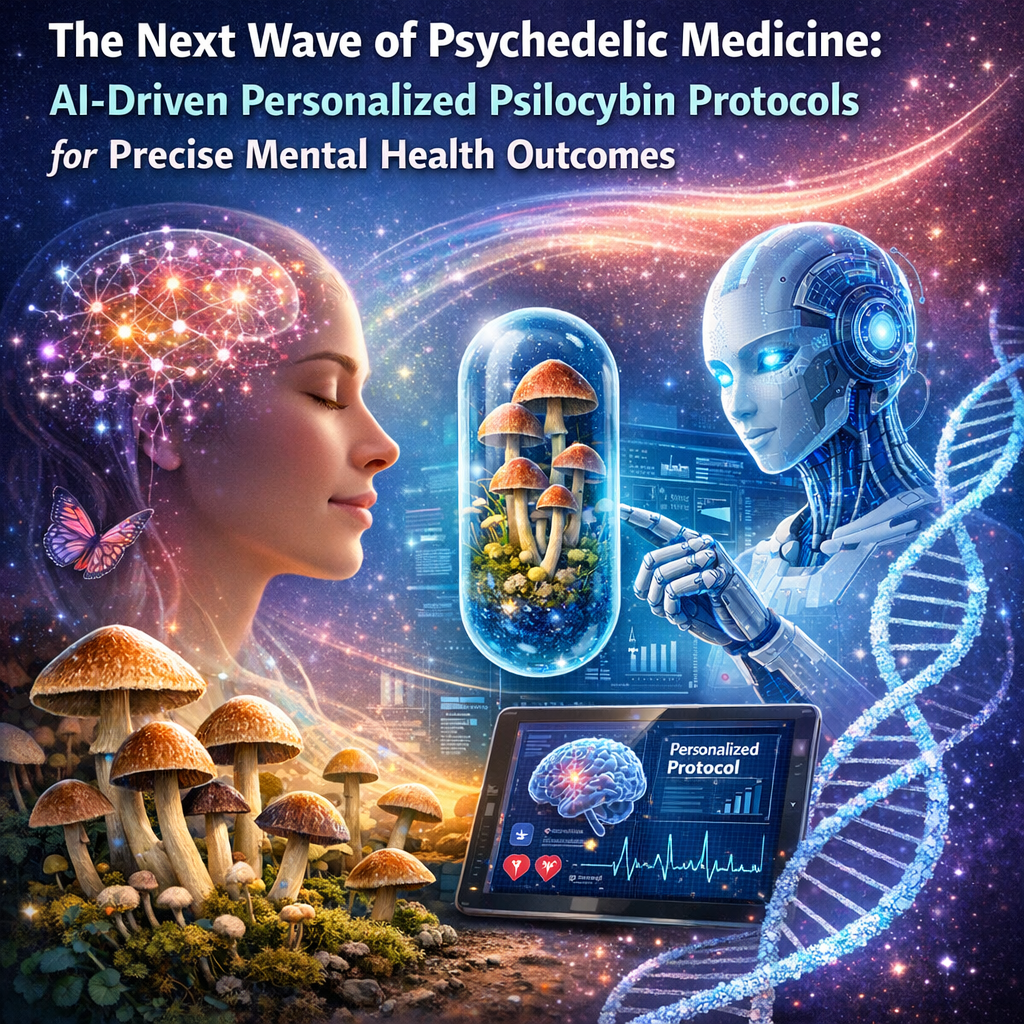
The Next Wave of Psychedelic Medicine: AI-Driven Personalized Psilocybin Protocols for Precise Mental Health Outcomes
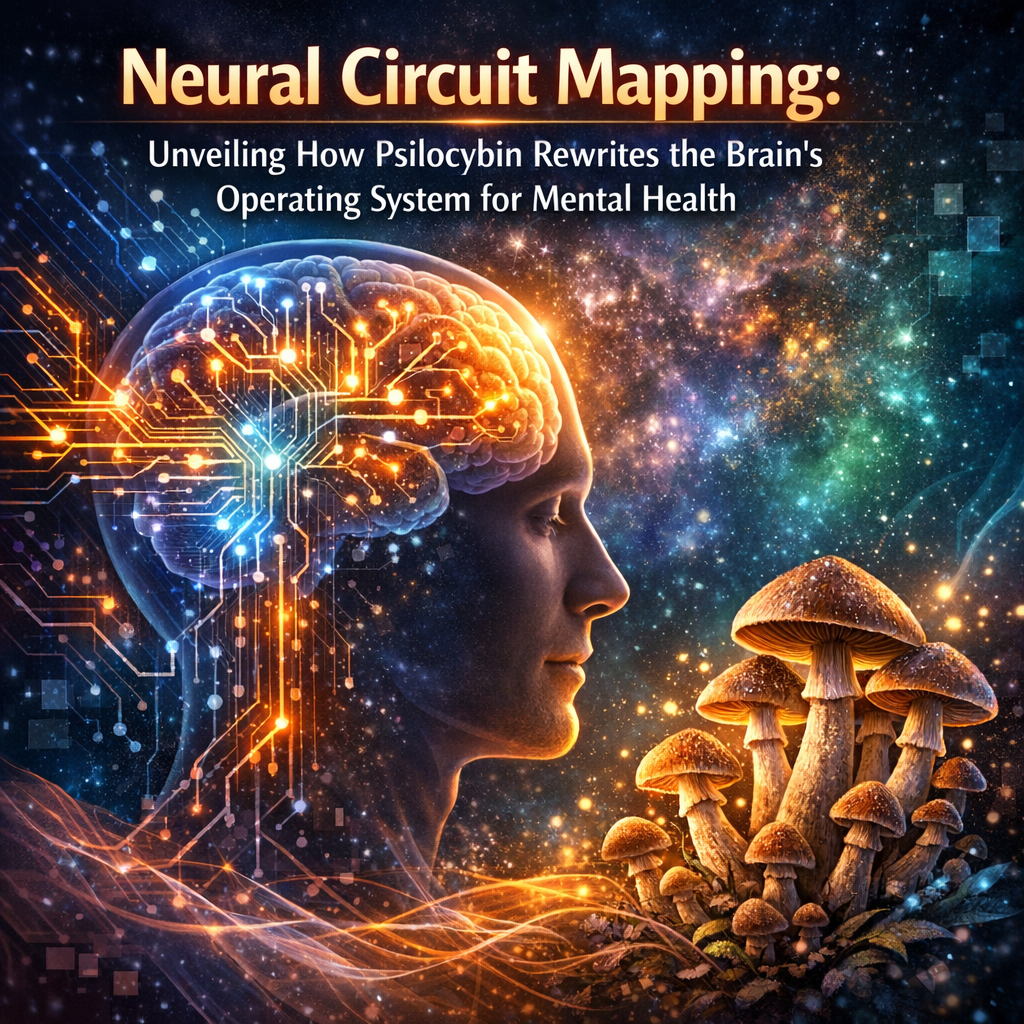
In the burgeoning realm of **psychedelic medicine**, **psilocybin**—an active compound found in certain **mushrooms**—has emerged as a beacon of hope for **mental health treatment**. Following decades of stigma and prohibition, recent research has begun to peel back the layers on psilocybin’s profound therapeutic potential, particularly for **mood disorders** and **PTSD**. Yet, like any treatment, its efficacy can vary from person to person. Enter **AI-driven personalized psilocybin protocols**—a groundbreaking approach tailoring psilocybin experiences to individual patient profiles, offering more precise and effective mental health outcomes.
The concept of **personalized medicine** is not new; it has been a cornerstone of medical innovation, driving advances in fields such as **oncology** and **cardiology**. By utilizing vast datasets, AI can offer unprecedented insights into genetic markers, metabolic types, and psychological predispositions, paving the way for treatments tailored specifically to the individual. Translating this concept to psychedelics, AI can potentially decode various biomarkers and psychological data to optimize psilocybin protocols, ensuring the correct dosage, duration, and therapeutic context for each patient.
As the demand for **alternative mental health treatments** rises, the integration of AI in psychedelic medicine stands at the forefront. **Machine learning algorithms** can analyze patient histories, including detailed phenotypic data such as age, weight, mental health status, and even prior psychedelic experiences, to predict response patterns to psilocybin. By simulating countless treatment scenarios, AI can assist practitioners in minimizing adverse reactions while maximizing therapeutic notes.
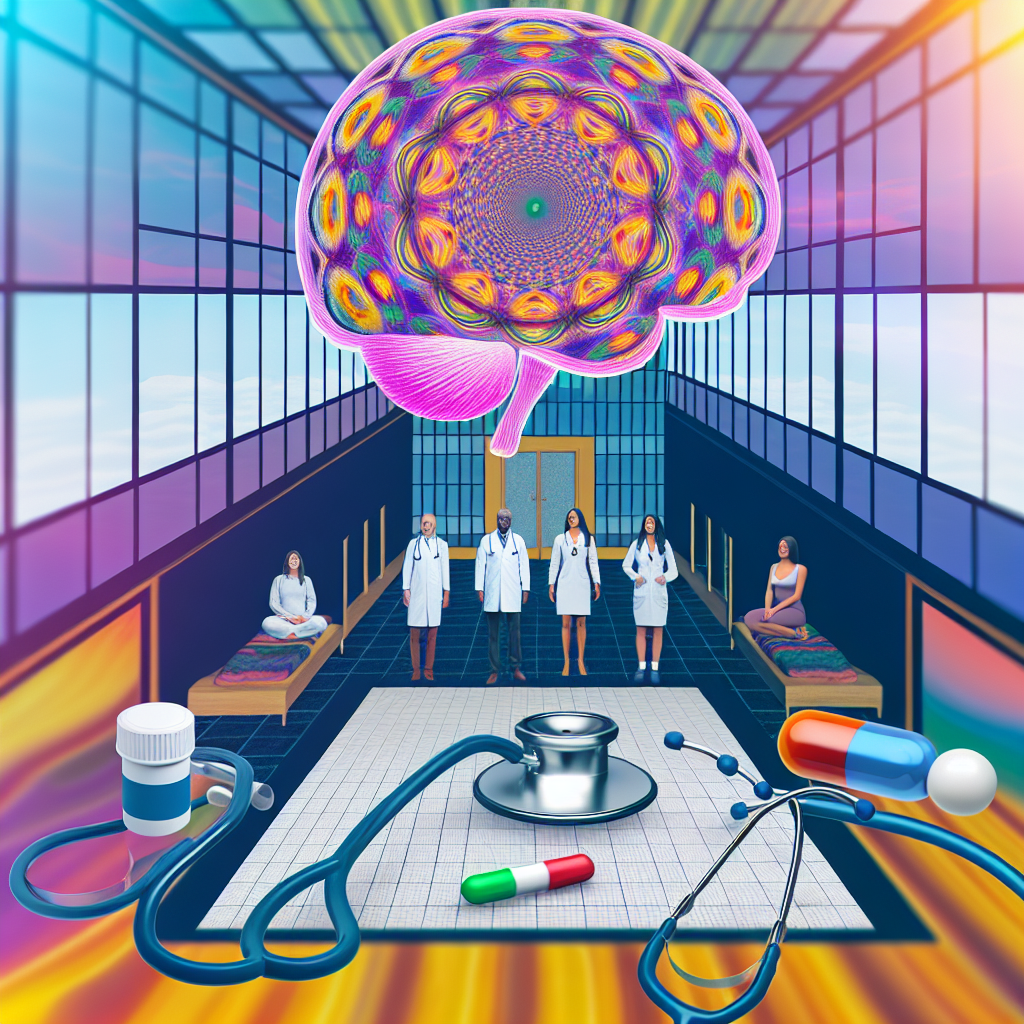
Moreover, AI can enhance the clinical setting where psilocybin is administered. Consideration of environmental factors such as ambient sound, lighting, and guided imagery during treatment, adjusted to the patient’s emotional and psychological needs, can be seamlessly orchestrated by an AI-powered system. This comprehensive personalization ensures that each patient’s experience maximizes therapeutic efficacy, fostering a profound therapeutic environment that aligns uniquely with their mental health objectives.
Features
Recent studies underscore the promise of combining AI with psilocybin therapy. A notable example is a 2023 study published in “Nature Medicine,” which explored the application of AI in predicting patient responses to psychedelic experiences. This groundbreaking research demonstrated that predictive algorithms could forecast the therapeutic outcomes of psilocybin treatment with remarkable accuracy. The models leveraged **machine learning tools** analyzing genetic data, historical mental health information, and patient-reported outcomes, effectively custom-crafting psychedelic experiences for mental health improvement.
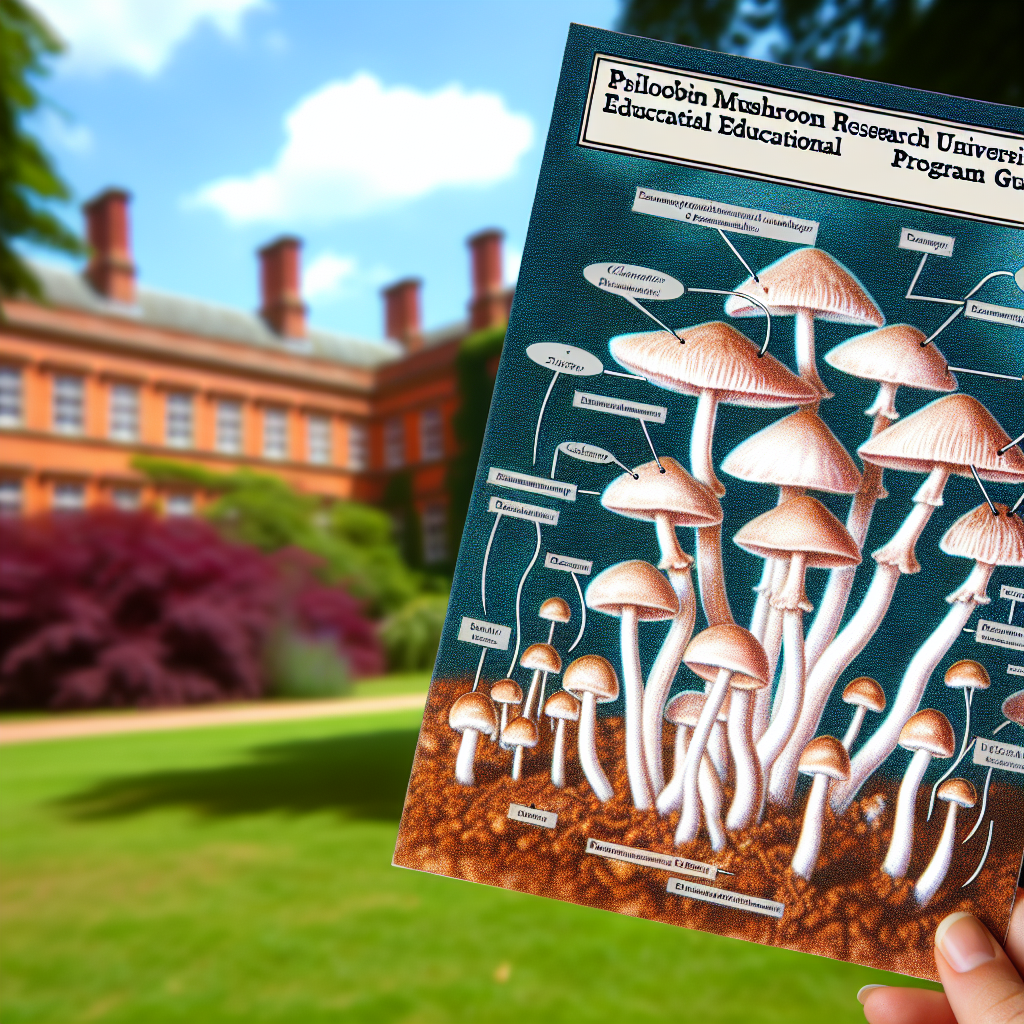
Further, an interdisciplinary team at Johns Hopkins University is pioneering this sphere by investigating how AI can enhance traditional psilocybin therapy regimes. Their ongoing work has already shown that machine learning can predict optimal dosing and environmental variables based on individual data points, reducing the trial-and-error inherent in conventional treatment methods. This minimizes the risk of adverse psychological responses while enhancing therapeutic synergies, thus opening up the potential for broader clinical adoption.
Additionally, clinical trials under the MAPS (Multidisciplinary Association for Psychedelic Studies) umbrella have started utilizing AI to refine patient selection processes, ensuring candidates most likely to benefit from psychedelic therapy are prioritized. The data-driven approaches from these trials suggest optimized results for managing treatment-resistant depression and anxiety disorders, showing a meaningful reduction in symptomatology over traditional treatments without personalized adjustments.
These advancements present an exciting horizon for mental healthcare, particularly as the **mental health crisis** accelerates globally. The incorporation of AI in psychedelic medicine promises not only enhanced efficacy but also an accessible pathway for individuals seeking relief from debilitating mental health conditions, customized to their unique neurological and psychological landscapes.
Conclusion
The integration of **AI-driven personalized psilocybin protocols** heralds a transformative era in **mental health treatment**, merging **cutting-edge technology** with ancient practices. As scientific studies continue to endorse this synergy, we are witnessing a new paradigm in mental wellness—one that is informed, precise, and deeply personalized. This innovative approach not only enhances therapeutic outcomes but also sets a precedent for future developments in psychedelic medicine, promising a brighter future for patients seeking holistic mental health solutions.
**Concise Summary**
The integration of AI-driven personalized psilocybin protocols is revolutionizing mental health treatment by offering tailored, precise therapeutic outcomes for individuals. By leveraging AI to analyze genetic, metabolic, and psychological data, psilocybin treatment can be optimized for each patient’s needs, enhancing efficacy and minimizing adverse reactions. Recent studies, including those from Nature Medicine and Johns Hopkins University, demonstrate the potential for AI to improve traditional therapeutic practices. This approach promises a new era in mental health care, combining cutting-edge technology with ancient wisdom, paving the way for personalized and transformative mental healthcare solutions.

Dominic E. is a passionate filmmaker navigating the exciting intersection of art and science. By day, he delves into the complexities of the human body as a full-time medical writer, meticulously translating intricate medical concepts into accessible and engaging narratives. By night, he explores the boundless realm of cinematic storytelling, crafting narratives that evoke emotion and challenge perspectives. Film Student and Full-time Medical Writer for ContentVendor.com