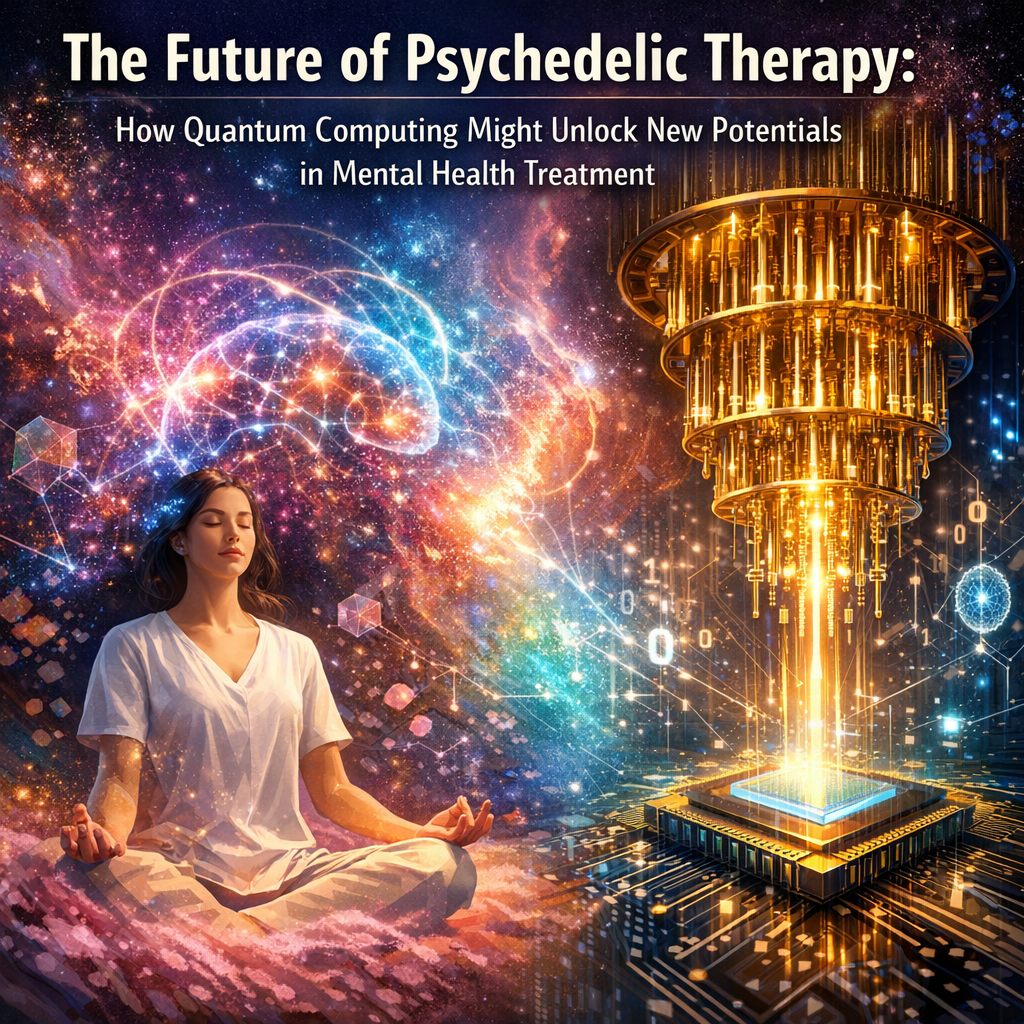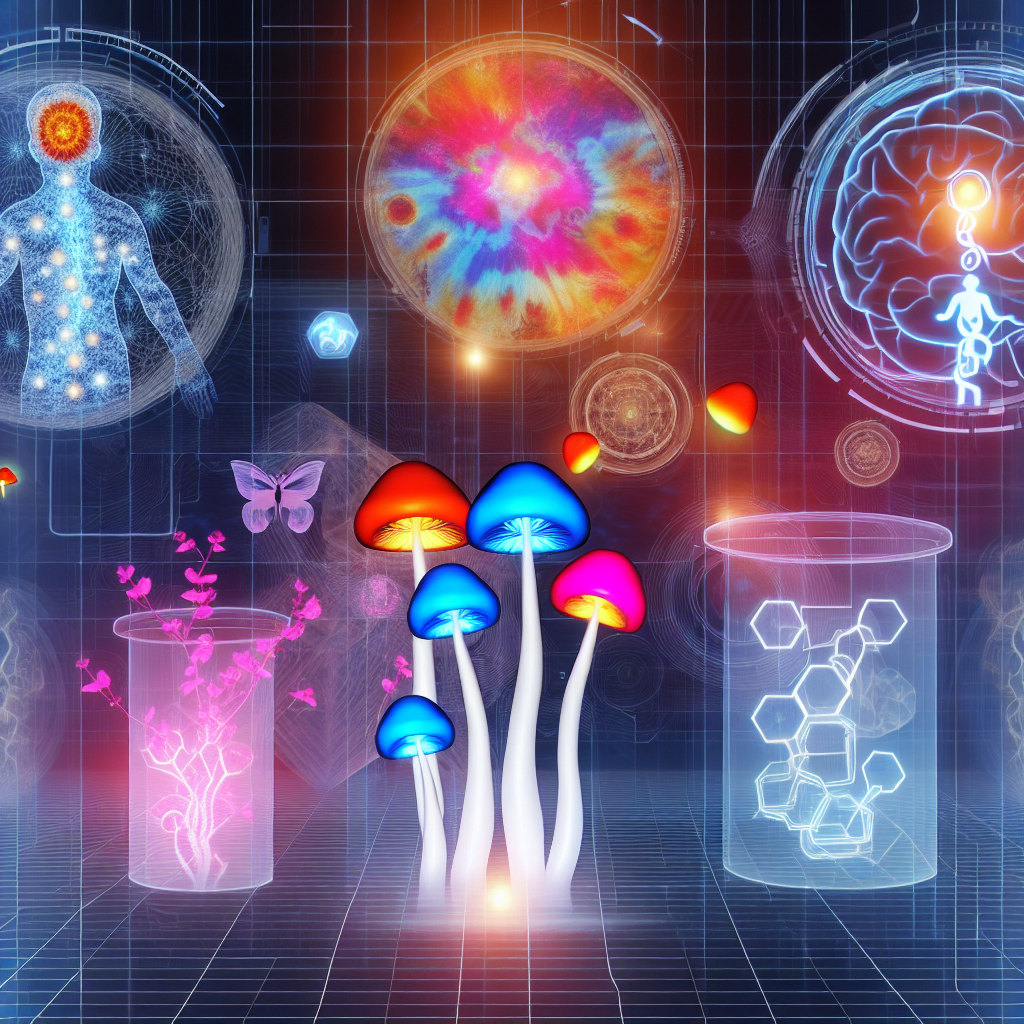
The Future of Psychedelic Medicine: Why AI-Driven Personalization Could Transform Psilocybin Therapy Outcomes
Introduction
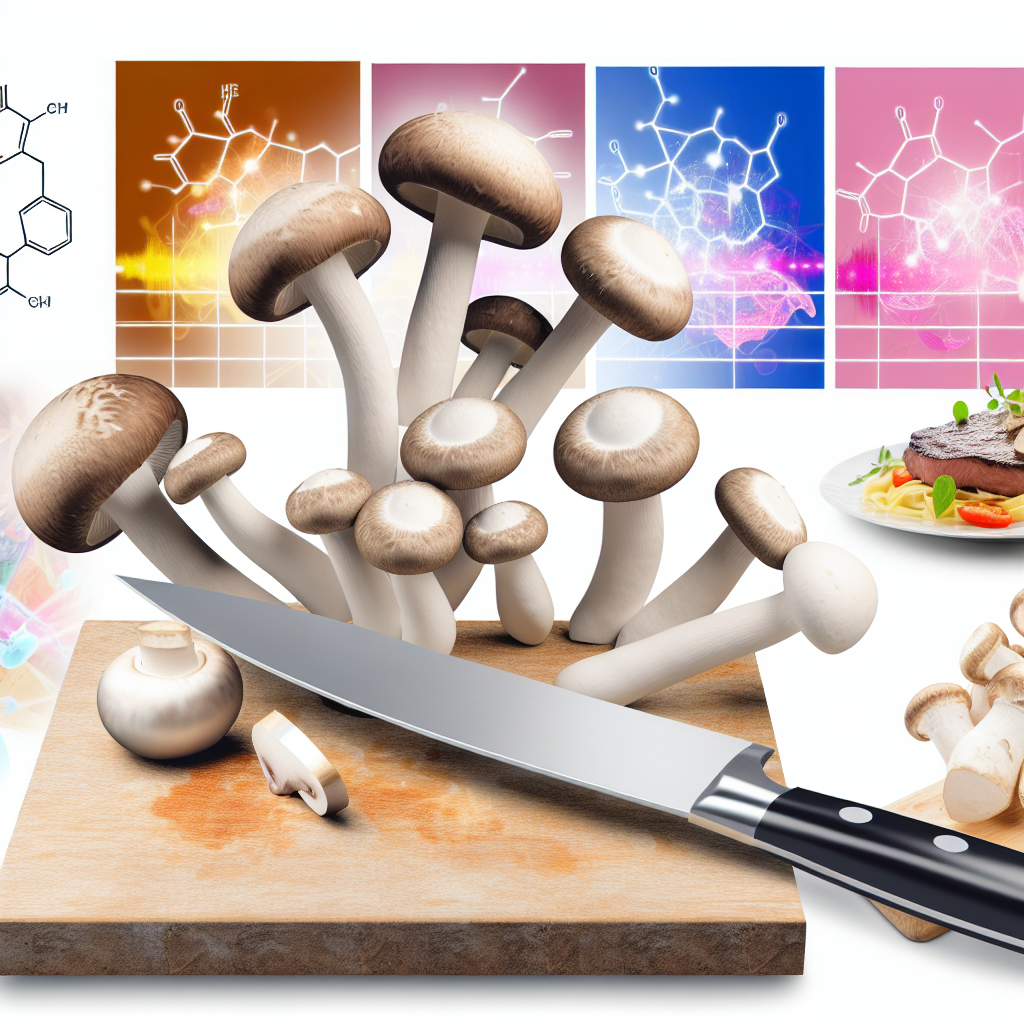
The landscape of **mental health treatment** is witnessing a **revolutionary transformation**, spearheaded by advancements in **psychedelic medicine**. Increasingly, research supports the potential of **psilocybin**, a naturally occurring psychedelic compound found in certain species of mushrooms, as a therapeutic agent for complex mental health conditions such as **depression**, **anxiety**, and **PTSD**. Yet, while the therapeutic potential of psilocybin is increasingly recognized, questions remain about optimizing its efficacy and safety for diverse patient populations. Enter **artificial intelligence (AI)**, a powerful tool poised to revolutionize psychedelic therapy by tailoring treatments to individual needs.
**AI-driven personalization** in medicine involves utilizing sophisticated algorithms to analyze vast amounts of patient data, predict treatment outcomes, and design personalized therapeutic approaches. Within the realm of psilocybin therapy, AI technologies stand to enhance our understanding of how individual differences—such as **genetic predispositions**, **psychological profiles**, and **environmental factors**—affect patient responses to treatment. By harnessing AI, clinicians can potentially refine **dosage protocols**, optimize therapeutic settings, and ultimately increase the therapeutic success rates of psilocybin interventions.
The use of AI in psychedelic medicine is driven by the need to balance psilocybin’s profound therapeutic potential with its ability to produce highly variable experiences among users. Given this variability, AI can assist in predicting and mitigating adverse reactions, thereby improving patient safety. Furthermore, AI technologies can offer real-time feedback during therapy sessions, enhancing clinicians’ ability to adjust therapeutic strategies on the fly.
While the potential benefits of AI-driven psilocybin therapy are significant, the ethical considerations and need for robust clinical validation cannot be understated. Nonetheless, as AI technologies continue to evolve, their integration into psychedelic medicine heralds a new era of personalized mental healthcare. This approach not only promises to improve outcomes for patients struggling with mental health disorders but also supports the de-stigmatization and integration of psychedelics into mainstream medicine.
Features
**Psilocybin therapy** is rooted in a growing body of scientific literature that underscores its therapeutic promise. One pivotal study, conducted by researchers at **Johns Hopkins University**, demonstrated significant reductions in depression and anxiety symptoms among cancer patients treated with psilocybin. This landmark research highlighted psilocybin’s potential for alleviating emotional distress where traditional treatments sometimes fail [source](https://www.hopkinsmedicine.org/psychiatry/research/psychedelics-research.html).
Moreover, a recent publication in the **New England Journal of Medicine** detailed a groundbreaking trial where psilocybin was shown to outperform **escitalopram**, a commonly prescribed antidepressant, in ameliorating symptoms of major depression. These findings are pivotal as they illustrate not only the efficacy of psilocybin but also its promise as a **rapid-acting antidepressant**—a significant advancement in psychiatric treatment [source](https://www.nejm.org/doi/full/10.1056/NEJMoa2032994).
While these studies underscore the potential of psilocybin, the variability in patient response remains a critical challenge—a challenge AI is particularly well-suited to address. By processing complex datasets—ranging from genetic information to real-time physiological measurements—AI can identify precise factors that influence individual responses to psychedelic therapy. Researchers at the **Imperial College London Psychedelic Research Group** are pioneering efforts to integrate AI in psychedelic research, exploring how personalized treatment plans can be optimized using algorithmic insights [source](https://www.imperial.ac.uk/psychedelic-research-centre/).
Additionally, AI-driven technologies like **machine learning** and **natural language processing** are being explored to enhance the therapeutic setting, providing tailored psychological support during and after psilocybin sessions. These tools not only improve patient engagement but also allow for in-depth analysis of therapeutic outcomes, supporting continuous improvement in treatment protocols.
Conclusion
The integration of AI in **psilocybin therapy** holds remarkable potential for transforming mental health treatment. By fostering personalized therapeutic approaches, AI not only enhances the efficacy and safety of psilocybin interventions but also propels the entire field of psychedelic medicine towards more precise, **science-driven practices**. As research progresses and ethical frameworks are established, AI-driven personalization may usher in a new era of mental healthcare, offering hope and healing to millions worldwide. With such advancements, the future of psychedelic medicine looks not only promising but profoundly transformative.
Concise Summary
The article discusses how AI-driven personalization is transforming the use of psilocybin in mental health treatment, particularly for conditions like depression and PTSD. By analyzing patient data, AI can optimize psilocybin therapy, refining dosage and reducing adverse effects. Research from institutions like Johns Hopkins and the New England Journal of Medicine showcases psilocybin’s potential over traditional antidepressants, with AI enhancing these outcomes by identifying individual response factors. As AI continues to integrate into psychedelic medicine, it promises more effective, personalized care, potentially de-stigmatizing and mainstreaming psychedelic therapies.

Dominic E. is a passionate filmmaker navigating the exciting intersection of art and science. By day, he delves into the complexities of the human body as a full-time medical writer, meticulously translating intricate medical concepts into accessible and engaging narratives. By night, he explores the boundless realm of cinematic storytelling, crafting narratives that evoke emotion and challenge perspectives. Film Student and Full-time Medical Writer for ContentVendor.com