Neuroplasticity Meets Capital: How Emerging Psychedelic Compounds Are Shaping the Future of Mental Health Investments
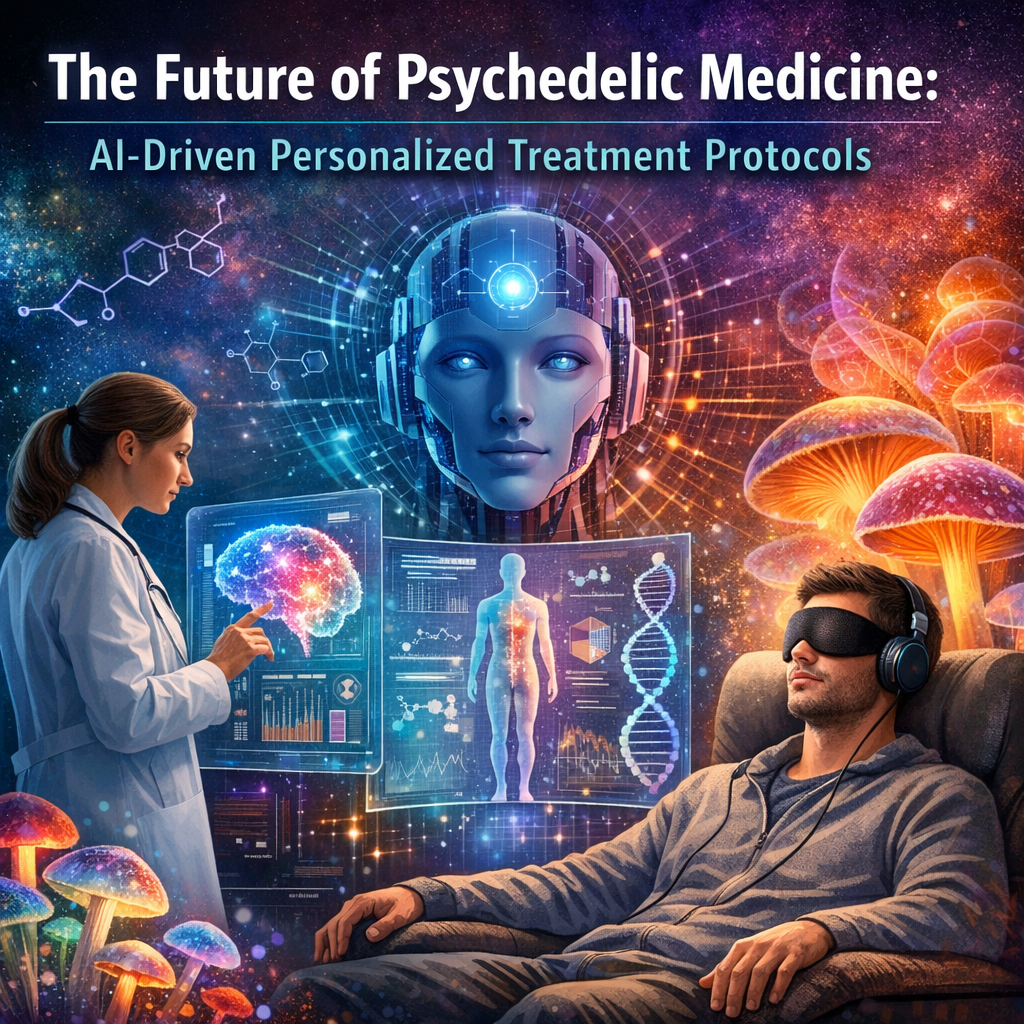
In recent years, the confluence of neuroscience advancements and investment opportunities in mental health has ignited a new frontier in healthcare: **psychedelic compounds**. Integral to this development is **neuroplasticity**, the brain’s remarkable ability to reorganize itself by forming new neural connections throughout life. Historically, psychedelics like **psilocybin**, the active compound in “magic mushrooms,” have been associated with counterculture movements. However, groundbreaking research has reinvigorated scientific interest, transforming these once-taboo substances into potential gold mines for **mental health treatment** and, consequently, investment.
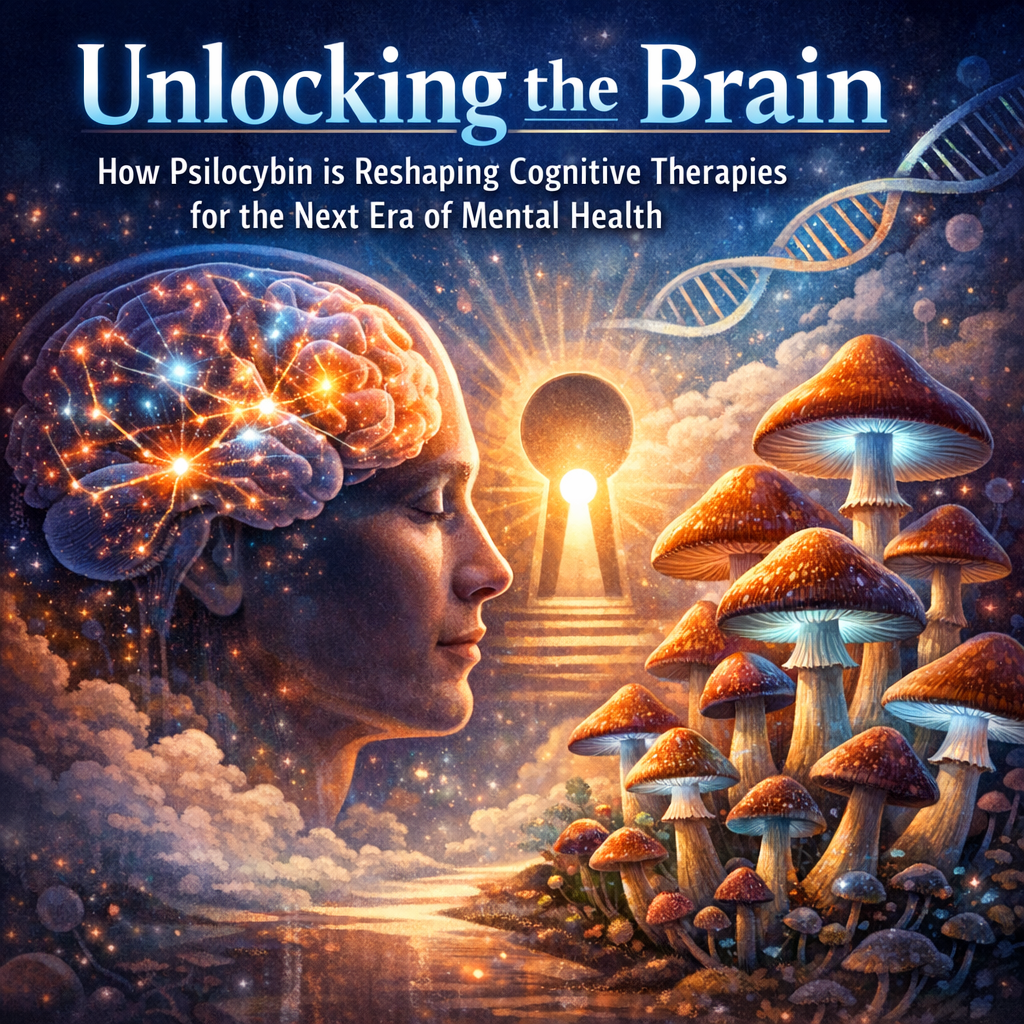
Psychedelics, including **psilocybin**, **LSD**, and **MDMA**, have shown promising results in treating various **mental health conditions**, particularly **depression**, **PTSD**, and **addiction**. The key factor lies in their ability to enhance neuroplasticity, allowing the brain to “rewire” itself—a mechanism theorized to underlie their therapeutic effects. Numerous studies suggest that psilocybin promotes the growth of new dendrites, the branches between nerve cells through which they communicate. This neuroplasticity facilitates the brain’s ability to create new connections, enabling individuals to break free from detrimental patterns of thought and behavior.
As the stigma around psychedelics wanes and clinical validation grows, investment capital is flocking to the psychedelic space. The global psychedelic drugs market is projected to reach over $10 billion by 2027, drawing the attention of investors eager to capitalize on this burgeoning sector. The **FDA** and other regulatory bodies have granted **Breakthrough Therapy designations** to psychedelic compounds, accelerating their path to potential pharmaceutical approval. This recognition not only acknowledges their therapeutic potential but also enhances investor confidence in the industry’s viability.
Simultaneously, mental health continues to emerge as a global crisis, exacerbated by the **COVID-19 pandemic**’s social and economic stressors. With traditional treatment options like antidepressants and talk therapy failing many, patients and clinicians alike are searching for innovative alternatives. Psychedelics, with their unique mechanisms rooted in neuroplasticity, provide a promising new direction. This burgeoning interest isn’t only philosophical or medical; it’s financial as well, as investors recognize the dual potential for profit and social impact. As a result, we’re witnessing the dawn of a new era where neuroplasticity and capital intersect, shaping the future of mental health treatments.
Professional and Medical Studies
The revolution in psychedelic research is underscored by several landmark studies bolstering the therapeutic potential of these compounds through enhanced neuroplasticity. Notably, a study conducted at [Johns Hopkins University](https://www.hopkinsmedicine.org/news/newsroom/news-releases/johns-hopkins-scientists-give-psychedelic-psilocybin-to-depressed-adults-in-study) revealed that **psilocybin therapy** significantly reduced symptoms of major depressive disorder in adults. The research highlighted psilocybin’s ability to lead to “rapid and sustained improvements,” suggesting an intervention mechanism radically different from traditional antidepressants.
Another pivotal study published in *[Nature](https://www.nature.com/articles/s41598-019-50111-5)* demonstrated that psilocybin facilitates neuroplasticity by stimulating dendritic growth and enhancing synaptic connectivity in the **prefrontal cortex**, an area associated with mood regulation and executive function. Such findings substantiate the claims of psychedelics’ “reset” effect on the brain, which is critical for treating deep-rooted conditions like PTSD, where patients suffer from entrenched neural patterns.
Moreover, at [Imperial College London’s Centre for Psychedelic Research](https://www.imperial.ac.uk/news/207027/psilocybin-treats-resistant-depression-increase-brain/), psilocybin therapy was proven efficacious in treatment-resistant depression, showing profound psychological improvements via enhanced brain connectivity post-treatment. These studies and others corroborate that psychedelics like psilocybin may not only alleviate symptoms of mental illnesses but also potentially reformulate the neural architecture underlying these conditions.
In response to this compelling evidence, investment in psychedelics has surged. From biotech firms like **Compass Pathways** to smaller startups, the field is dynamic and evolving. Companies are racing to develop synthetic analogs that mimic the neuroplastic effects of natural psychedelics, aiming for broad acceptance from the medical community and regulatory entities.
Conclusion
The intersection of neuroplasticity and capital investment in psychedelics signals a promising pivot in mental health treatment, as scientific validation underscores their potential to revolutionize therapy. By continuing research and harnessing capital, psychedelics might pave the way for groundbreaking advancements in how we address mental health challenges in the 21st century. As investments grow and more data emerge, the integration of psychedelics into mainstream medicine appears inevitable, offering hope to millions who suffer from debilitating mental health disorders.
**Concise Summary**
The convergence of neuroplasticity research and investment in **psychedelic compounds** is revolutionizing mental health treatment. Compounds like **psilocybin** show potential in treating conditions such as depression and PTSD by enhancing brain “rewiring.” With growing acceptance and regulatory approvals, the psychedelic drug market could reach $10 billion by 2027. Studies from institutions like Johns Hopkins and Imperial College underscore their therapeutic capacity. As mental health becomes a global focus, the financial and social impact of psychedelics portends a transformative era in medical treatments.

Dominic E. is a passionate filmmaker navigating the exciting intersection of art and science. By day, he delves into the complexities of the human body as a full-time medical writer, meticulously translating intricate medical concepts into accessible and engaging narratives. By night, he explores the boundless realm of cinematic storytelling, crafting narratives that evoke emotion and challenge perspectives. Film Student and Full-time Medical Writer for ContentVendor.com