Harnessing Non-Psychoactive Compounds in Psilocybin Mushrooms for Enhanced Therapeutic Outcomes: The Next Frontier in Medicinal Mycology
Introduction
The world of **medicinal mushrooms** has seen a remarkable resurgence, spotlighting **psilocybin mushrooms** not just for their **hallucinogenic properties**, but for their potential **health benefits**. While psilocybin is known for its effects on **anxiety**, **depression**, and **PTSD**, non-psychoactive compounds like **beta-glucans**, **ergosterol**, and **phenolic compounds** may also hold significant **therapeutic benefits**. These components have been valued in **traditional medicine** for centuries. Exploring these elements can lead to new therapeutic **applications** without **psychoactive effects**, crucial for contexts requiring cognitive clarity or where regulations limit psychoactive substances. Understanding these compounds may enhance the **therapeutic efficacy* of psilocybin or function independently for **therapeutic purposes**. This exploration broadens our understanding of the mushrooms’ potential and helps in overcoming societal and legal barriers associated with psychedelic substances. As stigma fades and evidence grows, psilocybin mushrooms are poised to become key players in modern medicine.
Features
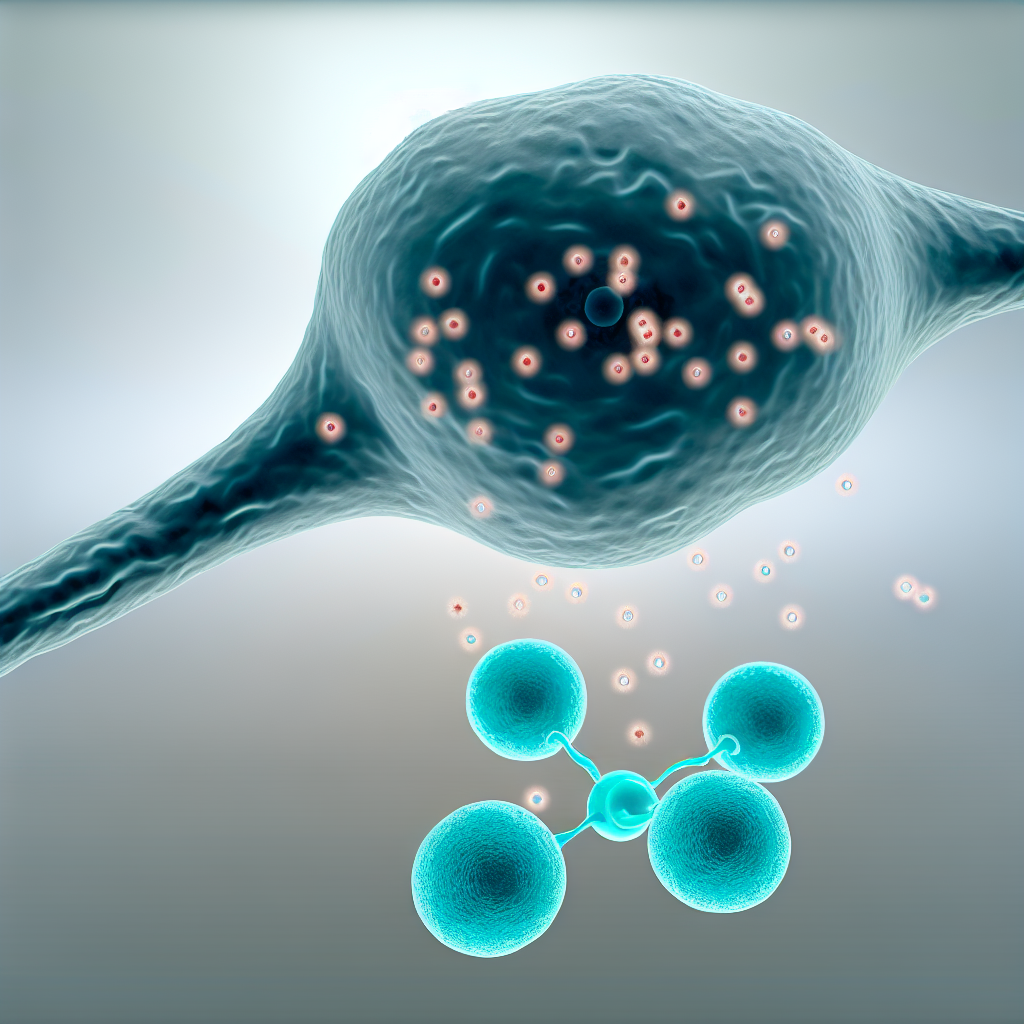
Recent studies are uncovering the potential of **non-psychoactive compounds** in psilocybin mushrooms. **Beta-glucan**, a polysaccharide, is known for its **immunomodulatory effects**, enhancing the body’s **immune response** to combat diseases like **cancer** and **infectious diseases**. A study in the [Journal of Immunology Research](https://www.hindawi.com/journals/jir/) highlights beta-glucans’ ability to stimulate **macrophages** and **natural killer cells**.
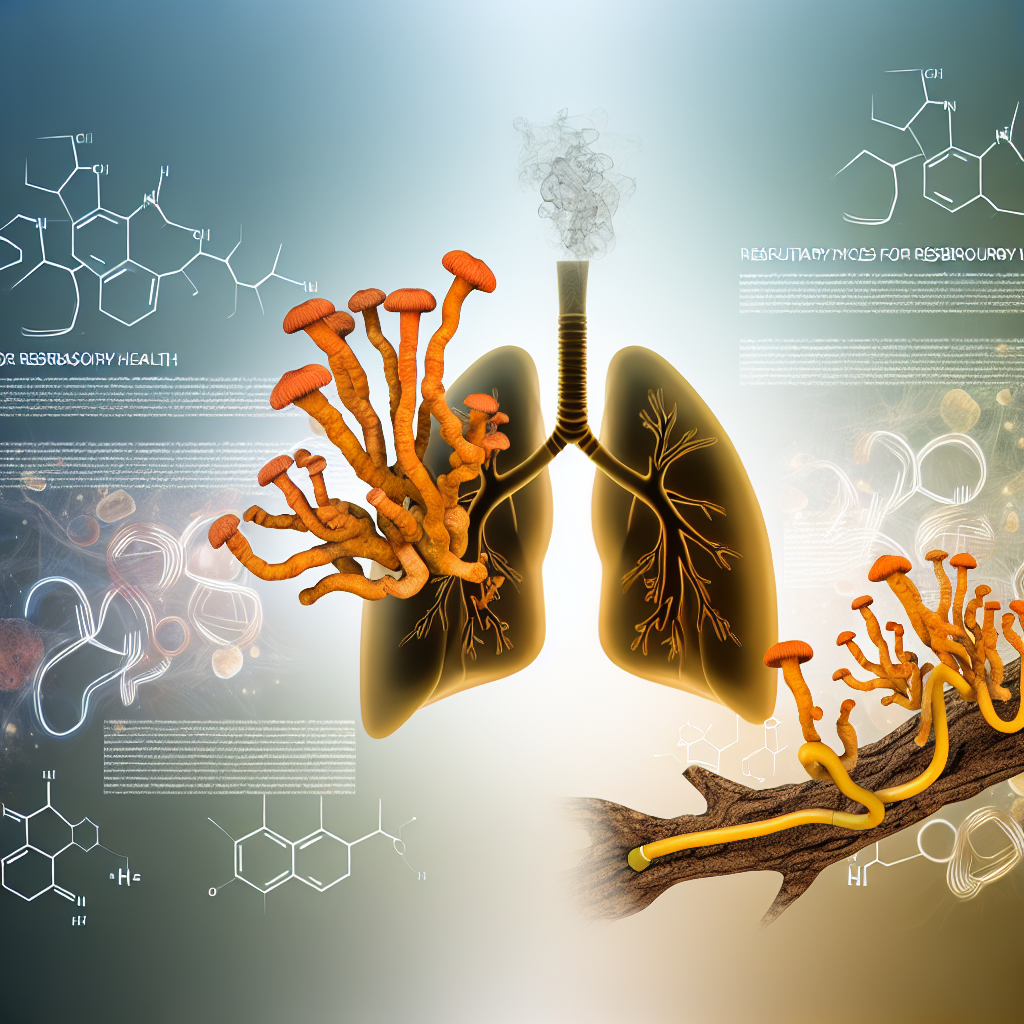
**Ergosterol** is another promising compound, a precursor to **vitamin D2** and noted for its **antioxidant properties**. Antioxidants neutralize **free radicals**, reduce **oxidative stress**, and help prevent chronic diseases such as **cancer** and **heart disease**. Research from the [Journal of Clinical Biochemistry and Nutrition](https://www.ncbi.nlm.nih.gov/pmc/journals/1358/) emphasizes the potential of ergosterol in mitigating oxidative stress.
**Phenolic compounds** present in psilocybin mushrooms are being studied for their **neuroprotective effects**. These compounds can modulate **neuronal pathways** and reduce **neuroinflammation**, indicating potential interventions in **neurodegenerative diseases**. The [Journal of Agricultural and Food Chemistry](https://pubs.acs.org/journal/jafcau) explores the promising role of phenolics in brain health.
As research continues, these compounds show potential for developing novel treatments in areas like neuroprotection, cancer defense, and immune enhancement, all without the side effects associated with psychoactive experiences. These insights support integrating these compounds into mainstream medicinal applications, offering healthcare solutions that embrace natural synergies.
Conclusion
The study and application of non-psychoactive compounds in psilocybin mushrooms mark a significant advancement in **medicinal mycology**. These compounds provide **therapeutic benefits**, from **immune modulation** to **neuroprotection**, without inducing **psychoactive side effects**. As research evolves, it will likely pave the way for broader acceptance and innovative medical treatments, positioning psilocybin mushrooms as a cornerstone in the future of **natural medicine**.
**Concise Summary**: Psilocybin mushrooms are increasingly recognized for their therapeutic benefits beyond hallucinogenic properties. Recent studies focus on non-psychoactive compounds like beta-glucans, ergosterol, and phenolic compounds, each with significant health benefits. Beta-glucans enhance immune responses, ergosterol offers antioxidant benefits, and phenolic compounds provide neuroprotectivity. These insights open pathways for novel medical treatments, promoting health without psychoactive effects. As research progresses, psilocybin mushrooms could play an integral role in advancing natural medicine, overcoming societal and legal barriers, and fostering broader acceptance in healthcare.

Dominic E. is a passionate filmmaker navigating the exciting intersection of art and science. By day, he delves into the complexities of the human body as a full-time medical writer, meticulously translating intricate medical concepts into accessible and engaging narratives. By night, he explores the boundless realm of cinematic storytelling, crafting narratives that evoke emotion and challenge perspectives. Film Student and Full-time Medical Writer for ContentVendor.com