Harnessing AI to Predict Patient-Specific Psilocybin Responses: The Future of Personalized Psychedelic Therapy
Introduction
In recent years, the mental health community has become increasingly open to the potential benefits of **psychedelic therapies**, especially with substances like **psilocybin** found in “magic mushrooms.” Psychedelic experiences have shown promising results in treating conditions such as **depression**, **anxiety**, and **PTSD**. However, a significant challenge remains: the unpredictability of individual responses to psychedelic substances. As these therapies move to the forefront of treatment options, understanding the patient-specific effects becomes crucial. This is where **Artificial Intelligence (AI)** takes center stage, offering the unique advantage of tailoring psychedelic therapy to the individual in an unparalleled way.
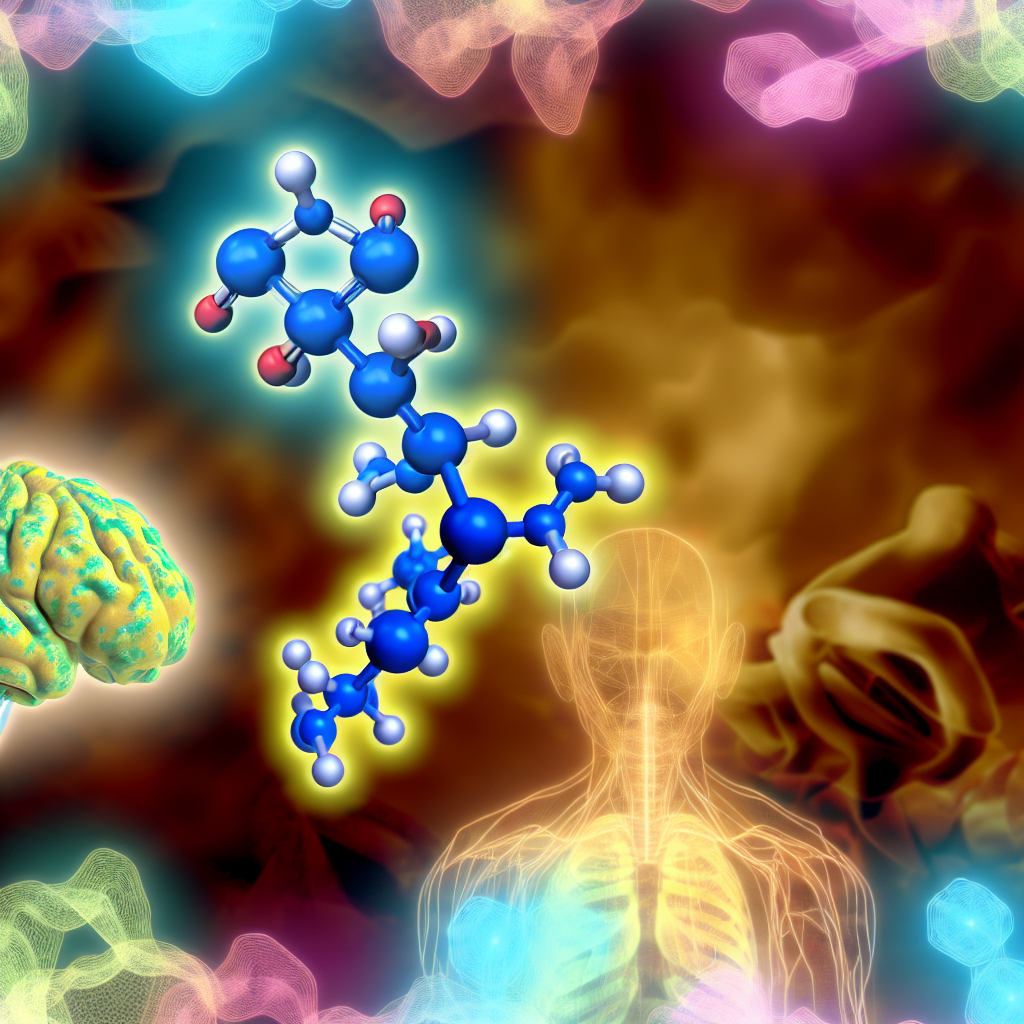
**AI** is transforming numerous domains, and healthcare is no exception. When it comes to psilocybin, AI can store and analyze vast amounts of personal health data, genetic information, and psychological profiles to create predictive models. By leveraging **machine learning algorithms**, AI systems can predict how a patient might respond to psilocybin treatment, potentially optimizing therapeutic outcomes and minimizing risks.
Imagine a future where, before undergoing psychedelic therapy, a patient’s genetic markers, prior mental health history, and even their social environments are analyzed to create a tailored therapeutic plan. **AI-driven platforms** can provide insights into optimal dosing levels, necessary therapeutic settings, and even personalized integration practices post-experience. Not only does this herald a shift towards more effective treatments, but it also aligns with **modern medicine**’s move towards personalized care.
This revolution in personalized psychedelic therapy is supported by advances in **biostatistics**, **neuroscience**, and AI algorithms that can parse complex biomarker datasets to forecast treatment responses. As we proceed into this future, ethical considerations, **data privacy**, and accessibility will be paramount in shaping practices and policies. Such transformations promise to make psilocybin therapy a more exact science, steeped in empirical data tailored to individual needs, thus maximizing its therapeutic potential while ensuring patient safety.
Features
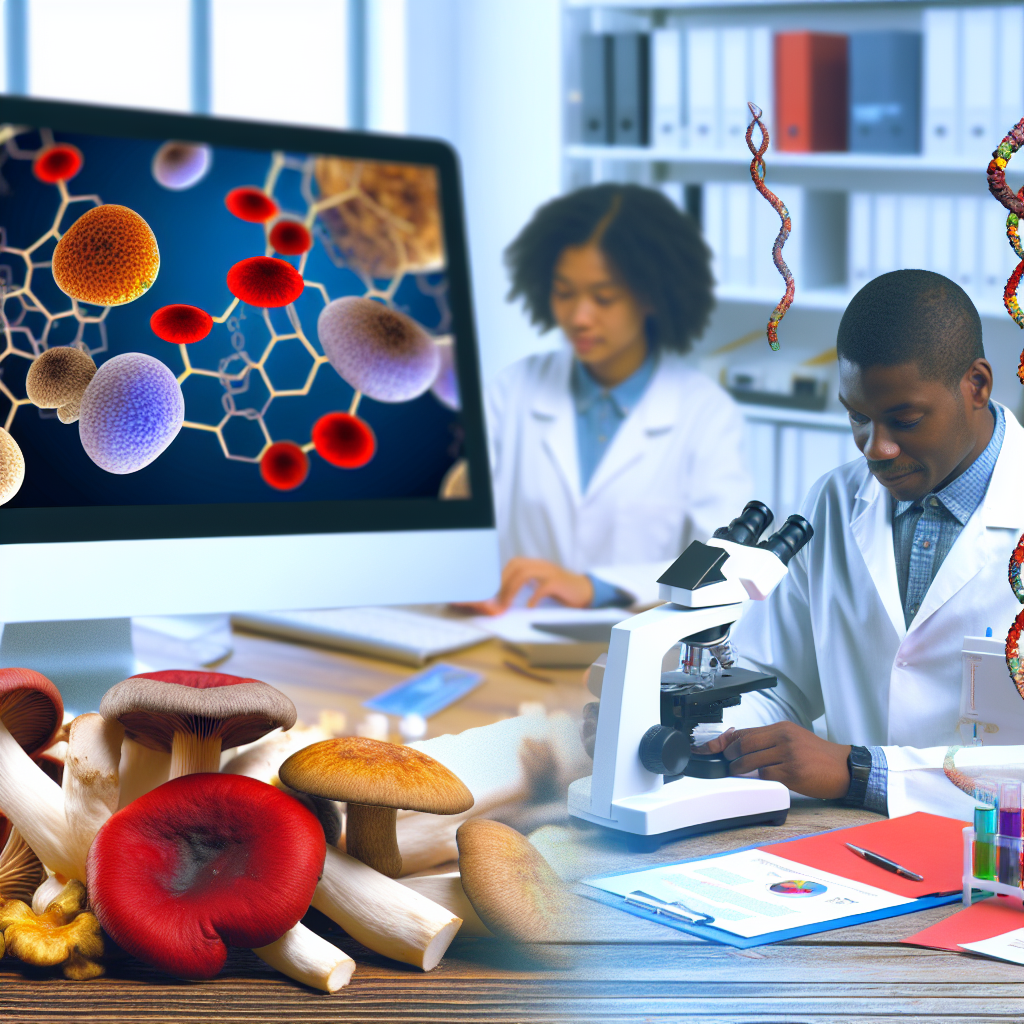
Several pioneering studies underscore the powerful synergy between AI and psychedelic research, transforming how treatments like psilocybin are administered. One notable study from **Imperial College London** explores this nexus by using neuroimaging data to map psilocybin’s effects on the brain. This research aims to assist AI models in predicting individual responses by identifying neural correlates of subjective experiences under psychedelics. With enhanced **machine learning algorithms**, these models can produce personalized treatment outcomes (source: Nature Communications).
Moreover, AI’s application in psychedelic therapy extends to its predictive capacity for mental health disorders. For instance, a study published in “**Nature Medicine**” explores how machine learning can analyze electronic health records to anticipate treatment responses in depression. By identifying specific biomarkers and psychological patterns, AI can help predict which individuals would benefit most from psilocybin-assisted therapy (source: Nature Medicine).
AI’s role in predicting psilocybin responses is further demonstrated by platforms like **MycoMeditations**, which have started integrating AI tools to structure personalized therapy settings. By considering factors such as age, weight, genetic profile, and previous psychedelic experiences, AI provides a more comprehensive view, ensuring optimal therapeutic environments and enhancing patient safety.
This shift towards personalized psychedelic therapy is amplified through continuous data collection and feedback loops. During and post-treatment, real-time monitoring of patient experiences can refine AI models further, adapting to emerging patterns and improving accuracy in future predictions. The iterative nature of AI learning systems thus paves the way for continuously evolving psychedelic therapies tailored finely to every patient’s unique needs.
The potential of AI in predicting psilocybin responses is vast. As more healthcare providers and researchers embrace this technology, the prospect of **psychedelics becoming a mainstream** and personalized treatment option for mental health grows more viable. Coupled with ongoing studies and technological advancements, AI is set to revolutionize psychedelic therapy, promising outcomes that are as individualized as the patients themselves.
Conclusion
As AI continues to evolve, its integration into psychedelic therapy offers unparalleled opportunities for personalization in medicine. By refining predictive models for individual psilocybin responses, AI not only enhances treatment efficacy but also ensures patient safety and care personalization. As we look to the future, the melding of AI and psilocybin therapy marks a significant advancement towards truly personalized mental health treatments, promising hope and healing for millions seeking relief from psychological distress.
Concise Summary:
The integration of AI into psychedelic therapy, specifically with psilocybin, heralds a revolutionary shift towards personalized mental health treatments. By utilizing vast datasets, including genetic information and psychological profiles, AI can predict individual responses, optimizing therapeutic outcomes for depression, anxiety, and PTSD. Studies, such as those from Imperial College London and Nature Medicine, demonstrate AI’s potential in crafting tailored therapy plans. This transformation encourages the advancement of mental health care into a more personalized and effective approach, promising customized, safe treatments and bolstering the integration of psychedelic-assisted therapies into mainstream medicine.

Dominic E. is a passionate filmmaker navigating the exciting intersection of art and science. By day, he delves into the complexities of the human body as a full-time medical writer, meticulously translating intricate medical concepts into accessible and engaging narratives. By night, he explores the boundless realm of cinematic storytelling, crafting narratives that evoke emotion and challenge perspectives. Film Student and Full-time Medical Writer for ContentVendor.com