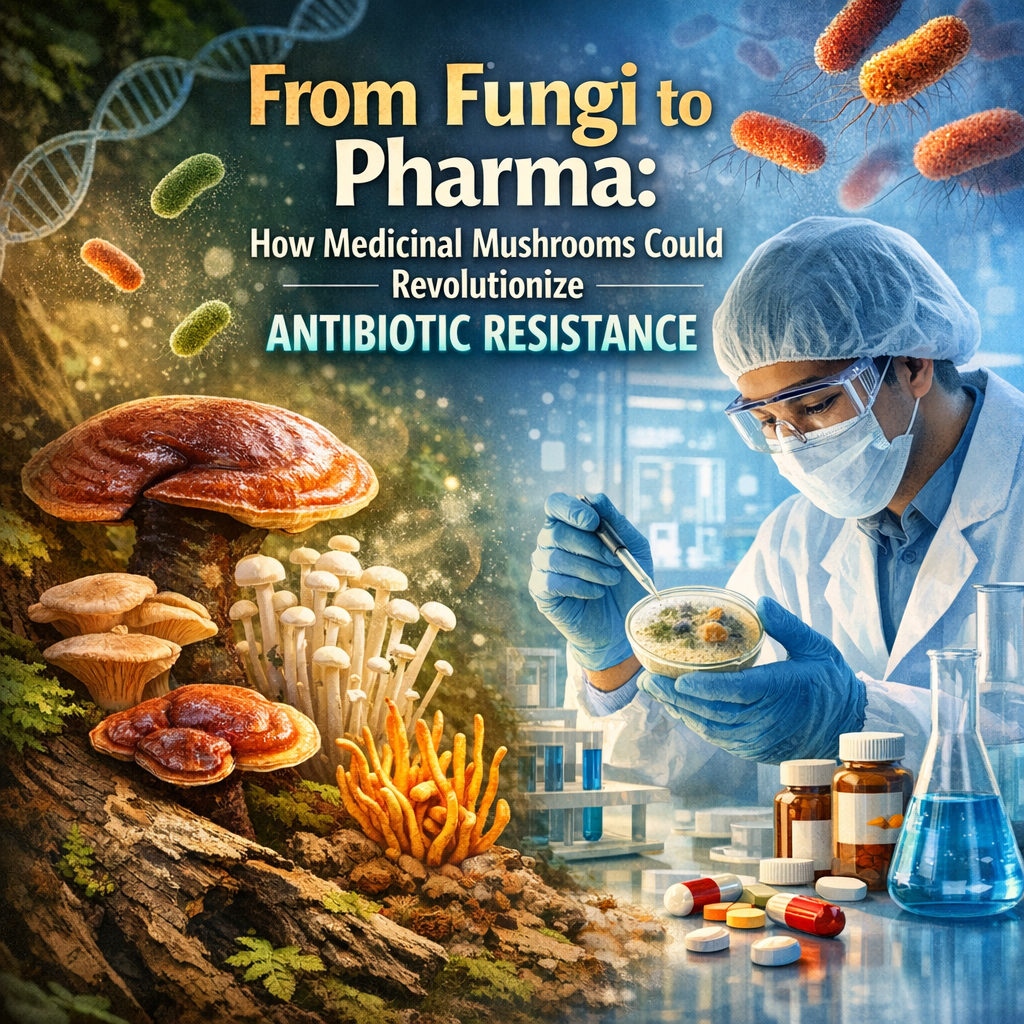
From Fungi to Pharma: How Medicinal Mushrooms Could Revolutionize Antibiotic Resistance
In recent years, the global healthcare community has been sounding the alarm on the growing issue of **antibiotic resistance**. This phenomenon occurs when bacteria evolve to become immune to the medications designed to kill them, rendering treatments ineffective and making infections harder to treat. The search for viable solutions is more critical than ever, and one promising avenue is nature’s own pharmacy: **medicinal mushrooms**. Known for their health-enhancing properties, medicinal mushrooms offer a unique and potentially revolutionary approach to combating antibiotic resistance.
Medicinal mushrooms have long occupied a place in traditional medicine across various cultures. These fungi possess a myriad of bioactive compounds, such as polysaccharides, terpenoids, and alkaloids, which have been celebrated for their immune-boosting, anti-inflammatory, and antimicrobial properties. As antibiotic resistance continues to challenge modern medicine, the mushroom kingdom offers an intriguing array of potential solutions. Studies have revealed that certain mushroom species have the capacity to produce natural antibiotics that can inhibit pathogenic bacteria. This ability makes them a focal point for research into new antibiotic candidates.
**Expanded Content:** The significance of this discovery lies in the potential development of new antibiotics that could sidestep traditional mechanisms of resistance. By studying and harnessing these naturally occurring compounds, researchers aim to develop treatments that bacteria have not yet encountered, reducing the time needed for bacteria to develop resistance.
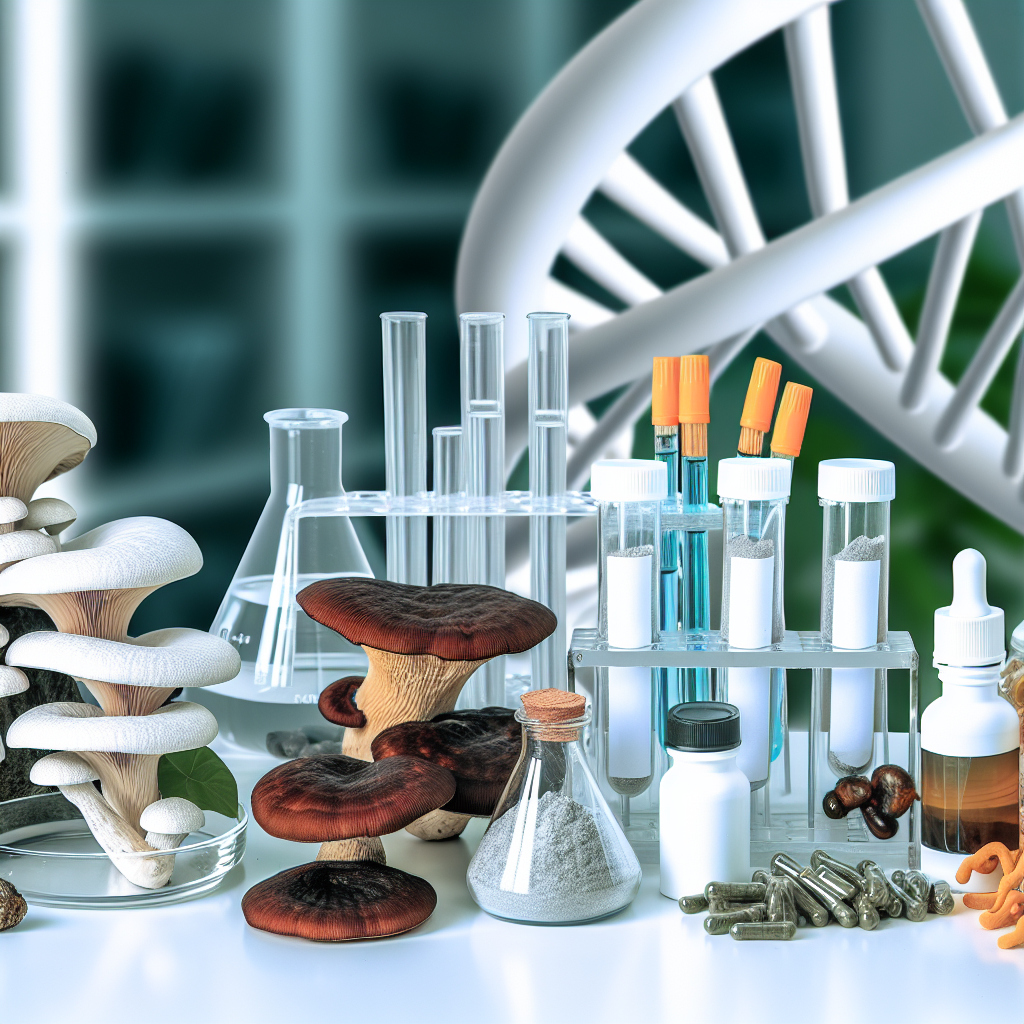
Several types of mushrooms have already shown promise in preclinical studies. For example, the **Reishi mushroom** (*Ganoderma lucidum*) is renowned for its therapeutic properties and has demonstrated significant antimicrobial activity against a range of pathogens. Similarly, the **Turkey Tail mushroom** (*Trametes versicolor*) has not only been used as an adjunct therapy for cancer but also exhibits antibacterial properties that could be harnessed to combat resistant strains. The **Shiitake mushroom** (*Lentinula edodes*) is another notable candidate, with compounds like lentinan revealing antibacterial and immunomodulatory benefits.
The potential of mushrooms extends beyond their direct antibacterial properties. They play a critical role in modulating the body’s immune response, which can be leveraged to enhance the effectiveness of existing antibiotics or provide synergistic effects. Moreover, by supporting the immune system, these mushrooms may reduce the likelihood of infections and the need for antibiotics, thus decreasing the opportunities for **resistance** to develop.
Scientific Studies and Findings
Recent scientific exploration into the realm of medicinal mushrooms suggests that these natural remedies could play a pivotal role in addressing antibiotic resistance. One pivotal study conducted by the University of Pennsylvania found that the polysaccharides extracted from **Turkey Tail mushrooms** can enhance the activity of certain antibiotics, potentially reversing resistance in **E. coli** strains.
Further research published in the Journal of Antimicrobial Chemotherapy examined the antimicrobial properties of the **Ganoderma lucidum mushroom**. The study discovered that extracts from this mushroom were capable of inhibiting the growth of pathogenic bacteria, including **methicillin-resistant Staphylococcus aureus (MRSA)**, a notorious antibiotic-resistant superbug.
In another study featured in the Fungal Biology Reviews, the antimicrobial activities of the Shiitake mushroom were investigated. Scientists found that the compounds within Shiitake not only exhibited modest antibacterial effects but also worked in tandem with conventional antibiotics to suppress bacterial growth more effectively.
The diverse biological activities of these mushrooms are attributed to their unique bioactive compounds. For instance, the presence of **ergothioneine**, a naturally occurring amino acid found in high concentrations in mushrooms, has been linked to antioxidant and antimicrobial properties that may help reduce bacterial resistance and protect the body’s cells from damage.
Moreover, ongoing research at the State University of New York is exploring the use of whole mushroom extracts as potential adjuvant therapies in conjunction with existing antibiotics. Early results are promising, indicating that the synergistic application can lower the effective dose of antibiotics required to combat infections, reducing the potential for resistance development.
Conclusion
In the battle against antibiotic resistance, **medicinal mushrooms** present a compelling combination of ancient wisdom and modern science. As researchers delve deeper into the potential of these fungi, they may offer novel pathways to not only treat resistant infections but also prevent them. By integrating medicinal mushrooms into modern therapeutic practices, we stand a greater chance of overcoming one of medicine’s most formidable challenges. With more research and development, humanity might find its next great antibiotic in the depths of a forest rather than a laboratory.
**Concise Summary:** Medicinal mushrooms hold promising potential in the fight against antibiotic resistance. With unique bioactive compounds, they exhibit antimicrobial properties and enhance the efficacy of existing antibiotics. Significant research highlights the potential of mushrooms like Reishi, Turkey Tail, and Shiitake in combating pathogens and reducing antibiotic doses required. As ongoing studies continue to uncover these fungi’s potential, integrating them into therapy could revolutionize how we address resistant infections, offering a novel and natural approach to one of modern medicine’s most significant challenges.

Dominic E. is a passionate filmmaker navigating the exciting intersection of art and science. By day, he delves into the complexities of the human body as a full-time medical writer, meticulously translating intricate medical concepts into accessible and engaging narratives. By night, he explores the boundless realm of cinematic storytelling, crafting narratives that evoke emotion and challenge perspectives. Film Student and Full-time Medical Writer for ContentVendor.com