Exploring the Psychedelic Ecosystem: Future-Ready Frameworks from Neuroscience to Legal Compliance
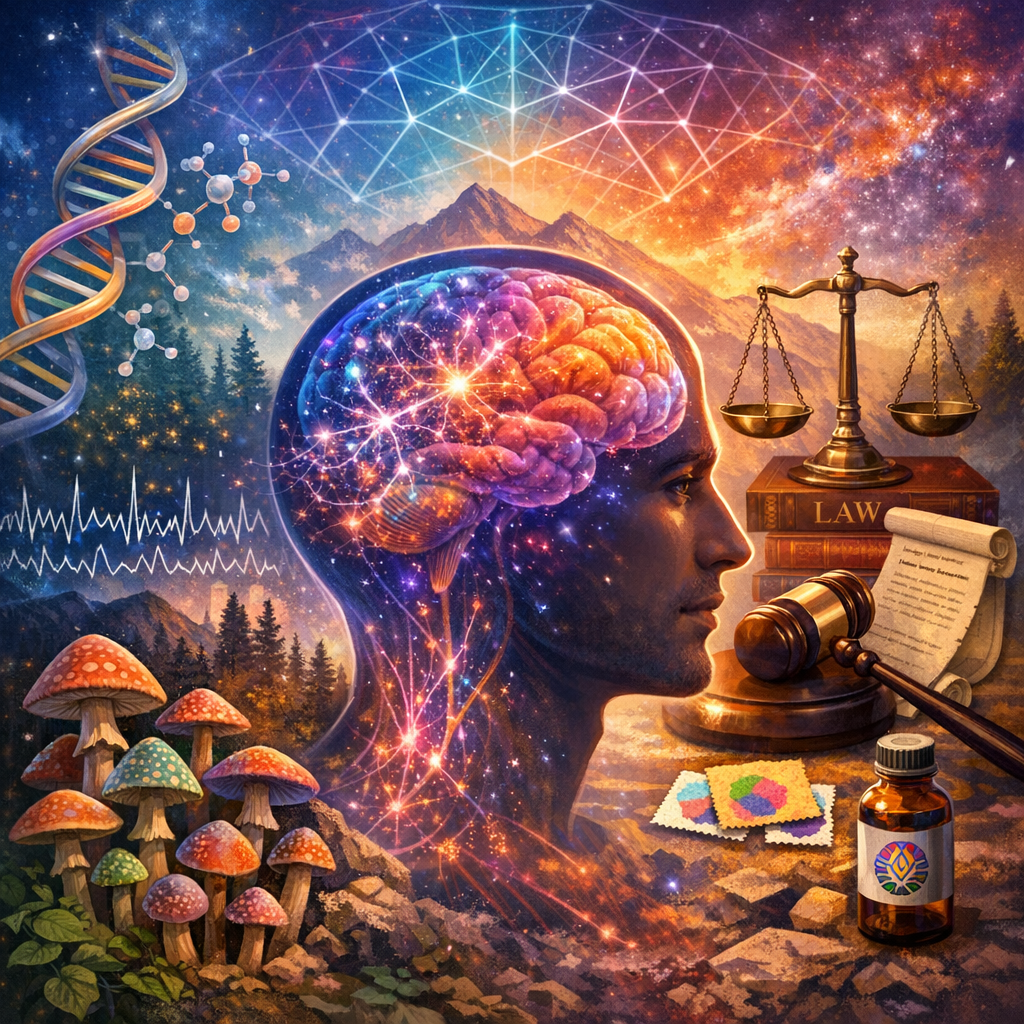
The world of **psychedelics**, primarily **psilocybin**, has gained unprecedented attention in recent years. Once shrouded in taboo, these natural compounds are now at the forefront of **scientific research** and **legal debates**, driven by their promising **therapeutic potential** and shifting **cultural perspectives**. **Psilocybin**, the active ingredient found in certain species of **mushrooms**, has emerged as a powerful tool for **mental health** treatment, offering new hope for individuals struggling with conditions like **depression**, **anxiety**, **PTSD**, and **substance addiction**. This rejuvenated interest in psychedelic substances has led to the establishment of what we might call a “psychedelic ecosystem,” a robust network of scientific exploration, medical trials, corporate involvement, and legislative action.
Within this burgeoning ecosystem, **neuroscience** plays a pivotal role. It provides the foundational knowledge that helps unravel the complex mechanisms by which **psilocybin** and other psychedelics affect the human brain. Modern **neuroimaging techniques**, such as **fMRI** and **PET scans**, have been instrumental in observing changes in brain connectivity and activity patterns under the influence of these compounds. These findings have been revolutionary in understanding why psychedelics induce profound alterations in perception, mood, and consciousness. For instance, research suggests that **psilocybin** enhances the brain’s plasticity, promoting novel connections that can lead to lasting changes in cognitive and emotional patterns. Such insights are particularly valuable for developing new therapies that harness the rewiring capabilities of psychedelics.
In parallel to scientific advancements, the **legal landscape** surrounding **psilocybin** is also transforming. Countries and states that once enforced strict prohibitions are now reconsidering their stance, driven by emerging data and shifting public opinion. Jurisdictions like **Oregon**, **Washington D.C.**, and the state of **Colorado** have taken steps to decriminalize or regulate **psilocybin**, paving the way for controlled therapeutic use. These changes reflect a broader shift in understanding the therapeutic potential of psychedelics and highlight the need for coherent legal frameworks that ensure patient safety, product quality, and ethical research practices.
Nevertheless, as this **psychedelic ecosystem** expands, it faces challenges that require multifaceted solutions. Stakeholders including researchers, clinicians, policymakers, and industry leaders must navigate the intricate interplay between **science**, **regulation**, and public perception. This evolving ecosystem calls for future-ready frameworks that not only address the current intricacies but also anticipate future developments in neuroscience and legal compliance to ensure the responsible and beneficial integration of psychedelics into society.
Features:
Numerous professional and medical studies underscore the importance of integrating **psilocybin** into modern therapeutic practices, backed by empirical evidence elucidating its profound effects. A landmark study published in the journal “JAMA Psychiatry” explored the efficacy of **psilocybin-assisted therapy** in treating **major depressive disorder**. The randomized clinical trial demonstrated that a significant portion of participants experienced substantial reductions in depressive symptoms after just two psilocybin sessions, with these effects lasting up to a year for some patients [source](https://jamanetwork.com/journals/jamapsychiatry/fullarticle/2772630).
In another groundbreaking study, the “Journal of Psychopharmacology” highlighted the effects of **psilocybin** on patients with treatment-resistant depression. The research showed that psilocybin combined with psychological support led to remarkable improvements in mental health, supporting the notion that psychedelics can catalyze transformative psychological processes [source](https://journals.sagepub.com/doi/full/10.1177/0269881116675513).
Moreover, neuroscience studies have unravelled the dynamic brain network interactions under **psilocybin’s** influence. Research from the “Proceedings of the National Academy of Sciences” employed neural imaging techniques to depict the decreased activity in brain areas associated with the **default mode network (DMN)**, considered responsible for maintaining the ego and self-referential thinking. Reduced **DMN activity** correlates with experiences of transcendence and connectedness commonly associated with psilocybin use [source](https://www.pnas.org/content/109/6/2138).
**Legal developments** are equally crucial in shaping the future of psychedelic therapies. In the United States, the **Food and Drug Administration (FDA)** has granted “breakthrough therapy” designation to **psilocybin** for depression treatment, which expedites its development and approval processes [source](https://www.fda.gov/news-events/press-announcements/fda-grants-breakthrough-therapy-designation-research-investigational-use-psilocybin-treat-patients). Similarly, ongoing clinical trials across the globe aim to refine usage guidelines, dosage parameters, and therapeutic conditions, setting precedents that will govern psilocybin’s medical application.
Conclusion:
The **psychedelic ecosystem** represents a dynamic interplay of **neuroscience**, **medical research**, and evolving **legal frameworks**. The potential for **psilocybin** to transform mental health treatment is immense, continually supported by groundbreaking studies and progressive legal reforms. As we navigate this promising yet complex territory, coordinated efforts and forward-thinking strategies are paramount to harness the full potential of psychedelics, ensuring their safe and beneficial integration into modern society. With continued research and responsible policy-making, psilocybin could indeed herald a new era in psychological healing and cognitive well-being.
**Concise Summary:**
The world of psychedelics is rapidly evolving with significant advances in neuroscience and legal reforms. Psilocybin, found in mushrooms, shows promise for treating mental health conditions such as depression, anxiety, and PTSD. Modern neuroimaging reveals how psilocybin affects brain connectivity and function, facilitating new therapeutic possibilities. Legal frameworks are adapting, with places like Oregon and Colorado leading efforts to regulate psilocybin for therapeutic use. As the psychedelic ecosystem grows, stakeholders must develop future-ready frameworks to address scientific, legal, and public perception issues, ensuring psychedelics’ safe integration into society.

Dominic E. is a passionate filmmaker navigating the exciting intersection of art and science. By day, he delves into the complexities of the human body as a full-time medical writer, meticulously translating intricate medical concepts into accessible and engaging narratives. By night, he explores the boundless realm of cinematic storytelling, crafting narratives that evoke emotion and challenge perspectives. Film Student and Full-time Medical Writer for ContentVendor.com