Automated Monotub Climate Control Systems for Precision Mushroom Cultivation
Introduction
The cultivation of medicinal mushrooms such as psilocybin-containing species has made significant strides, evolving from small-scale endeavors into a technologically advanced and scientifically guided industry. With increased clinical interest in psilocybin mushrooms for treating conditions such as depression, PTSD, anxiety, and addiction, there’s a growing demand for optimized and controlled cultivation methods.
Traditionally, growers used simple plastic containers—called monotubs—modified with holes for air exchange and water for humidity, often relying on manual misting and fanning. While economical and effective for small projects, these setups suffer from variability in humidity, temperature, and air exchange—factors that directly affect mushroom development and potency.
Now, automated monotub climate control systems are revolutionizing the practice by offering precise microclimate regulation through real-time sensors and WiFi control. These systems help eliminate environmental inconsistencies, reduce contamination risks, and improve yield and quality—especially crucial for research, clinical settings, and commercial therapeutic applications.
As legal psilocybin cultivation expands in jurisdictions like Oregon and Colorado, both hobbyists and professional cultivators are transitioning to automation. These systems not only support pharmaceutical standards but also integrate data logging for compliance and research. This article explores the core benefits, technology framework, and emerging clinical importance of using automated climate control in mushroom cultivation.
Features and Scientific Foundation of Automated Climate Control
Automation ensures consistent and reproducible cultivation—key to producing professionally viable mushroom products. For psilocybin therapy specifically, uniform growing conditions are vital, as the effectiveness of the mushrooms is linked to the consistency in levels of psychoactive compounds like psilocybin and psilocin.
A 2020 study from Johns Hopkins University (Davis et al., 2020) highlighted that treatment efficacy is dose-dependent, meaning that any variance in mushroom potency could alter therapeutic outcomes—especially in clinical trials or consistent patient care.
These setups typically include:
– WiFi-enabled temperature and humidity sensors
– Smart humidifiers and heating pads
– CO₂ monitors (for pinning and fruiting adjustments)
– Programmable environmental controls
Devices such as the Inkbird WiFi Temperature Controller or the AC Infinity Controller 69 allow for fine-tuned control of internal climates. Parameters can be monitored and adjusted remotely, providing cultivators peace of mind and scalability.
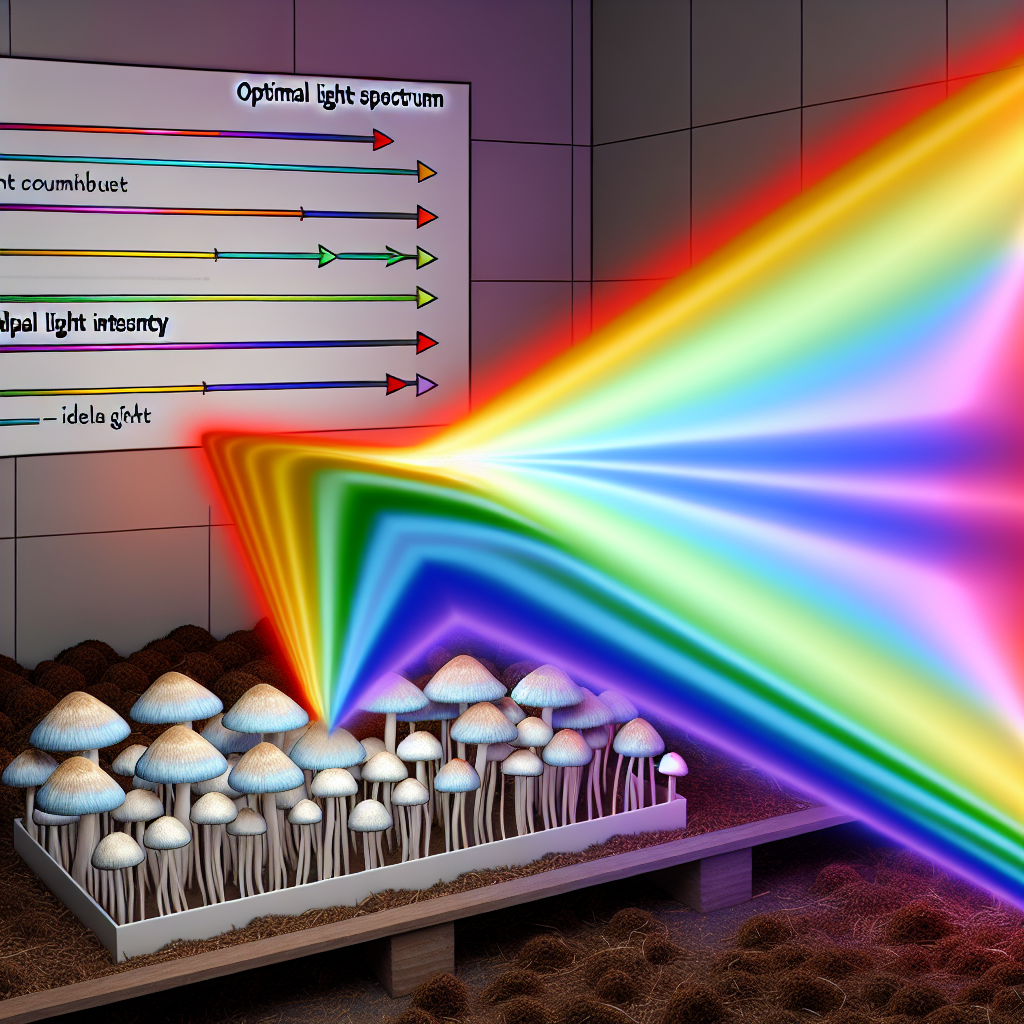
CO₂ control is particularly crucial yet often neglected in manual systems. Fungi require different gas exchange levels during growth stages: high CO₂ during colonization and low CO₂ under 1,000 ppm during fruiting. Likewise, target humidity levels are around 95% during colonization and 85% during fruiting. Missing these specific ranges can result in defective fruiting bodies or contamination.
A study published in Mycological Research (Griffith & Money, 2021) explains that environmental stresses like low humidity or substrate overheating can impact fungal metabolism and alter secondary metabolite production. This includes key therapeutic compounds like psilocybin, beta-glucans, and other pharmacologically active elements.
Furthermore, software-integrated logging of environmental data enables cultivators to trace crops, adjust techniques iteratively, and conform with documentation standards required in clinical studies or FDA IND applications—a growing necessity for research-grade or commercial cultivation.
In addition to psilocybin mushrooms, other functional fungi like Lion’s Mane (Hericium erinaceus) and Reishi (Ganoderma lucidum) benefit from automation. Both species show significant increases in therapeutic compound concentrations under consistent conditions. For example, beta-glucan levels, crucial for immune function, are optimized through stable humidity and temperature.
With the medicinal mushroom market projected to surpass $7.2 billion by 2027 (Global Market Insights), automation ensures that producers can meet both economic and regulatory expectations.
Conclusion
In the evolving industry of medicinal mushroom cultivation, automated climate systems aren’t optional—they’re foundational. They address core issues of contamination, inconsistency, and labor inefficiency, while enabling growers to deliver fungi that meet pharmaceutical-grade standards for clinical use and research.
As legal and medical applications continue to expand, these systems empower both commercial cultivators and citizen scientists to produce high-quality, reproducible, and potent mushrooms with minimal manual labor. The future of responsible mushroom cultivation lies in precision—and automation makes that future accessible today.
Concise Summary
Automated monotub climate control systems are revolutionizing the cultivation of medicinal mushrooms, providing consistent humidity, temperature, and CO₂ levels for optimal growth. These systems enhance yield, quality, and potency—crucial for clinical use and research. As psilocybin gains clinical acceptance and legalization expands, automation ensures that growers—from hobbyists to commercial labs—can meet pharmaceutical-grade standards. Key benefits include reduced contamination, real-time monitoring via WiFi, and data tracking for regulatory compliance, positioning automation as a necessary advancement in precision mushroom farming.
References
– Global Market Insights. (2022). Medicinal Mushroom Market Size, Share & Trends Analysis Report.
– Inkbird WiFi Temperature Controller. (n.d.).
– AC Infinity Controller 69. (n.d.).

Dominic E. is a passionate filmmaker navigating the exciting intersection of art and science. By day, he delves into the complexities of the human body as a full-time medical writer, meticulously translating intricate medical concepts into accessible and engaging narratives. By night, he explores the boundless realm of cinematic storytelling, crafting narratives that evoke emotion and challenge perspectives. Film Student and Full-time Medical Writer for ContentVendor.com