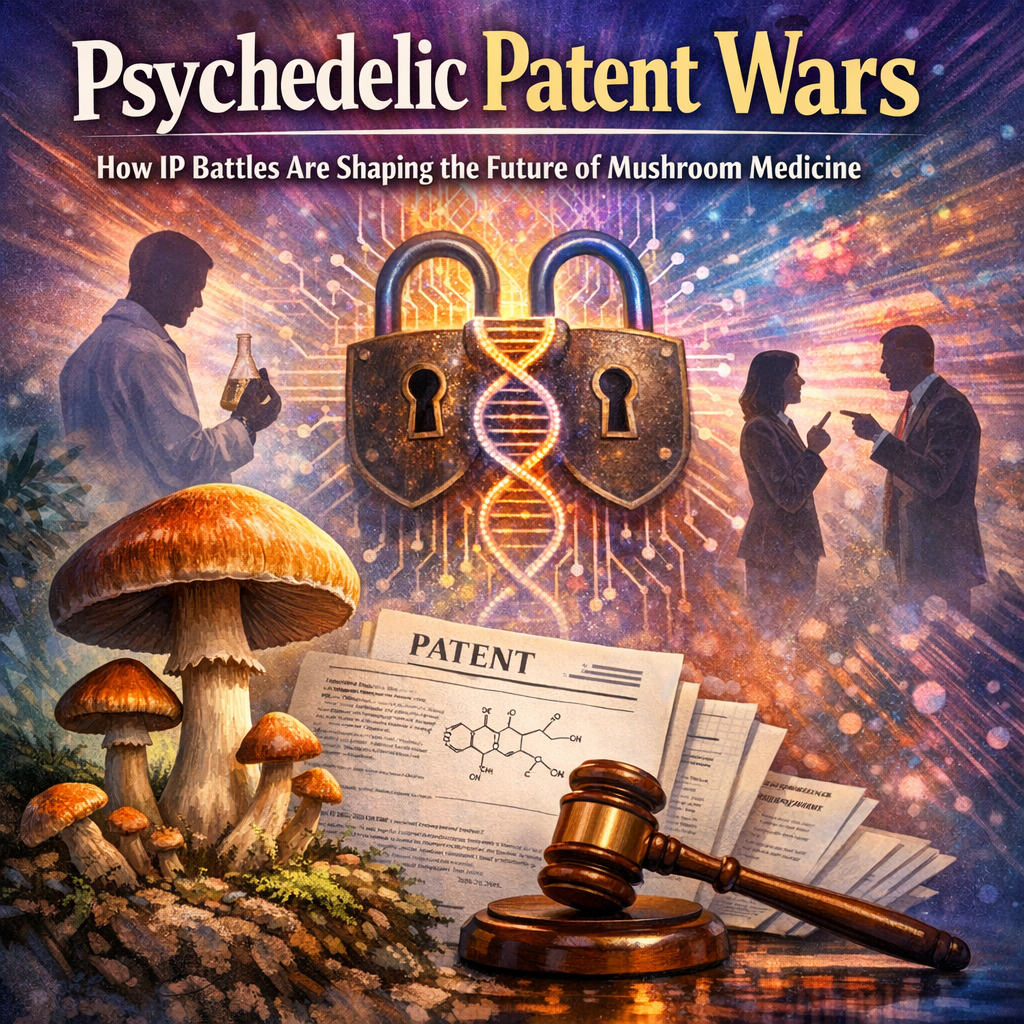
Psychedelic Patent Wars: How IP Battles Are Shaping the Future of Mushroom Medicine
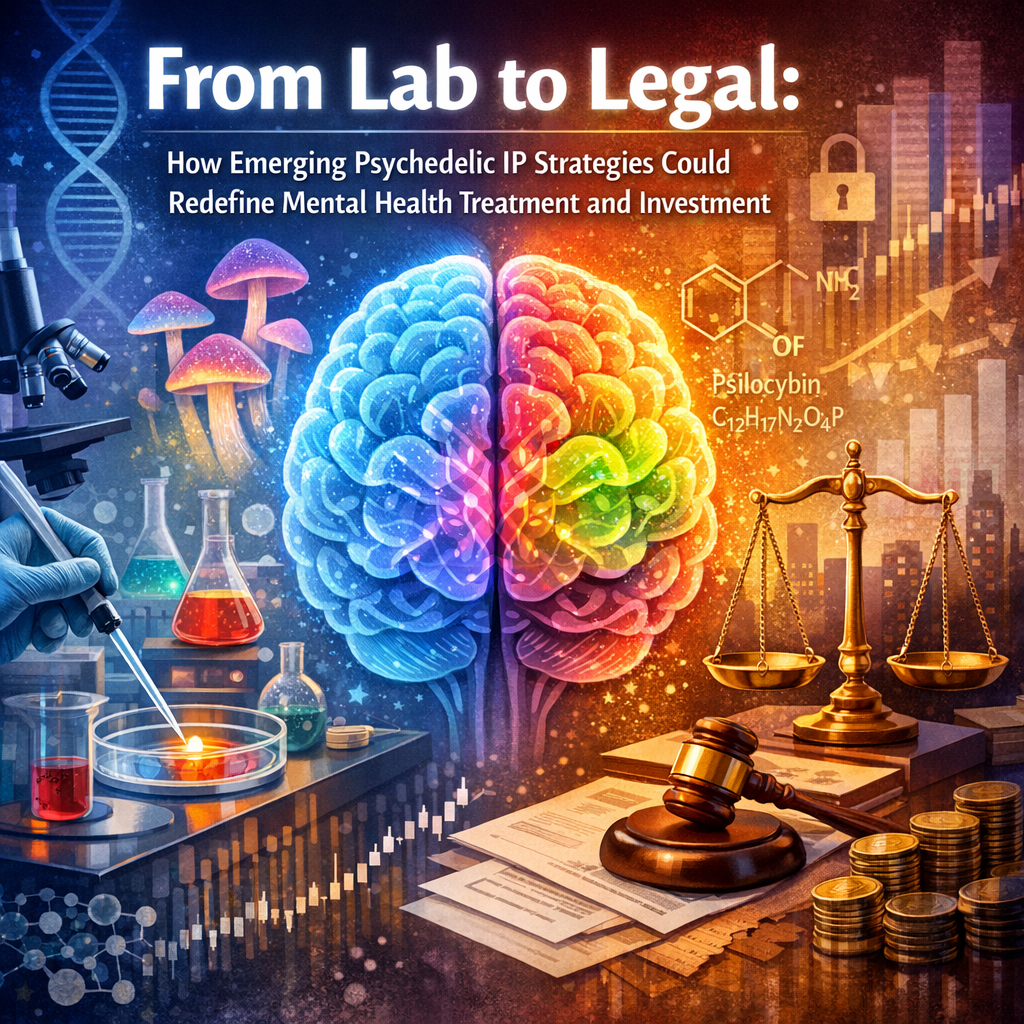
The resurgence of interest in **psychedelics**, particularly **psilocybin mushrooms**, is setting the stage for significant advances in **mental health treatment**. A compound found in various mushroom species, psilocybin has demonstrated promise in treating a range of psychological conditions, including **depression**, **anxiety**, **PTSD**, and **addiction**. As groundbreaking research reveals the profound potential of psilocybin, major pharmaceutical and biotechnology companies are scrambling to secure intellectual property (**IP**) rights, sparking an unprecedented patent war in the field of psychedelic medicine.
The race to secure patents on psilocybin-based therapies presents both opportunities and challenges. On one hand, it has fueled investment into research and development, hastening the process of bringing these treatments to market. On the other, it raises ethical questions about access and **ownership**, especially considering the indigenous knowledge and historical use of psilocybin mushrooms in traditional medicine. The potential for monopolization and high costs could restrict access to these therapies for those who need them most, undermining the egalitarian potential of psilocybin as a transformative medical treatment.
In this landscape, patents have become not only a tool for securing financial returns on investments but also a strategic weapon in the competitive world of psychedelic research and development. Some companies seek broad patent claims that cover synthetic methods of producing psilocybin, while others focus on novel formulations or new therapeutic uses. Meanwhile, forward-thinking startups and institutions are challenging these claims, advocating for open science and equitable access to these promising treatments. Notably, organizations like the **Open Therapeutics** and the **Usona Institute** are working to ensure that these potentially life-altering therapies remain accessible.
A pivotal court case or newly issued patent can profoundly impact the trajectory of psilocybin medicine. These IP battles are more than legal skirmishes; they are shaping the future of mental health treatment and the broader acceptance of psychedelics in modern medicine. The outcomes of these battles will determine who controls the rights to produce and distribute psilocybin therapies, affecting the price and availability of these treatments worldwide. As the psychedelic patent wars rage on, they will inevitably influence not just the pharmaceutical landscape but also the broader discussions on how society values and integrates traditional plant-based medicine with cutting-edge scientific advancements.
Recent professional and medical studies underscore the promising therapeutic potential of psilocybin, elucidating why it is at the center of such intense intellectual property battles. For example, a landmark study conducted by researchers at **Johns Hopkins University** found that psilocybin-assisted therapy could significantly improve outcomes for individuals with major depressive disorders, far surpassing traditional antidepressant outcomes [source](https://www.hopkinsmedicine.org/news/articles/magic-mushrooms-improve-mental-health). The participants who received psilocybin treatment showed marked improvement in their depression symptoms, which were sustained over a 12-month follow-up period.
Interest in psilocybin also extends to its potential for treating addiction. A study published in the **Journal of Psychopharmacology** detailed how psilocybin facilitated smoking cessation in a small group of participants, achieving an 80% success rate, markedly higher than most current treatments [source](https://journals.sagepub.com/doi/10.1177/0269881116675512). These promising findings have spurred further investment and interest from companies seeking to patent psilocybin-based interventions targeting addiction.
Additionally, another study conducted by **Imperial College London** provided compelling evidence of psilocybin’s efficacy in treating treatment-resistant depression. The research utilized brain imaging techniques, showing how psilocybin led to increased brain connectivity and the breakdown of negative thought patterns in patients [source](https://www.imperial.ac.uk/news/189531/psilocybin-offers-light-major-depression/). These results have led to a surge in patent applications for medical devices and systems designed to administer psilocybin safely and effectively.
As legal battles over psilocybin patents continue, the implications extend beyond IP law. These proceedings inevitably shape the way psilocybin research is conducted and how these potentially life-altering treatments are developed and distributed. They are a critical focal point in the broader quest to legitimize and mainstream psychedelic medicine in contemporary therapeutic settings.
The psychedelic patent wars are reshaping the future of mushroom medicine by dictating who will have control over this burgeoning field. While the race to secure patents drives innovation, it also raises important ethical considerations around accessibility and ownership. As we navigate this complex landscape, ensuring equitable access to psilocybin therapies will be crucial. Ultimately, the resolution of these IP battles will determine not only the developmental pathway of psychedelic medicine but also its availability to those who could benefit most.
**Concise Summary:**
The escalating interest in **psilocybin**, derived from **mushrooms**, is transforming mental health treatment, with significant patent battles emerging. While these patents have spurred research and potential therapies for conditions like **depression** and **addiction**, they have also prompted concerns about monopoly and accessibility, particularly given psilocybin’s historical use. Notable studies from **Johns Hopkins** and **Imperial College** highlight psilocybin’s therapeutic promise. Amidst these battles, organizations like the **Usona Institute** advocate for equitable access, focusing on how IP laws and court outcomes will dictate the future availability and integration of psilocybin in therapeutic settings.

Dominic E. is a passionate filmmaker navigating the exciting intersection of art and science. By day, he delves into the complexities of the human body as a full-time medical writer, meticulously translating intricate medical concepts into accessible and engaging narratives. By night, he explores the boundless realm of cinematic storytelling, crafting narratives that evoke emotion and challenge perspectives. Film Student and Full-time Medical Writer for ContentVendor.com