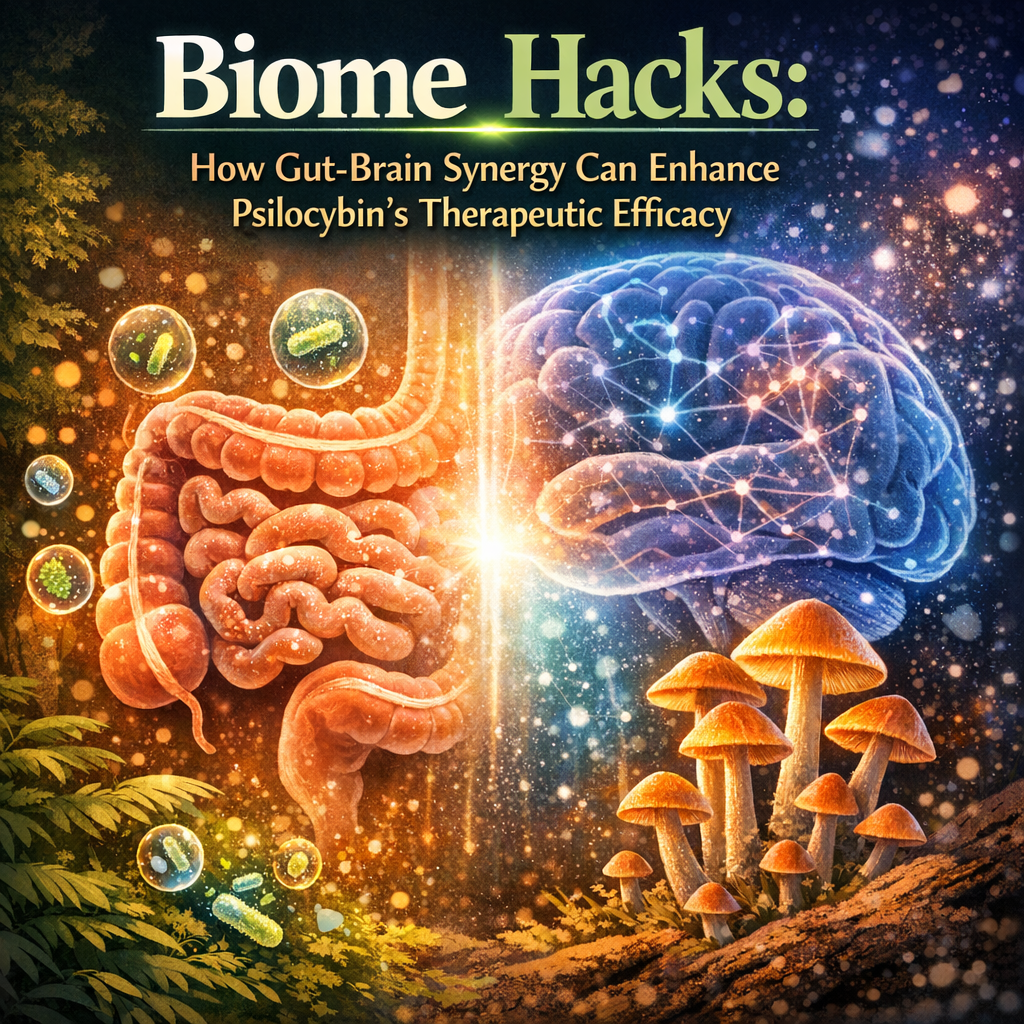
Biome Hacks: How Gut-Brain Synergy Can Enhance Psilocybin’s Therapeutic Efficacy
Introduction
In recent years, the symbiotic relationship between the **gut** and **brain** has sparked significant interest within the scientific community, particularly concerning its impact on **mental health**. Commonly referred to as the **gut-brain axis**, this bidirectional pathway of communication is now believed to be a pivotal factor in influencing **mood, cognition,** and overall mental well-being. Interestingly, one area where this relationship is gaining traction is in the use of **psilocybin**, the active compound in **magic mushrooms**, known for its potential therapeutic applications. Although **psilocybin** is primarily explored for its **psychoactive effects**, emerging research suggests that optimizing **gut-brain synergy** might enhance its therapeutic efficacy further.
The **gut-brain axis** comprises microbes, metabolites, and signaling molecules linking the endocrine, immune, and nervous systems. These interactions play a critical role in **neurotransmitter regulation**, impacting **serotonin levels**—the same neurotransmitter significantly affected by **psilocybin**. **Serotonin’s influence** on mood and emotional state highlights the potential benefits of synchronizing gut health with psilocybin therapy.
Scientific advancements suggest that individuals with a balanced **gut microbiome**—characterized by diverse healthy bacteria—may exhibit better outcomes in mood regulation and cognitive function when using **psilocybin**. For instance, psilocybin’s capacity to invoke **neuroplasticity** is potentially amplified by gut health, allowing for improved adaptability and cognitive restructuring. Such findings indicate that individuals can bolster psilocybin’s impact by incorporating lifestyle and dietary changes that promote a healthy gut microbiome as part of their therapeutic regimen.
Addressing **gut health** may offer a holistic and integrative approach to psilocybin therapy, bridging natural medicine with emerging neuroscience. Through **gut-brain synergy**, the dream of achieving enhanced mental well-being may become a tangible reality for many. However, understanding the mechanisms is an ongoing process, and it’s crucial to explore the existing studies that shed light on this compelling interplay.
Features
Exciting developments have surfaced in the exploration of the **gut-brain axis’s** impact on **psilocybin’s therapeutic potential**. Studies indicate that **gut microbiota** can influence both mental and physical health by modulating the body’s stress response and biochemical pathways. Research has highlighted the **gut’s role** in producing and regulating neurotransmitters—over 90% of serotonin is synthesized in the gut [source](https://www.health.harvard.edu/mind-and-mood/the-gut-brain-connection)—suggesting profound implications for mood stabilization when aligned with **psilocybin therapy**.
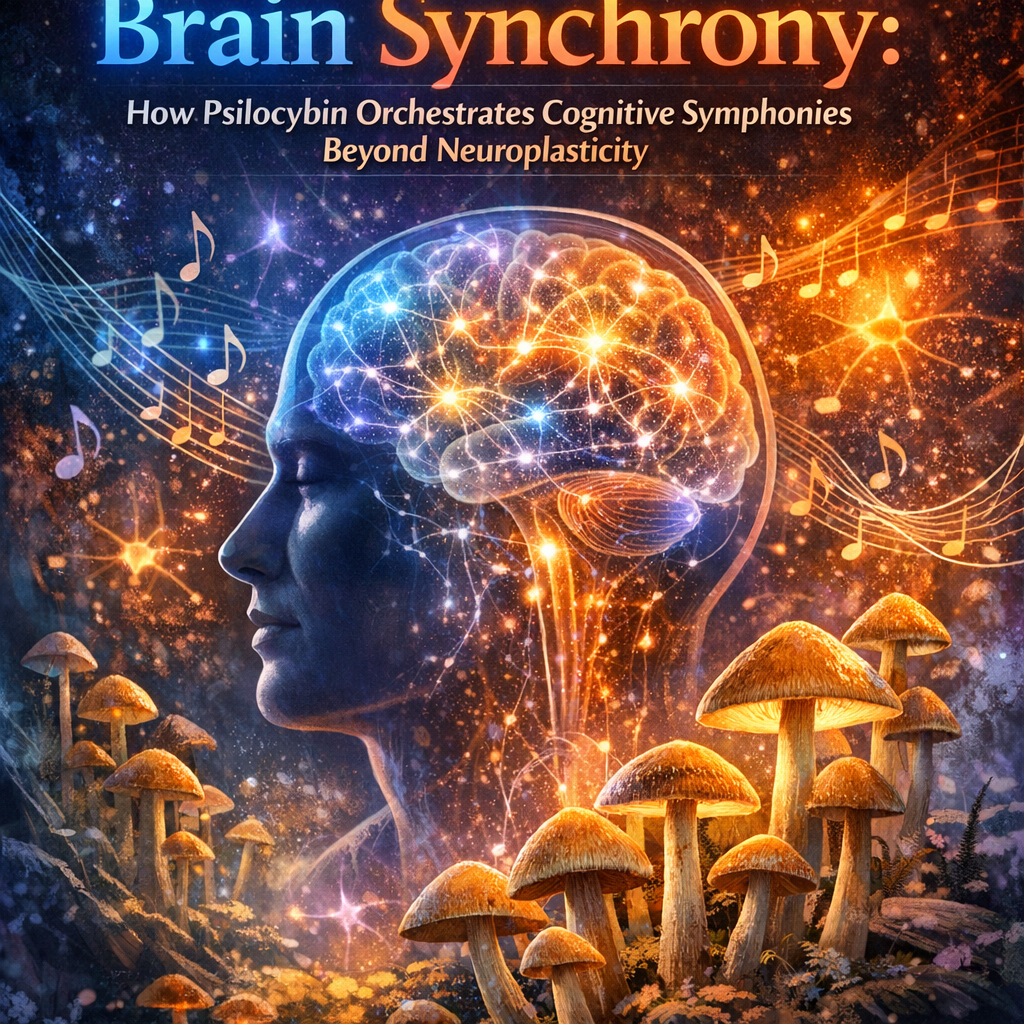
A pivotal study by researchers at [Johns Hopkins University](https://www.hopkinsmedicine.org/psychiatry/research/psilocybin-research.html) found that **psilocybin** can promote enduring changes in emotional processing, highlighted by increased neural connectivity. When combined with a robust, balanced microbiome, these changes can be more pronounced, as a healthy gut may enhance the bioavailability of psilocybin. This synergy potentially accelerates therapeutic processes, aiding in the treatment of conditions such as **depression, anxiety,** and **PTSD**.
Furthermore, a pilot study published in the journal [*Psychopharmacology*](https://www.springer.com/journal/213) suggested that gut health optimization coincided with improved responses to **psychedelic treatment**. Participants who integrated **prebiotics** and **probiotics** into their regimen experienced enhanced emotional resilience and recovery from anxiety. This indicates a promising avenue for enhancing psilocybin’s efficacy through microbiome nurturing practices, such as maintaining a **fiber-rich diet** and minimizing antibiotic use, both of which support healthy gut flora.
Additionally, the intricacies of the **gut-brain axis** continue to unravel through the work of [Dr. Emeran Mayer](https://www.emory.edu/gut-brain-axis-research), a leading figure in the field, who has emphasized the importance of dietary interventions in managing psychological distress. Such insights bolster the argument that integrative approaches can improve both psilocybin’s utility and patient outcomes, providing a holistic method of treatment.
Conclusion
The evolving understanding of the **gut-brain axis** underscores the transformative potential of aligning **gut health** with **psilocybin therapy**. By leveraging the biochemical and microbial synergy, individuals may experience enhanced therapeutic outcomes, paving the way for more integrated and effective mental health treatments. As research progresses, tailoring approaches to optimize both gut health and psilocybin use promises to elevate the standard of care in psychedelic-assisted therapies, offering hope for those seeking natural and comprehensive solutions to mental health challenges.
**References**:
1. [The gut-brain connection](https://www.health.harvard.edu/mind-and-mood/the-gut-brain-connection)
2. [Johns Hopkins psilocybin research](https://www.hopkinsmedicine.org/psychiatry/research/psilocybin-research.html)
3. [Enhancing responses to psychedelic treatment](https://www.springer.com/journal/213)
4. [Research by Dr. Emeran Mayer on dietary interventions](https://www.emory.edu/gut-brain-axis-research)
**Concise Summary:**
The integration of **gut health** with **psilocybin therapy** through the gut-brain axis represents a potential advancement in mental health treatments. By aligning a balanced gut microbiome with psilocybin use, individuals may experience improved outcomes due to enhanced neurotransmitter regulation and neuroplasticity. Studies emphasize the role of the gut in producing neurotransmitters like serotonin, influencing mood stabilization. Integrating prebiotics and probiotics can further enhance psilocybin’s efficacy, providing a comprehensive approach to treating conditions such as depression and anxiety. As research develops, this synergy could elevate the effectiveness of psychedelic-assisted therapies.

Dominic E. is a passionate filmmaker navigating the exciting intersection of art and science. By day, he delves into the complexities of the human body as a full-time medical writer, meticulously translating intricate medical concepts into accessible and engaging narratives. By night, he explores the boundless realm of cinematic storytelling, crafting narratives that evoke emotion and challenge perspectives. Film Student and Full-time Medical Writer for ContentVendor.com