Neuroethical Implications of Psychedelics: Challenging the Boundaries of Consciousness Science
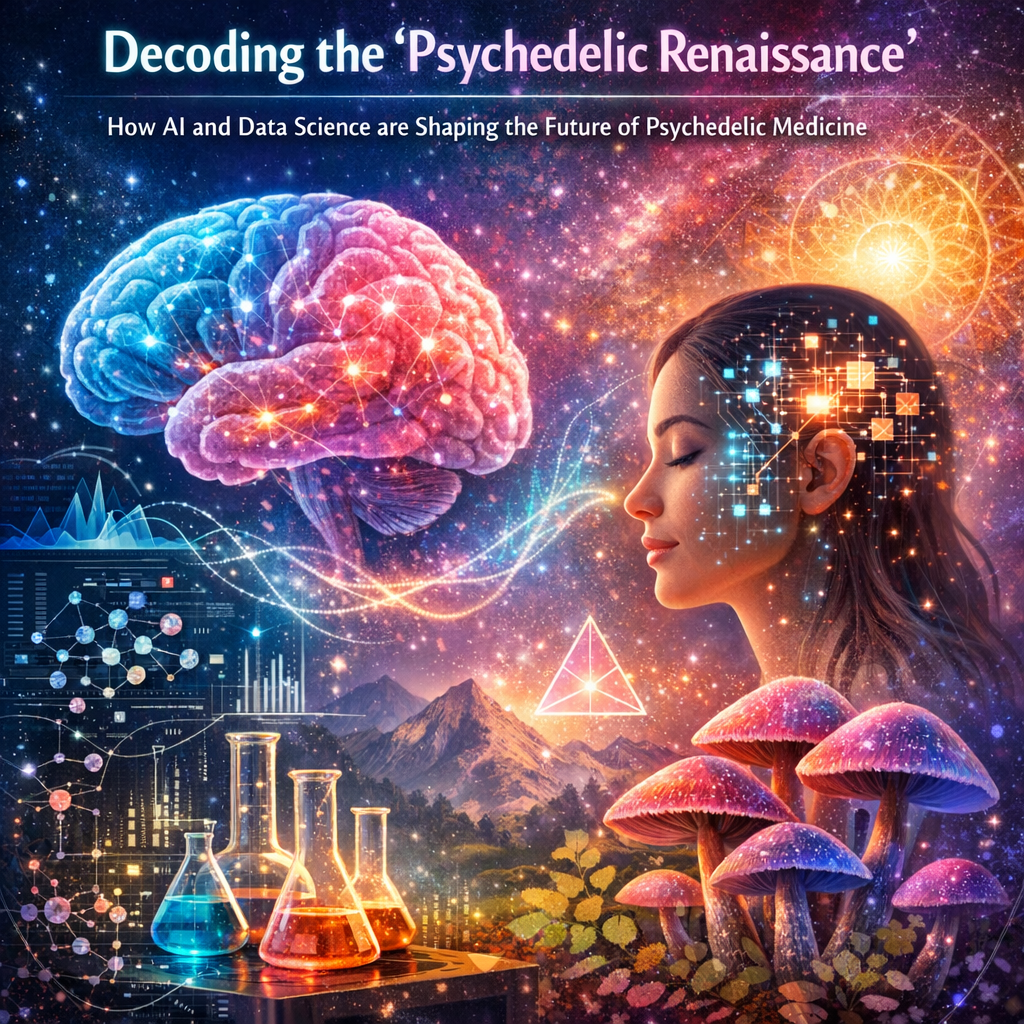
The exploration of **psychedelics** in modern science has progressively shifted from the fringes of cultural taboos to the forefront of scientific inquiry. Among these substances, **psilocybin**, the psychoactive compound found in certain mushrooms, has captured the attention of researchers due to its profound effects on the human mind. As our understanding of **consciousness** expands, so too does the ethical landscape surrounding psychedelic studies.
**Psychedelics**, particularly **psilocybin**, are being studied for their potential to treat a variety of mental health conditions, including depression, anxiety, and PTSD. The resurgence of interest in these substances aligns with a broader movement towards embracing holistic and integrative approaches to mental health care. The promise of **psychedelics** lies not only in their therapeutic potential but also in their ability to offer insights into the nature of **consciousness** itself. Researchers are keen to understand how these substances can aid in reshaping mental health care, particularly in conditions where conventional treatments fail to provide relief.
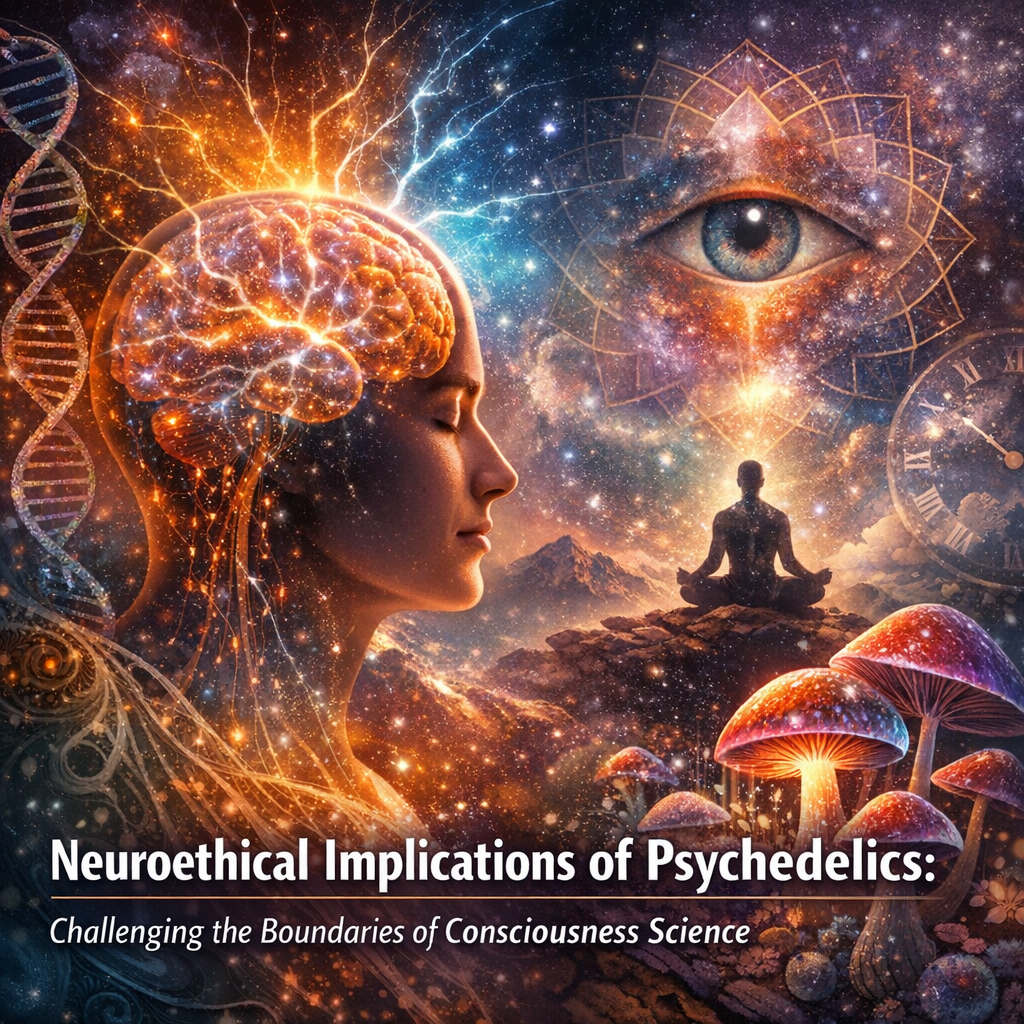
However, with these possibilities come critical ethical considerations. The field of **neuroethics** examines the implications of neurological and cognitive sciences, scrutinizing the moral and societal impacts. **Psychedelics** challenge traditional notions of identity and individuality, pushing the boundaries of what it means to be conscious. Patients undergoing such treatments might experience intense alterations in perception, which could lead to long-lasting changes in their worldview and self-conception. Ethical discussions revolve around safeguarding personal identity and ensuring the integrity of therapeutic practices.
Moreover, the integration of psychedelic substances into medical treatment raises questions about consent, autonomy, and the potential for misuse. With their ability to induce altered states of consciousness, psilocybin-based therapies necessitate clear ethical guidelines to ensure the safety and well-being of participants. The therapeutic setting, controlled dosages, and the presence of trained professionals are crucial components to mitigate risks and provide a structured environment for exploration. Establishing these protocols is essential to prevent recreational misuse and ensure legitimacy in therapeutic contexts.
In conclusion, the intersection of **psychedelics** and **consciousness science** presents both promising opportunities for mental health treatment and complex ethical challenges. By scrutinizing these issues within the broader context of societal values and scientific integrity, researchers and ethicists alike can pave the way for responsible use and exploration of **psychedelics**. This journey requires a nuanced understanding of both the scientific and humanistic dimensions of **psychedelics**, ensuring that advancements in the field contribute positively to our collective understanding of **consciousness**.
Features
Recent studies have illuminated the potential therapeutic benefits of **psychedelics**, notably **psilocybin**, in treating mental health disorders. A hallmark study by [Johns Hopkins University](https://www.hopkinsmedicine.org/psychedelics-research) demonstrated **psilocybin’s** efficacy in reducing symptoms of depression and anxiety in patients facing life-threatening cancer diagnoses. Participants reported significant improvements in emotional well-being and a redefined sense of life purpose, persisting long after the treatment sessions. This demonstrates the profound impact that targeted psychedelic therapy can have, extending beyond symptom relief to instill a new outlook on life.
In another pivotal study, the [Imperial College London](https://www.imperial.ac.uk/psychiatry/trials/psilocybin/) explored the effects of **psilocybin** on patients with treatment-resistant depression. Participants experienced a decrease in depressive symptoms following structured **psilocybin** therapy sessions, suggesting an avenue for those who have not responded to conventional treatments. The study highlighted changes in brain activity patterns, with decreased activity in areas linked to self-focused thought and increased connectivity across brain networks. These findings suggest that **psilocybin** aids in ‘resetting’ the brain’s default mode network, a function often disrupted in depression.
Moreover, the [Multidisciplinary Association for Psychedelic Studies (MAPS)](https://maps.org/research) has been instrumental in promoting research on psychedelics within a therapeutic context. Their trials involving MDMA-assisted therapy for PTSD showcase the importance of setting, guidance, and integration in psychedelic experiences. While primarily focused on MDMA, the methodologies and insights gained from these studies are applicable to **psilocybin** research. Such studies underscore the necessity of a supportive therapeutic environment to maximize benefits and minimize risks.
These investigations underscore a significant shift in the acceptance and application of **psychedelics** within medical practices. However, they also highlight the need for continued research to fully understand the long-term implications of psychedelic use on mental health and **consciousness**. Importantly, these studies continue to challenge the **neuroethical** dimensions by proposing fundamental shifts in how we approach mental health care and expand our understanding of the human mind.
Conclusion
The journey into the realm of **psychedelics**, particularly regarding their **neuroethical** implications, presents both promising horizons and profound questions. As we advance in **consciousness science**, it is imperative to balance curiosity and innovation with ethical responsibility. Through continued research, dialogue, and careful integration into therapeutic settings, we can harness the potential of **psychedelics** to not only heal but also deepen our understanding of the complex tapestry of human **consciousness**.
**Concise Summary**
The revitalized interest in **psychedelics**, especially **psilocybin**, for mental health treatment is accompanied by significant ethical considerations. Emerging research highlights their potential in addressing **depression**, **anxiety**, and **PTSD** while revealing insights into **consciousness**. Ethical questions about identity, consent, and treatment safety underscore the need for rigorous guidelines. Landmark studies from Johns Hopkins and Imperial College London confirm **psilocybin’s** therapeutic benefits, reshaping brain activity to alleviate symptoms. The evolving landscape encourages responsible integration of **psychedelics** in medicine, necessitating a balance between scientific innovation and ethical accountability for a holistic approach to mental health care.

Dominic E. is a passionate filmmaker navigating the exciting intersection of art and science. By day, he delves into the complexities of the human body as a full-time medical writer, meticulously translating intricate medical concepts into accessible and engaging narratives. By night, he explores the boundless realm of cinematic storytelling, crafting narratives that evoke emotion and challenge perspectives. Film Student and Full-time Medical Writer for ContentVendor.com