Reengineering Neuroplasticity: Beyond Psilocybin & Nootropics to Bioelectronic Medicine
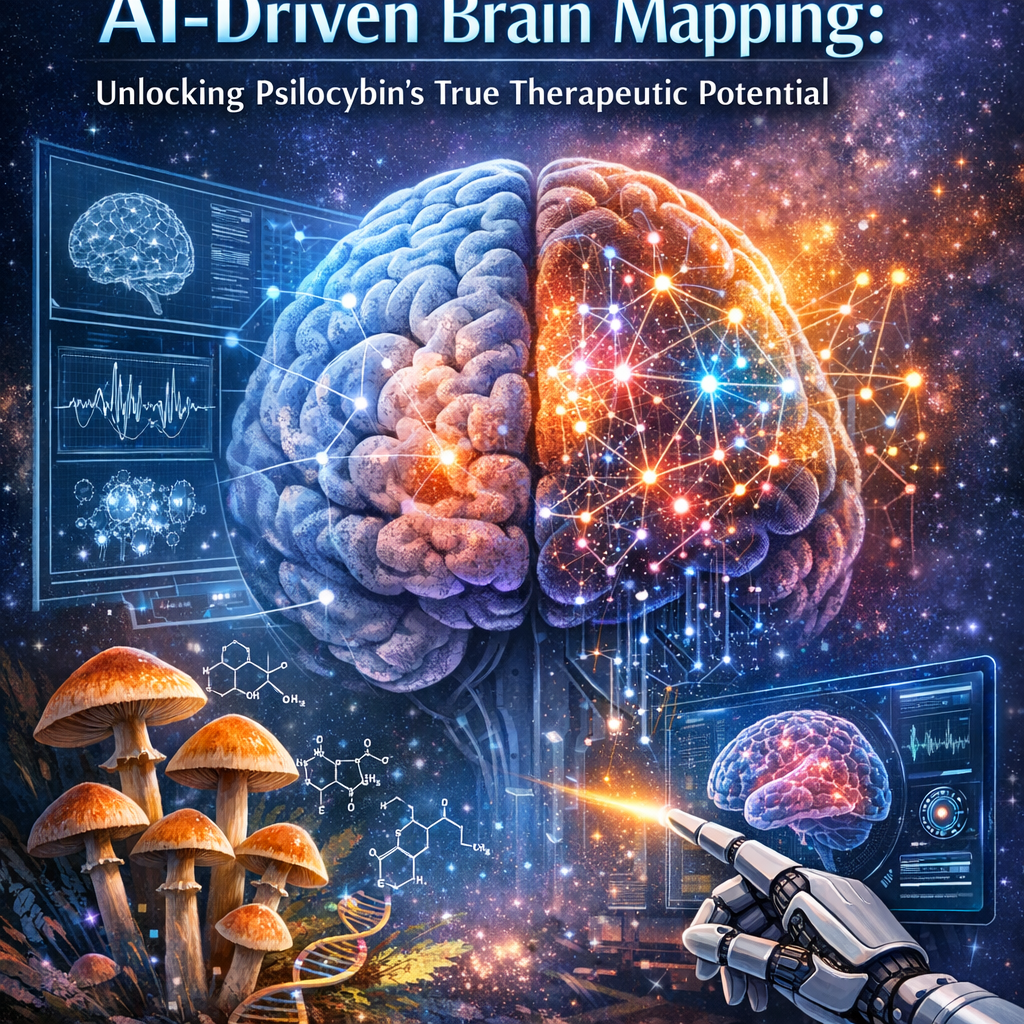
Advancements in **neuroscience** and **technology** have propelled us into an era where our understanding of the **brain**—and its intricate layers—continues to deepen. **Neuroplasticity**, the brain’s ability to reorganize itself by forming new neural connections, is a fundamental property that underlies learning, memory, and recovery from injury. Traditionally, enhancing neuroplasticity involved the use of **nootropics**—substances that improve cognitive function—or **psilocybin**, a compound found in certain mushrooms that has been shown to facilitate neurogenesis and improve mental health outcomes. However, the landscape is rapidly evolving with the advent of **bioelectronic medicine**, opening new doors for reengineering neuroplasticity.
Bioelectronic medicine stands at the intersection of **biology** and **technology**. This cutting-edge field uses miniaturized electronic devices to stimulate or record from the nervous system, enabling precise modulation of neural connections. Unlike pharmacological approaches, bioelectronic medicine offers a dynamic, real-time interface with the nervous system, allowing for tailored treatments based on individual physiological responses ([Feinstein Institutes for Medical Research](https://feinstein.northwell.edu/institutes-researchers/our-research/vagus-nerve-stimulation)). This innovation not only presents potential breakthroughs in treating neurological disorders such as **epilepsy** and **depression** but also offers a robust framework for enhancing neuroplasticity beyond the capabilities of traditional methods.
The allure of bioelectronic medicine lies in its ability to bypass the conventional pathways that drugs take, which often come with undesirable side effects ([The Lancet](https://www.thelancet.com/journals/lancet/article/PIIS0140-6736(20)31730-9/fulltext)). By directly influencing nerve activity, these devices usher in a personalized treatment paradigm that adapts to the body’s ongoing requirements. This transformative approach could redefine how we perceive and apply neuroplastic principles in healthcare, education, and even self-improvement. As we delve into this symbiosis of biology and technology, it is crucial to explore the extensive research underlying these advancements and their potential to shift paradigms in medical treatments and natural cures.
Features
Scientific exploration into bioelectronic medicine is rapidly expanding, with a growing body of research detailing its potential in enhancing neuroplasticity and treating neurological conditions. A prominent study by the **Feinstein Institutes for Medical Research** demonstrated the clinical benefits of **vagus nerve stimulation (VNS)**, a form of bioelectronic medicine, in treating epilepsy and depression. The study highlighted that VNS could significantly reduce the frequency of seizures and improve mood by modulating neurotransmitter release and neural circuitry.
Furthermore, a research project published in [*Nature*](https://www.nature.com/articles/s41586-020-2726-6) discovered how bioelectronic interfaces could be applied to stimulate neuroplasticity. The study described the use of microdevices to record and influence electrical activity in neural circuits, creating new pathways in both healthy and diseased brains. This precision approach enables medical professionals to monitor the effects of bioelectronic interventions in real-time, allowing for adjustments that optimize therapeutic outcomes.
The potential applications of these advancements are far-reaching. For instance, a review in *The Lancet* explored the possibilities of bioelectronic medicine in treating chronic conditions such as **rheumatoid arthritis** and **diabetes**, where modulating neural signals can significantly impact inflammation and metabolism. This transformative approach emphasizes the adaptability and efficacy of bioelectronics in broader medical contexts, suggesting a profound shift in how neuroplasticity can be harnessed beyond existing methodologies.
Conclusion
Bioelectronic medicine represents a frontier in neuroscience that could revolutionize our understanding and ability to harness neuroplasticity. By integrating electronic interfaces with biological processes, this burgeoning field transcends the limitations of traditional pharmacological and nootropic approaches, offering a dynamic and personalized framework for medical treatments and cognitive enhancement. As research continues to expand, the promise of bioelectronic medicine in reengineering neuroplasticity holds the potential to redefine how we approach health, technology, and their intersection in modern medicine.
**Concise Summary:**
Bioelectronic medicine blends biology with technology, allowing enhanced neuroplasticity through miniaturized electronic devices that modulate neural activity, providing personalized treatments for neurological disorders like epilepsy and depression. Unlike traditional nootropics or psilocybin, bioelectronics offer real-time, side-effect-free adaptations to physiological needs, promising significant shifts in treating chronic diseases such as rheumatoid arthritis and diabetes. This progressive approach is poised to revolutionize healthcare, education, and personal development by leveraging technology’s capacity to precisely influence brain function and neural pathways for improved cognitive outcomes.

Dominic E. is a passionate filmmaker navigating the exciting intersection of art and science. By day, he delves into the complexities of the human body as a full-time medical writer, meticulously translating intricate medical concepts into accessible and engaging narratives. By night, he explores the boundless realm of cinematic storytelling, crafting narratives that evoke emotion and challenge perspectives. Film Student and Full-time Medical Writer for ContentVendor.com