Redefining Psychedelic Therapy: How AI and Machine Learning Are Transforming Psilocybin Research and Clinical Applications
Introduction
In recent years, the resurgence of interest in **psychedelic substances** has particularly impacted the field of **mental health**. Among these substances, **psilocybin**—the primary psychoactive compound found in “magic mushrooms”—has emerged as a promising treatment for a range of **psychiatric** and **neurological disorders**. From **depression** and **anxiety** to **post-traumatic stress disorder (PTSD)** and **addiction**, the scope of research surrounding psilocybin is expanding rapidly. What is emerging as a game-changer in this area is the innovative integration of **artificial intelligence (AI)** and **machine learning** in understanding and applying psilocybin.
AI and machine learning are increasingly being woven into medical research, and **psychedelic studies** are no exception. Their capacity to process vast amounts of data, identify patterns, and generate predictive models offers novel insights into both the potential benefits and limitations of psilocybin. By automating and enhancing labor-intensive research methods, AI accelerates the process of **discovering new therapeutic potentials**, optimizing dosing regimens, and personalizing treatment approaches.
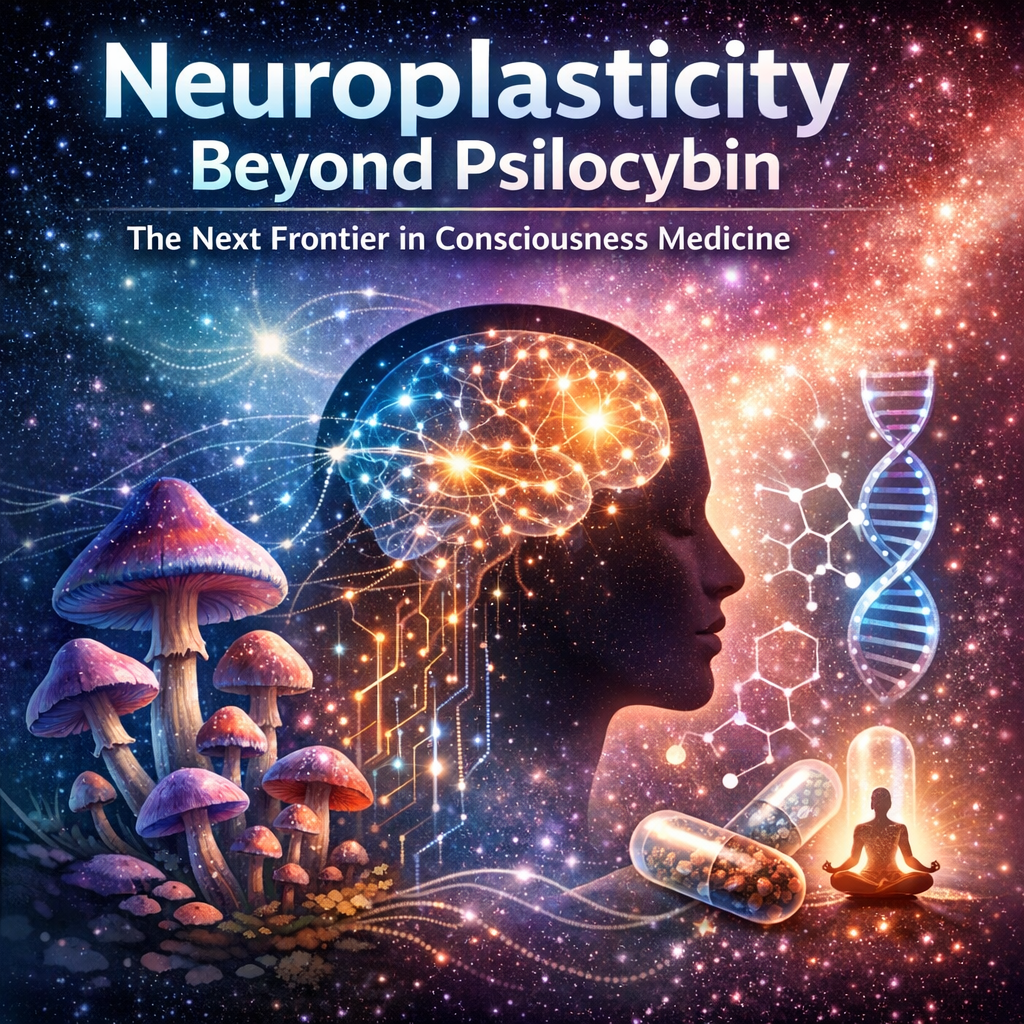
Moreover, these technologies facilitate sophisticated neural network models that can explore how psilocybin interacts with the brain’s complex architecture. This enables the development of individualized treatment protocols by precisely targeting specific neural pathways implicated in various mental health disorders. AI’s influence extends beyond data analysis; it aids in the comprehensive understanding of psilocybin’s pharmacodynamics and pharmacokinetics.
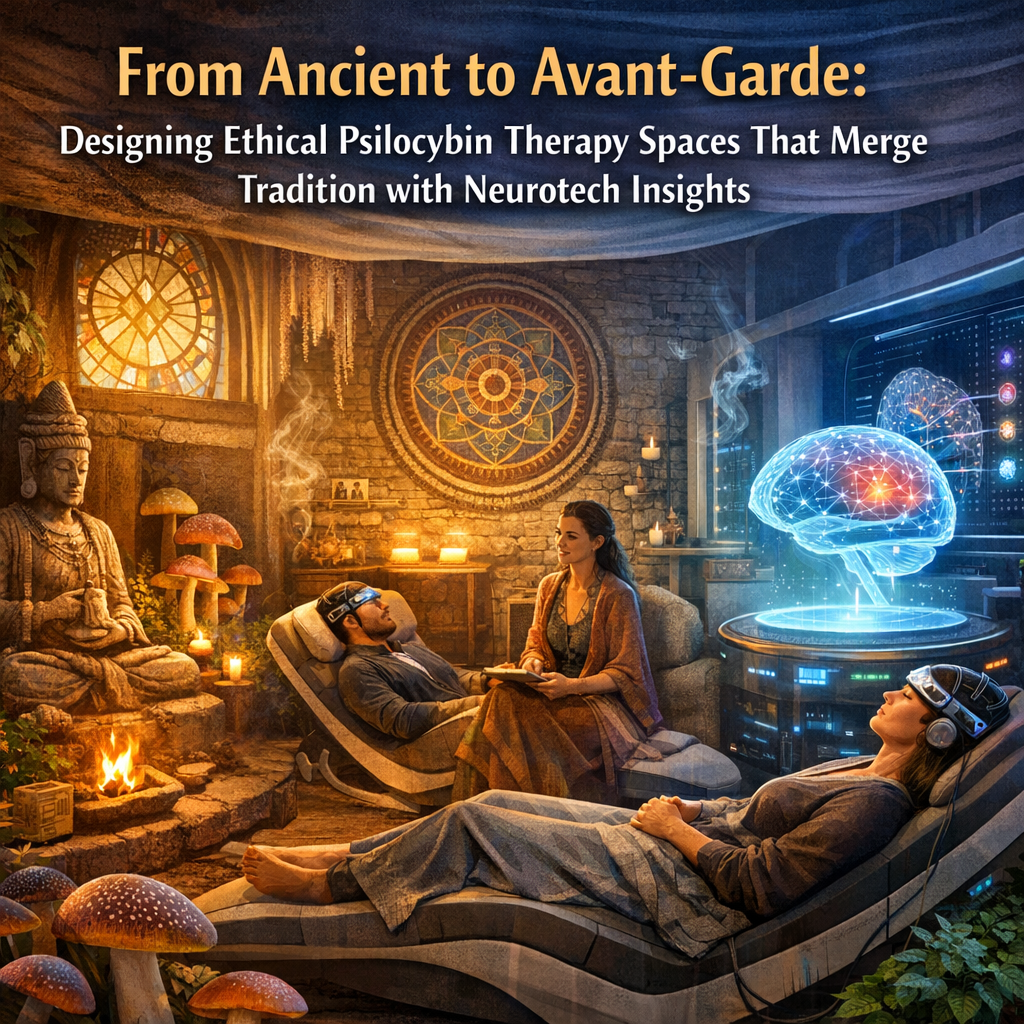
In this context, we witness a redefinition of **psychedelic therapy**. Combining ancient practices with cutting-edge technology, AI and machine learning advance our understanding of psilocybin, transitioning it from alternative treatment to a standardized component of modern medicine. Researchers, clinicians, and psilocybin enthusiasts should grasp how these tools alter the landscape of **psychedelic therapy** and shape its future applications.
Features
Recent advancements bring us closer to deciphering the intricate mechanisms through which psilocybin exerts its therapeutic effects. Several studies have leveraged AI to integrate **neuroimaging data** and **genomic sequencing** with **clinical outcomes**. For instance, a study published in *Frontiers in Psychiatry* utilized machine learning algorithms to analyze functional magnetic resonance imaging (fMRI) data, identifying distinct patterns of brain activity during and after psilocybin treatment. This study highlighted psilocybin’s ability to “reset” brain networks associated with rumination and negative thought loops, offering potential relief for patients with treatment-resistant depression ([source](https://www.frontiersin.org/articles/10.3389/fpsyt.2020.00329/full)).
In another study, AI was applied to process data from large-scale clinical trials to determine optimal dosing strategies for various mental health indications. The research identified dosage variables most predictive of successful therapeutic outcomes, allowing for more tailored and effective treatment plans ([source](https://www.nature.com/articles/s41591-019-0439-6)).
Machine learning techniques have been instrumental in personalizing **psychedelic therapy**. By analyzing genetic markers and psychological profiles, algorithms can predict an individual’s response to psilocybin treatment, increasing efficacy while minimizing adverse effects ([source](https://www.ncbi.nlm.nih.gov/pmc/articles/PMC6567556/)). Such **precision medicine** approaches may soon become commonplace, changing how treatments are prescribed and monitored in clinical settings.
AI-driven research also extends to post-treatment evaluation. Utilizing **natural language processing (NLP)** to analyze patient narratives, AI helps uncover subjective experiences and treatment satisfaction, providing critical feedback that fine-tunes therapeutic protocols ([source](https://www.journals.sagepub.com/doi/abs/10.1177/0269881119876672)).
Conclusion
The integration of AI and machine learning into **psilocybin research** heralds a new era of psychedelic therapy. By unlocking deeper understandings of neurobiological processes and optimizing treatment strategies, these technologies shift psilocybin from a historical psychedelic into a credible, science-backed therapeutic option. As the boundaries of **medical mushrooms** continue to expand, ongoing collaboration between technology and traditional medicine promises to redefine the landscape of mental health treatment, making psilocybin a cornerstone of future therapeutic paradigms.
Concise Summary
The resurgence of interest in **psilocybin**, a compound found in “magic mushrooms,” is revolutionizing mental health treatment, particularly with the integration of **AI** and **machine learning**. These technologies process vast data, identify patterns, and generate predictive models, accelerating research into psilocybin’s therapeutic potentials for disorders like depression and PTSD. AI aids in optimizing dosing regimens and personalizing treatments, exploring brain interactions, and post-treatment evaluations. This synergy is redefining psychedelic therapy, transitioning it from alternative medicine to a mainstream, standardized component of modern healthcare.

Dominic E. is a passionate filmmaker navigating the exciting intersection of art and science. By day, he delves into the complexities of the human body as a full-time medical writer, meticulously translating intricate medical concepts into accessible and engaging narratives. By night, he explores the boundless realm of cinematic storytelling, crafting narratives that evoke emotion and challenge perspectives. Film Student and Full-time Medical Writer for ContentVendor.com