Exploring the Quantum Mind: How Psychedelics and Medicinal Mushrooms Could Revolutionize Consciousness Studies
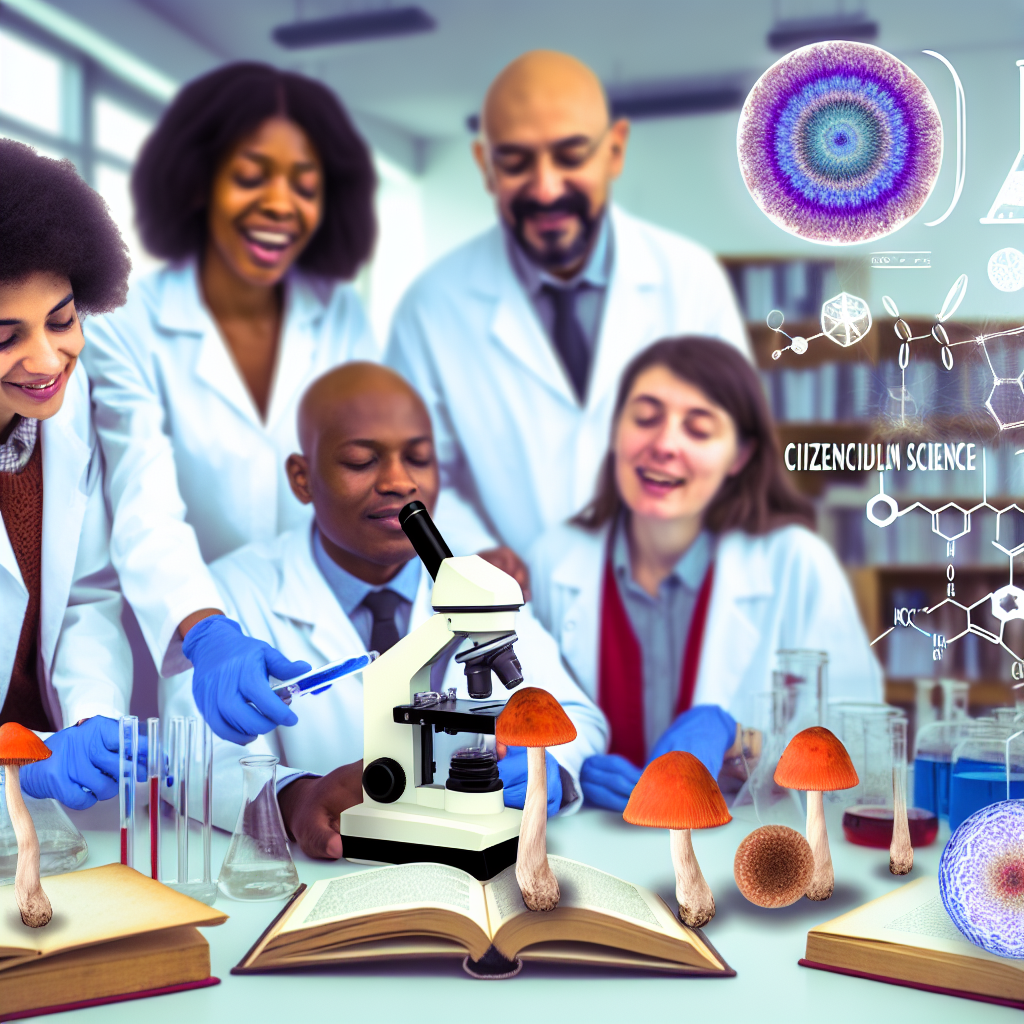
**Exploring the Quantum Mind** involves diving into how **quantum mechanics** might explain **consciousness**, with **psychedelics** and **medicinal mushrooms** as potent tools in this exploration. As traditional methods seem inadequate, the possibility that our minds operate on principles akin to quantum phenomena is gaining traction.
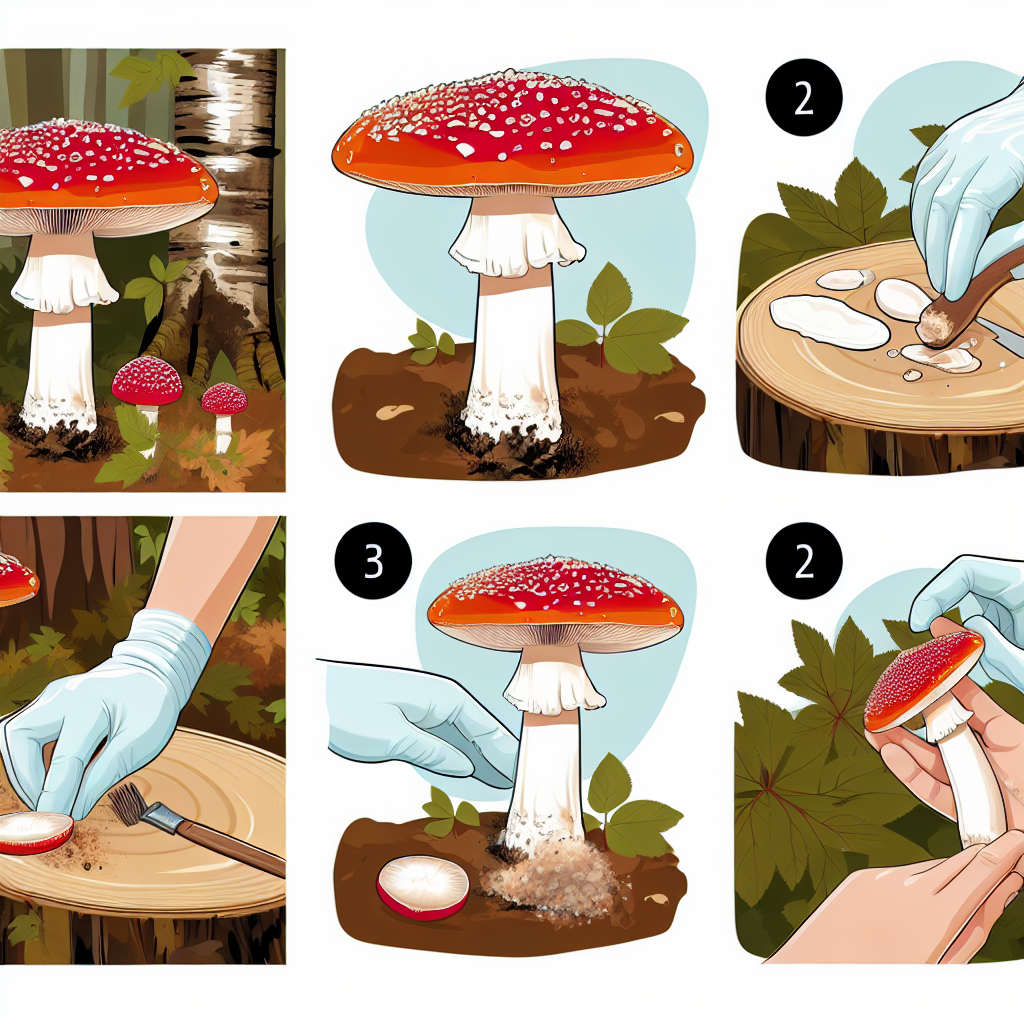
**Psychedelics**, like **psilocybin** in certain mushrooms, have long been recognized for their profound influence on **perception**, **cognition**, and **emotional states**. Their use dates back centuries for **healing** and **spiritual** practices. Modern science views them as a window into the mechanics of consciousness, offering opportunities to observe it under altered states.
**Medicinal mushrooms**, such as **reishi** and **lion’s mane**, contribute to holistic mental well-being and cognitive enhancement, suggesting a role in marrying alternative fungal solutions with mainstream consciousness research. Lion’s mane, specifically, has attracted interest due to its **neuroprotective** properties and ability to stimulate **nerve growth factor (NGF)** synthesis, indicating a biological foundation for enhancing the brain’s adaptive and regenerative capabilities.
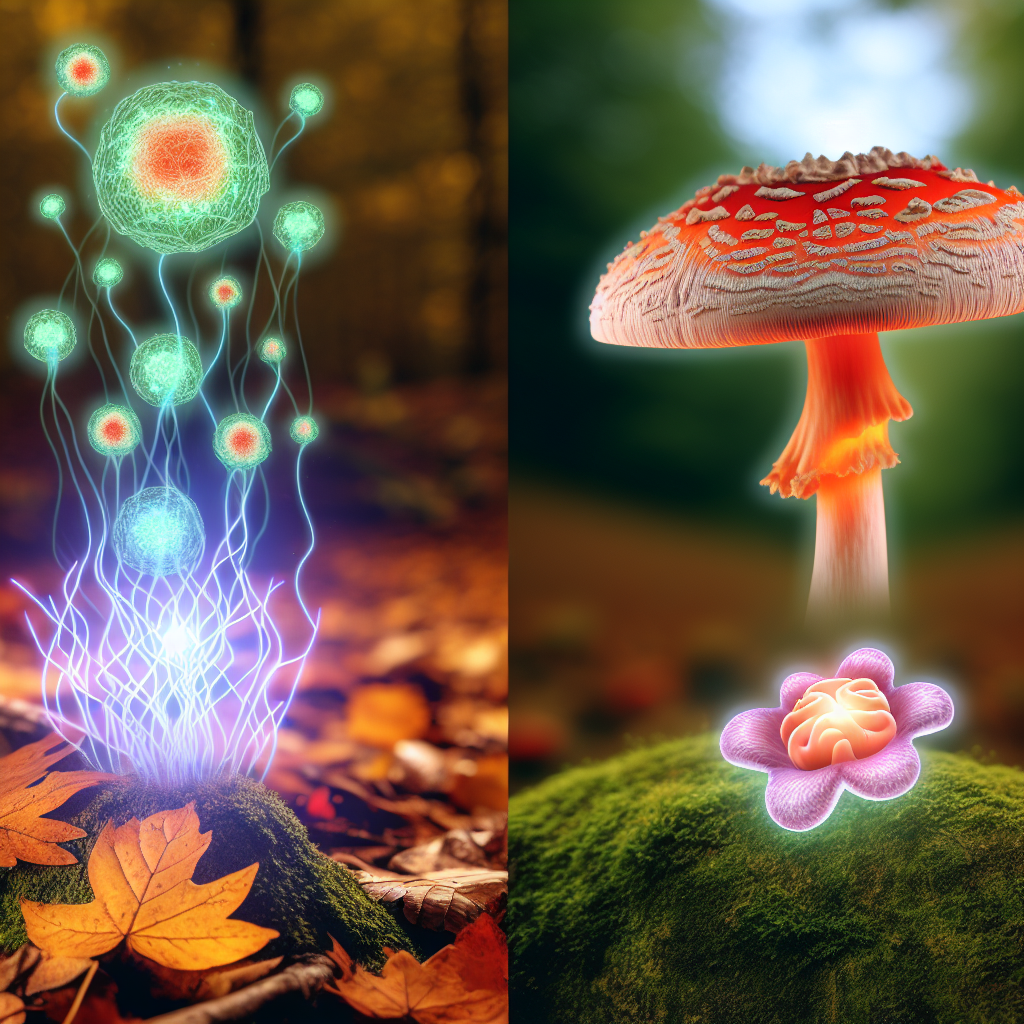
The concept of the “**quantum mind**” postulates that **consciousness** may be explained by **quantum processes** rather than just classical physics. This hypothesis argues the brain might utilize **quantum computation** to process information, potentially accounting for complex phenomena like **subjective experiences** and **free will**. **Psychedelics** could catalyze this quantum cognitive system by disrupting standard neural pathways, granting access to otherwise unreachable states of consciousness.
Aligning quantum theories with consciousness studies bears monumental implications, theoretically and practically. **Psilocybin** has been linked with **neurogenesis**, improved **psychological health**, and increased interconnectedness, prompting a reevaluation of its place in therapy and consciousness research.
Features
Numerous studies highlight the transformative promise of **psychedelics** and **medicinal mushrooms**. A notable study in the [Journal of Psychopharmacology](https://journals.sagepub.com/home/jop) found that psilocybin-assisted therapy significantly alleviated **depression** symptoms in treatment-resistant individuals, hinting at potential therapeutic breakthroughs.
A breakthrough investigation by [Johns Hopkins University](https://www.hopkinsmedicine.org/news/media/releases) revealed that a single substantial dose of psilocybin induced profound, lasting personality changes, increasing **openness**, linked to creativity and curiosity. This supports the idea that psychedelics might unlock the brain’s potential, implying a mechanism enhancing **quantum-level processing**, fostering cognitive flexibility and emotional resilience.
Beyond psychedelics, medicinal mushrooms such as **lion’s mane** draw attention for their neuroprotective properties, with research demonstrating their potential to stimulate NGF synthesis ([Source](https://www.ncbi.nlm.nih.gov/pmc/articles/PMC5987239/)). These features suggest a promising integration of traditional neuroscience with modern **quantum hypotheses**.
The potential of these substances to alter and expand consciousness revitalizes research in **quantum neuroscience**, exploring whether the mind’s functioning might rely on quantum entanglement and non-locality. Psychedelics, by disrupting standard brain networking, may provide evidence for cognitive processes grounded in complex **quantum** phenomena.
Conclusion
The convergence of **psychedelics**, **medicinal mushrooms**, and **quantum consciousness studies** marks a pivotal era in understanding the mind’s workings. As research uncovers the profound effects these substances may have on cognitive landscapes, it challenges us to reconsider scientific inquiry boundaries, embracing a more integrated and expansive view of consciousness. This synergy might enrich academic discourse, offering broader societal benefits through innovative therapeutic applications and a deeper comprehension of **human cognition**.
**Concise Summary**: Recent exploration into consciousness suggests that quantum phenomena might hold the key to understanding complex mind functions, with **psychedelics** and **medicinal mushrooms** providing valuable insights. These substances are not only valuable for their psychology-altering properties but also their potential in therapeutic and consciousness studies. Modern research, aligning emerging quantum theories with cognitive sciences, suggests a revolutionary approach to comprehending the intricacies of human consciousness. Hyperlink references shed light on promising studies conducted, underscoring the transformative potential these substances could hold in both academic and therapeutic realms.
**References**
1. [Journal of Psychopharmacology: Effect of Psilocybin on Depression](https://journals.sagepub.com/home/jop)
2. [Johns Hopkins Medicine: Psilocybin’s Lasting Impact on Personality](https://www.hopkinsmedicine.org/news/media/releases)
3. [Lion’s Mane and Neuroprotection](https://www.ncbi.nlm.nih.gov/pmc/articles/PMC5987239/)
4. [Quantum Consciousness Hypothesis](https://journals.aps.org/prl/)

Dominic E. is a passionate filmmaker navigating the exciting intersection of art and science. By day, he delves into the complexities of the human body as a full-time medical writer, meticulously translating intricate medical concepts into accessible and engaging narratives. By night, he explores the boundless realm of cinematic storytelling, crafting narratives that evoke emotion and challenge perspectives. Film Student and Full-time Medical Writer for ContentVendor.com