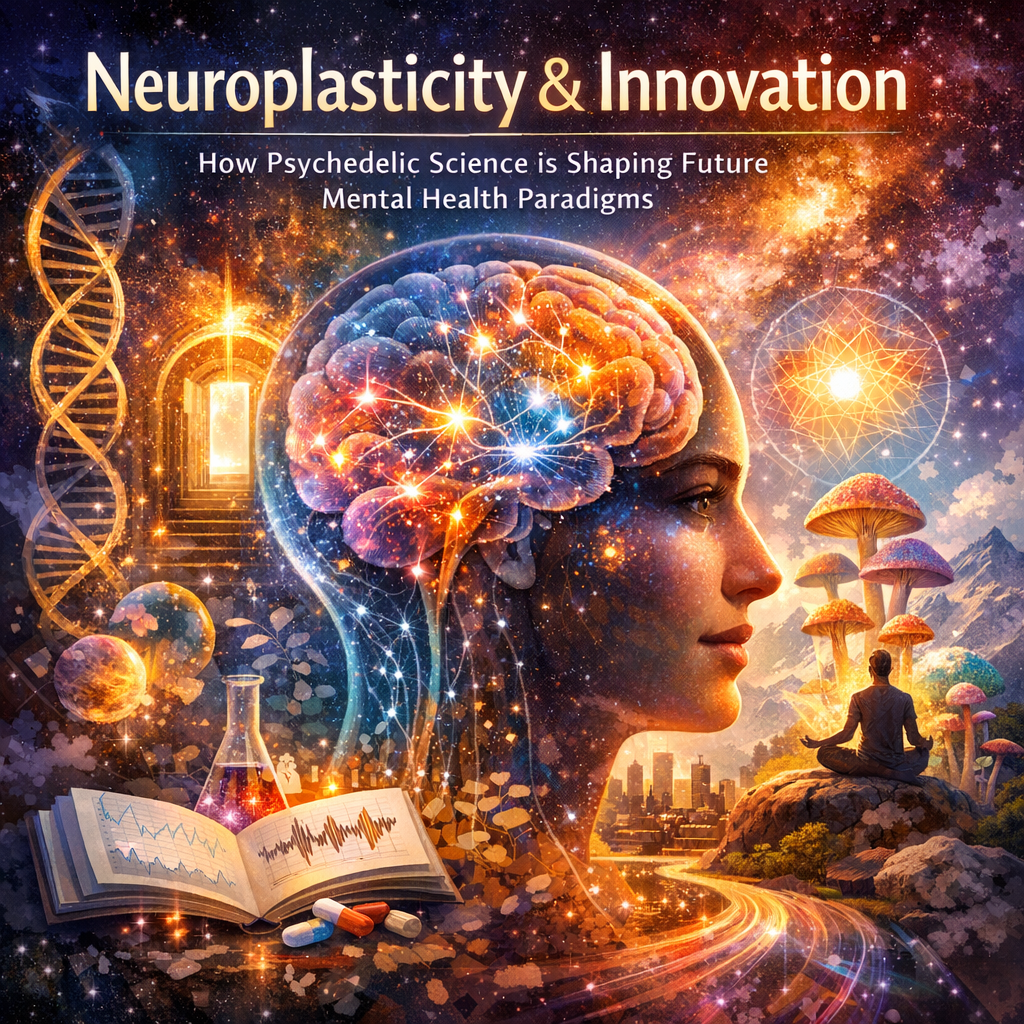
Neuroplasticity and Innovation: How Psychedelic Science is Shaping Future Mental Health Paradigms
Introduction
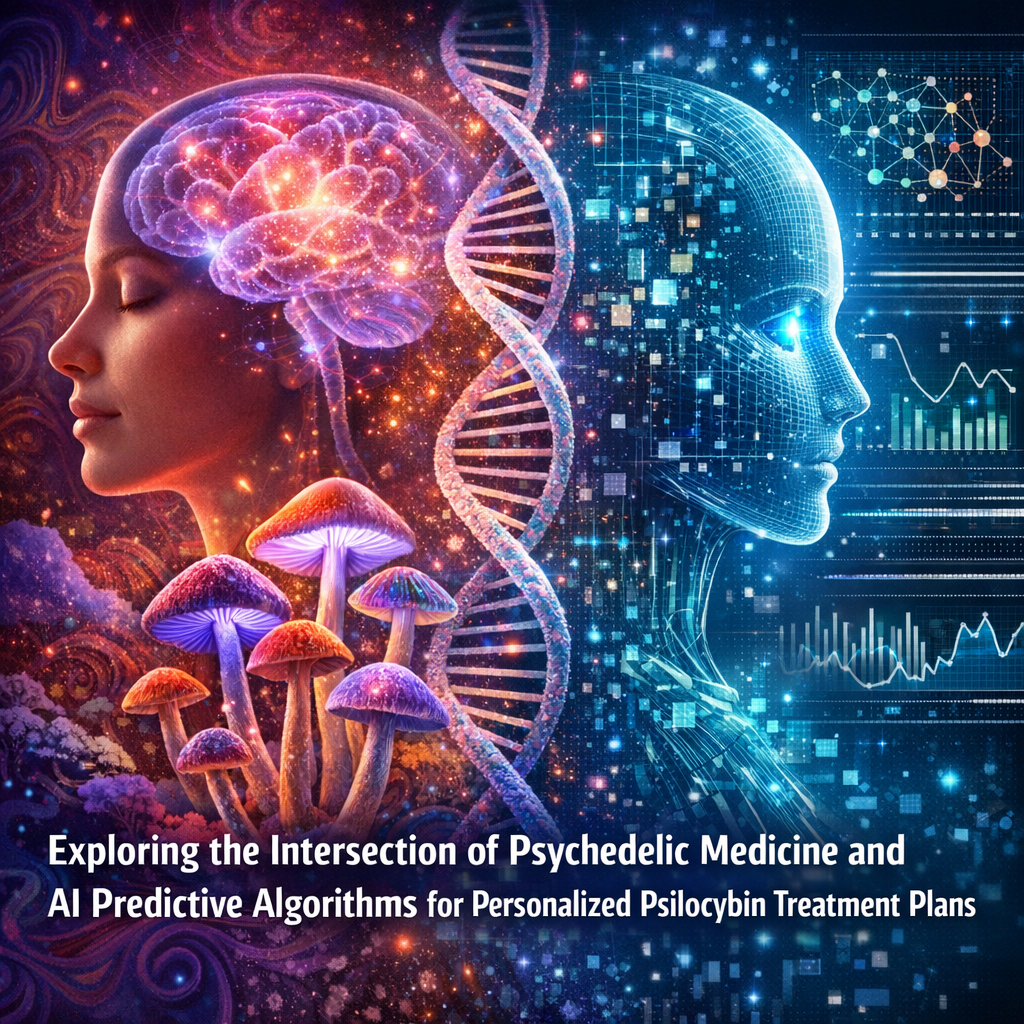
In recent years, the landscape of **mental health treatment** has been experiencing a paradigm shift that is paving the way for innovative, science-driven approaches. Central to this revolution is the concept of **neuroplasticity**—the brain’s remarkable ability to reorganize itself, form new neural connections, and adapt to changes. Consequently, emerging research into **psychedelic science**, particularly the use of **psilocybin**, is gaining traction for its potential role in enhancing neuroplasticity and offering novel therapeutic avenues for mental health disorders.
Historically, **psilocybin**, the active compound found in **psychedelic mushrooms**, was relegated to the fringes of scientific exploration, primarily due to societal stigma and stringent legal restrictions. However, the resurgence of interest in **psychedelic research** has transformed preconceived notions, revealing the compound’s promising effects on the brain. Psychedelics are being revisited not only as tools for spiritual exploration but as possible agents of change for those suffering from debilitating **mental health conditions** such as **depression**, **anxiety**, **PTSD**, and **addiction**.
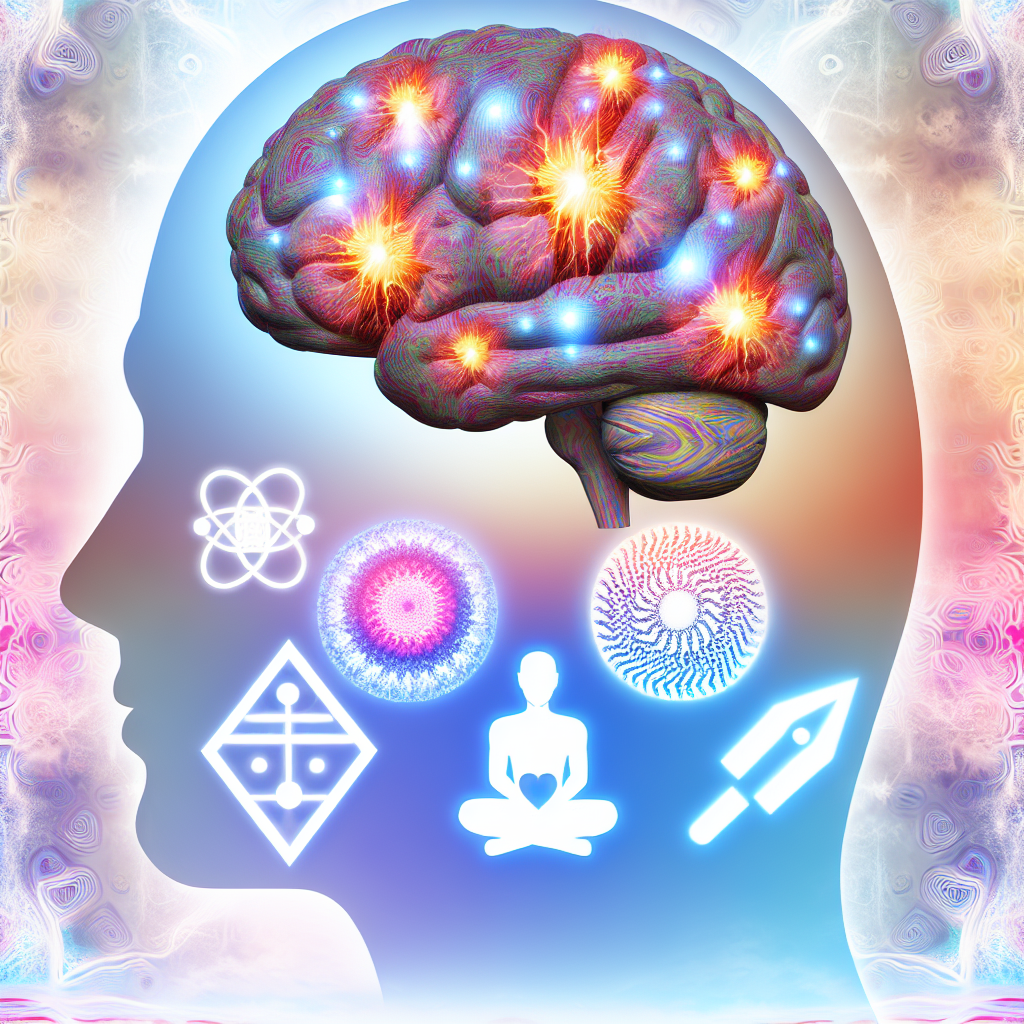
**Neuroplasticity** underpins the therapeutic promise of psychedelics. These substances appear to open the windows of cognitive flexibility, creating a state of heightened **neural plasticity** that allows patients to break free from pathological patterns of thought and behavior. The altered state of consciousness induced by psilocybin can facilitate profound insights, emotional breakthroughs, and shifts in perception, offering renewed avenues for healing and growth.
This burgeoning field of study also raises intriguing questions about the fundamental mechanisms at play: How do psychedelics promote neuroplasticity? What are the long-term implications of their use? As research continues to unravel the complexities of the brain, it becomes increasingly clear that psychedelics may hold the key to developing more effective, holistic **mental health** treatments. The integration of psychedelic science into mainstream medicine could rewrite the future of mental health care—an outcome that promises to greatly benefit both individuals and society at large.
Features
A significant amount of current research is devoted to understanding the link between **psychedelics** and **neuroplasticity**. Studies from leading institutions provide compelling evidence for the efficacy of **psilocybin** in treating a range of psychological disorders through mechanisms that involve the stimulation of neural growth and connectivity.
For instance, a 2019 study published in the journal [*Cell Reports*](https://www.cell.com/cell-reports/home) found that psychedelics like psilocybin promote structural and functional **neural plasticity**. The study demonstrated that a single exposure to a psychedelic compound could increase dendritic spine growth in the prefrontal cortex, an area of the brain associated with mood regulation and cognitive function. This finding is critical, as it points to the potential for long-lasting changes in brain structure following psychedelic therapy.
Moreover, a groundbreaking clinical trial conducted at [Johns Hopkins University](https://www.hopkinsmedicine.org/psychiatry) explored psilocybin’s effects on major depressive disorder. Results published in [*JAMA Psychiatry*](https://jamanetwork.com/journals/jamapsychiatry) indicated that patients who received two doses of psilocybin experienced significant reductions in depression symptoms, with effects lasting up to four weeks after treatment. Such studies underscore the potential of psychedelic compounds to induce rapid and sustained antidepressant effects, a stark contrast to traditional antidepressants which often require weeks to take effect.
Another study, published in [*Nature: Scientific Reports*](https://www.nature.com/srep/), assessed the use of psychedelics in patients with treatment-resistant depression. This research provided evidence that **psilocybin** enhances emotional well-being and cognitive flexibility, reinforcing the notion that psychedelics can alter entrenched thought patterns and emotional responses.
These studies collectively highlight the promising intersection of neuroscience, psychology, and psychedelic science. By chemically inducing a state of enhanced **neural plasticity**, psilocybin therapy has the potential to catalyze significant psychological changes and improvements, offering hope to millions who suffer from mental health disorders.
Conclusion
The exploration of psychedelics through the lens of **neuroplasticity** is redefining how we understand and treat mental health disorders. With the growing body of evidence supporting the efficacy of **psilocybin** and other psychedelic substances, **psychedelic science** stands at the forefront of a mental health revolution. While challenges remain in terms of societal acceptance and regulatory frameworks, the potential these substances hold for healing and innovation is both profound and promising. As research continues to evolve, the integration of psychedelics into contemporary mental health paradigms could lead to more effective, compassionate care for those in need.
**Concise Summary:** The article discusses how recent advancements in **neuroplasticity** are reshaping **mental health treatments** with innovative approaches, particularly through the use of **psychedelics** like **psilocybin**. Historically stigmatized, **psilocybin** is gaining traction for its potential to enhance **neural plasticity**, providing new therapeutic avenues for conditions such as **depression** and **anxiety**. Recent research, including studies from [Johns Hopkins University](https://www.hopkinsmedicine.org/psychiatry) and published in [*Cell Reports*](https://www.cell.com/cell-reports/home) and [*JAMA Psychiatry*](https://jamanetwork.com/journals/jamapsychiatry), demonstrates its efficacy in improving **emotional well-being** and cognitive flexibility, offering promising future outcomes for **mental health care**.

Dominic E. is a passionate filmmaker navigating the exciting intersection of art and science. By day, he delves into the complexities of the human body as a full-time medical writer, meticulously translating intricate medical concepts into accessible and engaging narratives. By night, he explores the boundless realm of cinematic storytelling, crafting narratives that evoke emotion and challenge perspectives. Film Student and Full-time Medical Writer for ContentVendor.com