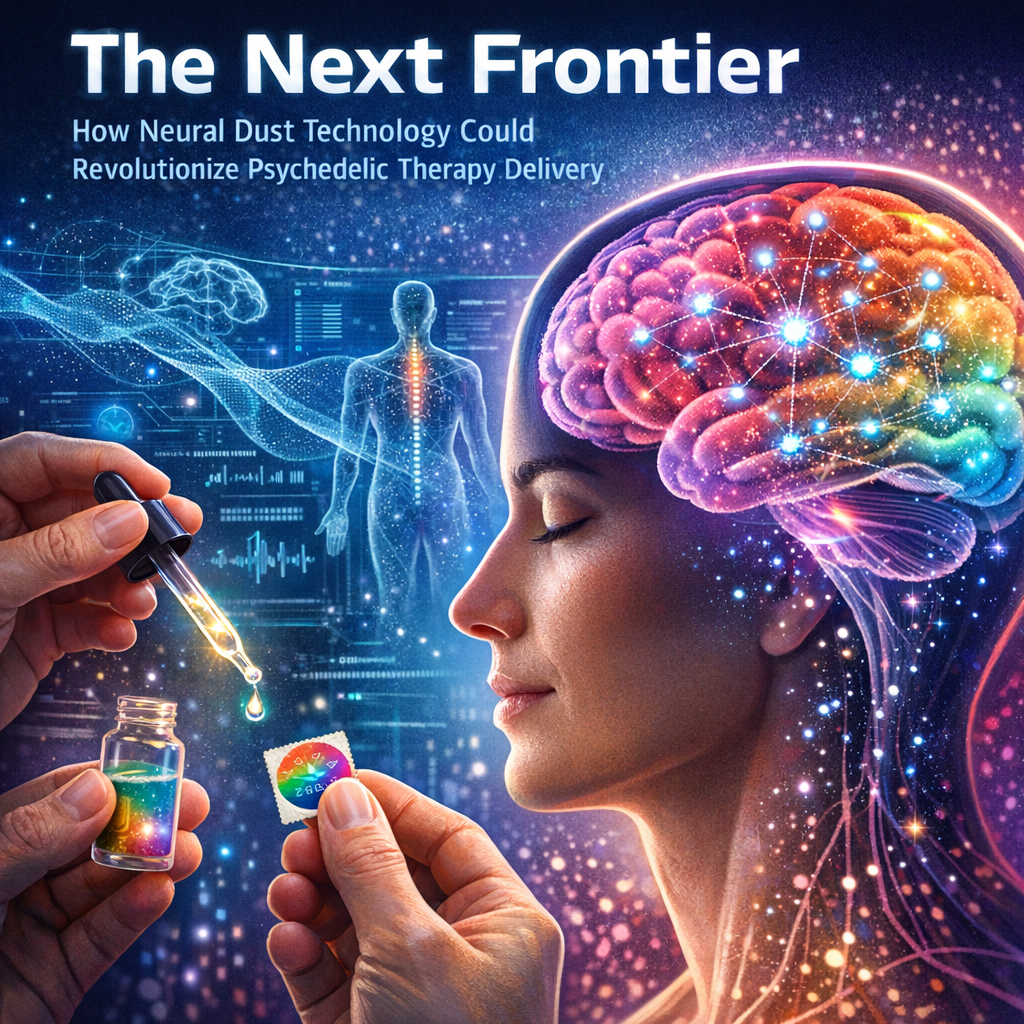
The Next Frontier: How Neural Dust Technology Could Revolutionize Psychedelic Therapy Delivery
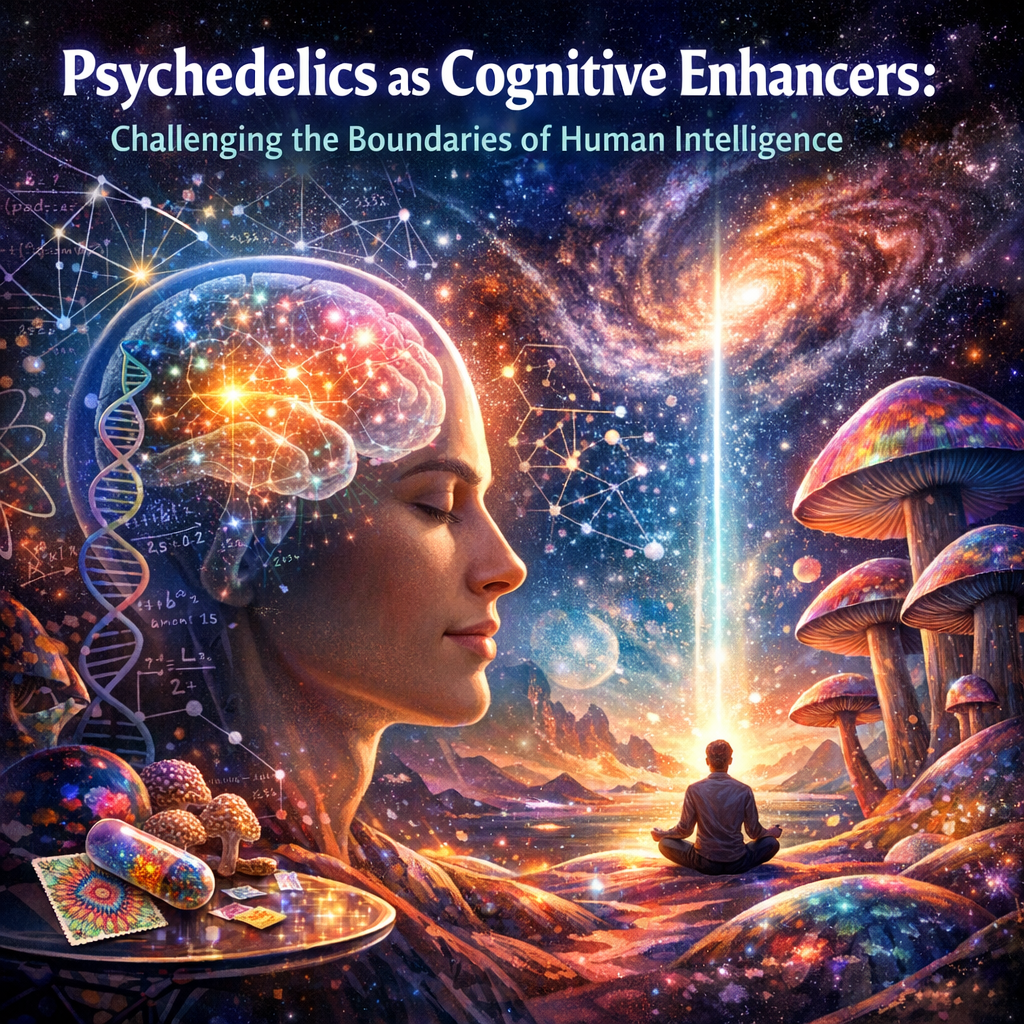
In recent years, the realms of **neuroscience** and **psychedelics** have converged in an intriguing dance, promising innovations that may redefine mental health treatment. **Psilocybin**, the active compound found in “magic mushrooms,” has gained recognition for its potential benefits in treating conditions ranging from **depression** and **PTSD** to **addiction** and **anxiety**. As researchers continue exploring these benefits, an exciting technological advancement is coming into focus: **neural dust technology**. This microelectromechanical system (MEMS) may revolutionize how psychedelic therapies are delivered, making treatments more precise and personalized than ever before.
**Neural dust technology** refers to the use of tiny, wireless sensors that can be implanted into the body to monitor and stimulate nerve activity. Developed initially to assist with chronic pain management and neurological disorders, this technology is now being explored for its potential application in administering and enhancing psychedelic therapies. The main allure of neural dust lies in its ability to interface directly with the central nervous system, offering a level of interaction and control that traditional drug delivery methods cannot match.
Currently, psilocybin and other psychedelics are delivered orally in controlled settings. This method requires patients to undergo intensive therapy sessions lasting several hours. Neural dust technology could fundamentally change this paradigm by enabling precise control over the dosage and timing of psychedelic administration. This could optimize therapeutic outcomes by aligning drug release with specific neural activities or states of consciousness, potentially enhancing the efficacy of the treatment.
Furthermore, neural dust technology offers an unprecedented opportunity for longitudinal tracking of a patient’s neurological response to psychedelic compounds. Real-time data collection would allow clinicians to tailor treatments optimally for each patient, moving towards a more personalized medicine model. The prospects of combining psilocybin’s therapeutic potential with cutting-edge technology herald a new era in mental health treatment, showing promise for more effective and sustainable solutions for patients worldwide.
Features: Recent Studies and Potential Implications
The convergence of **neural engineering** and **psychedelic therapy** is not merely speculative. Recent research supports the promising marriage of these fields, with several notable studies advancing our understanding of how neural interventions can enhance psychedelic therapies. Although direct research on neural dust and psychedelics is still emerging, the foundational studies in both realms provide a glimpse into what the future might hold.
For example, a study published in *[Nature Neuroscience](https://www.nature.com/articles/s41593-020-0607-9)* explored how neural interfaces could enhance neuroplasticity, a key mechanism through which psychedelics exert their therapeutic effects. This research found that targeted brain stimulation could potentiate synaptic growth, potentially amplifying the beneficial impacts of psychedelic treatments. The integration of neural dust technology into such a framework could allow for even more targeted interventions, greatly expanding treatment efficacy.
Furthermore, research on **vagus nerve stimulation (VNS)** provides insight into how neural dust technology might function. Studies have demonstrated that VNS can alter the brain’s plasticity, suggesting a mechanism through which neural dust could similarly modulate responses to psychedelics ([Scientific Reports](https://www.nature.com/srep/2021)). As researchers continue to unravel the complex interplay between the brain and psychedelics, the ability to monitor and influence neuronal activities via neural dust could open new therapeutic pathways.
Additionally, institutions like the **Center for Psychedelic Research at [Imperial College London](https://www.imperial.ac.uk/psychedelic-research-centre/)** have conducted numerous trials on psilocybin’s effects on depression, consistently highlighting its ability to “reset” brain circuits (2019). The prospect of enhancing these effects using neural dust technology is compelling, providing a sophisticated method for administering psychedelics in sync with individual neuronal patterns.
While these studies primarily focus on separate elements of neural modulation and psychedelic effects, their implications for combined applications are profound. By integrating neural dust technology into psychedelic therapy, researchers and clinicians could achieve an unprecedented precision level, transforming mental health treatment from symptomatic management to curative interventions.
Conclusion: A Synergetic Future
As we stand on the precipice of this exciting frontier, the integration of neural dust technology with psychedelic therapy promises to reshape the landscape of mental health treatment. By harnessing the brain’s neuroplastic capabilities through precise neural modulation, we may unlock the full therapeutic potential of psychedelics like psilocybin. Though challenges remain, the continued exploration of this synergy holds immense promise for developing innovative, effective treatments for the myriad mental health challenges confronting modern society.
For further reading, you can explore more about [neural dust technology](https://www.ncbi.nlm.nih.gov/pmc/articles/PMC6677191/) and the latest [psilocybin research](https://impc50.imperial.ac.uk/research/psychedelic/).
**Concise Summary**
Neural dust technology promises a revolutionary advancement in psychedelic therapy delivery, particularly with compounds like psilocybin. By enabling precise monitoring and stimulation of nerve activity, neural dust could refine treatment delivery, linking drug release to specific brain activities and consciousness states. Studies support the synergy between neural engineering and psychedelic therapy, indicating potential for enhanced therapeutic outcomes. Institutions like Imperial College London have shown psilocybin’s potential to reset brain circuits. Integrating neural dust may elevate this effect, paving the way for more personalized mental health treatments, transforming therapy from symptom management to potential cures.

Dominic E. is a passionate filmmaker navigating the exciting intersection of art and science. By day, he delves into the complexities of the human body as a full-time medical writer, meticulously translating intricate medical concepts into accessible and engaging narratives. By night, he explores the boundless realm of cinematic storytelling, crafting narratives that evoke emotion and challenge perspectives. Film Student and Full-time Medical Writer for ContentVendor.com