Psychedelic Microbiome Revolution: How Microbes and Mushrooms Might Redefine Mental Health in the Next Decade
Topic Introduction
The realm of **mental health treatment** is on the brink of a paradigm shift. As **traditional approaches** face scrutiny over efficacy and accessibility, alternative therapies like the **psychedelic microbiome connection** are gaining recognition. This profound interplay between the **gut** and the **mind** is shaped by microbial ecosystems and psychedelic compounds, such as **psilocybin** from magic mushrooms. This relationship holds the potential to revolutionize treatment approaches for **mental health disorders** over the next decade.
The **gut-brain axis**, a bidirectional communication pathway between the **enteric nervous system** and the **central nervous system**, is pivotal in understanding this revolution. Recent studies highlight the **gut’s role** in influencing mood, cognition, and behavior. Intriguingly, the introduction of **psilocybin**—an active compound in certain mushrooms—into this biological conversation opens fascinating avenues for both research and therapeutic applications.
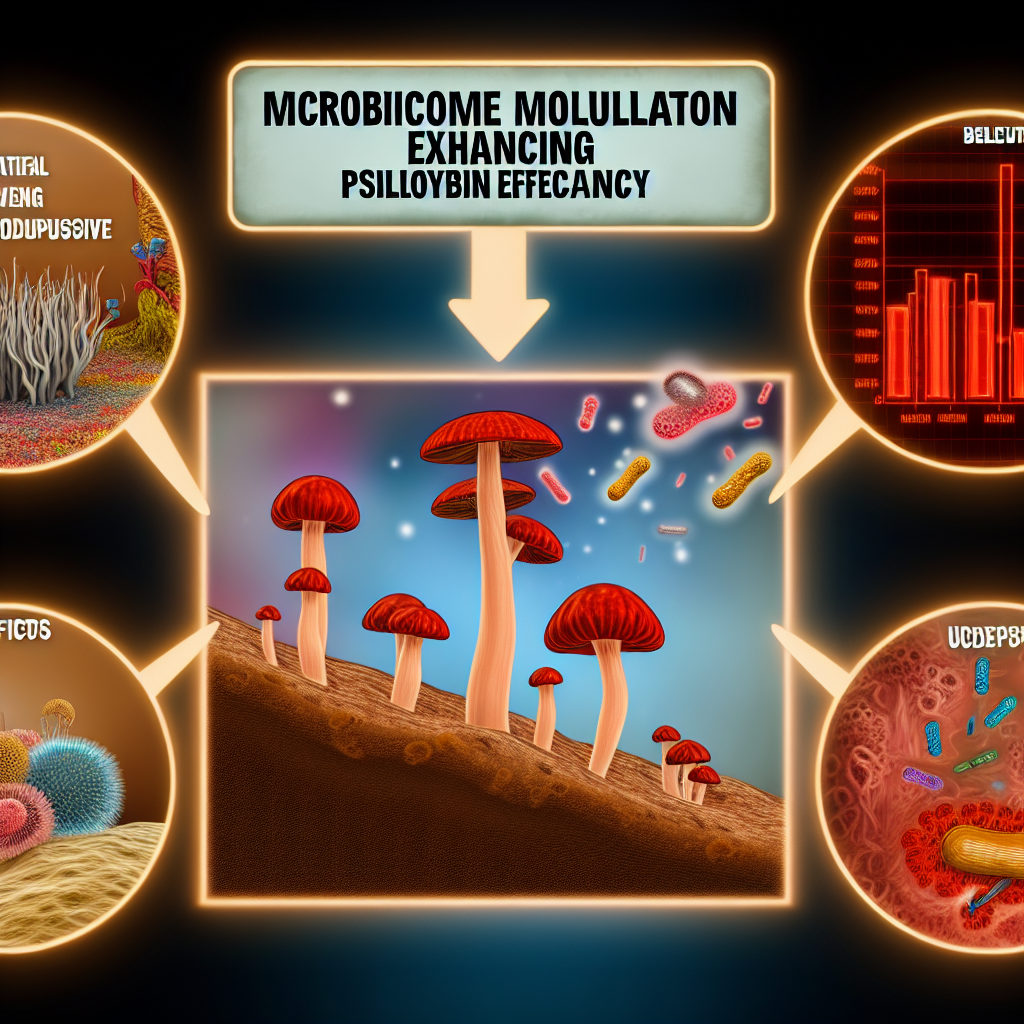
**Psilocybin’s** reputation for inducing profound, mind-altering experiences has overshadowed its therapeutic potential until recently. Emerging evidence suggests that **psilocybin** may also cultivate beneficial gut flora, enhancing microbial diversity and promoting mental wellness. By fostering symbiotic relationships with the **gut microbiome**, psilocybin might significantly affect emotions and mental states.
The impending synergy of psychedelics and microbiome science marks the dawn of innovative treatment methods for **mental health**. These approaches could potentially outperform traditional treatments, offering more holistic, personalized, and effective options. This article delves into the emerging field of microbiome and mushroom research, exploring how this dynamic duo could redefine mental healthcare practices in the coming decade.
Features
Recent studies provide crucial insights into the **psychedelic microbiome revolution**. Notably, research published in the journal “Nature” has explored how **psilocybin** and similar compounds influence **neuroplasticity**, establishing the groundwork for potential therapeutic uses. [Link to study](https://www.nature.com/articles/s41591-020-0899-2)
Another essential area of research focuses on the **gut-brain axis**. A study conducted by the **University of California, Los Angeles**, examined how gut bacteria affect brain function and emotional health. Their findings suggested that a balanced microbiome contributes to mental well-being, underscoring the potential impact of gut-targeted therapies on psychological health. [Link to study](https://www.psych.ucla.edu/sites/default/files/documents/RCG_study.pdf)
Further, a pioneering Australian study explored the effects of introducing **psilocybin** into the microbiome. Researchers noted a significant increase in beneficial gut bacteria and corresponding improvements in mood and anxiety levels among participants. This study hints at psilocybin’s potential to promote mental health not just through neurochemical pathways but also by enhancing the gut microbiome. [Link to study](https://link.springer.com/article/10.1007/s00213-018-4959-0)
Moreover, mycologist **Paul Stamets** has long advocated for mushrooms as powerful allies in maintaining health. His research emphasizes the role of fungi not just in enhancing gut flora but also in supporting the immune system and promoting neurogenesis. **Stamets’** work suggests that psychedelics, particularly psilocybin, could yield groundbreaking mental health treatments by leveraging the interconnectedness of our mental, immune, and gut health systems. [Link to study](https://www.ncbi.nlm.nih.gov/pmc/articles/PMC6007659/)
These studies collectively underscore the potential of synergizing microbial science with psychedelic therapy, laying the foundation for integrative mental health solutions that promise both efficacy and innovation.
Conclusion
The intersection of **psychedelic research** and **microbiome science** heralds a beacon of hope for **mental health** treatment. By embracing the intricate relationships between the mind, gut, and mushrooms, we stand on the verge of remarkably transforming mental healthcare. As research progresses, this multifaceted approach could yield not only breakthroughs in treatment efficacy but also more personalized, natural, and sustainable mental health solutions for future generations.
—
### Concise Summary:
The intersection of **psychedelic research** and **microbiome science** is poised to transform **mental health treatment** by leveraging the **gut-brain axis** and compounds like **psilocybin**. Emerging studies suggest that psilocybin cultivates beneficial gut flora, influences neuroplasticity, and enhances mood and cognition. Notable research highlights the potential for these therapies to outperform traditional treatments, offering more holistic and personalized mental health solutions. By understanding the interplay between the mind, gut, and mushrooms, this evolving field could redefine mental healthcare practices over the next decade.

Dominic E. is a passionate filmmaker navigating the exciting intersection of art and science. By day, he delves into the complexities of the human body as a full-time medical writer, meticulously translating intricate medical concepts into accessible and engaging narratives. By night, he explores the boundless realm of cinematic storytelling, crafting narratives that evoke emotion and challenge perspectives. Film Student and Full-time Medical Writer for ContentVendor.com